
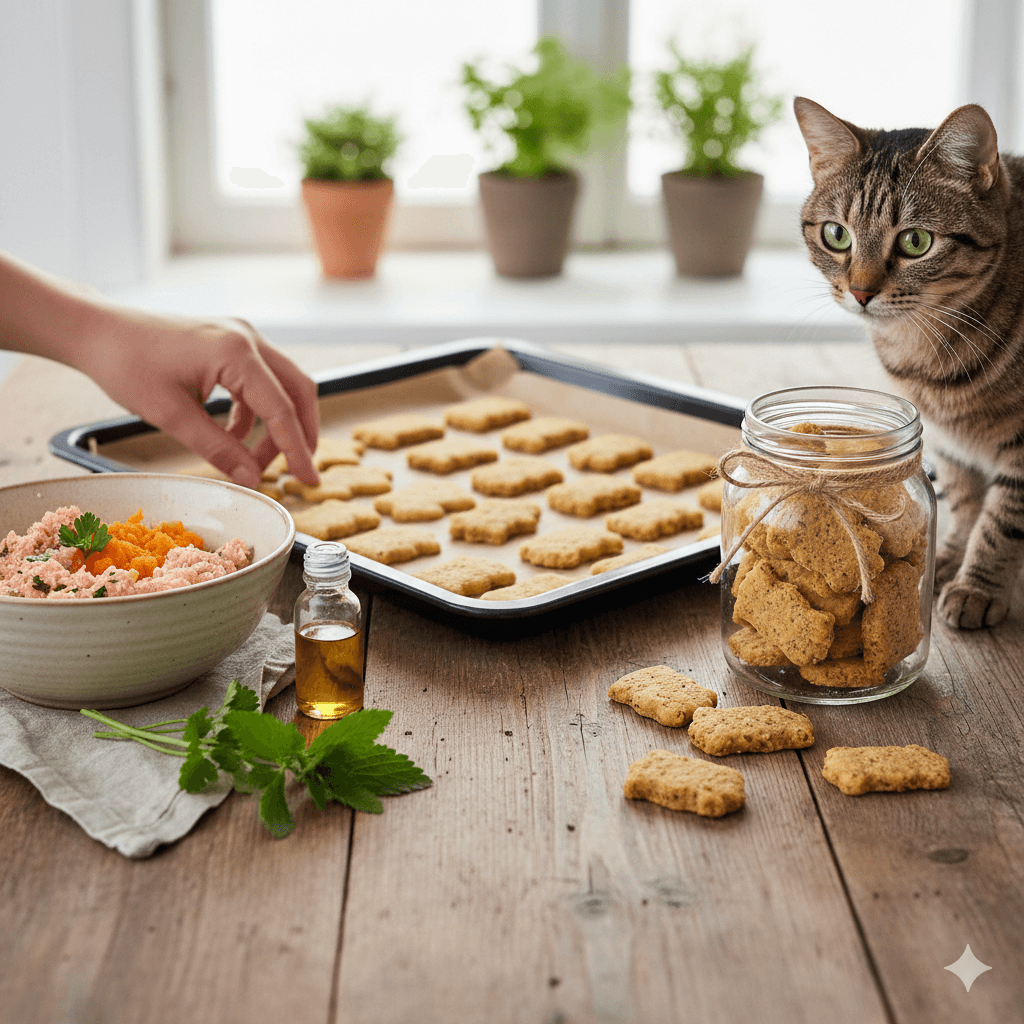

Organic Cat Treats Recipe: Best 7 Expert Tips!

Organic Cat Treats Recipe: Best 7 Expert Tips!

Understanding Organic Cat Treats Recipe: Best 7 Expert Tips!


Crafting wholesome snacks for your feline friend doesn’t have to be complicated—or filled with mystery ingredients. With a growing awareness of what goes into pet food, many cat owners are turning to homemade organic cat treats that are safe, nutritious, and free from artificial additives. Not only do these recipes give you full control over ingredients, but they also strengthen the bond between you and your cat through thoughtful care. Whether your goal is to manage allergies, support digestion, or simply spoil your kitty guilt-free, these expert-backed tips will guide you every step of the way.

Why Choose Organic Ingredients for Your Cat’s Treats


Opting for organic components in your cat treat recipes minimizes exposure to pesticides, synthetic fertilizers, and potentially harmful preservatives. Cats are especially sensitive to toxins due to their unique metabolism, so clean, whole-food ingredients can support long-term health. Here’s what makes organic choices truly beneficial:

 
  • Pesticide-Free Proteins:
    Organic chicken, turkey, or fish reduces your cat’s intake of chemical residues that may accumulate in fatty tissues.
     
  • Non-GMO Produce (If Used):
    While cats are obligate carnivores, some recipes include trace veggies—organic ensures no genetically modified additives.
     
  • No Artificial Preservatives:
    Commercial treats often contain BHA or ethoxyquin; homemade organic versions rely on natural freshness.
     
  • Higher Nutrient Density:
    Studies suggest organic animal products may contain more omega-3s and antioxidants, supporting coat and immune health.
     
  • Transparent Sourcing:
    You know exactly where each ingredient comes from—pasture-raised, wild-caught, or certified organic.
 

Choosing organic isn’t just a trend—it’s a proactive step toward minimizing hidden risks in your cat’s daily diet.

Organic Cat Treats Recipe: Best 7 Expert Tips!

Essential Nutritional Guidelines for Feline Treats


While treats should never replace a balanced diet, they can complement it—if formulated with feline biology in mind. Cats require specific nutrients like taurine, arachidonic acid, and preformed vitamin A, which aren’t found in plant-based foods. Keep these principles front and center:

 
  • Prioritize Animal Protein:
    Cats need at least 90% of their diet from meat; treat recipes should reflect that with real muscle meat or organ meat.
     
  • Include Taurine (If Cooking):
    Heat destroys natural taurine—consider a vet-approved supplement in cooked recipes to prevent heart or vision issues.
     
  • Avoid Sugar and Fillers:
    Never add honey, maple syrup, or grains—cats lack the enzymes to process carbs efficiently.
     
  • Keep Treats Under 10% of Daily Calories:
    Overfeeding even healthy treats can lead to obesity or nutritional imbalances.
     
  • Skip Toxic Ingredients:
    Garlic, onion, chives, grapes, chocolate, and xylitol are dangerous—even in tiny amounts.
 

Sticking to species-appropriate ingredients ensures your treats nourish rather than harm.

Safe, Cat-Friendly Ingredients
Ingredients to Strictly Avoid
Cooked chicken (skinless)
Onions and garlic
Pureed pumpkin (unsweetened)
Grapes or raisins
Freeze-dried liver
Chocolate or caffeine
Bone broth (no salt, no onion)
Dairy (most cats are lactose intolerant)
Cooked salmon (deboned)
Artificial sweeteners like xylitol

Simple, Vet-Approved Organic Cat Treat Recipes


You don’t need a culinary degree to make nutritious cat treats—just quality ingredients and a few minutes. These beginner-friendly recipes are easy to prepare, store well, and meet feline dietary needs:

 
  • Two-Ingredient Chicken Bites:
    Blend organic cooked chicken with a splash of bone broth, shape into tiny balls, and bake at 300°F (150°C) for 20 minutes.
     
  • Freeze-Dried Treat Hack:
    Slice organic chicken liver thinly, freeze for 24 hours, then dehydrate or air-dry in a low oven until crisp.
     
  • Pumpkin & Chicken Pate Cubes:
    Mix pureed pumpkin (1 tsp) with ground organic chicken, steam gently, then chill in an ice cube tray for portioned servings.
     
  • Tuna & Egg Mini Muffins:
    Whisk organic canned tuna (in water) with one egg, pour into mini muffin tins, and bake at 350°F (175°C) for 15 minutes.
     
  • Bone Broth Ice Cubes:
    Simmer organic chicken bones (no onion!) for 12+ hours, strain, and freeze broth in small trays for hydrating treats.
 

Always introduce new recipes slowly and monitor for digestive upset or allergies.

Storage and Shelf Life Best Practices


Homemade treats lack preservatives, so proper storage is essential to prevent spoilage and bacterial growth. Follow these guidelines to keep your creations safe:

 
  • Refrigerate Short-Term Batches:
    Moist treats (like pate cubes) last 3–4 days in an airtight container in the fridge.
     
  • Freeze for Longevity:
    Dry or semi-dry treats can be frozen for up to 3 months—thaw one portion at a time.
     
  • Use Clean Tools and Surfaces:
    Cross-contamination from raw meat can risk salmonella; sanitize all utensils and bowls thoroughly.
     
  • Label with Dates:
    Write the preparation date on containers to avoid serving expired treats.
     
  • Watch for Spoilage Signs:
    Mold, off smells, or slimy texture mean discard immediately—even if within the “safe” window.
 

When in doubt, throw it out: your cat’s health is worth more than saving a few treats.

Tailoring Treats to Special Health Needs


Cats with allergies, kidney disease, or sensitive stomachs can still enjoy homemade snacks—with thoughtful modifications. Always consult your vet before introducing new foods to a medically managed diet:

 
  • For Food Allergies:
    Use novel proteins like duck, rabbit, or venison to avoid common triggers like chicken or beef.
     
  • For Urinary Health:
    Avoid excess magnesium; lean toward low-mineral proteins and ensure treats don’t disrupt urine pH balance.
     
  • For Senior Cats:
    Softer textures (like broth gels or pate) are easier to chew and digest for aging felines.
     
  • For Weight Management:
    Use lean cuts and keep portion sizes tiny—think pea-sized, not bite-sized.
     
  • For Cats with IBD:
    Stick to single-ingredient, low-fat, cooked proteins without additives to minimize gut irritation.
 

Customizing recipes shows deep care—and can turn treats into therapeutic tools.

Common Mistakes to Avoid When Making Organic Cat Treats


Even well-intentioned recipes can go wrong if basic feline nutritional rules are overlooked. Steer clear of these frequent pitfalls:

 
  • Assuming “Natural” Equals Safe:
    Not all human-safe organic foods (like avocado or coconut oil) are appropriate for cats.
     
  • Overcooking Liver (Losing Nutrients):
    Gentle cooking preserves vitamins; high heat destroys essential nutrients like vitamin A and taurine.
     
  • Ignoring Hydration Balance:
    Very dry treats may reduce overall water intake—pair with wet food or broth if your cat is prone to dehydration.
     
  • Using Store-Bought Broth:
    Most contain onion or salt; always make your own bone broth from scratch.
     
  • Skipping Vet Consultation for Medicated Cats:
    Some ingredients (like fish high in vitamin K) can interfere with medications like blood thinners.
 

Attention to detail transforms a simple snack into a health-supportive ritual.

Safety and Ingredient Sourcing for Homemade Organic Cat Treats


When crafting organic cat treats at home, ingredient quality and safety are just as important as the recipe itself. Sourcing thoughtfully and handling ingredients properly ensures your treats are not only nutritious but also free from hidden hazards. Keep these critical practices in mind:

 
  • Choose Human-Grade Organic Meat:
    Always select USDA-certified organic, human-grade proteins—never use meat labeled “pet-grade,” which may contain unsafe by-products.
     
  • Verify Fish Sustainability and Safety:
    If using salmon or tuna, opt for wild-caught, low-mercury options and avoid fish canned in oil or brine with added salt.
     
  • Wash Hands and Surfaces Thoroughly:
    Prevent cross-contamination by sanitizing all tools, cutting boards, and countertops before and after handling raw meat.
     
  • Avoid “Organic” Labels on Unsafe Foods:
    Even if organic, ingredients like garlic, onion, or grapes remain toxic—organic doesn’t override species-specific dangers.
     
  • Buy from Trusted Local Sources When Possible:
    Farmers’ markets or local butchers with transparent practices can offer fresher, traceable ingredients for your cat’s treats.
 

Thoughtful sourcing transforms a simple snack into a safe, health-supportive ritual your cat can enjoy without risk.

“Treats should be given in moderation and should represent 5% or less of a cat’s daily food intake. The rest should come from a nutritionally complete cat food.”
 

Frequently Asked Questions About Organic Cat Treats Recipe

Can I use raw meat in homemade cat treats?

While cats thrive on raw diets in controlled settings, raw meat carries bacterial risks (like salmonella). Cooking is safer for treats unless you’re trained in raw food handling.

Limit to 1–2 small treats per day, or no more than 10% of their total daily calories—typically under 20 kcal for an average cat.

For occasional treats, no—but if they become frequent, discuss taurine or vitamin supplementation with your vet.

Yes! A pinch of food-grade organic catnip can be added for enrichment, though not all cats respond to it.

Grain-free is ideal, as cats have no dietary need for grains—and many are sensitive to them. Stick to 100% meat-based recipes.

Nourish with Love, One Treat at a Time


Making organic cat treats at home is more than a kitchen project—it’s an act of devotion. Every ingredient you choose, every batch you prepare, reflects your commitment to your cat’s well-being in a world full of questionable pet products. With these seven expert tips, you’re not just avoiding harmful additives; you’re embracing a purer, more mindful way to show love. Remember, the best treat isn’t the fanciest—it’s the one that supports your cat’s health while lighting up their eyes with joy. So tie on that apron, gather your clean ingredients, and let your kitchen become a place of both nourishment and connection. Your cat’s purr will be your sweetest reward.

Is Rawhide Bad for Cats? Best 7 Expert Tips!

Is Rawhide Bad for Cats? Best 7 Expert Tips! – Discover the risks, safe alternatives, and expert advice to keep your feline friend healthy and happy.

Is Rawhide Bad for Dogs? Best 7 Expert Tips!

Is Rawhide Bad for Dogs? Best 7 Expert Tips! – Discover the risks, benefits, and safer alternatives to rawhides for your dog’s chewing needs.

Understanding Anorexia in Cats: Best 7 Expert Tips!

Understanding Anorexia in Cats: Best 7 Expert Tips! – Learn why cats stop eating, spot warning signs, and discover how to help your feline regain appetite safely.

Understanding Anorexia in Dogs: Best 7 Expert Tips!

Understanding Anorexia in Dogs: Best 7 Expert Tips! – Learn causes, symptoms, and solutions to help your dog regain appetite and stay healthy.

Leave a Reply

Your email address will not be published. Required fields are marked *