
Understanding the Benefits of Omega-3 for Dogs
Omega-3 fatty acids are essential nutrients that play a vital role in supporting your dog’s overall health, from skin and coat to joint and brain function. While dogs cannot produce these fats on their own, incorporating omega-3 into their diet can provide remarkable benefits. Discover how this powerful supplement can enhance your dog’s well-being and address common health concerns naturally.
Why Omega-3 Is Essential for Dogs
Omega-3 fatty acids are crucial for maintaining your dog’s overall health, as they support vital bodily functions and promote longevity. These essential fats, including EPA (eicosapentaenoic acid) and DHA (docosahexaenoic acid), cannot be synthesized by a dog’s body and must be obtained through diet or supplements. Incorporating omega-3 into your dog’s routine offers numerous benefits that go beyond basic nutrition. Understanding why these nutrients are indispensable helps you make informed decisions about your dog’s health.
- Supports Brain Development and Function:
DHA is particularly important for puppies, as it supports brain development and cognitive function. Senior dogs also benefit from omega-3, as it slows age-related cognitive decline and improves memory. - Reduces Inflammation Throughout the Body:
Chronic inflammation is a root cause of many diseases, including arthritis and skin conditions. Omega-3 reduces inflammatory markers, alleviating discomfort and promoting healing. - Promotes Heart Health:
Omega-3 lowers triglyceride levels and improves circulation, reducing the risk of heart disease in dogs prone to cardiovascular issues. - Enhances Immune System Function:
By modulating the immune response, omega-3 helps prevent autoimmune disorders and boosts resistance to infections and illnesses. - Improves Skin and Coat Quality:
Dogs with dry, flaky skin or dull coats often benefit from omega-3, as it hydrates the skin and adds shine to their fur, reducing shedding and dandruff.
Incorporating omega-3 into your dog’s diet ensures they receive the nutrients needed for optimal health, addressing both visible and internal concerns effectively.
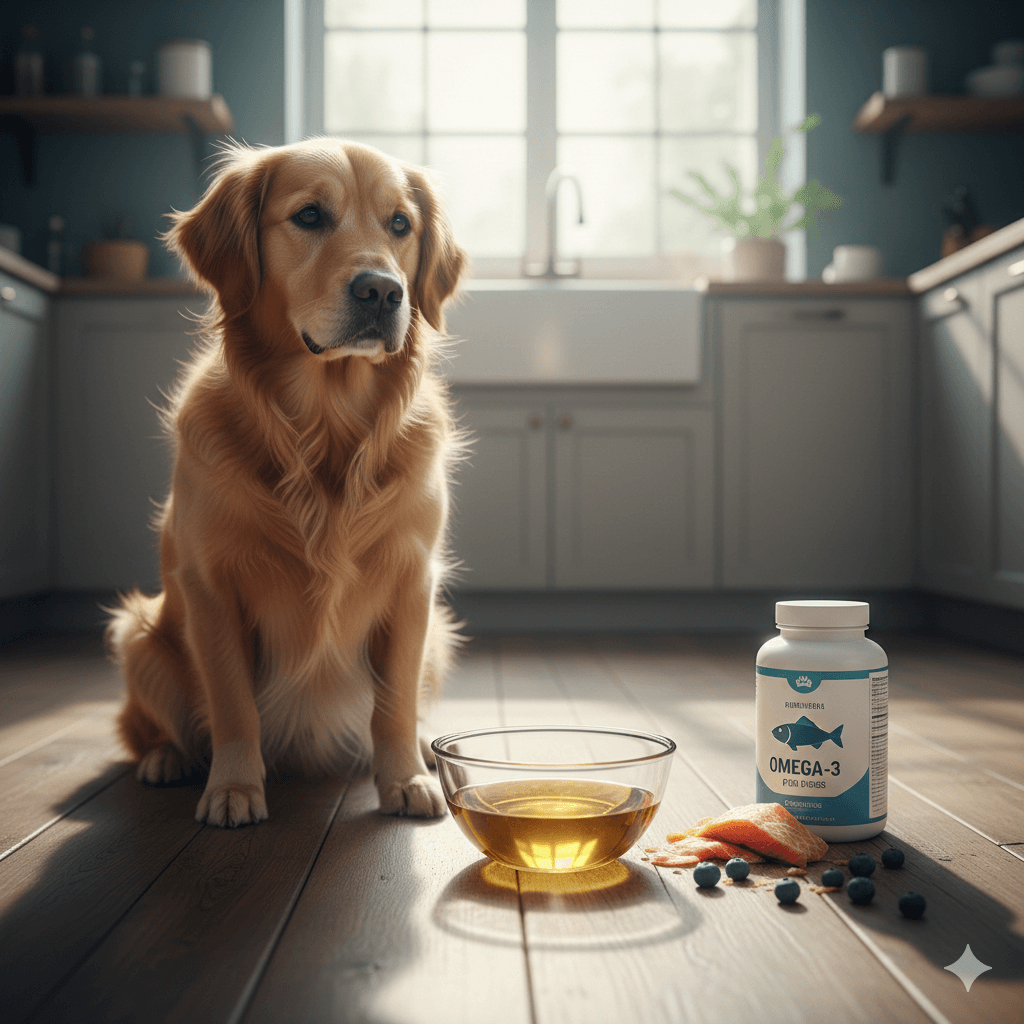
Common Sources of Omega-3 for Dogs
Providing your dog with omega-3 can be done through various sources, each offering unique benefits. Choosing the right option depends on your dog’s preferences, dietary restrictions, and specific health needs. Understanding these sources helps you select the most suitable form of supplementation for your furry friend.
- Fish Oil Supplements:
Derived from salmon, sardines, or anchovies, fish oil is rich in EPA and DHA, making it one of the most effective omega-3 sources for dogs. - Krill Oil:
Krill oil contains phospholipid-bound omega-3, which is easier for dogs to absorb compared to traditional fish oil. It also has a lower risk of contaminants. - Flaxseed Oil:
While plant-based, flaxseed oil primarily provides ALA (alpha-linolenic acid), which dogs convert inefficiently into EPA and DHA. It’s less ideal but still beneficial for some. - Fresh Fish:
Feeding small amounts of cooked salmon, mackerel, or sardines introduces natural omega-3 into your dog’s diet, though care must be taken to avoid bones and excess fat. - Green-Lipped Mussels:
This unique marine source offers a blend of omega-3, glucosamine, and chondroitin, supporting joint health alongside general wellness.
Each source has its advantages, but fish oil and krill oil remain the most reliable choices for delivering high-quality omega-3 to your dog.
Check this guide 👉Is Tea Tree Oil Safe for Dogs? Best 7 Expert Tips!
Check this guide 👉Understanding Palliative Care for Dogs: Best 7 Expert Tips!
Check this guide 👉Amino Acids for Dogs: Best 7 Expert Tips!
Benefits of Omega-3 | Signs Your Dog Needs Omega-3 |
|---|---|
Supports brain development in puppies | Dry, flaky skin or excessive shedding |
Reduces joint pain and stiffness | Frequent ear or skin infections |
Improves skin and coat quality | Joint stiffness or arthritis symptoms |
Enhances immune system function | Cognitive decline in senior dogs |
Lowers risk of heart disease | Dull or brittle coat lacking shine |
Signs Your Dog May Need Omega-3 Supplementation
Certain symptoms indicate that your dog could benefit from omega-3 supplementation. Recognizing these signs allows you to address potential deficiencies early and improve your dog’s quality of life. Omega-3 can alleviate many common issues, making it a versatile addition to your dog’s care routine.
- Dry, Flaky Skin or Excessive Shedding:
If your dog constantly scratches, licks their paws, or has visible dandruff, omega-3 can restore moisture and reduce irritation. - Joint Stiffness or Arthritis:
Older dogs or breeds prone to joint issues may show stiffness, limping, or reluctance to move, signaling a need for anti-inflammatory omega-3. - Dull or Brittle Coat:
A lackluster coat lacking shine or softness suggests inadequate fatty acid intake, which omega-3 can correct. - Frequent Ear or Skin Infections:
Recurrent infections often stem from poor immune function, which omega-3 helps strengthen naturally. - Cognitive Decline in Seniors:
Confusion, disorientation, or changes in behavior in older dogs may indicate a need for DHA-rich supplements to support brain health.
Addressing these signs with omega-3 not only improves comfort but also enhances your dog’s overall vitality.
How Much Omega-3 Should You Give Your Dog?
Determining the correct dosage of omega-3 for your dog is critical to ensure safety and effectiveness. Over-supplementation can lead to side effects, while under-dosing may fail to deliver desired results. Consulting your veterinarian and following guidelines ensures proper administration.
- Dosage Based on Weight:
Small dogs (under 20 lbs) require approximately 100–200 mg of combined EPA/DHA daily, while larger breeds need up to 600–900 mg depending on size. - Adjustments for Specific Conditions:
Dogs with arthritis, skin allergies, or heart disease may need higher doses, as recommended by a vet, to manage symptoms effectively. - Avoid Human Supplements:
Human omega-3 products often contain additives or incorrect ratios of EPA/DHA, making them unsuitable for canine consumption. - Monitor for Side Effects:
Excessive omega-3 can cause diarrhea, vomiting, or blood thinning; start with a low dose and gradually increase as tolerated. - Rotate Between Sources:
Alternating between fish oil, krill oil, and other sources prevents nutrient imbalances and keeps meals varied.
Proper dosing ensures your dog receives maximum benefits without risking adverse effects.
Benefits of Omega-3 for Joint Health in Dogs
Omega-3 plays a pivotal role in managing joint-related issues, particularly in senior dogs or those prone to arthritis. Its anti-inflammatory properties provide relief and improve mobility, enhancing your dog’s quality of life significantly.
- Reduces Pain and Swelling:
EPA and DHA inhibit enzymes responsible for cartilage breakdown, reducing inflammation and discomfort in affected joints. - Slows Progression of Arthritis:
Regular omega-3 intake minimizes further damage to joint tissues, preserving mobility and flexibility over time. - Supports Post-Surgical Recovery:
After orthopedic surgeries, omega-3 accelerates healing by reducing swelling and promoting tissue repair. - Improves Mobility in Older Dogs:
Senior dogs experience increased energy and willingness to engage in physical activities when supplemented with omega-3. - Prevents Early-Onset Joint Issues:
Puppies of large breeds benefit from omega-3, as it strengthens developing joints and reduces the risk of future problems.
Omega-3 is a natural, safe way to support joint health throughout your dog’s life stages.
Potential Risks of Omega-3 Supplementation
While omega-3 is generally safe, improper use or excessive dosing can pose risks. Being aware of these potential issues ensures you administer supplements responsibly and prioritize your dog’s well-being.
- Gastrointestinal Upset:
Too much omega-3 can cause diarrhea, gas, or vomiting, especially when introduced too quickly. - Blood-Thinning Effects:
High doses interfere with clotting mechanisms, increasing bleeding risks during surgeries or injuries. - Quality Control Concerns:
Low-quality supplements may contain contaminants like mercury or PCBs, harming your dog instead of helping. - Nutrient Imbalance:
Over-reliance on omega-3 disrupts the balance with omega-6 fatty acids, potentially worsening inflammation. - Allergic Reactions to Sources:
Some dogs may react to specific omega-3 sources, such as fish oil or green-lipped mussels, requiring alternative options.
Understanding these risks allows you to mitigate them effectively while maximizing omega-3’s benefits.
Tips for Choosing the Best Omega-3 Supplement
Selecting the right omega-3 supplement for your dog requires careful consideration of quality, formulation, and brand reputation. Making an informed choice ensures your dog receives safe, effective, and bioavailable nutrients.
- Look for Third-Party Testing:
Reputable brands undergo independent testing to verify purity, potency, and absence of harmful contaminants. - Check EPA/DHA Ratios:
Products with higher concentrations of EPA and DHA provide greater therapeutic value than generic omega-3 blends. - Opt for Sustainable Sourcing:
Choose supplements derived from sustainably harvested fish or algae to protect marine ecosystems. - Avoid Artificial Additives:
Steer clear of products containing artificial flavors, preservatives, or fillers that may irritate sensitive dogs. - Consult Your Veterinarian:
Your vet can recommend trusted brands or prescribe veterinary-grade supplements tailored to your dog’s needs.
Investing in a high-quality omega-3 supplement ensures long-term benefits and peace of mind for pet owners.
“Cold water fish oils are an excellent source of DHA and EPA. DHA has anti-inflammatory properties, which is why it is so frequently recommended in inflammatory conditions.” — Wendy Brooks, DVM, DABVP
Frequently Asked Questions About Omega-3 for Dogs
Can I give my dog human omega-3 supplements?
No, human supplements often contain additives or incorrect EPA/DHA ratios that may harm your dog. Always choose pet-specific formulations.
How long does it take to see results from omega-3?
Improvements in skin, coat, and joint health typically appear within 4–8 weeks of consistent supplementation. Cognitive benefits may take longer.
Are there any side effects of omega-3 for dogs?
Mild side effects like diarrhea or vomiting may occur if the dose is too high. Start with a low amount and gradually increase to avoid issues.
Can puppies take omega-3 supplements?
Yes, puppies benefit from DHA-rich omega-3 for brain development, but always consult your vet to determine the correct dosage.
What’s the best source of omega-3 for dogs?
Fish oil and krill oil are the most effective sources due to their high EPA/DHA content and superior bioavailability compared to plant-based options.
Supporting Your Dog’s Health with Omega-3
Incorporating omega-3 into your dog’s diet is one of the simplest yet most impactful ways to enhance their well-being. From promoting a shiny coat and healthy joints to supporting brain function and reducing inflammation, these essential fatty acids address a wide range of health concerns naturally. By choosing high-quality supplements and following proper dosing guidelines, you ensure your dog receives the full spectrum of benefits without unnecessary risks. Remember, every small step you take toward optimizing their nutrition strengthens the bond you share—and paves the way for a happier, healthier life together.

Is Rawhide Bad for Cats? Best 7 Expert Tips! – Discover the risks, safe alternatives, and expert advice to keep your feline friend healthy and happy.

Is Rawhide Bad for Dogs? Best 7 Expert Tips! – Discover the risks, benefits, and safer alternatives to rawhides for your dog’s chewing needs.

Understanding Anorexia in Cats: Best 7 Expert Tips! – Learn why cats stop eating, spot warning signs, and discover how to help your feline regain appetite safely.

Understanding Anorexia in Dogs: Best 7 Expert Tips! – Learn causes, symptoms, and solutions to help your dog regain appetite and stay healthy.