
Understanding Omega-3 for Cats: A Key to Feline Wellness
Omega-3 fatty acids are essential nutrients that play a vital role in supporting your cat’s overall health, from skin and coat to joint and immune function. While cats cannot produce these fats naturally, incorporating omega-3 into their diet can provide numerous benefits, especially for aging or sensitive felines. Discover how this powerful supplement can transform your cat’s well-being and ensure they thrive at every stage of life.
Why Omega-3 Is Essential for Cats
Omega-3 fatty acids are not just a supplement; they are a cornerstone of feline health, offering benefits that touch nearly every system in your cat’s body. From reducing inflammation to supporting brain function, omega-3s play a critical role in maintaining your cat’s vitality. These essential fats cannot be synthesized by your cat’s body, making dietary supplementation crucial. Understanding their importance helps you make informed decisions about your cat’s nutrition and overall well-being.
- Anti-Inflammatory Properties:
Omega-3s, particularly EPA (eicosapentaenoic acid) and DHA (docosahexaenoic acid), reduce inflammation in the body. Chronic inflammation is linked to conditions like arthritis, kidney disease, and allergies, so omega-3s help alleviate discomfort and improve mobility. - Skin and Coat Health:
Dry, flaky skin and dull coats often indicate omega-3 deficiency. These fatty acids nourish the skin, promote hydration, and reduce shedding, resulting in a soft, shiny coat that reflects your cat’s inner health. - Brain and Cognitive Function:
DHA is especially important for brain development in kittens and cognitive maintenance in senior cats. Studies show that omega-3s can slow cognitive decline and improve memory and learning abilities in aging felines. - Heart Health Support:
Omega-3s help maintain cardiovascular health by reducing triglyceride levels, improving circulation, and preventing plaque buildup in arteries. This is particularly beneficial for cats prone to heart disease. - Immune System Boost:
By modulating the immune response, omega-3s help prevent autoimmune disorders and reduce the severity of allergic reactions, ensuring your cat stays resilient against infections and illnesses.
Incorporating omega-3s into your cat’s diet ensures they receive these vital nutrients, promoting longevity and enhancing their quality of life.
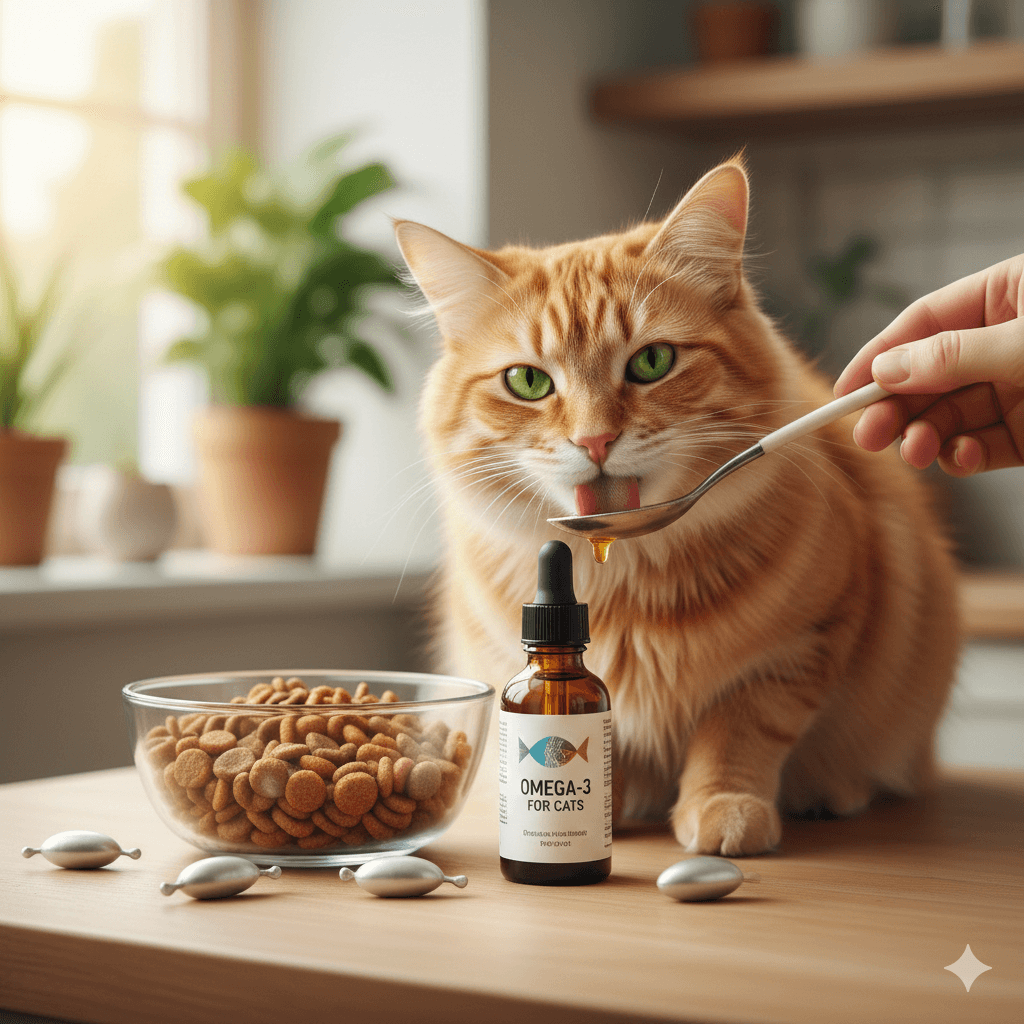
Common Sources of Omega-3 for Cats
While omega-3s are essential, not all sources are equally suitable for cats. Choosing the right type and form ensures maximum absorption and safety for your feline companion. Understanding the differences between plant-based and animal-based omega-3s helps you select the best option for your cat’s unique needs.
- Fish Oil Supplements:
Fish oil, derived from salmon, sardines, or anchovies, is rich in EPA and DHA—the most bioavailable forms of omega-3 for cats. Look for high-quality, purified oils free from contaminants like mercury. - Krill Oil Alternatives:
Krill oil is another excellent source, containing phospholipid-bound omega-3s that are easier for cats to absorb. It also includes astaxanthin, a powerful antioxidant that supports cellular health. - Flaxseed and Plant-Based Oils:
Flaxseed oil contains ALA (alpha-linolenic acid), which cats convert poorly into EPA and DHA. While not ideal as a primary source, it can complement fish-based supplements in small amounts. - Fortified Cat Foods:
Some commercial cat foods are enriched with omega-3s, but the concentration may not meet therapeutic needs. Always check labels for EPA and DHA content to ensure adequacy. - Fresh Fish Options:
Small amounts of cooked salmon or sardines (without seasoning or bones) provide natural omega-3s. However, avoid overfeeding due to potential heavy metal exposure or nutritional imbalance.
Selecting the right omega-3 source ensures your cat receives the full benefits without compromising their health or dietary balance.
Check this guide 👉Is Tea Tree Oil Safe for Cats? Best 7 Expert Tips!
Check this guide 👉Zyrtec Dosage for Cats: Best 7 Expert Tips!
Check this guide 👉Prebiotics for Cats: Best 7 Expert Tips!
Lorem ipsum dolor sit amet, consectetur adipiscing elit. Ut elit tellus, luctus nec ullamcorper mattis, pulvinar dapibus leo.
Signs Your Cat May Need Omega-3 Supplementation
Cats rarely vocalize discomfort, but subtle signs can indicate a need for omega-3 supplementation. Recognizing these symptoms helps you address underlying deficiencies before they escalate into more serious health issues.
- Dry or Flaky Skin:
Excessive scratching, dandruff, or patches of hair loss often signal omega-3 deficiency. These issues stem from poor skin hydration and increased inflammation. - Dull or Greasy Coat:
A lackluster coat lacking shine or feeling greasy to the touch reflects inadequate fat metabolism and poor nutrient absorption. - Joint Stiffness or Lameness:
Arthritis or difficulty jumping onto furniture may indicate insufficient omega-3 intake. These fats reduce joint inflammation and improve mobility in older cats. - Frequent Ear Infections or Allergies:
Recurrent ear infections, itchy skin, or gastrointestinal upset suggest an imbalanced immune response that omega-3s can help regulate. - Cognitive Decline in Seniors:
Confusion, disorientation, or changes in behavior in older cats may point to reduced brain function, which omega-3s can support through DHA enrichment.
Addressing these signs with omega-3 supplementation can restore balance and enhance your cat’s overall well-being.
How to Administer Omega-3 Supplements to Cats
Administering omega-3 supplements requires care and strategy to ensure your cat consumes them willingly and safely. Proper dosing and delivery methods maximize absorption while minimizing resistance.
- Mix with Wet Food:
Liquid fish oil or capsules can be mixed into wet food, masking the taste and encouraging consumption. Start with small amounts to avoid overwhelming your cat. - Use Treat-Based Supplements:
Omega-3-infused treats provide a convenient and palatable way to deliver essential fats without hassle. Choose products specifically formulated for cats. - Puncture Capsules Directly:
For finicky eaters, pierce a fish oil capsule and squeeze the contents directly onto their tongue or mix it with a small amount of food. - Follow Dosage Guidelines:
Over-supplementation can lead to weight gain or blood clotting issues. Adhere to vet-recommended dosages based on your cat’s weight and health condition. - Monitor for Side Effects:
Diarrhea, vomiting, or fishy-smelling breath may occur initially. Adjust the dosage or switch brands if these symptoms persist.
Consistency and patience are key to successful omega-3 supplementation.
Potential Risks of Omega-3 Overdose in Cats
While omega-3s are beneficial, excessive intake can lead to adverse effects. Understanding the risks ensures you provide safe and effective supplementation for your cat.
- Weight Gain:
High-calorie fish oils can contribute to obesity if overfed, especially in sedentary or indoor cats. Balance omega-3 intake with overall caloric needs. - Blood Clotting Issues:
Omega-3s thin the blood, increasing bleeding risks during surgeries or injuries. Inform your vet if your cat is on blood-thinning medications. - Digestive Upset:
Too much omega-3 can cause diarrhea, vomiting, or loose stools due to the fat content overwhelming the digestive system. - Vitamin E Depletion:
Omega-3s can deplete vitamin E stores, leading to oxidative stress. Consider pairing supplements with vitamin E-rich foods or multivitamins. - Contaminant Exposure:
Low-quality fish oils may contain heavy metals or toxins. Always choose third-party tested, purified products to protect your cat’s health.
Moderation and quality control are essential to prevent complications.
Long-Term Benefits of Omega-3 Supplementation
Consistent omega-3 supplementation offers profound long-term benefits, supporting your cat’s health across multiple systems and stages of life.
- Improved Mobility in Seniors:
Reduced joint inflammation and enhanced cartilage repair allow aging cats to remain active and pain-free for longer periods. - Enhanced Immune Resilience:
Chronic diseases and infections become less frequent as omega-3s strengthen the immune system and regulate inflammatory responses. - Slowed Cognitive Decline:
Regular DHA intake preserves brain function, delaying age-related cognitive impairments and improving quality of life in senior cats. - Healthier Skin and Coat Over Time:
Long-term omega-3 use prevents chronic skin conditions, reduces shedding, and maintains a glossy, hydrated coat throughout your cat’s life. - Reduced Risk of Chronic Diseases:
Conditions like heart disease, arthritis, and kidney failure are less likely to develop or progress rapidly with sustained omega-3 support.
Investing in omega-3 supplementation pays dividends in your cat’s longevity and happiness.
Preventing Omega-3 Deficiency in Cats
Preventing omega-3 deficiency involves proactive measures to ensure your cat consistently receives adequate levels of these vital nutrients.
- Balanced Diet Planning:
Choose high-quality commercial foods fortified with omega-3s or incorporate fresh, omega-3-rich ingredients like cooked fish into meals. - Routine Veterinary Check-Ups:
Regular blood work detects early signs of deficiency, allowing timely intervention before symptoms worsen. - Supplement Rotation:
Alternate between fish oil, krill oil, and other sources to provide variety and prevent nutrient imbalances. - Avoid Overprocessing:
Heat and processing destroy omega-3s in food. Opt for minimally processed diets or raw feeding plans if appropriate for your cat. - Monitor Environmental Factors:
Stress, illness, or poor living conditions increase omega-3 requirements. Address these factors to maintain optimal nutrient absorption.
Proactive prevention ensures your cat thrives with the full benefits of omega-3s.
“Omega-3 fatty acids have anti-inflammatory properties, making them beneficial for cats suffering from skin allergies, arthritis, and kidney disease.” – Wendy Brooks, DVM, DABVP
Frequently Asked Questions About Omega-3 for Cats
Can I give my cat human omega-3 supplements?
No—human supplements often contain additives or dosages unsuitable for cats. Always choose products specifically formulated for felines.
How much omega-3 should I give my cat daily?
The typical dose is 100–200 mg of combined EPA and DHA per 10 pounds of body weight. Consult your vet for personalized recommendations.
Are there any side effects of omega-3 for cats?
Mild side effects include fishy breath, diarrhea, or vomiting if overdosed. High-quality, purified supplements minimize these risks.
Can kittens take omega-3 supplements?
Yes, but only under veterinary guidance. Kittens require lower doses to support brain and vision development without overloading their systems.
What’s the difference between fish oil and krill oil for cats?
Fish oil is rich in EPA and DHA, while krill oil contains phospholipid-bound omega-3s and antioxidants like astaxanthin, making it more bioavailable.
Supporting Your Cat’s Health with Omega-3
Omega-3 fatty acids are more than just a supplement—they’re a cornerstone of feline wellness, offering transformative benefits for skin, joints, immunity, and cognitive function. By incorporating high-quality omega-3 sources into your cat’s diet, you provide them with the tools to thrive at every stage of life. Whether addressing specific health concerns or simply supporting overall vitality, omega-3s empower you to nurture your cat’s well-being proactively. Remember, even small changes in nutrition can yield profound results, ensuring your feline companion enjoys a long, happy, and healthy life by your side.

Is Rawhide Bad for Cats? Best 7 Expert Tips! – Discover the risks, safe alternatives, and expert advice to keep your feline friend healthy and happy.

Is Rawhide Bad for Dogs? Best 7 Expert Tips! – Discover the risks, benefits, and safer alternatives to rawhides for your dog’s chewing needs.

Understanding Anorexia in Cats: Best 7 Expert Tips! – Learn why cats stop eating, spot warning signs, and discover how to help your feline regain appetite safely.

Understanding Anorexia in Dogs: Best 7 Expert Tips! – Learn causes, symptoms, and solutions to help your dog regain appetite and stay healthy.