

Norwegian Forest Cat Lifespan: Best 7 Expert Tips!

Norwegian Forest Cat Lifespan: Best 7 Expert Tips!

Norwegian Forest Cat Lifespan: What You Need to Know


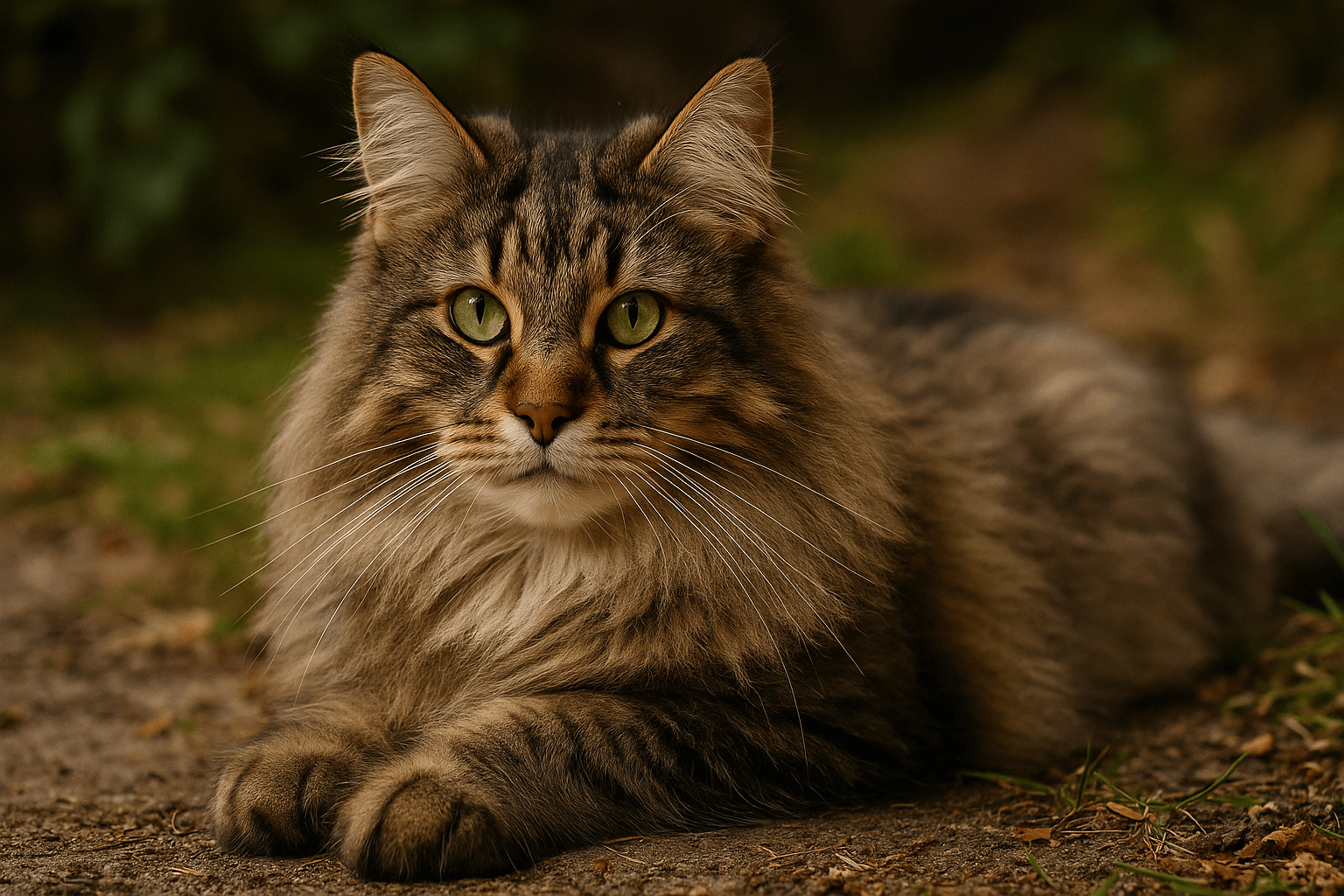
The Norwegian Forest Cat, affectionately known as the “Wegie,” is a majestic breed with a rich history and a loyal following among cat lovers. Known for their striking appearance, thick double coat, and playful yet gentle demeanor, these cats are cherished companions. One of the most important aspects of caring for a Norwegian Forest Cat is understanding their lifespan and how to maximize their years of happiness and health. On average, this breed lives between 12 to 16 years, but with proper care, some can even reach their late teens. In this blog post, we’ll explore the factors that influence their longevity, tips for keeping them healthy, and how you can ensure your feline friend thrives for years to come.

Factors That Influence the Norwegian Forest Cat Lifespan


Several key factors contribute to the Norwegian Forest Cat’s lifespan, ranging from genetics to lifestyle choices. Understanding these influences can help you provide the best possible care for your furry companion.

 
  • Genetic Health:
    Like all breeds, Norwegian Forest Cats may inherit certain health conditions, such as hypertrophic cardiomyopathy (HCM) or glycogen storage disease. Responsible breeding practices can minimize these risks.

  • Diet and Nutrition:
    A balanced diet rich in high-quality protein supports overall health and longevity. Avoid overfeeding, as obesity can lead to serious health issues.

  • Exercise and Activity Levels:
    This active breed thrives on play and exploration. Regular exercise helps maintain a healthy weight and reduces stress-related illnesses.

  • Veterinary Care:
    Routine check-ups, vaccinations, and preventive treatments are essential for catching potential health problems early.

  • Living Environment:
    Providing a safe, stimulating indoor environment protects your cat from accidents, predators, and diseases common in outdoor settings.


By addressing these factors, you can significantly improve your Norwegian Forest Cat’s chances of living a long and fulfilling life.

Norwegian Forest Cat Lifespan: Best 7 Expert Tips!

Health Concerns Common in Norwegian Forest Cats


While Norwegian Forest Cats are generally robust, they are prone to specific health issues that owners should be aware of. Early detection and management can make a world of difference in extending their lifespan.

 
  • Hypertrophic Cardiomyopathy (HCM):
    HCM is a heart condition characterized by an enlarged heart muscle. Regular cardiac screenings can help monitor your cat’s heart health.

  • Glycogen Storage Disease Type IV:
    This rare genetic disorder affects metabolism and can be fatal if untreated. Genetic testing before breeding can prevent its transmission.

  • Kidney Disease:
    Older cats are particularly susceptible to chronic kidney disease. Ensure access to fresh water and consider wet food to support hydration.

  • Dental Issues:
    Dental disease can impact overall health. Brushing your cat’s teeth regularly and providing dental treats can reduce plaque buildup.

  • Joint Problems:
    Large breeds like the Norwegian Forest Cat may develop arthritis as they age. Maintaining a healthy weight and providing joint supplements can alleviate discomfort.


Being proactive about these health concerns ensures your cat remains happy and comfortable throughout their life.

Tips for Extending Lifespan
Common Health Risks to Monitor
Provide a nutrient-rich, balanced diet
Hypertrophic cardiomyopathy (HCM)
Schedule annual vet check-ups
Glycogen storage disease type IV
Encourage daily physical activity
Chronic kidney disease
Maintain a clean, safe living space
Dental disease
Offer mental stimulation through play
Arthritis or joint pain

How to Keep Your Norwegian Forest Cat Mentally Stimulated


Mental stimulation is just as important as physical exercise for ensuring your Norwegian Forest Cat stays healthy and engaged. These intelligent cats thrive when provided with opportunities to explore and learn.

 
  • Interactive Toys:
    Puzzle feeders, feather wands, and laser pointers encourage hunting behaviors and keep your cat entertained.

  • Climbing Structures:
    Cat trees and shelves allow them to climb and survey their territory, satisfying their natural instincts.

  • Rotating Toys:
    Switch out toys every few weeks to keep things fresh and exciting, preventing boredom.

  • Training Sessions:
    Teach simple tricks using positive reinforcement to challenge their minds and strengthen your bond.

  • Outdoor Enclosures:
    If safe, supervised outdoor enclosures let them experience the sights, sounds, and smells of nature without the dangers of roaming freely.


Providing mental enrichment not only enhances their quality of life but also contributes to their overall well-being and longevity.

Daily Care Tips for a Healthy Norwegian Forest Cat


Incorporating good habits into your daily routine can go a long way in promoting your Norwegian Forest Cat’s health and happiness. Consistency is key to ensuring they live their best life.

 
  • Brush Their Fur Regularly:
    Their thick double coat requires frequent brushing to prevent matting and hairballs. Aim for 2-3 times per week.

  • Monitor Food Portions:
    Measure portions carefully to avoid overfeeding, which can lead to obesity and related health problems.

  • Provide Fresh Water:
    Change their water bowl daily to encourage hydration and reduce the risk of urinary tract infections.

  • Check Ears and Eyes Weekly:
    Look for signs of redness, discharge, or irritation, which could indicate underlying health issues.

  • Create a Safe Space:
    Offer a cozy retreat where your cat can relax undisturbed, especially during stressful situations like visitors or loud noises.


By integrating these practices into your daily life, you’re setting the foundation for a long and joyful partnership with your Norwegian Forest Cat.

Signs of Aging in Norwegian Forest Cats

As your Norwegian Forest Cat ages, subtle changes may signal the onset of seniorhood. Recognizing these signs allows you to adjust their care accordingly and address potential health concerns promptly.

 
  • Decreased Energy Levels:
    Older cats tend to sleep more and engage less in strenuous activities. Adjust playtime to accommodate their reduced stamina.

  • Changes in Appetite:
    Loss of appetite or increased hunger could indicate underlying health issues. Consult your vet if dietary habits shift suddenly.

  • Weight Fluctuations:
    Unexplained weight gain or loss warrants investigation, as it may point to metabolic or digestive disorders.

  • Reduced Grooming Habits:
    Senior cats may struggle to groom themselves due to arthritis or fatigue. Assist by brushing their coat regularly.

  • Behavioral Shifts:
    Increased vocalization, confusion, or clinginess may signal cognitive decline or discomfort.


Understanding these signs helps you adapt your care routine to meet the evolving needs of your aging cat.

Creating a Balanced Diet Plan

Nutrition plays a pivotal role in extending the lifespan of your Norwegian Forest Cat. A well-balanced diet tailored to their age, size, and activity level keeps them thriving.

 
  • High-Quality Protein Sources:
    Look for foods containing real meat or fish as the primary ingredient to support muscle maintenance.

  • Controlled Fat Content:
    Moderate fat levels provide energy without contributing to excessive weight gain.

  • Essential Vitamins and Minerals:
    Ingredients like taurine, omega-3 fatty acids, and antioxidants promote heart, eye, and immune system health.

  • Limited Carbohydrates:
    Avoid foods high in fillers like corn or soy, which offer little nutritional value for cats.

  • Hydration-Friendly Options:
    Incorporate wet food or add water to dry kibble to boost moisture intake and support kidney function.


A thoughtful diet plan lays the groundwork for optimal health and vitality throughout their lifetime.

Building a Strong Bond with Your Cat

A strong emotional connection benefits both you and your Norwegian Forest Cat, enhancing their quality of life and potentially extending their lifespan. Here are ways to deepen your bond.

 
  • Spend Quality Time Together:
    Engage in interactive play sessions or simply sit nearby while reading or working.

  • Use Positive Reinforcement:
    Reward good behavior with treats, praise, or affection to build trust and confidence.

  • Respect Their Independence:
    Allow them space when needed, respecting their naturally independent nature.

  • Communicate Through Touch:
    Gentle petting or chin scratches reinforce feelings of safety and comfort.

  • Be Attentive to Their Needs:
    Respond promptly to their signals, whether it’s hunger, playfulness, or a desire for quiet time.


Building a loving relationship fosters a sense of security and happiness, which positively impacts their overall health and longevity.

Frequently Asked Questions About Norwegian Forest Cat Lifespan

 
What is the average lifespan of a Norwegian Forest Cat?

The average lifespan ranges from 12 to 16 years, though some individuals may live longer with excellent care.

Yes, they are susceptible to conditions like HCM, kidney disease, and glycogen storage disease type IV.

Annual wellness exams are recommended, with more frequent visits if health concerns arise.

Absolutely! A nutritious, species-appropriate diet supports overall health and reduces the risk of chronic illnesses.

Yes, their thick coats need regular brushing to stay tangle-free and reduce shedding around the home.

Maximizing Your Norwegian Forest Cat’s Lifespan


The Norwegian Forest Cat is a remarkable breed whose beauty and charm bring immense joy to households worldwide. By understanding the factors that influence their lifespan and implementing proactive care strategies, you can give your feline friend the best chance at a long, healthy, and happy life. From providing proper nutrition and veterinary attention to fostering mental and physical stimulation, every effort counts toward nurturing their well-being. Remember, the bond you share with your Norwegian Forest Cat is built on love, trust, and dedication—qualities that will undoubtedly enrich both your lives for years to come.

Understanding Bone Supplement for Cats: Best 7 Expert Tips!

Understanding Bone Supplement for Cats: Best 7 Expert Tips! – Safe, vet-approved guidance for strong feline bones & balanced nutrition.

Bone Supplement for Dogs: Best 7 Expert Tips!

Bone Supplement for Dogs: Best 7 Expert Tips! – Expert guide to calcium, collagen & bone health for every life stage.

Understanding Can Cats Get Sunburn: Best 7 Expert Tips!

Understanding Can Cats Get Sunburn: Best 7 Expert Tips! – Protect your feline from UV damage with vet-backed prevention strategies.

How to Train a Seizure Alert Dog: Best 7 Expert Tips!

How to Train a Seizure Alert Dog: Best 7 Expert Tips! – Learn expert-backed steps to nurture natural instincts into reliable, life-saving seizure alerts.

Leave a Reply

Your email address will not be published. Required fields are marked *


