
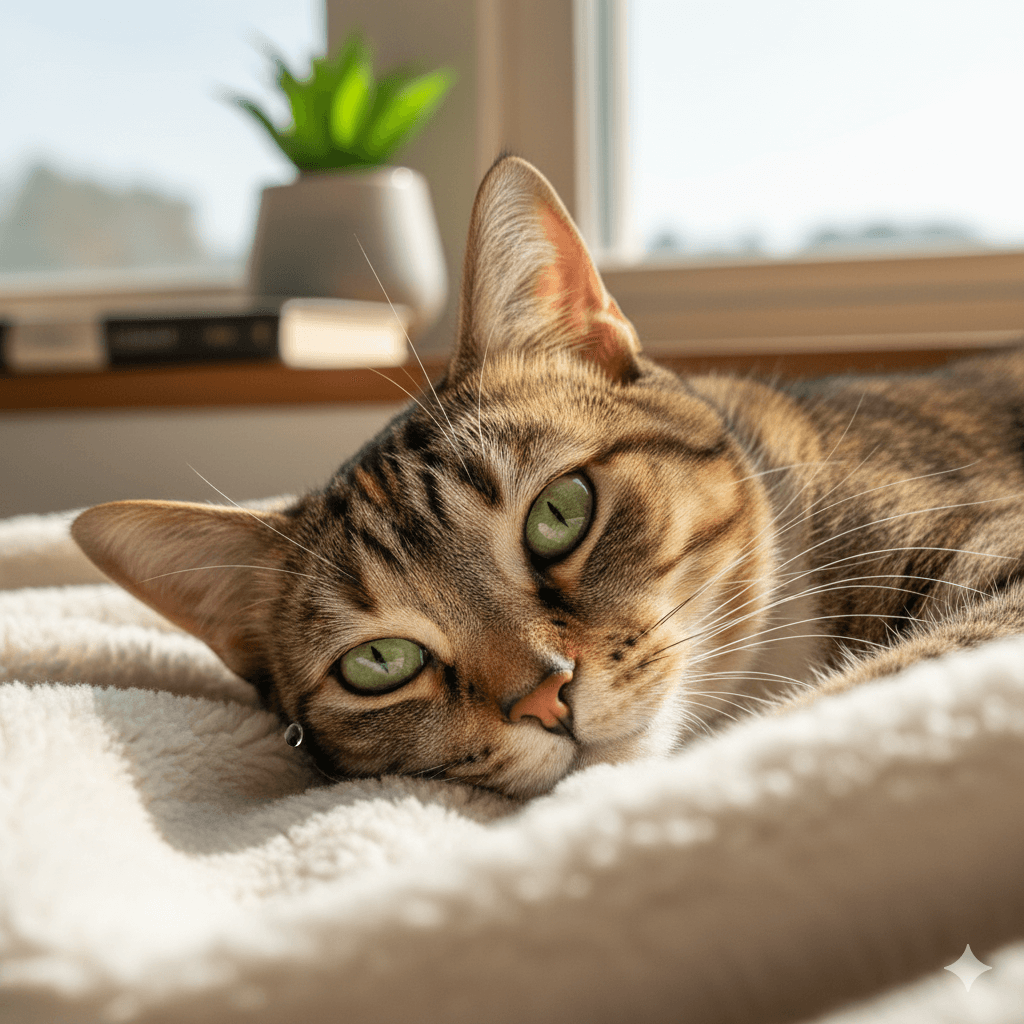

Normal Tear Production in Cats: Best 7 Expert Tips!

Normal Tear Production in Cats: Best 7 Expert Tips!

Understanding Normal Tear Production in Cats

Tears are essential for your cat’s eye health—keeping the surface moist, washing away debris, and protecting against infection. Normal tear production is a quiet, continuous process you rarely notice… until something changes. While a little eye moisture is typical, excessive or absent tearing can signal underlying issues. Knowing what healthy tear flow looks like helps you catch problems early and keep your feline’s vision clear and comfortable.

What Healthy Tear Production Looks Like in Cats

In a healthy cat, tear production is steady, balanced, and virtually invisible. The eyes should appear bright, clear, and moist—without crust, redness, or overflow. Understanding the baseline helps you distinguish normal from abnormal:

 
  • Consistent Moisture:
    A thin, invisible layer of tears coats the cornea at all times, maintaining clarity and comfort without dripping.
     
  • No Visible Discharge:
    Healthy eyes may have a tiny amount of clear fluid at the inner corner, but no staining, crusting, or colored discharge.
     
  • Symmetrical Flow:
    Both eyes produce similar amounts of tears—any imbalance may indicate irritation or blockage on one side.
     
  • Quiet Blinking:
    Cats blink smoothly and infrequently; frequent blinking or squinting suggests discomfort from dryness or excess tearing.
     
  • Clean Fur Around Eyes:
    The fur beneath the eyes stays dry and unstained—rust-colored tear tracks (porphyrin staining) are not normal in most cats.
 

When tear production is balanced, your cat’s eyes remain bright, pain-free, and resilient to everyday irritants.

Normal Tear Production in Cats: Best 7 Expert Tips!

Signs That Tear Production Is Abnormal

Even subtle changes in your cat’s eyes can signal trouble. Whether tears are too little or too much, the body is sending a message that deserves attention:

 
  • Excessive Tearing (Epiphora):
    Watery eyes that leave damp fur or brown stains may indicate allergies, blocked ducts, or corneal irritation.
     
  • Dry, Dull Eyes:
    A glassy or matte appearance, especially with redness, suggests inadequate tear production—possibly due to feline herpes or autoimmune disease.
     
  • Cloudy or Hazy Cornea:
    Reduced tear film can lead to surface damage, making the eye look foggy or uneven in light.
     
  • Frequent Pawing or Rubbing:
    Cats with dry or irritated eyes often rub their faces on furniture or scratch with their paws.
     
  • Squinting or Light Sensitivity:
    Keeping one or both eyes partially closed indoors may signal pain from inadequate lubrication or inflammation.
 

If you notice any of these signs, a vet visit is warranted—eye conditions can worsen quickly without care.

Healthy Tear Indicators
Warning Signs of Dysfunction
Clear, bright eyes
Watery overflow or damp fur
No eye staining
Rust-colored tear tracks
Smooth blinking
Frequent squinting or blinking
Symmetrical moisture
One eye wetter than the other
Clean eye area
Crust, mucus, or discharge

Common Causes of Disrupted Tear Production

Tear imbalance in cats rarely happens without a reason. Underlying triggers range from infections to anatomical quirks—especially in certain breeds:

 
  • Feline Herpesvirus (FHV-1):
    A leading cause of both conjunctivitis and dry eye, often reactivating during stress or illness.
     
  • Blocked Nasolacrimal Ducts:
    Tears drain through tiny ducts into the nose—if clogged (by inflammation or debris), they spill onto the face.
     
  • Breed-Related Anatomy:
    Flat-faced breeds like Persians or Himalayans often have shallow eye sockets and poor duct drainage, leading to chronic tearing.
     
  • Environmental Irritants:
    Smoke, dust, cleaning sprays, or dry air from heating systems can irritate eyes and alter tear response.
     
  • Autoimmune Conditions:
    Rarely, diseases like feline dry eye (keratoconjunctivitis sicca) attack tear glands, drastically reducing moisture.
 

Identifying the root cause is essential—treatment differs completely for allergies versus viral infection versus duct blockage.

How to Support Healthy Tear Function at Home

While medical issues need professional care, you can nurture your cat’s eye health daily with simple, gentle habits:

 
  • Wipe Eyes Gently:
    Use a soft, damp cloth or veterinary-approved eye wipe to remove any discharge—never reuse the same area of cloth on both eyes.
     
  • Maintain Humidity:
    In dry climates or winter months, a humidifier can prevent tear film evaporation and reduce irritation.
     
  • Avoid Harsh Cleaners:
    Steer clear of strong chemicals near your cat’s space—opt for pet-safe, fragrance-free household products.
     
  • Provide Balanced Nutrition:
    Omega-3 fatty acids (from fish oil or vet-formulated supplements) support mucous membrane and tear gland health.
     
  • Reduce Stress Triggers:
    Since stress reactivates herpesvirus, predictable routines and safe spaces help maintain immune balance and eye health.
 

These small steps create a supportive environment where normal tear production can thrive.

When to See a Veterinarian About Eye Moisture

Not every teary eye is an emergency—but some situations demand prompt evaluation to protect your cat’s vision:

 
  • Sudden Dry Eye or Cloudiness:
    Rapid onset of dullness or squinting could indicate corneal ulceration or acute dry eye—both urgent.
     
  • Colored Discharge:
    Yellow, green, or thick mucus often signals bacterial infection requiring antibiotics.
     
  • Persistent Staining in Short-Nosed Breeds:
    While common, chronic tearing can lead to skin infections—vets can flush ducts or recommend management strategies.
     
  • Swelling or Third Eyelid Protrusion:
    These signs suggest significant inflammation or pain that needs medical intervention.
     
  • Changes After Medication or Illness:
    Some drugs or systemic diseases (like diabetes) affect tear production—report new eye symptoms to your vet immediately.
 

Early intervention often prevents complications like scarring, ulcers, or vision loss.

Special Considerations for Flat-Faced and Senior Cats

Certain cats are predisposed to tear issues due to anatomy or age—requiring extra vigilance and tailored care:

 
  • Brachycephalic Breeds (Persians, Exotics, etc.):
    Their compressed facial structure often prevents proper tear drainage, leading to lifelong epiphora that needs daily cleaning.
     
  • Senior Cats:
    Aging can reduce gland function or increase susceptibility to herpes flare-ups—regular eye checks become even more important.
     
  • Cats with Chronic Herpes:
    These individuals may need lifelong lysine or antiviral support to maintain tear health during stress periods.
     
  • Outdoor or Multi-Cat Household Cats:
    Higher exposure to viruses and irritants means their eyes need closer monitoring than indoor-only companions.
     
  • Light-Colored Cats:
    Tear staining shows more visibly on white or cream fur, but the underlying cause—not just the stain—should be addressed.
 

Proactive care for these groups prevents minor issues from becoming chronic problems.

What to Expect During a Feline Eye Exam

If tear issues persist, your vet may perform a thorough ophthalmic evaluation to pinpoint the cause:

 
  • Schirmer Tear Test:
    A small strip measures tear volume in 60 seconds—normal cats produce 12–28 mm of wetting per minute.
     
  • Fluorescein Stain Check:
    Orange dye reveals corneal scratches or ulcers that could be driving excess tearing or pain.
     
  • Duct Flushing:
    If blockage is suspected, the vet may gently flush saline through the tear ducts to check for patency.
     
  • Intraocular Pressure Measurement:
    Rules out glaucoma, which can secondarily affect tear production and eye comfort.
     
  • Viral Testing (if indicated):
    PCR swabs can confirm herpesvirus or other infections contributing to chronic conjunctivitis.
 

This detailed approach ensures accurate diagnosis and the most effective treatment plan for your cat’s unique needs.


Frequently Asked Questions About Normal Tear Production in Cats

Is it normal for my cat to have a little wetness under one eye?

A tiny amount of clear moisture can be normal, but persistent dampness, staining, or asymmetry warrants a vet check.

No—breed, age, health status, and environment all influence tear volume and drainage efficiency.

Never—many contain ingredients toxic to cats. Only use ophthalmic products prescribed by your veterinarian.

Tears contain porphyrins (iron-containing molecules) that oxidize and stain light fur—often due to overflow from blocked ducts or irritation.

Only as needed—healthy eyes self-clean. Over-wiping can cause irritation. Clean gently once daily if staining or discharge is present.

Keeping Your Cat’s Eyes Bright and Comfortable

Your cat’s eyes are windows not just to the world, but to their overall health. Normal tear production works silently in the background—lubricating, protecting, and preserving vision without fanfare. By learning what healthy looks like, you become your cat’s first line of defense against discomfort and disease. Whether you’re gently wiping away a stray tear or noticing a subtle change in brightness, your attention makes all the difference. With love, awareness, and timely care, you can help ensure those luminous eyes stay clear, comfortable, and full of life for years to come.

Understanding Cryptosporidium in Cats: Best 7 Expert Tips!

Understanding Cryptosporidium in Cats: Best 7 Expert Tips! – Spot symptoms, treat safely, and stop parasite spread in your home.

Understanding Cryptosporidium in Dogs: Best 7 Expert Tips!

Understanding Cryptosporidium in Dogs: Best 7 Expert Tips! – Learn symptoms, treatment & prevention for this stubborn gut parasite.

Understanding Syringomyelia in Cats: Best 7 Expert Tips!

Understanding Syringomyelia in Cats: Best 7 Expert Tips! – Recognize signs, manage pain, and support your cat’s neurological health with vet-backed guidance.

Understanding Syringomyelia in Dogs: Best 7 Expert Tips!

Understanding Syringomyelia in Dogs: Best 7 Expert Tips! – Expert insights on symptoms, MRI diagnosis, pain management & quality of life.

Leave a Reply

Your email address will not be published. Required fields are marked *


