
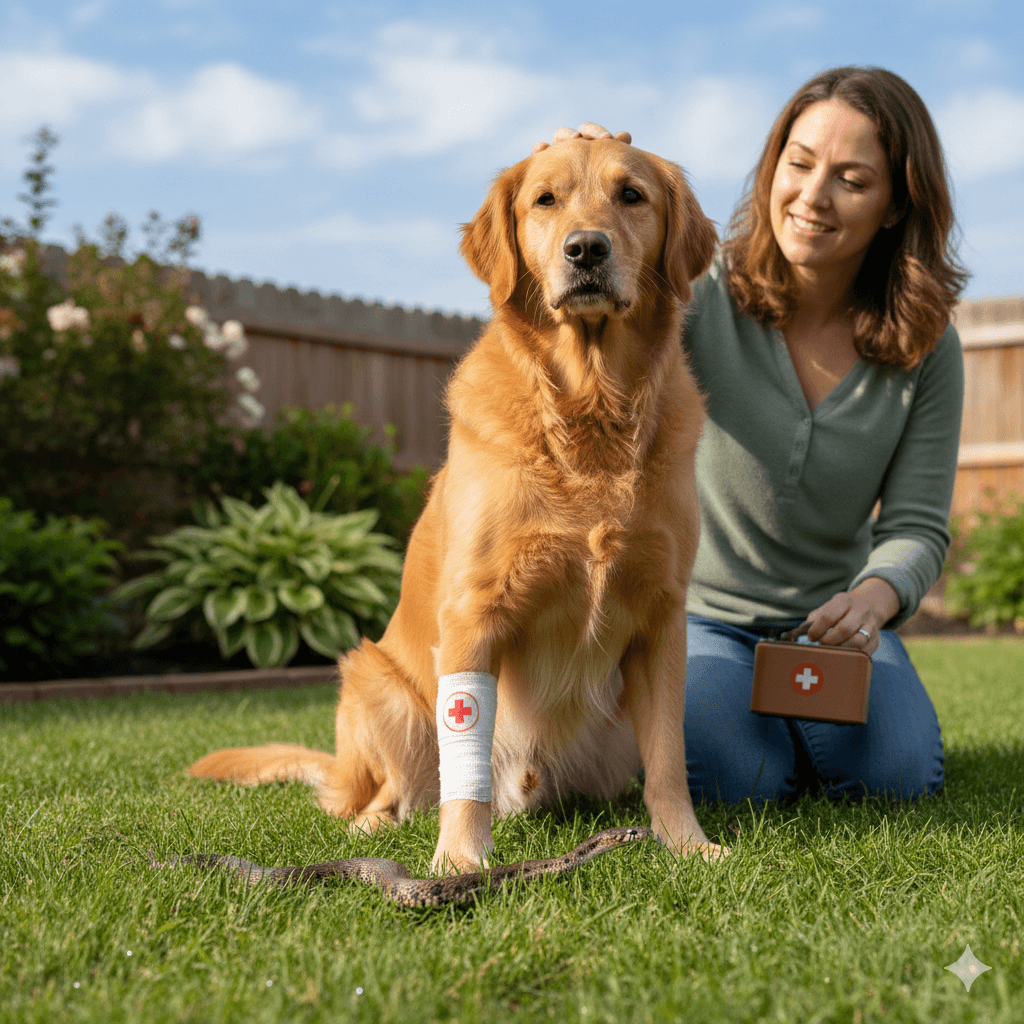

Understanding Non-Venomous Snake Bite on Dog Leg
If your dog comes home with puncture marks on their leg after chasing something through the brush, it could be a bite from a non-venomous snake. While far less dangerous than venomous encounters, these bites still require attention to prevent infection or complications. Most dogs recover quickly with basic first aid, but knowing what to look for—and how to respond—can make all the difference. Unlike venomous strikes, non-venomous bites typically cause minor trauma without systemic effects. Still, every bite should be evaluated calmly and carefully to ensure your dog’s safety and comfort.
How to Identify a Non-Venomous Snake Bite
Not all snake bites are emergencies, but distinguishing them starts with recognizing telltale signs. Non-venomous snakes usually leave small, symmetrical puncture wounds without significant swelling or discoloration. Your dog may yelp at the moment of the bite but quickly return to normal behavior. Here’s what to watch for in the first few minutes and hours:
- Small, Paired Puncture Marks:
Unlike the single or double deep fang marks of venomous snakes, non-venomous bites often show multiple tiny, shallow marks in a U- or horseshoe-shaped pattern. - Mild Localized Swelling:
Slight puffiness around the bite site may occur but rarely spreads beyond the immediate area. - Minimal Pain or Limping:
Your dog might lick the spot or show brief discomfort but usually resumes walking and playing without major difficulty. - No Rapid Onset of Systemic Symptoms:
Watch for normal breathing, alertness, and appetite—signs that no venom has been introduced into the system. - Visible Teeth Scratches or Scrapes:
Non-venomous snakes chew to grip, so you may see small abrasions or scratches surrounding the punctures.
While these signs suggest a low-risk encounter, always clean the wound and monitor closely—secondary infection remains a real concern.
Common Non-Venomous Snakes That May Bite Dogs
Across North America and many other regions, several harmless snake species are frequently encountered in yards, trails, or rural areas. These snakes pose no toxic threat but may bite defensively if stepped on or cornered by a curious dog:
- Garter Snakes:
Extremely common in gardens and grassy areas; small teeth rarely break skin deeply but can cause minor irritation. - Rat Snakes:
Excellent climbers often found in barns or trees; they may bite if threatened but lack venom glands entirely. - King Snakes:
Known for eating other snakes (including venomous ones); generally docile but will strike if handled or chased by a dog. - Corn Snakes:
Popular as pets and often found in wooded or agricultural zones; bites are rare and superficial. - Milk Snakes:
Frequently mistaken for coral snakes due to coloring; completely harmless and typically flee before biting.
Recognizing these species in your area helps reduce panic—and reminds you that most snake encounters end without serious harm.
Check this guide 👉What Does a Snake Bite Look Like on a Dog: Best 7 Tips!
Check this guide 👉Are Garter Snakes Poisonous to Dogs? Best 7 Expert Tips!
Check this guide 👉Necrosis from Snake Bite on Dog: Best 7 Expert Tips!
Bite Characteristics | Behavioral Clues in Your Dog |
|---|---|
Two to four small, shallow punctures | Brief yelp or startle at time of bite |
Minor redness or warmth at site | Returns to normal activity within minutes |
No spreading bruising or necrosis | Continues eating and drinking normally |
Possible light oozing of clear fluid | May lick the area but not obsessively |
No foul odor or pus (initially) | No signs of fever, tremors, or collapse |
Immediate First Aid Steps for a Snake Bite on the Leg
Even non-venomous bites can introduce bacteria into the wound, so prompt, gentle care is essential. Avoid outdated myths like cutting the wound or applying ice directly—instead, follow these vet-approved actions:
- Stay Calm and Restrain Your Dog:
Keep your dog still to prevent increased blood flow to the area and reduce the chance of aggravating the wound. - Inspect the Bite Gently:
Part the fur carefully to assess the number of punctures, swelling, and any debris without pressing hard on the skin. - Clean with Mild Antiseptic:
Use diluted chlorhexidine or saline solution to rinse the area; avoid hydrogen peroxide or alcohol, which can damage tissue. - Apply a Light Bandage (If Needed):
If the leg is bleeding slightly or your dog keeps licking, use a non-stick pad and soft gauze—but never wrap tightly. - Prevent Licking with an E-Collar:
Even minor wounds can become infected if saliva introduces bacteria; a cone or soft collar helps the area heal cleanly.
Proper first aid minimizes infection risk and gives you time to decide if a vet visit is necessary—especially if your dog is unvaccinated or immunocompromised.
When to Call the Veterinarian
While most non-venomous bites heal at home, certain scenarios warrant professional evaluation. Your vet can confirm the bite type, clean more thoroughly, and prescribe antibiotics if needed:
- Signs of Infection Within 24–48 Hours:
Increasing redness, heat, pus, or foul smell around the wound indicates bacterial infection requiring treatment. - Your Dog Is Unvaccinated or Immune-Compromised:
Dogs with underlying illnesses or on immunosuppressants are at higher risk for complications. - Bite Near a Joint or Tendon:
Leg bites close to the paw, hock, or knee may affect mobility if swelling occurs; early care prevents long-term issues. - Uncertainty About Snake Type:
If you didn’t see the snake or live in an area with both venomous and non-venomous species, a vet check provides peace of mind. - Persistent Limping or Whining:
Ongoing pain beyond the first few hours could signal deeper tissue trauma or developing cellulitis.
When in doubt, a quick telehealth consult or clinic visit is always safer than waiting—your dog can’t tell you how they’re feeling.
Preventing Future Snake Encounters
Reducing your dog’s risk starts with environmental awareness and training. Most non-venomous snakes bite only as a last resort when escape isn’t possible—so prevention focuses on avoidance:
- Keep Your Yard Tidy:
Remove leaf piles, tall grass, and wood stacks where snakes seek shelter—especially near dog runs or play areas. - Use a Leash on Hikes:
Keeping your dog close on trails prevents them from investigating holes, rocks, or brush where snakes hide. - Train a Reliable “Leave-It” Command:
This cue can stop your dog mid-chase before they get too close to a defensive snake. - Install Motion-Activated Sprinklers:
Snakes avoid sudden water bursts, making these a humane deterrent for yards in snake-prone regions. - Schedule Regular Pest Control:
Rodents attract snakes; reducing mice and rats around your home indirectly lowers snake visits.
Prevention isn’t about fear—it’s about creating a safer space where curiosity doesn’t lead to injury.
Special Considerations for Puppies and Small Breeds
Tiny legs, delicate skin, and developing immune systems make puppies and small dogs more vulnerable—even to non-venomous bites. Their size means a minor wound can look proportionally larger and heal slower:
- Higher Risk of Infection:
Less skin mass and thinner fur offer less natural barrier against bacteria introduced during the bite. - Tendency to Lick Excessively:
Small breeds often obsess over wounds, increasing irritation and delaying healing. - Harder to Assess Bite Depth:
On a Chihuahua or Yorkie leg, even shallow punctures may appear deep due to minimal muscle padding. - Greater Stress Response:
The shock of a sudden bite can cause more pronounced anxiety or trembling in younger or smaller dogs. - Need for Gentle Handling:
Bandaging a tiny leg requires extra care to avoid restricting circulation or causing discomfort.
For these dogs, err on the side of caution—even if the snake was clearly harmless, a vet evaluation ensures nothing is missed.
What to Expect During a Veterinary Assessment
If you bring your dog in after a suspected snake bite, the vet will focus on ruling out venom exposure and managing wound care. The process is usually quick but thorough:
- Physical Examination of the Wound:
The vet will measure swelling, check for embedded teeth fragments, and assess circulation in the affected leg. - Snake Identification Support:
If you took a photo (safely!) or described the snake, the vet can cross-reference local species to confirm non-venomous status. - Wound Cleaning Under Sedation (If Needed):
Nervous or painful dogs may receive light sedation for a deeper, safer cleaning to prevent abscess formation. - Antibiotic or Pain Medication:
Oral antibiotics are common for leg bites due to high bacterial exposure; mild pain relief may be given if your dog seems sore. - Follow-Up Instructions:
You’ll get clear guidance on bandage changes, activity restriction, and signs that mean “call us immediately.”
Most dogs go home the same day with a simple care plan—and full recovery within 3–7 days.
“For example, treatment for a bite on the paw by a nonvenomous snake might only require cleaning the wound and giving antibiotics and pain medications.”
— Sandra Mitchell, DVM, DABVP
Frequently Asked Questions About Non-Venomous Snake Bites on Dogs
Can a non-venomous snake bite cause an allergic reaction in dogs?
Yes, though rare—some dogs may react to proteins in snake saliva, causing localized hives or swelling beyond the bite site.
Should I give my dog Benadryl after a snake bite?
Only if your vet approves; while antihistamines can help with mild reactions, they’re not a substitute for wound care.
How long does it take for a non-venomous snake bite to heal?
Most superficial bites heal in 3–5 days with proper cleaning; deeper punctures may take up to 10 days.
Are certain dog breeds more likely to get bitten?
Curious, high-prey-drive breeds like Terriers, Hounds, and Spaniels are more prone to investigating snakes and getting bitten.
Do non-venomous snakes ever “dry bite” like venomous ones?
No—non-venomous snakes don’t have venom to inject, so every bite is essentially a “dry” mechanical injury.
Caring for Your Dog After a Scary Encounter
A snake bite—even harmless—can be unsettling for both you and your dog. But with calm action and careful monitoring, your pup will likely bounce back faster than you expect. Use this moment not just to treat a wound, but to deepen your awareness of your dog’s environment and instincts. Keep your yard safe, reinforce recall training, and remember: most snakes would rather flee than fight. By responding with knowledge over panic, you turn a jarring moment into a lesson in resilience. And as your dog naps peacefully by your feet again, you’ll feel the quiet pride of a guardian who handled it just right.
Is Rawhide Bad for Cats? Best 7 Expert Tips! – Discover the risks, safe alternatives, and expert advice to keep your feline friend healthy and happy.

Is Rawhide Bad for Dogs? Best 7 Expert Tips! – Discover the risks, benefits, and safer alternatives to rawhides for your dog’s chewing needs.

Understanding Anorexia in Cats: Best 7 Expert Tips! – Learn why cats stop eating, spot warning signs, and discover how to help your feline regain appetite safely.

Understanding Anorexia in Dogs: Best 7 Expert Tips! – Learn causes, symptoms, and solutions to help your dog regain appetite and stay healthy.