
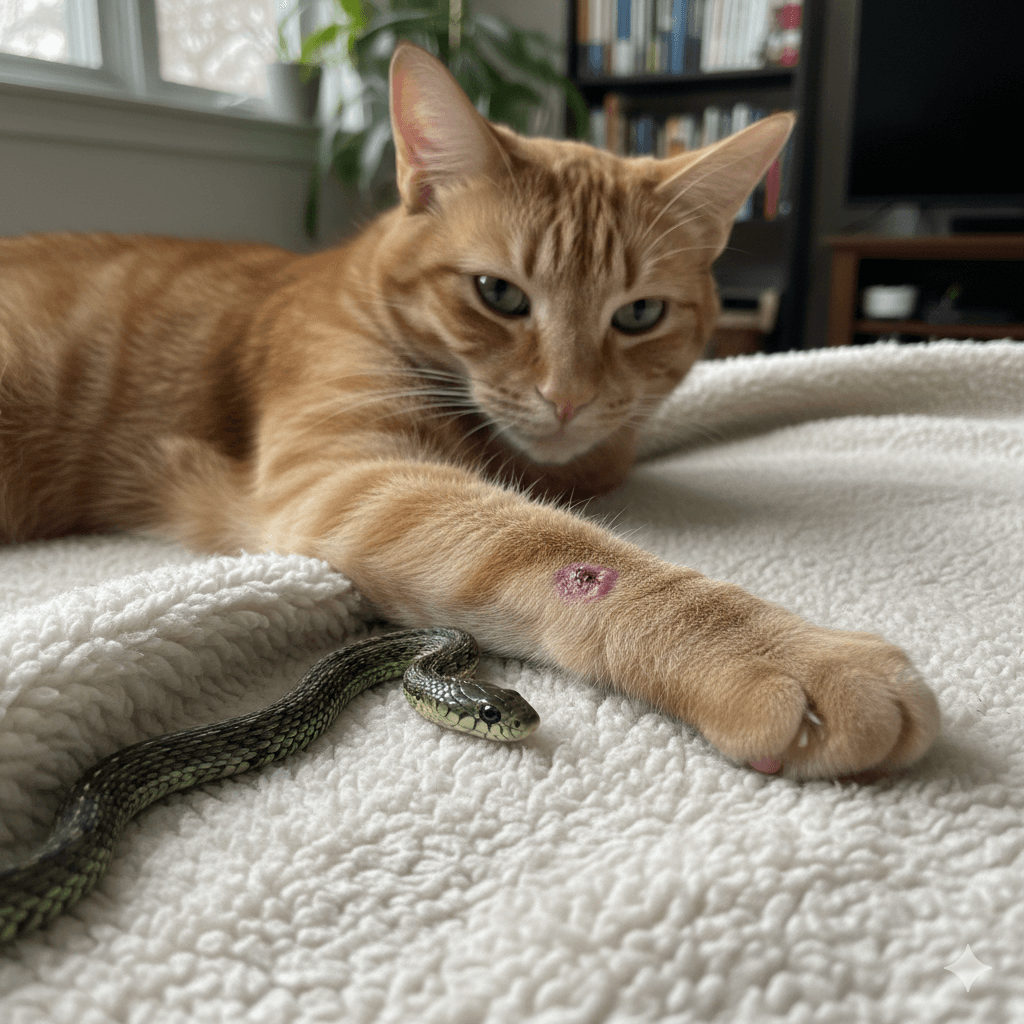

Non Venomous Snake Bite on Cat Leg: Best 7 Expert Tips!

Non Venomous Snake Bite on Cat Leg: Best 7 Expert Tips!

Understanding Non Venomous Snake Bite on Cat Leg

A non-venomous snake bite on your cat’s leg can be alarming—but it’s usually more startling than dangerous. While these snakes lack toxic venom, their bites can still cause minor injury, infection, or stress. Most cats recover quickly with basic first aid and observation. However, distinguishing between harmless and hazardous bites isn’t always obvious to pet owners. Knowing what to look for and how to respond ensures your feline stays safe without unnecessary panic.

Common Signs of a Non-Venomous Snake Bite

Even without venom, a snake bite can leave visible marks and temporary discomfort. Non-venomous snakes typically have rows of small teeth rather than fangs, leading to different wound patterns than venomous species. Watch for these typical indicators if you suspect your cat encountered a snake:

 
  • Small Puncture Wounds or Scratches:
    You may notice paired or scattered tiny wounds, often on the face, legs, or paws where your cat swatted or grabbed the snake.
     
  • Mild Swelling or Redness:
    Localized inflammation around the bite site is common as the body reacts to minor trauma or bacteria from the snake’s mouth.
     
  • Brief Limping or Licking the Area:
    Your cat might favor the affected leg or groom it more than usual due to tenderness or irritation.
     
  • Temporary Agitation or Hissing:
    The surprise of an encounter may leave your cat on edge for a few minutes, especially if the bite was unexpected.
     
  • No Systemic Symptoms:
    Unlike venomous bites, you won’t see drooling, breathing trouble, collapse, or widespread weakness with non-venomous bites.
 

While these signs are usually mild and short-lived, always monitor your cat closely for the next 24 hours to rule out complications.

Non Venomous Snake Bite on Cat Leg: Best 7 Expert Tips!

When to Seek Veterinary Care

Even “harmless” bites carry risks like infection or allergic reactions. Some symptoms mimic more serious conditions, so knowing when to call your vet is essential for your cat’s safety and peace of mind:

 
  • Increasing Swelling or Heat:
    If the bite area grows larger, feels warm, or becomes firm, it may signal a developing infection.
     
  • Pus or Oozing Discharge:
    Any yellow, green, or foul-smelling fluid indicates bacterial contamination requiring treatment.
     
  • Fever or Lethargy Beyond 12 Hours:
    A cat that remains unusually tired, hides, or refuses food may be fighting a secondary issue.
     
  • Bite Near Joints or Tendons:
    Leg bites close to the paw, knee, or elbow can affect mobility and need professional assessment.
     
  • Uncertainty About Snake Type:
    If you didn’t see the snake clearly, never assume it was non-venomous—always consult your vet for safety.
 

When in doubt, a quick vet check is far better than risking delayed care for a misunderstood injury.

Typical Reaction to Non-Venomous Bite
Warning Signs Needing Immediate Vet Care
1–2 small puncture marks
Deep, bleeding, or jagged wounds
Mild redness for <24 hours
Swelling that spreads up the leg
Brief limping
Inability to bear weight on the leg
Normal appetite and behavior
Vomiting, tremors, or disorientation
Quick return to usual activity
Lethargy lasting more than one day

First Aid Steps to Take at Home

If you’re certain the snake was non-venomous or your vet has confirmed it’s safe to manage at home, gentle first aid can support healing and comfort:

 
  • Gently Clean the Area:
    Rinse the bite with lukewarm water and mild pet-safe soap to remove debris and reduce infection risk.
     
  • Apply a Cold Compress:
    Use a cloth-wrapped ice pack for 5–10 minutes to ease swelling and discomfort—never apply ice directly to skin.
     
  • Prevent Excessive Licking:
    Use an Elizabethan collar (cone) if your cat obsessively grooms the site, which can introduce bacteria or delay healing.
     
  • Keep Your Cat Indoors and Calm:
    Rest helps the immune system respond effectively; avoid play or jumping for 24–48 hours.
     
  • Monitor Hourly for the First 12 Hours:
    Note any changes in breathing, behavior, or wound appearance to report to your vet if needed.
 

These simple steps often prevent minor bites from becoming bigger problems—just remember they’re only appropriate after ruling out venomous exposure.

Common Non-Venomous Snakes That May Encounter Cats

Not all snakes pose a threat, and many actually help control pests like mice or insects. These frequently encountered non-venomous species are often mistaken for dangerous ones:

 
  • Garter Snakes:
    Common in gardens and yards across North America, they’re harmless and usually flee rather than bite.
     
  • Corn Snakes:
    Often found in rural or wooded areas, they’re docile and rarely bite unless cornered or handled.
     
  • King Snakes:
    Known for eating other snakes (even venomous ones), they’re generally shy and non-aggressive toward cats.
     
  • Rat Snakes:
    Excellent climbers, they may enter sheds or trees—your cat might swat at them out of curiosity.
     
  • Milk Snakes:
    Colorful and often confused with coral snakes, they’re non-venomous and pose little risk beyond a surprise nip.
 

Understanding local wildlife helps reduce fear and promotes coexistence—most snakes prefer to avoid pets entirely.

Preventing Future Snake Encounters

While you can’t eliminate all outdoor risks, smart habits significantly lower the chance of your cat tangling with snakes—even harmless ones:

 
  • Keep Grass and Shrubs Trimmed:
    Snakes seek cover in tall vegetation; a tidy yard offers fewer hiding spots near your home.
     
  • Seal Entry Points to Sheds or Basements:
    Close gaps under doors, vents, or decks where snakes might nest or cool off.
     
  • Supervise Outdoor Time:
    Use a catio or leash-walks during dawn/dusk—peak snake activity hours in warm months.
     
  • Remove Rodent Attractants:
    Store pet food indoors, secure trash bins, and address mouse infestations to reduce snake prey.
     
  • Install Motion-Activated Sprinklers:
    These can startle snakes (and other wildlife) away from your yard without harming them.
 

Prevention isn’t about fear—it’s about creating a safer environment where your cat can explore with minimal risk.


Special Considerations for Outdoor and Senior Cats

Cats with frequent outdoor access or those in older age face unique vulnerabilities after any bite—even from non-venomous snakes:

 
  • Outdoor Cats:
    They’re more likely to provoke or chase snakes; regular wellness checks help catch unnoticed injuries early.
     
  • Senior Cats:
    Weaker immune systems mean even small wounds can become infected faster—monitor them extra closely.
     
  • Kittens:
    Their curiosity and small size make them prone to overestimating their hunting skills around snakes.
     
  • Cats with Chronic Illness:
    Conditions like diabetes or kidney disease slow healing, increasing complication risks from minor trauma.
     
  • Declawed Cats:
    Without claws for defense or balance, they may panic during encounters, leading to deeper bites or falls.
 

Tailor your response based on your cat’s lifestyle and health—what’s minor for one may be serious for another.

What to Expect During a Veterinary Visit

If you seek professional care, your vet will focus on wound assessment, infection prevention, and peace of mind—even if venom isn’t involved:

 
  • Physical Examination of the Bite Site:
    The vet will check depth, contamination, and proximity to nerves or blood vessels in the leg.
     
  • Tetanus and Rabies Status Review:
    While rare, snake mouths can carry bacteria; your vet may update vaccines if due.
     
  • Cleaning and Possible Antibiotics:
    Deep bites may be flushed under sedation, and oral antibiotics could be prescribed preventively.
     
  • Pain Management if Needed:
    Mild anti-inflammatories may be given if swelling causes discomfort, especially in small or older cats.
     
  • Clear Home Care Instructions:
    You’ll receive guidance on wound checks, activity limits, and signs that mean “call us back immediately.”
 

A vet visit ensures minor incidents stay minor—and gives you confidence in your cat’s recovery.


“A bite from a non-venomous snake may still cause pain or become infected. It’s prudent to seek veterinary care regardless of the type of snake that has bitten your pet, but non-venomous bites are not life threatening.”
Patton Veterinary Hospital

Frequently Asked Questions About Non Venomous Snake Bite on Cat Leg

Can a non-venomous snake bite make my cat sick?

While not poisoned, your cat can develop local infection, pain, or stress-related symptoms that require care.

Most minor bites improve within 1–3 days, with full healing in 5–7 days if kept clean and monitored.

Only if venom exposure is uncertain—but your vet may recommend blood work if systemic signs appear.


No—this can worsen tissue damage. Gentle cleaning with water is the only safe home step.

Yes, once fully healed—but consider supervised outings or a catio to reduce repeat encounters.


Supporting Your Cat’s Recovery and Confidence

A snake bite—even harmless—can leave your cat feeling shaken. Your calm presence, gentle care, and a quiet space to rest do more than treat the wound; they rebuild trust and security. Most cats return to their curious, confident selves within days, especially when handled with patience and understanding. Use this moment to reflect on your yard’s wildlife dynamics and your cat’s outdoor habits. With thoughtful prevention and quick, informed responses, you turn a scary surprise into a manageable hiccup in your shared journey. After all, your cat’s safety isn’t just about avoiding danger—it’s about fostering resilience, one quiet purr at a time.

Is Rawhide Bad for Cats? Best 7 Expert Tips!

Is Rawhide Bad for Cats? Best 7 Expert Tips! – Discover the risks, safe alternatives, and expert advice to keep your feline friend healthy and happy.

Is Rawhide Bad for Dogs? Best 7 Expert Tips!

Is Rawhide Bad for Dogs? Best 7 Expert Tips! – Discover the risks, benefits, and safer alternatives to rawhides for your dog’s chewing needs.

Understanding Anorexia in Cats: Best 7 Expert Tips!

Understanding Anorexia in Cats: Best 7 Expert Tips! – Learn why cats stop eating, spot warning signs, and discover how to help your feline regain appetite safely.

Understanding Anorexia in Dogs: Best 7 Expert Tips!

Understanding Anorexia in Dogs: Best 7 Expert Tips! – Learn causes, symptoms, and solutions to help your dog regain appetite and stay healthy.

Leave a Reply

Your email address will not be published. Required fields are marked *