
Understanding Noise Phobia in Dogs: A Common but Manageable Challenge
Understanding Noise Phobia in Dogs: A Common but Manageable Challenge
- Definition and Scope of Noise Phobia:
Noise phobia is an exaggerated fear response to specific sounds, often triggered by unpredictable or intense auditory stimuli. It affects up to 40% of dogs, with some breeds being more predisposed than others due to genetic factors. - Common Triggers for Noise Phobia:
Thunderstorms are a frequent trigger, as the combination of lightning, thunder, and barometric pressure changes overwhelms sensitive dogs. Fireworks, gunshots, vacuum cleaners, and even household appliances like blenders can also provoke panic attacks in noise-sensitive dogs. - Behavioral Symptoms of Noise Phobia:
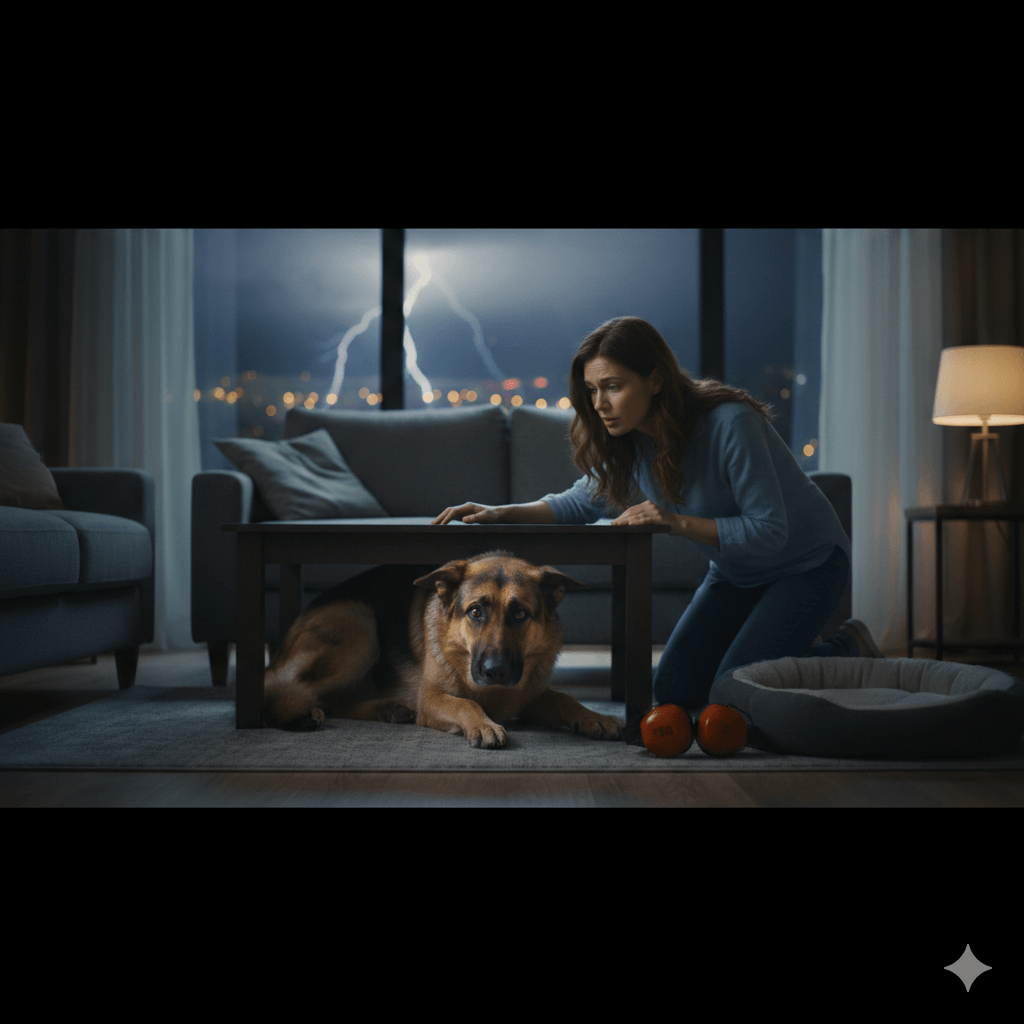
Dogs may exhibit excessive panting, drooling, pacing, or attempting to escape confinement during noise events. Some dogs become clingy with their owners, while others isolate themselves in small, enclosed spaces like closets or under furniture. - Physical Manifestations of Fear:
The stress response in dogs with noise phobia can lead to increased heart rate, dilated pupils, and muscle tension. Prolonged exposure to these physiological states weakens the immune system and increases the risk of chronic health issues. - Impact on Family Dynamics:
Noise phobia doesn’t just affect the dog—it disrupts household routines, damages property through destructive behavior, and creates emotional strain for pet owners who feel helpless in comforting their pets.
Origins and Development of Noise Phobia in Dogs
- Genetic Predisposition to Fear:
Certain breeds, such as herding dogs (e.g., Border Collies, Australian Shepherds), are genetically prone to heightened sensitivity to sound due to their alertness and working heritage. This predisposition makes them more susceptible to developing noise phobia over time. - Early Life Experiences Matter:
Puppies exposed to loud noises without positive reinforcement may associate those sounds with fear later in life. Conversely, early desensitization through controlled exposure can reduce the likelihood of noise-related anxiety. - Trauma as a Trigger:
A single traumatic event—such as being caught outside during a severe storm or hearing unexpected fireworks—can imprint lasting fear in a dog’s mind. Trauma-based phobias are particularly difficult to manage without professional intervention. - Role of Owner Behavior:
How owners react during noise events influences their dog’s response. Coddling or overly comforting a fearful dog reinforces anxious behavior, while calm reassurance teaches resilience. - Progression Over Time:
Untreated noise phobia tends to worsen with age, as repeated exposure to triggers amplifies the fear response. Early recognition and intervention are crucial to preventing escalation.
Check this guide 👉Dog Making Noises in Sleep: Best 7 Expert Tips!
Check this guide 👉Dog Ear Infection vs Yeast Infection: Best 7 Expert Tips!
Check this guide 👉Dog Ear Leaking Clear Fluid: Best 7 Expert Tips!
Symptoms of Noise Phobia | Management Strategies |
|---|---|
Trembling or shaking during loud noises | Provide a safe, enclosed space like a crate or quiet room |
Excessive panting or drooling | Use calming aids such as Thundershirts or pheromone diffusers |
Attempting to escape or hide | Secure doors, windows, and hazardous areas to prevent injury |
Vocalizing (barking, whining, howling) | Distract with toys, treats, or engaging activities during noise events |
Clingy or overly dependent behavior | Stay calm and reassuring without reinforcing fearful actions |
Symptoms and Signs of Noise Phobia in Dogs
- Behavioral Changes During Noise Events:
Dogs may suddenly become restless, pacing back and forth or circling in an attempt to find safety. Others freeze in place, refusing to move until the noise subsides. - Escape Attempts and Destructive Behavior:
Some dogs try to flee their homes or enclosures, leading to broken windows, damaged doors, or injured paws from digging or chewing. These behaviors highlight the intensity of their panic. - Vocalizations as a Sign of Distress:
Whining, barking, or howling are common vocal responses to noise phobia. These sounds serve as pleas for help or expressions of frustration and fear. - Hiding and Seeking Shelter:
Many dogs retreat to confined spaces like bathrooms, closets, or under beds, seeking solace in areas they perceive as safe. This instinctual behavior reflects their need for security. - Physiological Indicators of Stress:
Excessive drooling, trembling, rapid breathing, and elevated heart rates are clear signs of acute stress caused by noise phobia. These physical reactions mirror human panic attacks.
Causes Behind Noise Phobia in Dogs
- Genetic Factors Influencing Sensitivity:
Breeds bred for high alertness, such as herding or guarding dogs, often inherit heightened auditory sensitivity. This trait, beneficial in working roles, becomes problematic in domestic settings. - Lack of Early Socialization:
Puppies not exposed to various sounds during critical developmental periods (3–14 weeks) fail to develop tolerance for loud noises. Proper socialization builds confidence and reduces fearfulness. - Negative Reinforcement Patterns:
When dogs receive attention—whether positive or negative—during noise events, they learn to associate fear with reward. Breaking this cycle requires consistent training techniques. - Underlying Anxiety Disorders:
Noise phobia frequently coexists with separation anxiety or generalized anxiety disorders, compounding the challenge of treatment. Addressing all aspects of anxiety ensures comprehensive care. - Environmental Stressors:
Urban living exposes dogs to constant noise pollution, increasing baseline stress levels. Rural dogs, meanwhile, may lack experience with sudden loud sounds like fireworks or construction work.
Managing Noise Phobia Through Training and Desensitization
- Introduction to Sound Therapy:
Sound therapy involves playing recordings of triggering noises at low volumes, gradually increasing intensity as the dog becomes comfortable. This process helps rewire their brain’s association with those sounds. - Counterconditioning Techniques:
Pairing noise exposure with positive experiences—such as treats, toys, or playtime—teaches dogs to view loud sounds as predictors of good things rather than threats. - Use of Calming Tools:
Products like Thundershirts, calming collars, or pheromone diffusers provide additional comfort during noise events. These tools mimic the sensation of being hugged or surrounded by familiar scents. - Gradual Exposure to Real-Life Scenarios:
Once a dog shows progress with recorded sounds, introducing real-life scenarios—like standing near a quiet street or observing distant fireworks—builds further confidence. - Professional Guidance for Complex Cases:
Severe cases benefit from consultation with certified animal behaviorists or veterinary specialists. They design personalized plans incorporating medication, therapy, and training.
Medical Interventions for Severe Noise Phobia
- Natural Remedies and Supplements:
Calming supplements containing ingredients like L-theanine, chamomile, or melatonin promote relaxation without sedation. CBD oil has also gained popularity for its anti-anxiety properties. - Prescription Medications for Anxiety:
Veterinarians may prescribe medications like trazodone, alprazolam, or fluoxetine for short-term relief during noise events. Long-term use requires careful monitoring to avoid dependency. - Behavior Modification Drugs:
Medications like clomipramine or dexmedetomidine target serotonin pathways, reducing overall anxiety levels and improving responsiveness to training. - Combination Therapies for Maximum Effectiveness:
Using medication alongside training and desensitization accelerates progress. For example, calming supplements paired with sound therapy yield better results than either method alone. - Consulting Your Veterinarian:
Always consult a veterinarian before starting any medical intervention. They assess your dog’s health, recommend appropriate treatments, and monitor side effects closely.
Preventing Noise Phobia in Dogs
- Early Exposure to Varied Sounds:
Introduce puppies to everyday noises like doorbells, vacuum cleaners, and traffic sounds in a controlled manner. Pair these exposures with rewards to create positive associations. - Creating Safe Spaces at Home:
Designate a quiet, secure area where your dog can retreat during noise events. Equip it with cozy bedding, favorite toys, and familiar scents to enhance comfort. - Building Confidence Through Training:
Teach basic obedience commands like “settle” or “place,” which help redirect focus during stressful situations. Reward calm behavior consistently to reinforce it. - Avoiding Negative Reinforcement:
Never punish or scold your dog for fearful behavior—it only intensifies their anxiety. Instead, remain calm and composed, modeling the desired reaction. - Monitoring for Early Warning Signs:
Watch for subtle signs of discomfort around certain sounds, such as flinching or hesitating. Addressing these early prevents full-blown phobias from developing.
Frequently Asked Questions About Noise Phobia in Dogs
Is noise phobia common in dogs?
Yes, noise phobia affects up to 40% of dogs, with some breeds being more predisposed due to genetic factors or heightened sensitivity.
Can noise phobia be cured completely?
Are certain dog breeds more prone to noise phobia?
Herding breeds like Border Collies, Australian Shepherds, and cattle dogs are genetically predisposed to sound sensitivity, making them more vulnerable to noise phobia.
What should I do if my dog panics during fireworks or storms?
Create a safe space, use calming tools like Thundershirts, and remain calm yourself to avoid reinforcing anxious behavior. Consult a vet for severe cases.
How long does it take to see improvement with desensitization?
Progress varies by dog, but consistent desensitization over weeks or months often leads to noticeable improvements in their response to triggering sounds.
A Lifeline in Every Moment of Fear

Do Cats Have Taste Buds? Best 7 Expert Tips! – Discover how cats experience flavors and why their taste is so unique.
Do Dogs Have Taste Buds? Best 7 Expert Tips! – Discover how dogs experience taste, their preferences, and what it means for their diet and health.

Can Cats Taste Sweet? Best 7 Expert Tips! – Discover why cats can’t taste sweetness, how it affects their diet, and tips to keep them healthy and happy.

Can Dogs Taste Sweet? Best 7 Expert Tips! – Discover how dogs perceive sweetness, which foods are safe, and tips to manage their sweet cravings responsibly.