
Understanding Noise Phobia in Cats: A Stressful Reality
Understanding Noise Phobia in Cats: A Hidden Struggle
- Common Triggers of Noise Phobia:
Fireworks, thunderstorms, vacuum cleaners, or even loud music can send noise-phobic cats into a panic. These sounds often have sudden, unpredictable patterns that overwhelm their sensitive hearing. - Behavioral Signs to Watch For:
Cats with noise phobia may hide under furniture, tremble, or exhibit excessive grooming as coping mechanisms. Some may become aggressive or attempt to escape, risking injury or getting lost outdoors. - Physiological Reactions to Loud Noises:
The stress response in cats includes elevated heart rate, dilated pupils, and increased cortisol levels, which can weaken their immune system over time. Chronic exposure to stressors may lead to long-term health issues like urinary tract infections or digestive problems. - Impact on Daily Life:
Noise phobia can make everyday activities stressful for both cats and owners. Simple tasks like vacuuming or hosting gatherings may become challenging if your cat associates these events with fear. - Why Early Intervention Matters:
Addressing noise phobia early prevents it from escalating into a lifelong issue. Ignoring the problem can lead to worsening anxiety and reduced quality of life for your cat.
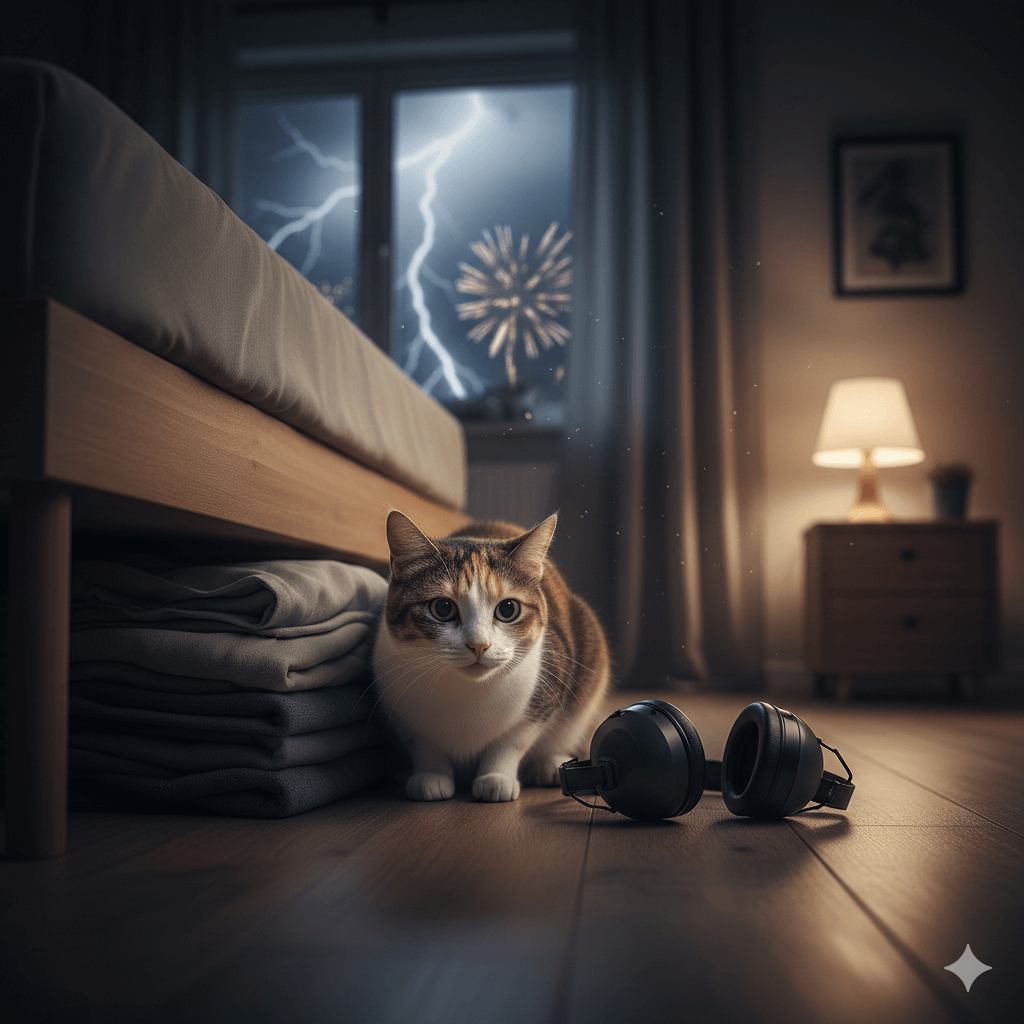
Creating a Safe Space for Your Cat During Noisy Events
- Designating a Quiet Room:
Choose a small, enclosed space like a bathroom or closet where external noises are muffled. Equip it with familiar bedding, toys, and hiding spots to make it comforting. - Using White Noise Machines:
White noise or calming music masks sudden loud sounds, creating a soothing auditory backdrop for your cat. Devices like fans or specialized pet sound machines work well. - Incorporating Familiar Scents:
Adding items with your scent, such as worn clothing or blankets, reassures your cat that they’re not alone. Cats rely heavily on smell for comfort, so familiar odors are crucial. - Ensuring Accessibility to Resources:
Place food, water, litter boxes, and scratching posts in the safe space to ensure your cat doesn’t feel trapped without necessities. This setup minimizes additional stressors. - Gradual Desensitization to the Space:
Introduce your cat to the safe room before noisy events occur, so they associate it with positive experiences rather than fear. Reward calm behavior with treats or affection.
Check this guide 👉 Why Do Cats Make Noise? Best 7 Expert Tips!
Check this guide 👉 Cat Ear Infection vs Yeast Infection: Best 7 Expert Tips!
Check this guide 👉 Dirty Cat Ears vs Ear Mites: Best 7 Expert Tips!
Signs of Noise Phobia in Cats | Ways to Help Your Cat Cope |
|---|---|
Hiding under furniture or in enclosed spaces | Provide a designated safe room with familiar items |
Excessive grooming or licking | Use calming pheromone diffusers or sprays |
Trembling or shaking during loud noises | Play white noise or calming music to mask sounds |
Attempting to escape or bolting outdoors | Secure windows, doors, and exits during noisy events |
Loss of appetite or refusal to eat | Offer treats or favorite foods in their safe space to encourage eating |
Behavioral Training Techniques to Reduce Noise Phobia
- Gradual Exposure to Trigger Sounds:
Play recordings of feared noises at low volumes while engaging your cat in play or offering treats. Slowly increase the volume as they grow accustomed to the sound. - Counterconditioning with Positive Associations:
Pair the presence of loud noises with enjoyable activities, such as mealtime or interactive play, to shift your cat’s emotional response from fear to pleasure. - Rewarding Calm Behavior:
Praise and reward your cat when they remain calm during noisy events. Treats, cuddles, or favorite toys reinforce this desirable behavior effectively. - Avoiding Punishment for Fearful Reactions:
Never scold or punish your cat for showing fear—it only increases anxiety and damages trust between you and your pet. Instead, focus on gentle encouragement. - Consulting a Professional Trainer:
If progress stalls, seek guidance from a certified animal behaviorist who specializes in feline anxiety. They can tailor strategies to your cat’s unique needs.
Natural Remedies and Supplements for Noise Phobia
- Calming Herbal Supplements:
Ingredients like chamomile, valerian root, or L-theanine promote relaxation without sedation. Always consult your vet before introducing new supplements. - Pheromone Diffusers:
Products like Feliway mimic feline facial pheromones, signaling safety and reducing stress. Plug-in diffusers or sprays create a calming atmosphere in your home. - CBD Oil for Anxiety Relief:
CBD oil has gained popularity for its potential anti-anxiety effects in pets. Ensure you choose high-quality, THC-free products designed specifically for cats. - Nutritional Support for Stress Management:
Diets rich in omega-3 fatty acids and antioxidants support brain health and resilience against stress. Specialized calming formulas are also available. - Homeopathic Remedies:
Options like Bach Flower Essences target specific emotional states, helping to balance your cat’s mood naturally. Rescue Remedy is a popular choice for acute anxiety.
The Role of Veterinary Care in Managing Noise Phobia
- Diagnosing Noise Phobia vs Other Conditions:
Vets rule out medical issues like pain or neurological disorders that might mimic anxiety symptoms. Accurate diagnosis guides appropriate treatment plans. - Prescription Medications for Severe Cases:
Anti-anxiety medications or sedatives may be prescribed for extreme phobias, especially during predictable events like New Year’s Eve fireworks. - Behavioral Therapy Recommendations:
Your vet may refer you to a veterinary behaviorist for advanced strategies tailored to your cat’s needs. These experts combine science and compassion to address complex cases. - Monitoring Long-Term Progress:
Regular check-ups track improvements or setbacks, allowing adjustments to the treatment plan as needed. Consistent communication with your vet ensures optimal outcomes. - Preventive Measures for Future Events:
Discuss preemptive strategies, such as medication timing or environmental modifications, to prepare for upcoming noisy occasions. Planning ahead reduces last-minute stress.
Environmental Modifications to Minimize Noise Impact
- Soundproofing Key Areas:
Use thick curtains, rugs, or foam panels to dampen noise entering your home. Focus on rooms where your cat spends most of their time. - Limiting Exposure to Predictable Noises:
Schedule noisy chores like vacuuming or remodeling during times when your cat isn’t present, minimizing unnecessary stress. - Creating Vertical Escape Routes:
Install cat shelves or perches near windows, giving your cat an elevated vantage point to observe their surroundings safely. Height provides a sense of security. - Securing Windows and Doors:
Close windows tightly and seal gaps to block outside noise. Weatherstripping or draft stoppers enhance insulation and reduce sound transmission. - Reducing Visual Stimuli During Noisy Events:
Cover windows or use blinds to block flashing lights from fireworks, which can amplify fear responses in noise-phobic cats.
Strengthening the Bond Through Empathy and Patience
- Recognizing Your Cat’s Individuality:
Every cat responds differently to stress—some need solitude, while others seek comfort from their owners. Respect their preferences and adapt accordingly. - Being Present During Difficult Times:
Stay nearby during noisy events to reassure your cat, even if they prefer hiding. Your presence alone can provide immense comfort. - Celebrating Small Victories:
Acknowledge progress, no matter how minor. Whether it’s staying calm for an extra minute or venturing out sooner, celebrate these milestones with praise or treats. - Maintaining Routine and Stability:
Consistent daily routines reduce overall stress levels, making your cat more resilient to occasional disruptions caused by noise. Stability builds confidence. - Educating Yourself About Feline Behavior:
Learning about cat psychology deepens your understanding of their fears and motivations. Knowledge empowers you to respond effectively and compassionately.
Frequently Asked Questions About Noise Phobia in Cats
What causes noise phobia in cats?
Noise phobia is often triggered by loud, sudden, or unpredictable sounds like fireworks, thunderstorms, or household appliances. Some cats may also have a genetic predisposition to anxiety.
Can noise phobia develop over time?
Yes. While some cats are naturally sensitive, others may develop noise phobia after repeated exposure to frightening noises or traumatic experiences.
Is noise phobia treatable?
While it may not be fully curable, noise phobia can be managed through behavioral training, environmental modifications, and sometimes medication or supplements.
How can I calm my cat during a noisy event?
Provide a safe space, use calming aids like pheromone diffusers, and avoid comforting your cat excessively, as this may reinforce fearful behavior.
When should I consult a veterinarian?
If your cat’s noise phobia leads to destructive behavior, self-harm, or significant distress, seek professional advice for a tailored treatment plan.
A Lifeline in Every Moment of Fear
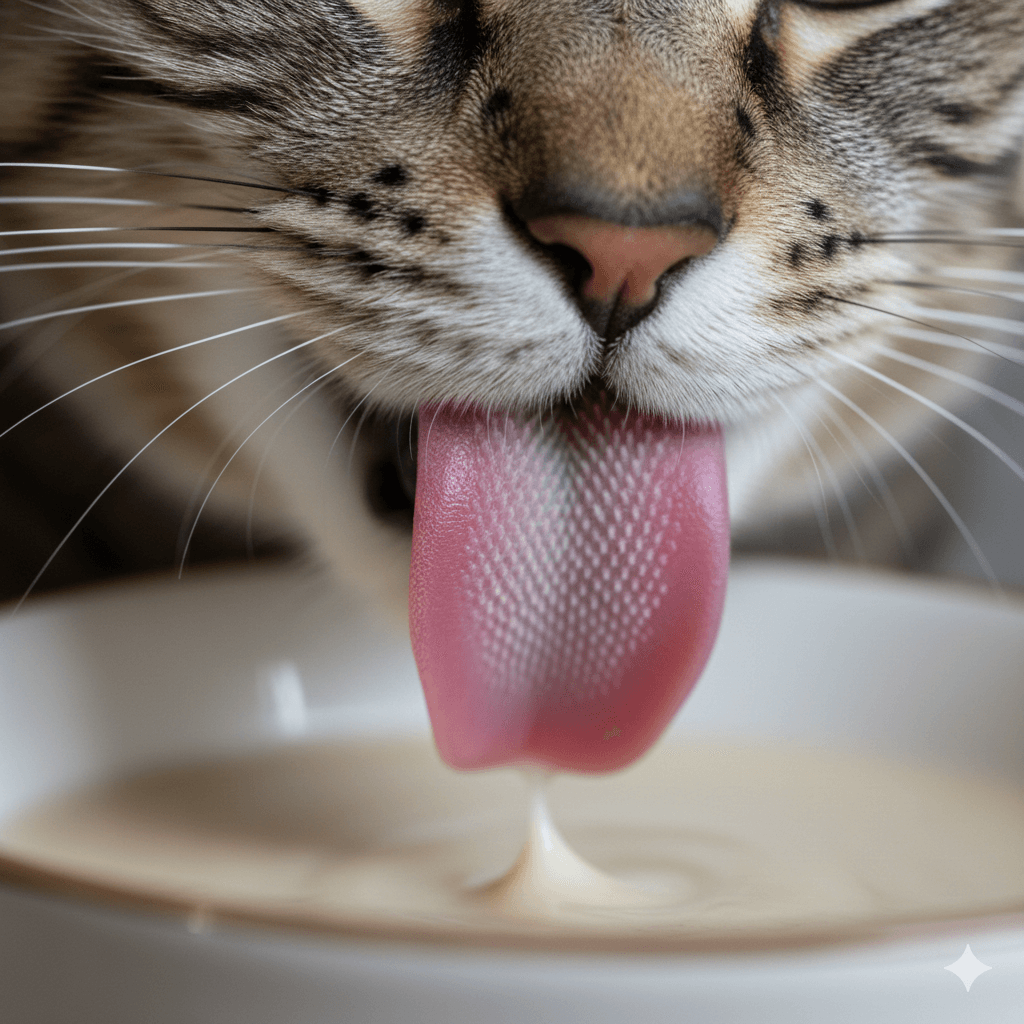
Do Cats Have Taste Buds? Best 7 Expert Tips! – Discover how cats experience flavors and why their taste is so unique.
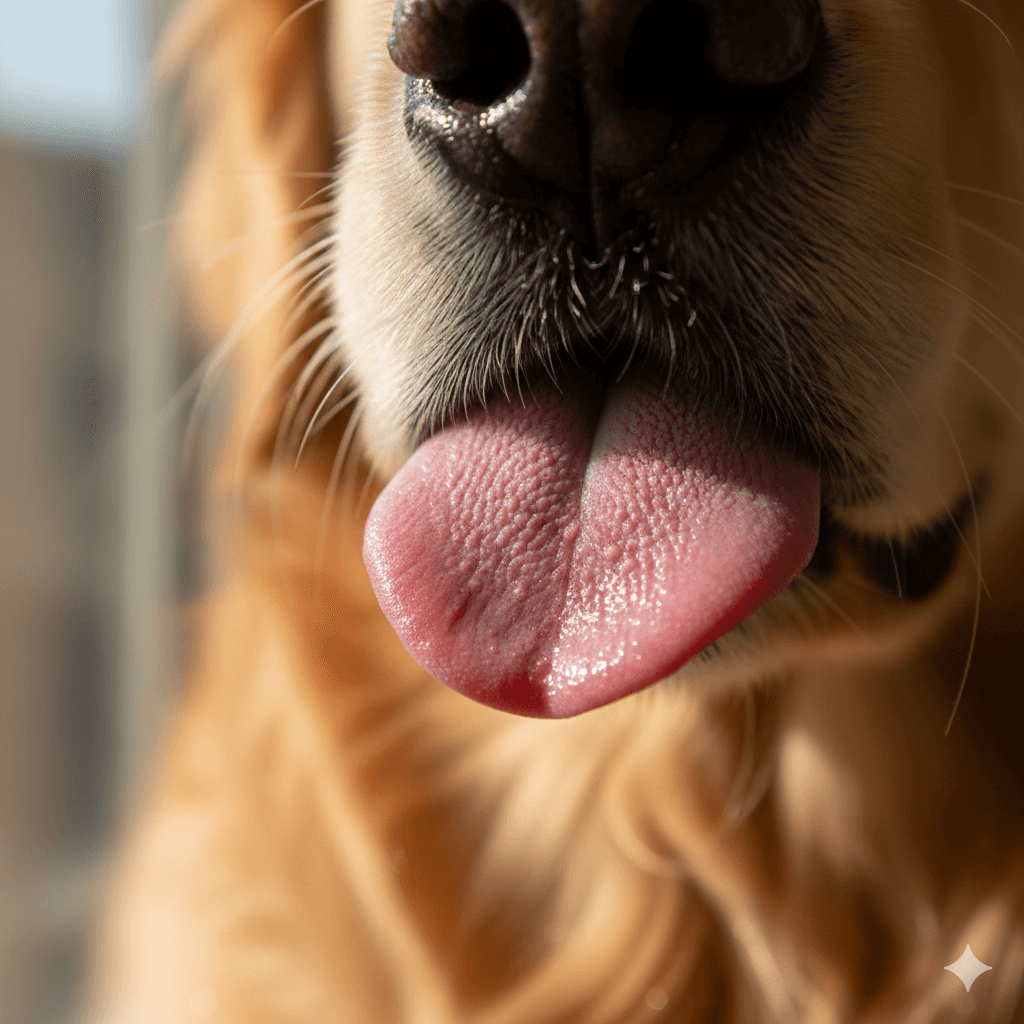
Do Dogs Have Taste Buds? Best 7 Expert Tips! – Discover how dogs experience taste, their preferences, and what it means for their diet and health.
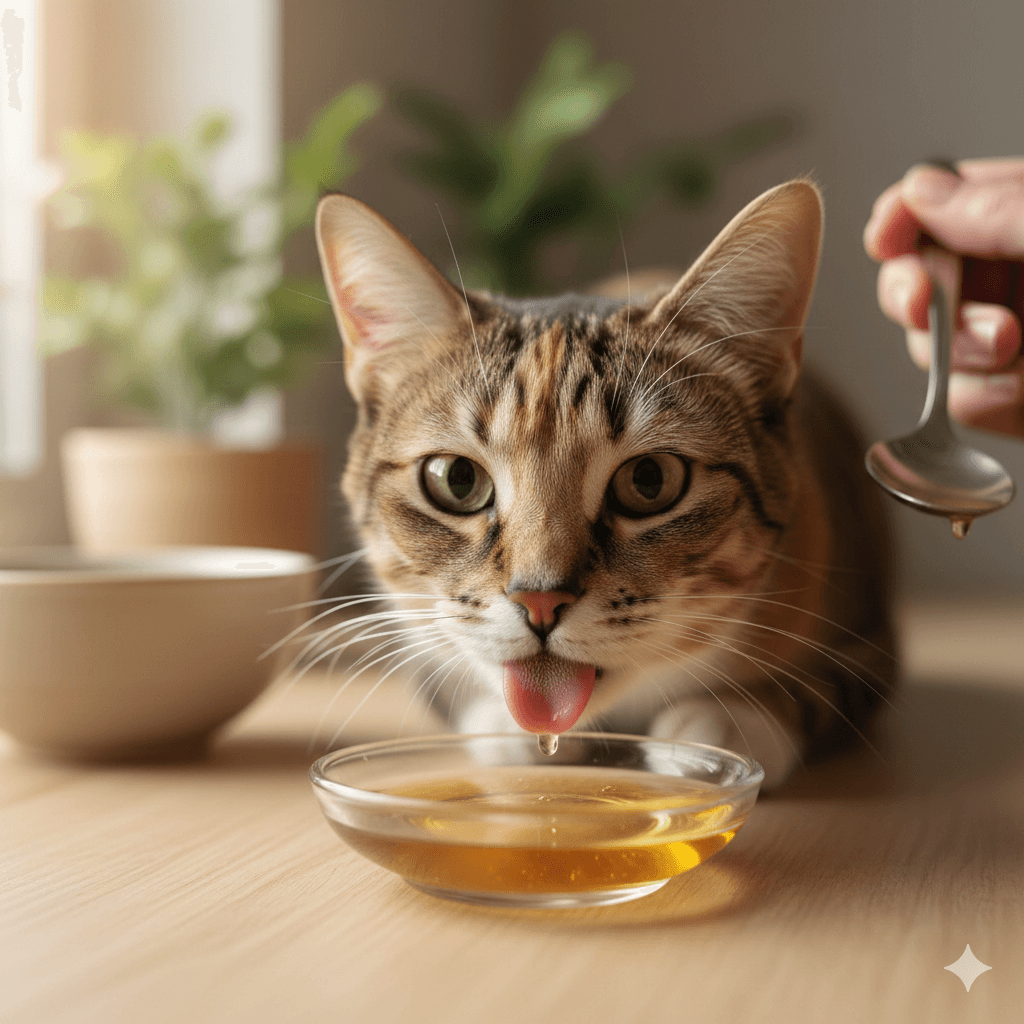
Can Cats Taste Sweet? Best 7 Expert Tips! – Discover why cats can’t taste sweetness, how it affects their diet, and tips to keep them healthy and happy.

Can Dogs Taste Sweet? Best 7 Expert Tips! – Discover how dogs perceive sweetness, which foods are safe, and tips to manage their sweet cravings responsibly.