
Understanding the Newfoundland Dog Personality
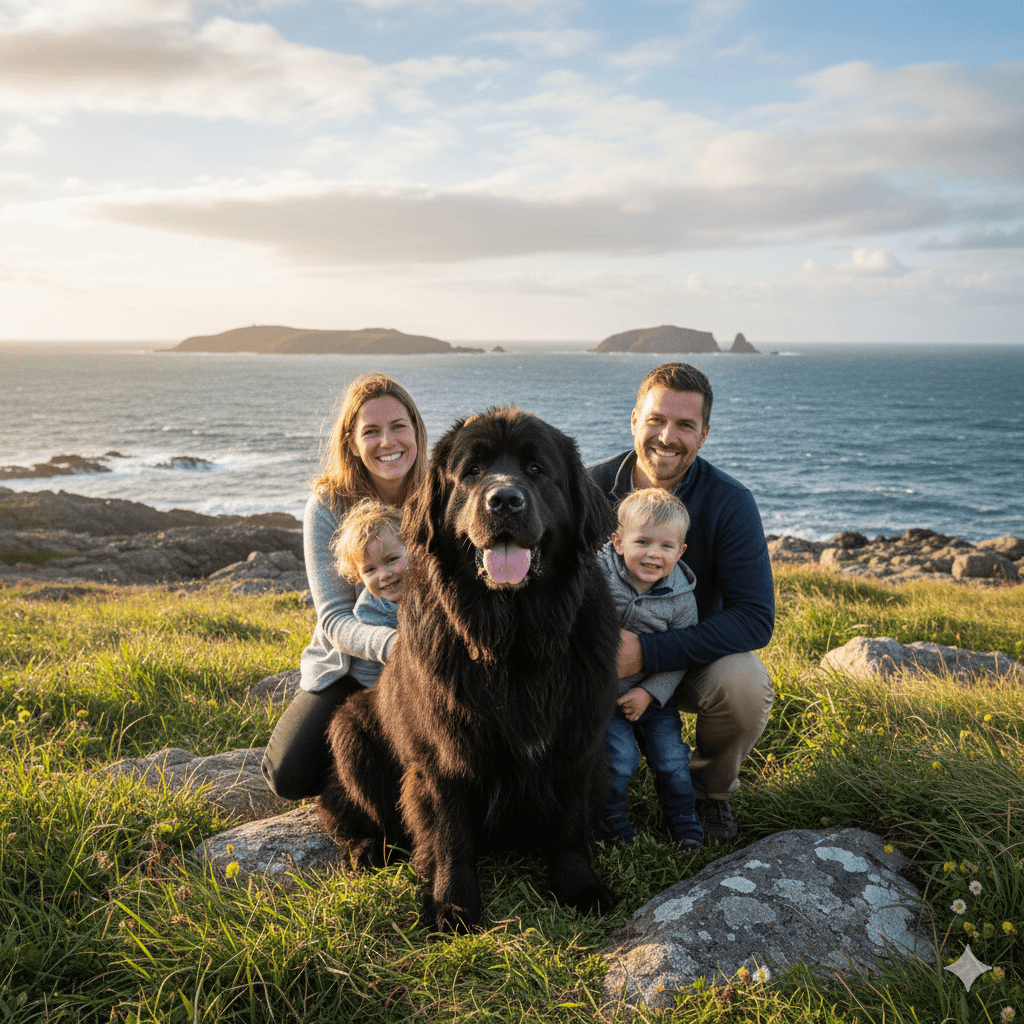
The Newfoundland dog is celebrated not only for its impressive size but also for its gentle and affectionate nature. Known as the “nanny dog,” this breed forms deep bonds with families, displaying patience and protectiveness that make it ideal for households with children. With their calm demeanor, intelligence, and innate desire to please, Newfoundland dogs consistently prove to be loyal and loving companions.
Temperament Traits That Define the Newfoundland Dog
The Newfoundland dog’s personality is a harmonious blend of gentleness, loyalty, and intelligence, making it one of the most beloved breeds worldwide. Their temperament is often described as calm and patient, but they also possess a strong protective instinct that makes them excellent guardians. Understanding these core traits provides insight into why this breed is so cherished by families and individuals alike.
- Gentle and Affectionate Nature:
Newfoundlands are renowned for their gentle disposition, which allows them to interact safely with children and other pets. They thrive on companionship and enjoy being close to their human family members. - Highly Loyal and Protective:
This breed forms deep emotional bonds with its owners and is naturally inclined to protect them. Whether guarding the home or watching over young children, Newfoundlands take their role as protectors seriously. - Patient and Tolerant:
Their patience is unmatched, especially when dealing with rowdy children or unpredictable situations. This trait has earned them the nickname “nanny dog,” as they remain calm even in chaotic environments. - Intelligent and Trainable:
Newfoundlands are highly intelligent and eager to please, making them relatively easy to train. They excel in obedience training and respond well to positive reinforcement techniques. - Social and Friendly:
Despite their imposing size, Newfoundlands are incredibly friendly toward strangers and other animals. Their sociable nature makes them poor guard dogs in terms of aggression but exceptional in terms of companionship.
These temperament traits collectively create a loving, dependable companion who thrives in both active and relaxed households.
Emotional Intelligence: How Newfoundlands Read Human Emotions
One of the most remarkable aspects of the Newfoundland dog’s personality is its ability to sense and respond to human emotions. Often described as empathetic, these dogs have an uncanny knack for knowing when someone needs comfort or support. Their emotional intelligence sets them apart from many other breeds.
- Keen Awareness of Human Moods:
Newfoundlands can detect subtle changes in tone, body language, and facial expressions, allowing them to respond appropriately to sadness, stress, or illness. - Providing Comfort During Tough Times:
When a family member is upset, a Newfoundland will often stay close, offering physical contact or simply sitting nearby as a calming presence. - Sensitivity to Stressful Situations:
Their intuitive nature helps them navigate stressful environments, such as during travel or household conflicts, without becoming anxious themselves. - Bonding Through Shared Activities:
Engaging in activities like swimming or hiking strengthens the emotional connection between Newfoundland dogs and their owners, enhancing mutual trust. - Supportive Role in Therapy Work:
Many Newfoundlands are trained as therapy dogs due to their natural empathy and calming demeanor, providing comfort in hospitals, schools, and nursing homes.
This emotional intelligence reinforces the Newfoundland’s reputation as a deeply intuitive and compassionate companion.
Check this guide 👉Saint Bernard Newfoundland Dog: Best 7 Expert Tips!
Check this guide 👉Newfoundland Golden Retriever Mix: Best 7 Expert Tips!
Check this guide 👉Newfoundland Husky Mix: Best 7 Expert Tips!
Key Traits of Newfoundland Dogs | Common Misconceptions About the Breed |
|---|---|
Gentle and affectionate nature | They are lazy and inactive (they actually enjoy moderate exercise) |
Highly loyal and protective | Their size makes them aggressive (they’re incredibly friendly) |
Excellent swimmers and water lovers | They drool excessively all the time (it’s manageable with proper care) |
Patient and tolerant with children | They’re difficult to train (they’re smart and respond well to kindness) |
Prone to certain health issues | They overheat easily (their thick coat regulates temperature surprisingly well) |
Energy Levels and Activity Needs of Newfoundland Dogs
While Newfoundlands are not overly energetic compared to some working breeds, they still require regular exercise to maintain physical and mental health. Balancing their activity levels with rest is crucial for their overall well-being.
- Moderate Exercise Requirements:
Daily walks, playtime, and access to a secure yard meet their exercise needs without overwhelming them. Short bursts of activity are preferable to long, strenuous sessions. - Love for Water-Based Activities:
Newfoundlands were originally bred for water rescue, so swimming is an ideal form of exercise that aligns with their natural instincts and abilities. - Adaptability to Various Lifestyles:
Whether living in a spacious rural home or a smaller urban apartment, Newfoundlands adapt well as long as they receive sufficient exercise and attention. - Potential for Laziness if Overfed:
Without proper exercise, Newfoundlands can become overweight, leading to joint issues and reduced mobility due to their large size. - Mental Stimulation is Key:
Incorporating puzzle toys, obedience training, or scent work keeps their minds sharp and prevents boredom-related behaviors like chewing or digging.
Balancing physical activity with downtime ensures your Newfoundland remains happy, healthy, and well-adjusted.
Socialization Needs and Compatibility with Others
Newfoundland dogs are inherently social creatures who thrive on interaction with people and animals. Proper socialization from an early age enhances their already friendly demeanor and ensures they grow into confident adults.
- Early Exposure to Different Environments:
Introducing puppies to various sights, sounds, and experiences builds confidence and reduces fearfulness later in life. - Compatibility with Children:
Their patient and tolerant nature makes Newfoundlands excellent companions for kids, though supervision is necessary due to their large size. - Positive Interactions with Other Pets:
With proper introductions, Newfoundlands coexist peacefully with cats, smaller dogs, and even livestock, thanks to their non-aggressive temperament. - Handling Busy or Noisy Settings:
Despite their size, Newfoundlands remain composed in crowded or noisy environments, making them suitable for families with active lifestyles. - Avoiding Isolation or Loneliness:
Leaving a Newfoundland alone for extended periods can lead to separation anxiety; they crave companionship and thrive best in engaged households.
Strong social bonds contribute significantly to the Newfoundland’s happiness and behavioral stability.
Training Challenges and Success Strategies
Training a Newfoundland dog requires patience, consistency, and an understanding of their unique personality traits. While they are intelligent and eager to please, certain challenges may arise during the process.
- Short Attention Spans During Sessions:
Newfoundlands benefit from short, engaging training sessions rather than lengthy drills, as they tend to lose focus quickly. - Sensitivity to Harsh Corrections:
These dogs respond poorly to punishment-based methods; instead, use positive reinforcement like treats, praise, and play to motivate them. - Natural Eagerness to Please:
Their desire to make their owners happy simplifies tasks like housebreaking, leash training, and basic commands. - Potential Stubbornness in Certain Scenarios:
Occasionally, Newfoundlands exhibit stubborn streaks, particularly if they find a task uninteresting or repetitive. - Importance of Early Training:
Starting obedience training early establishes good habits and prevents undesirable behaviors from developing as they grow larger and stronger.
A thoughtful, reward-based approach yields the best results when training a Newfoundland.
Health Considerations Linked to Personality Traits
Certain personality traits of Newfoundland dogs, such as their laid-back nature, are closely tied to their overall health. Understanding these connections helps owners provide optimal care and address potential concerns proactively.
- Calm Demeanor Reduces Stress-Related Illnesses:
Their relaxed attitude lowers cortisol levels, reducing the risk of stress-induced conditions like gastrointestinal upset or skin allergies. - Risk of Joint Issues Due to Size:
Large breeds like Newfoundlands are prone to hip dysplasia and arthritis, emphasizing the need for controlled exercise and weight management. - Heart Conditions Impacting Energy Levels:
Subaortic stenosis, a common heart condition in the breed, can affect stamina and activity tolerance, requiring veterinary monitoring. - Obesity Risk from Sedentary Behavior:
Without adequate exercise, their love for lounging can lead to obesity, exacerbating existing health problems. - Lifespan and Aging Gracefully:
With proper care, Newfoundlands live 8–10 years; maintaining their mental and physical health ensures a fulfilling senior phase.
Addressing these health considerations preserves both their physical vitality and characteristic charm.
The Newfoundland Dog as a Family Companion
The Newfoundland dog’s personality shines brightest within a family setting, where their nurturing instincts and protective nature truly come alive. Their compatibility with diverse family dynamics solidifies their status as one of the best family-friendly breeds.
- Ideal Match for Active Families:
Families who enjoy outdoor adventures, such as hiking or swimming, find a perfect partner in the athletic yet gentle Newfoundland. - Perfect Fit for Homes with Kids:
Their innate patience and protective instincts make them wonderful companions for children, fostering lifelong bonds. - Adaptable to Quiet Households Too:
For seniors or individuals seeking a calm companion, Newfoundlands adjust beautifully to quieter routines while still providing unwavering loyalty. - Role as a Guardian Figure:
Their imposing size combined with a watchful eye deters intruders, while their kind nature reassures loved ones. - Emotional Support Animal Potential:
Many Newfoundlands serve as emotional support animals due to their calming presence and ability to soothe anxiety or depression.
As a family companion, the Newfoundland dog embodies warmth, devotion, and unconditional love, enriching every aspect of daily life.
Frequently Asked Questions About Newfoundland Dog Personality
What makes Newfoundland dogs so good with children?
Their gentle, patient, and protective nature makes them naturally inclined to care for kids, earning them the nickname “nanny dog.”
Are Newfoundland dogs easy to train?
Yes, they are intelligent and eager to please, but their sensitivity means positive reinforcement works best—avoid harsh corrections.
Do Newfoundland dogs require a lot of exercise?
While not overly energetic, they need moderate daily exercise like walks or swimming to stay healthy and mentally stimulated.
Can Newfoundland dogs live in apartments?
Yes, they adapt well to smaller spaces as long as they receive enough exercise and companionship to prevent loneliness.
Are Newfoundland dogs prone to separation anxiety?
Due to their strong bond with family, they may develop separation anxiety if left alone for extended periods; crate training can help ease this.
A Loving Companion Like No Other
The Newfoundland dog’s personality is a testament to why they are cherished by families and individuals alike. With their gentle demeanor, unwavering loyalty, and innate desire to nurture, they bring joy, comfort, and security into every home they enter. Whether playing in the water, lounging on the couch, or providing emotional support, Newfoundlands embody the perfect balance of strength and tenderness. If you’re ready to welcome a devoted and loving companion into your life, look no further than this remarkable breed—a true giant with a heart of gold.

Is Rawhide Bad for Cats? Best 7 Expert Tips! – Discover the risks, safe alternatives, and expert advice to keep your feline friend healthy and happy.

Is Rawhide Bad for Dogs? Best 7 Expert Tips! – Discover the risks, benefits, and safer alternatives to rawhides for your dog’s chewing needs.

Understanding Anorexia in Cats: Best 7 Expert Tips! – Learn why cats stop eating, spot warning signs, and discover how to help your feline regain appetite safely.

Understanding Anorexia in Dogs: Best 7 Expert Tips! – Learn causes, symptoms, and solutions to help your dog regain appetite and stay healthy.