
Understanding Neosporin Use on Dog Hot Spots
Hot spots, or acute moist dermatitis, are a common yet uncomfortable skin condition in dogs, often caused by allergies, insect bites, or underlying skin infections. These inflamed, irritated patches can make your dog miserable, leading to constant licking, chewing, or scratching. While Neosporin is a popular over-the-counter ointment for minor wounds, its use on dog hot spots requires careful consideration. Knowing when and how to apply it safely can help soothe your dog’s discomfort—but recognizing its limitations is just as important. With the right approach, you can support your dog’s healing process while avoiding potential risks.
Common Causes of Hot Spots in Dogs
Hot spots are not just a nuisance—they’re often the result of an underlying issue that needs addressing. These inflamed, oozing patches of skin can develop rapidly and worsen if left untreated. Understanding the root causes helps you prevent future outbreaks and manage your dog’s condition effectively.
- Allergies (Environmental or Food-Related):
Dogs with allergies often scratch excessively, breaking the skin and creating an ideal environment for bacteria to thrive. Pollen, dust mites, or certain proteins in food can trigger these reactions. - Parasites Like Fleas or Ticks:
Even a single flea bite can cause intense itching, especially in dogs with flea allergy dermatitis. Ticks also introduce irritation and potential infections. - Poor Grooming Habits:
Matted fur traps moisture against the skin, creating a warm, humid environment perfect for bacterial growth. Regular brushing and bathing are essential to prevent this. - Stress or Anxiety:
Dogs under stress may lick or chew their skin excessively as a coping mechanism, leading to self-inflicted hot spots. Changes in routine or environment often trigger this behavior. - Underlying Skin Infections:
Bacterial or fungal infections weaken the skin barrier, making it more susceptible to irritation and inflammation. Secondary infections often complicate existing hot spots.
Addressing these root causes alongside topical treatments like Neosporin ensures comprehensive care. Without tackling the underlying issue, hot spots are likely to recur, prolonging your dog’s discomfort.
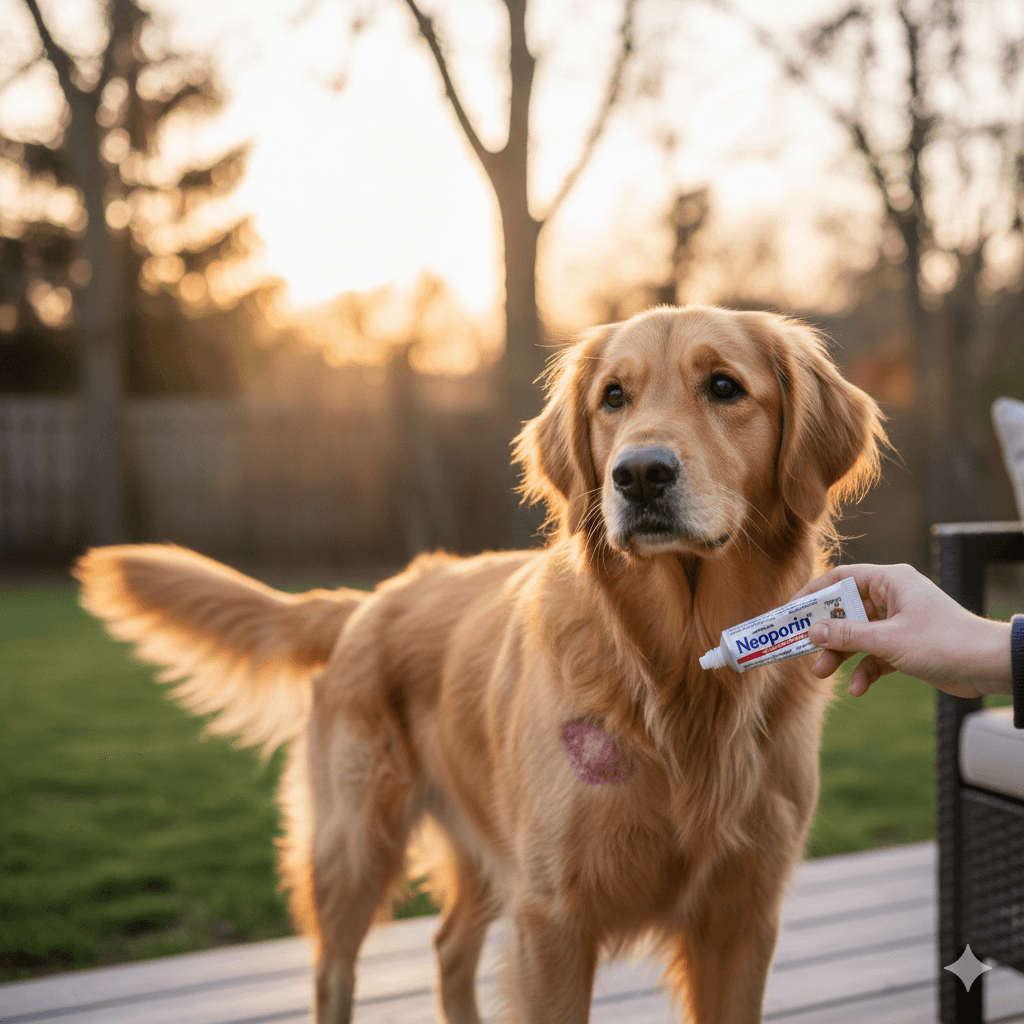
How Neosporin Works on Dog Hot Spots
Neosporin is a triple-antibiotic ointment designed to combat minor bacterial infections and promote healing. While it’s commonly used for human wounds, its application on dogs requires careful consideration. Here’s how Neosporin works when applied to hot spots:
- Fights Bacterial Infections:
The active ingredients—bacitracin, neomycin, and polymyxin B—target a broad spectrum of bacteria, reducing the risk of secondary infections in open wounds. - Prevents Further Contamination:
The ointment creates a protective barrier over the hot spot, shielding it from dirt, debris, and additional bacteria that could worsen the condition. - Promotes Faster Healing:
By keeping the area moist, Neosporin supports the natural healing process, which is crucial for preventing scabbing and further irritation. - Reduces Inflammation (Indirectly):
While Neosporin doesn’t directly reduce swelling, eliminating bacteria can help alleviate some of the redness and discomfort associated with hot spots. - Not Effective Against Fungal Issues:
If the hot spot is caused by yeast or fungal infections, Neosporin won’t address the root problem and may even delay proper treatment.
While Neosporin can be helpful, it’s important to use it only after cleaning the area thoroughly and consulting your vet, especially for severe cases.
Check this guide 👉Common Dog Skin Infections: Best 7 Expert Tips!
Check this guide 👉How to Apply Coconut Oil to Dog Skin: Best 7 Expert Tips!
Check this guide 👉Why Does My Dog Keep Getting Skin Infections: Best 7 Tips!
Neosporin Features | Alternative Treatments |
|---|---|
Triple-antibiotic formula targets bacteria | Medicated sprays (e.g., Vetericyn) offer broader antimicrobial action |
Affordable and widely available | Prescription medications provide stronger, targeted solutions |
Creates a protective barrier over the wound | Natural remedies like coconut oil soothe without chemical exposure |
Risk of ingestion if licked by the dog | E-collars prevent further irritation during healing |
Not effective against fungal or viral causes | Antifungal shampoos address yeast-related hot spots effectively |
Risks of Using Neosporin on Dogs
Although Neosporin is generally safe for minor wounds, using it on dogs comes with potential risks, particularly if misapplied or overused. Being aware of these dangers ensures you make informed decisions about your dog’s care.
- Ingestion Hazards:
Dogs are prone to licking treated areas, which can lead to ingestion of the ointment. This poses a risk of gastrointestinal upset or antibiotic resistance over time. - Delayed Healing in Severe Cases:
For deep or infected hot spots, Neosporin may not penetrate deeply enough to address the underlying infection, potentially masking symptoms without resolving them. - Allergic Reactions:
Some dogs may develop sensitivity to the ingredients in Neosporin, resulting in increased redness, swelling, or itching at the application site. - Ineffectiveness Against Viral or Fungal Causes:
Neosporin targets bacteria but is ineffective against other causes of hot spots, such as viruses, fungi, or parasites, potentially delaying appropriate treatment. - Overuse Leading to Resistance:
Repeated or improper use of antibiotics contributes to the development of drug-resistant bacteria, complicating future treatments for your dog.
Understanding these risks highlights the importance of using Neosporin sparingly and under veterinary guidance. For severe or persistent hot spots, professional intervention is always recommended.
Alternatives to Neosporin for Treating Hot Spots
If Neosporin isn’t suitable or effective for your dog’s hot spots, several alternatives can provide relief and promote healing. Exploring these options ensures your dog receives the best possible care.
- Veterinary-Grade Medicated Sprays:
Products like Vetericyn or Zymox sprays contain antibacterial and antifungal agents specifically formulated for pets, reducing the risk of adverse reactions. - Natural Remedies (Coconut Oil or Aloe Vera):
Coconut oil has antimicrobial properties, while aloe vera soothes irritated skin. However, ensure your dog doesn’t ingest these substances, as they can cause stomach upset. - Elizabethan Collars (E-Collars):
Preventing licking and chewing is crucial for healing. E-collars stop your dog from aggravating the hot spot and ingesting harmful substances. - Prescription Medications:
For severe cases, vets may prescribe stronger antibiotics, antifungals, or corticosteroids to address the underlying cause and speed recovery. - Topical Shampoos and Cleansers:
Medicated shampoos with oatmeal, chlorhexidine, or ketoconazole cleanse the skin, reduce inflammation, and prevent reinfection.
Each alternative has its benefits and limitations, so consult your vet to determine the most appropriate solution for your dog’s specific needs.
How to Properly Apply Neosporin to a Hot Spot
Using Neosporin correctly maximizes its effectiveness while minimizing risks. Follow these steps carefully to ensure safe and successful application:
- Clean the Area Thoroughly:
Wash the hot spot with mild pet-safe soap and water, then pat it dry with a clean towel. Removing dirt and debris prevents contamination. - Apply a Thin Layer Only:
Use a cotton swab or gloved finger to apply a small amount of Neosporin directly to the affected area. Avoid overapplication, as excess ointment increases the risk of ingestion. - Prevent Licking with an E-Collar:
Immediately fit your dog with an Elizabethan collar to stop them from licking off the ointment and worsening the condition. - Monitor for Adverse Reactions:
Watch for signs of irritation, swelling, or worsening symptoms. If any occur, discontinue use and contact your veterinarian promptly. - Reapply Sparingly:
Follow the product instructions for reapplication frequency, typically no more than 2–3 times daily, and avoid long-term use without vet approval.
Proper application ensures Neosporin serves its purpose without causing harm. Always prioritize your dog’s safety and comfort during the process.
Preventing Hot Spots in Dogs
Prevention is key to avoiding the discomfort and complications associated with hot spots. Implementing proactive measures reduces the likelihood of outbreaks and keeps your dog’s skin healthy.
- Regular Grooming Sessions:
Brush your dog frequently to remove mats, tangles, and loose fur that trap moisture against the skin. Trim long-haired breeds to improve airflow. - Flea and Tick Prevention:
Use vet-recommended flea and tick preventatives to protect your dog from bites that trigger excessive scratching and irritation. - Balanced Diet and Supplements:
A nutritious diet rich in omega-3 fatty acids promotes healthy skin and coat, reducing susceptibility to dryness and irritation. - Address Allergies Promptly:
Work with your vet to identify and manage environmental or food-related allergies before they escalate into skin problems. - Provide Mental Stimulation:
Reduce stress-induced behaviors like licking and chewing by engaging your dog with toys, puzzles, or regular exercise.
Preventive care not only minimizes the risk of hot spots but also enhances your dog’s overall well-being and quality of life.
When to Seek Veterinary Care for Hot Spots
While mild hot spots may resolve with at-home care, certain signs indicate the need for professional intervention. Recognizing these red flags ensures timely treatment and prevents complications.
- Rapid Spread of the Hot Spot:
If the inflamed area grows significantly within hours, it suggests aggressive bacterial activity requiring veterinary attention. - Severe Pain or Aggression:
Dogs in extreme discomfort may snap or growl when touched near the affected area, signaling the need for pain management and advanced care. - Persistent Licking or Chewing:
If your dog continues to irritate the spot despite wearing an E-collar, it may require sedation or stronger medications to break the cycle. - Signs of Systemic Illness:
Fever, lethargy, or loss of appetite point to a deeper infection or systemic involvement that demands immediate treatment. - No Improvement After 48 Hours:
If there’s no visible progress despite home care, consult your vet to rule out underlying conditions or explore alternative treatments.
Early veterinary involvement provides clarity and peace of mind, ensuring your dog receives the care they need to recover fully.
“Neosporin is not recommended for treating dog hot spots, as it may encourage licking and worsen the condition; always consult a veterinarian for proper treatment.”
— PetsCare Veterinary Team
Frequently Asked Questions About Using Neosporin on Dog Hot Spots
Can I use Neosporin on my dog’s hot spot?
Yes, but only for minor bacterial infections. Clean the area first, apply sparingly, and prevent licking with an E-collar to avoid ingestion risks.
How often should I apply Neosporin to a hot spot?
Apply a thin layer 2–3 times daily, following product instructions. Avoid prolonged use without veterinary guidance to prevent antibiotic resistance.
What if my dog licks Neosporin off the hot spot?
Ingestion can cause stomach upset or antibiotic resistance. Use an Elizabethan collar to stop licking and consult your vet for safer alternatives.
Does Neosporin work on all types of hot spots?
No—it’s ineffective against fungal, viral, or parasitic causes. For non-bacterial hot spots, medicated shampoos or prescription treatments are better options.
When should I see a vet for my dog’s hot spot?
Seek veterinary care if the hot spot spreads rapidly, shows no improvement after 48 hours, or is accompanied by systemic symptoms like fever or lethargy.
Supporting Your Dog Through Hot Spot Recovery
Hot spots are more than just a nuisance—they’re a sign that something deeper may need addressing. Whether you choose Neosporin, medicated sprays, or vet-prescribed treatments, the key lies in swift action, proper care, and prevention. By understanding your dog’s unique triggers and maintaining a consistent grooming routine, you can minimize the risk of future outbreaks. Remember, your dog’s comfort and trust depend on your attentiveness during these moments of vulnerability. With patience, love, and informed decisions, you’ll help them heal and thrive—because every wag of their tail is worth it.

Is Rawhide Bad for Cats? Best 7 Expert Tips! – Discover the risks, safe alternatives, and expert advice to keep your feline friend healthy and happy.

Is Rawhide Bad for Dogs? Best 7 Expert Tips! – Discover the risks, benefits, and safer alternatives to rawhides for your dog’s chewing needs.

Understanding Anorexia in Cats: Best 7 Expert Tips! – Learn why cats stop eating, spot warning signs, and discover how to help your feline regain appetite safely.

Understanding Anorexia in Dogs: Best 7 Expert Tips! – Learn causes, symptoms, and solutions to help your dog regain appetite and stay healthy.