
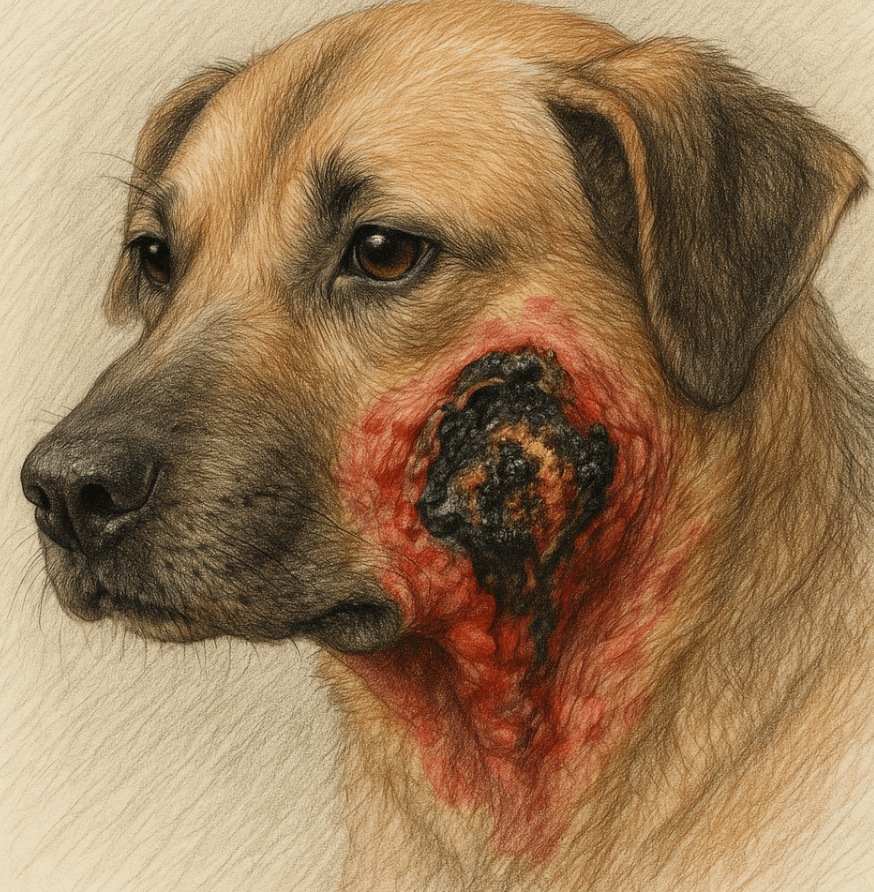

Necrosis from Snake Bite on Dog: Best 7 Expert Tips!

Necrosis from Snake Bite on Dog: Best 7 Expert Tips!

Necrosis from Snake Bite on Dog: What You Need to Know


Snake bites are a serious concern for dog owners, especially in areas where venomous snakes are common. One of the most alarming complications of a snake bite is necrosis, or tissue death, which can occur as a result of the venom’s destructive effects. Necrosis not only causes pain and discomfort for your dog but can also lead to long-term damage if not treated promptly. Understanding the signs, risks, and treatment options for necrosis caused by snake bites is crucial for ensuring your pet’s safety and recovery. In this blog post, we’ll explore everything you need to know about this condition and how to protect your furry friend.

Signs That Your Dog May Be Experiencing Necrosis from a Snake Bite


Recognizing the early signs of necrosis is essential for seeking timely veterinary care. If your dog has been bitten by a snake, watch for these symptoms that may indicate tissue damage.

 
  • Swelling and Discoloration:
    The area around the bite may swell significantly and turn red, purple, or black due to damaged blood vessels and dying tissue.

  • Pain and Sensitivity:
    Necrotic tissue is often extremely painful, and your dog may whine, limp, or avoid touching the affected area.

  • Skin Ulceration:
    The skin near the bite site may break down, forming open sores or ulcers as the tissue dies.

  • Foul Odor:
    As necrosis progresses, the damaged tissue may emit a strong, unpleasant smell due to bacterial infection.

  • Loss of Function:
    If the necrosis affects muscles or nerves, your dog may struggle to move or use the affected limb.


Identifying these signs early can make a significant difference in your dog’s prognosis, so don’t hesitate to seek professional help if you notice any of these symptoms.

Steps to Take if Your Dog Is Bitten by a Snake


Immediate action is critical if your dog is bitten by a snake. Follow these steps to minimize the risk of necrosis and other complications.

 
  • Stay Calm and Restrict Movement:
    Keep your dog calm and limit their movement to slow the spread of venom through the bloodstream.

  • Identify the Snake (If Safe):
    Note the snake’s appearance or take a photo from a safe distance to help your vet determine the appropriate treatment.

  • Avoid Home Remedies:
    Do not attempt to suck out the venom, apply ice, or use tourniquets, as these methods can worsen the situation.

  • Clean the Wound Gently:
    Rinse the bite area with clean water to reduce the risk of infection while transporting your dog to the vet.

  • Seek Veterinary Care Immediately:
    Time is of the essence—take your dog to the nearest animal hospital as soon as possible for professional evaluation and treatment.


Acting quickly and responsibly can save your dog’s life and reduce the likelihood of severe complications like necrosis.

Necrosis from Snake Bite on Dog: Best 7 Expert Tips!
Preventive Measures for Snake Bites
Treatment Options for Necrosis
Keep your dog on a leash during walks
Surgical removal of dead tissue
Avoid tall grass or rocky areas where snakes live
Antibiotics to prevent or treat infections
Train your dog to avoid snakes with commands
Pain management medications
Use snake avoidance training programs
Wound cleaning and bandaging
Install snake-proof fencing around your yard
Hyperbaric oxygen therapy (in some cases)

Factors That Influence the Severity of Necrosis


Several factors can affect how severely a dog experiences necrosis after a snake bite. Understanding these variables can help you better assess your dog’s condition and communicate with your veterinarian.

 
  • Type of Snake:
    Venom potency varies between species, with some snakes causing more extensive tissue damage than others.

  • Location of the Bite:
    Bites on sensitive areas like the face or neck are more likely to result in severe necrosis compared to limbs.

  • Size and Breed of the Dog:
    Smaller dogs may suffer more severe effects due to their lower body weight and reduced ability to tolerate venom.

  • Time to Treatment:
    Delays in seeking veterinary care can allow venom to spread further, increasing the risk of necrosis.

  • Overall Health of the Dog:
    Dogs with pre-existing health conditions or weakened immune systems may experience worse outcomes.


By considering these factors, you can work closely with your vet to tailor a treatment plan specific to your dog’s needs.

Long-Term Effects of Necrosis from Snake Bites


Necrosis caused by snake bites can have lasting consequences for your dog, even after initial treatment. Being aware of potential long-term effects helps you prepare for ongoing care.

 
  • Scarring and Deformities:
    Damaged tissue may heal improperly, leaving visible scars or altering the shape of the affected area.

  • Chronic Pain:
    Nerve damage from necrosis can lead to persistent discomfort, requiring ongoing pain management.

  • Reduced Mobility:
    If necrosis affects muscles or joints, your dog may struggle with movement, impacting their quality of life.

  • Increased Risk of Infections:
    Dead tissue provides a breeding ground for bacteria, making your dog more susceptible to recurring infections.

  • Emotional Trauma:
    Dogs may develop anxiety or fear following a traumatic snake bite experience, affecting their behavior.


While these effects can be challenging, proper care and rehabilitation can help your dog adapt and thrive despite the challenges.

Common Misconceptions About Snake Bites and Necrosis


Misinformation about snake bites can lead to poor decision-making during emergencies. Here are some common myths and the truth behind them.

 
  • Myth: All snake bites cause necrosis.
    Fact: Only venomous snakes produce toxins capable of causing tissue death, and the severity varies depending on the species.

  • Myth: Sucking out venom helps.
    Fact: Attempting to suck out venom can harm both you and your dog, as it doesn’t effectively remove the toxin.

  • Myth: Ice slows venom spread.
    Fact: Applying ice can worsen tissue damage and delay proper treatment.

  • Myth: Small dogs recover faster.
    Fact: Smaller dogs are often more severely affected due to their lower body weight and faster venom absorption.

  • Myth: Antibiotics alone cure necrosis.
    Fact: Antibiotics address secondary infections but do not reverse tissue death caused by venom.


Understanding these misconceptions ensures you respond appropriately in an emergency.

Rehabilitation Tips for Dogs Recovering from Necrosis


After a snake bite and necrosis, rehabilitation plays a vital role in helping your dog regain strength and mobility. These tips can aid in their recovery journey.

 
  • Physical Therapy Exercises:
    Gentle exercises prescribed by a vet can improve muscle function and flexibility in affected limbs.

  • Dietary Adjustments:
    A nutrient-rich diet supports healing and boosts the immune system to fight off infections.

  • Regular Wound Care:
    Keeping the wound clean and monitored prevents complications and promotes faster healing.

  • Mental Stimulation:
    Engage your dog with toys and activities to reduce stress and encourage a positive mindset during recovery.

  • Follow-Up Vet Visits:
    Regular check-ups ensure that healing is progressing as expected and allow for adjustments to the treatment plan.


With patience and care, rehabilitation can restore your dog’s quality of life.

How to Create a Snake-Safe Environment for Your Dog


Preventing snake encounters is one of the best ways to protect your dog from bites and necrosis. Here are practical steps to make your home and routine safer.

 
  • Clear Your Yard of Debris:
    Remove piles of leaves, rocks, or wood where snakes might hide.

  • Install Snake-Proof Fencing:
    Use mesh fencing buried underground to block snakes from entering your property.

  • Keep Grass Short:
    Snakes prefer tall grass for cover, so maintaining a well-trimmed lawn reduces their presence.

  • Use Snake Repellents:
    Natural repellents made from essential oils can deter snakes without harming pets or the environment.

  • Supervise Outdoor Activities:
    Always monitor your dog when they’re outside, especially in areas known for snakes.


Taking these precautions minimizes the risk of snake bites and keeps your dog safe year-round.

Frequently Asked Questions About Necrosis from Snake Bites on Dogs

 
What should I do if I suspect my dog has been bitten by a snake?

Stay calm, restrict movement, and seek immediate veterinary care.

While necrotic tissue cannot regenerate, prompt treatment can prevent further damage and promote healing.

Symptoms typically appear within hours of the bite but may progress over several days.

Smaller breeds or those with thin coats may be more vulnerable to severe reactions.

Use preventive measures such as leash control, snake avoidance training, and keeping your yard clear of potential snake habitats.

Protecting Your Dog from the Dangers of Snake Bites


Necrosis from snake bites is a serious condition that requires swift action and diligent care to ensure the best possible outcome for your dog. By understanding the risks, recognizing the signs, and taking preventive measures, you can reduce the likelihood of this traumatic event occurring. Remember, your veterinarian is your greatest ally in treating and managing necrosis, so never hesitate to reach out for professional advice. With love, attention, and proactive measures, you can keep your furry companion safe and healthy, even in snake-prone environments.

Pemphigus Erythematosus in Cats: Best 7 Expert Tips!

Pemphigus Erythematosus in Cats: Best 7 Expert Tips! – Learn to recognize symptoms, manage flare-ups, and improve your cat’s quality of life.

Pemphigus Erythematosus in Dogs: Best 7 Expert Tips!

Pemphigus Erythematosus in Dogs: Best 7 Expert Tips! – Discover causes, symptoms, and treatment options to manage this autoimmune skin condition effectively.

Cat Tympanic Membrane: Best 7 Expert Tips!

Cat Tympanic Membrane: Best 7 Expert Tips! – Learn how to protect your cat’s eardrum, spot issues early, and ensure lifelong auditory health.

Dog Tympanic Membrane: Best 7 Expert Tips!

Dog Tympanic Membrane: Best 7 Expert Tips! – Learn how to protect your dog’s eardrum, spot issues early, and ensure lifelong ear health with expert advice.

Leave a Reply

Your email address will not be published. Required fields are marked *

Post Category


