
Understanding Natural Treatments for Cat Arthritis
Common Symptoms of Arthritis in Cats
- Reduced Mobility:
Cats with arthritis may hesitate to jump onto furniture, climb stairs, or explore high places they once enjoyed. This reluctance stems from joint stiffness and pain. - Changes in Gait or Posture:
Limping, walking stiffly, or an unusual stance when standing can signal joint issues. Cats may also avoid putting weight on a specific leg. - Increased Irritability or Aggression:
Pain from arthritis can make normally affectionate cats more withdrawn or reactive, especially when touched around affected joints. - Decreased Grooming Habits:
A decline in self-grooming often reflects difficulty reaching certain areas due to painful joints. Conversely, some cats may over-groom sore spots, causing hair loss or skin irritation. - Litter Box Avoidance:
Stepping into or out of a litter box can be challenging for arthritic cats, leading to accidents outside the box or reluctance to use it altogether.
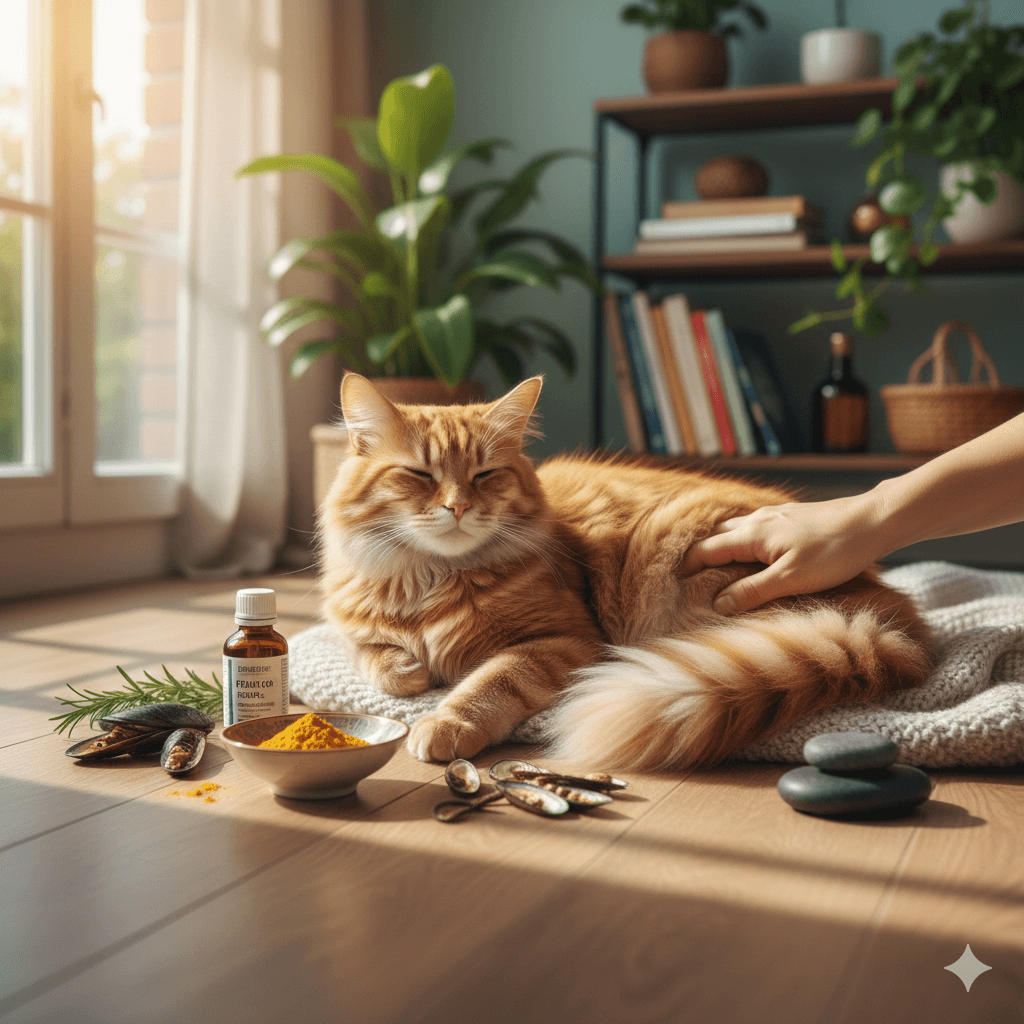
Natural Supplements for Cat Arthritis
- Glucosamine and Chondroitin:
These compounds help rebuild cartilage and lubricate joints, reducing stiffness and promoting smoother movement. They’re widely regarded as safe for long-term use. - Omega-3 Fatty Acids:
Found in fish oil, omega-3s have potent anti-inflammatory properties that alleviate joint swelling and pain while supporting overall cardiovascular health. - Turmeric (Curcumin):
This powerful herb contains curcumin, a compound known for its ability to combat inflammation and oxidative stress in arthritic joints. Always consult your vet before use. - Green-Lipped Mussel Extract:
Rich in glycosaminoglycans and omega-3s, this supplement supports joint repair and reduces chronic inflammation associated with arthritis. - MSM (Methylsulfonylmethane):
A sulfur-containing compound, MSM aids in reducing joint inflammation and improving flexibility. It’s particularly effective when combined with glucosamine.
Check this guide 👉Understanding Pemphigus Cat Treatment: Best 7 Expert Tips!
Check this guide 👉Cat Anaphylactic Shock Treatment Costs: Best 7 Expert Tips!
Check this guide 👉Cat Bone Cancer Treatment: Best 7 Expert Tips!
Natural Treatment Options | Benefits |
|---|---|
Glucosamine and Chondroitin | Rebuilds cartilage and lubricates joints |
Omega-3 Fatty Acids | Reduces inflammation and supports heart health |
Turmeric (Curcumin) | Combats oxidative stress and joint swelling |
Green-Lipped Mussel Extract | Promotes joint repair and reduces pain |
Massage Therapy | Improves circulation and releases endorphins |
Dietary Adjustments to Support Joint Health
- High-Quality Protein Sources:
Lean meats like chicken, turkey, or rabbit supply amino acids necessary for muscle maintenance and tissue repair around arthritic joints. - Low-Carb, Grain-Free Diets:
Excess carbohydrates contribute to inflammation; grain-free diets minimize this risk while focusing on nutrient-dense ingredients. - Hydration Through Wet Food:
Wet food increases moisture intake, keeping joints hydrated and supporting cartilage health. Cats prone to dehydration benefit greatly from this approach. - Antioxidant-Rich Foods:
Blueberries, spinach, and other antioxidant-rich foods combat free radicals that exacerbate joint damage and inflammation. - Bone Broth Additions:
Homemade bone broth provides collagen, minerals, and hydration, all of which promote joint lubrication and comfort.
Gentle Therapies for Managing Feline Arthritis
- Massage Therapy:
Light massage stimulates blood flow to stiff joints, relaxes muscles, and releases endorphins that naturally alleviate pain. Use slow, gentle strokes along your cat’s back and limbs. - Acupuncture Sessions:
This ancient practice involves inserting fine needles into specific points to relieve pain and restore energy balance. Many cats tolerate acupuncture well and experience noticeable improvements. - Physical Therapy Exercises:
Controlled movements like stretching or short walks encourage joint flexibility and muscle strength. Consult a professional therapist for guidance tailored to your cat’s needs. - Heat Therapy:
Applying warm compresses or heated pads (on low settings) soothes sore joints and relaxes surrounding tissues. Ensure the heat source is safe and not too hot. - Laser Therapy:
Low-level laser therapy reduces inflammation and accelerates healing at the cellular level, offering drug-free pain relief for arthritic cats.
Environmental Modifications for Comfort
- Accessible Sleeping Areas:
Provide soft, orthopedic beds placed in easily accessible locations to prevent unnecessary jumping or climbing. Consider steps or ramps for elevated spots. - Low-Sided Litter Boxes:
Choose wide, shallow litter boxes that don’t require excessive bending or stepping, ensuring your cat can use them comfortably. - Non-Slip Flooring:
Place rugs or mats on slippery surfaces to give your cat better traction and prevent falls during movement. - Interactive Play Adaptations:
Use wand toys or feather teasers close to the ground to engage your cat without forcing them to leap or pounce excessively. - Temperature Control:
Keep your home warm, as cold weather exacerbates joint stiffness. Provide cozy blankets or heated pads for added comfort during colder months.
Herbal Remedies for Feline Arthritis
- Boswellia Serrata (Indian Frankincense):
This herb reduces inflammation and improves joint function by inhibiting enzymes that break down cartilage. It’s gentle on the stomach and suitable for long-term use. - Devil’s Claw Root:
Known for its analgesic properties, devil’s claw alleviates arthritis pain and stiffness. Always administer under veterinary supervision due to potential side effects. - Willow Bark Extract:
Similar to aspirin, willow bark contains salicin, which eases pain and inflammation. Use cautiously, as it may interact with other medications. - Yucca Root:
Rich in saponins, yucca root reduces joint inflammation and supports immune system function. It’s often included in joint health supplements for pets. - Nettle Leaf:
This herb is packed with vitamins and minerals that strengthen bones and joints while reducing inflammatory responses in the body.
Preventive Measures to Slow Arthritis Progression
- Maintain a Healthy Weight:
Excess weight puts additional strain on joints, accelerating wear and tear. A lean body mass reduces pressure and delays arthritis onset. - Regular Low-Impact Exercise:
Encourage activities like gentle play or short walks to maintain muscle tone and joint flexibility without overexertion. - Routine Veterinary Check-Ups:
Early detection of joint issues allows for timely intervention. Regular exams catch problems before they become severe. - Joint-Friendly Toys and Activities:
Interactive toys that stimulate movement without stressing joints keep your cat active and engaged. Avoid activities requiring high jumps or sudden stops. - Supplement Proactively:
Start joint supplements early, especially in breeds predisposed to arthritis, to fortify cartilage and delay degeneration.
Frequently Asked Questions About Natural Cat Arthritis Treatments
Can I give my cat human arthritis supplements?
No, human supplements are not formulated for cats and may contain ingredients toxic to them. Always choose products specifically designed for feline use.
How long does it take for natural treatments to work?
Results vary depending on the treatment and severity of arthritis, but most cats show improvement within 4–8 weeks of consistent use.
Are there any risks with herbal remedies?
Some herbs can interact with medications or cause side effects. Always consult your veterinarian before introducing herbal remedies into your cat’s routine.
What if my cat refuses to eat supplements?
Try mixing powdered supplements with wet food, using flavored chews, or opting for liquid formulas that can be administered directly into their mouth.
Can diet alone manage my cat’s arthritis?
While diet supports joint health, it’s most effective when combined with other treatments like supplements, therapies, or environmental modifications.
Supporting Your Cat Through Arthritis Naturally

How to Taper Off Prednisone for Cats: Best 7 Expert Tips! – Safely reduce prednisone with vet guidance. Learn now!
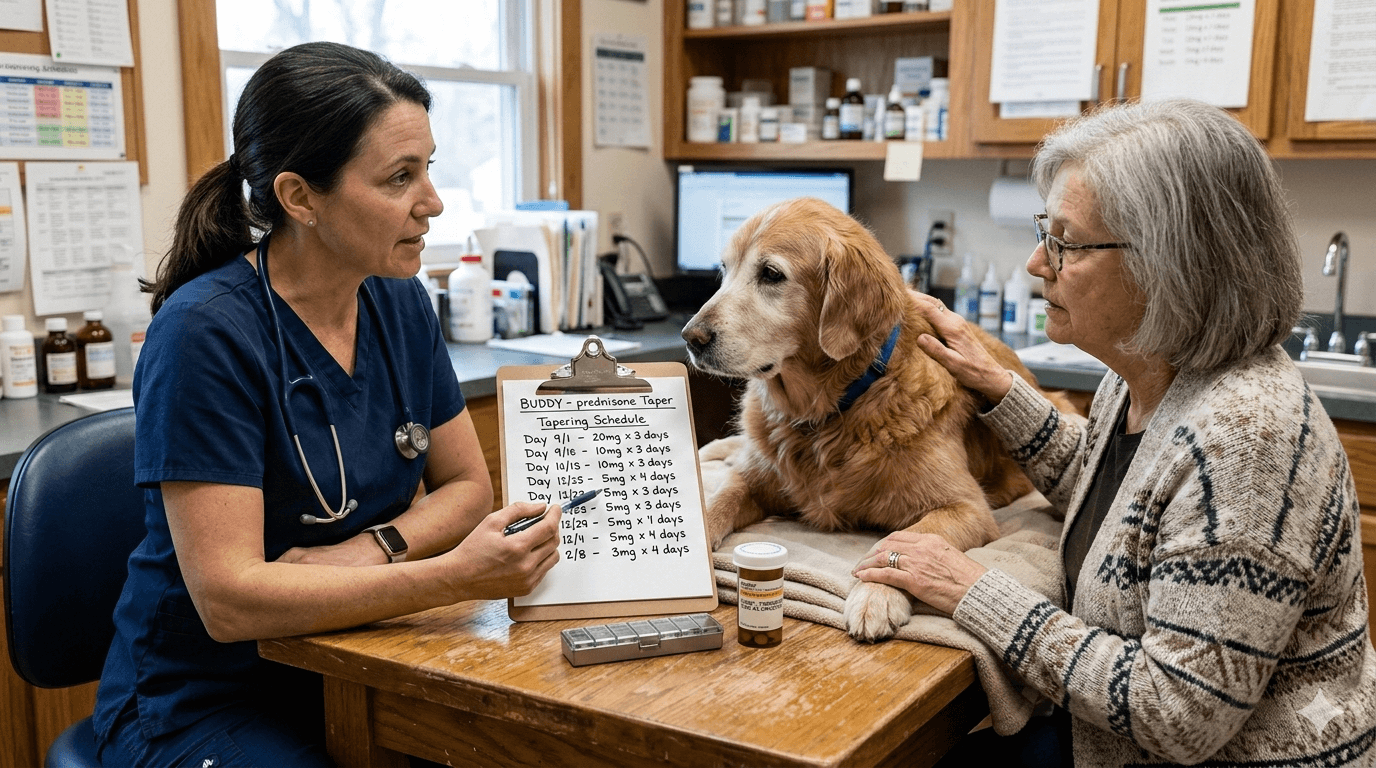
How to Taper Off Prednisone Schedule for Dogs: Best 7 Tips! – Learn the safe way to reduce prednisone, recognize withdrawal signs, and keep your dog healthy during the process.

Can a Cat Scratch Give You Rabies? Best 7 Expert Tips! – Learn how rabies spreads, assess risks from cat scratches, and know when to seek medical help. Stay safe!

Can a Dog Scratch Give You Rabies? Best 7 Expert Tips! – Learn the risks, symptoms, and steps to take if scratched by a dog. Stay informed and protect yourself from rabies exposure.