

Understanding the Native American Indian Dog Temperament: A Loyal Companion
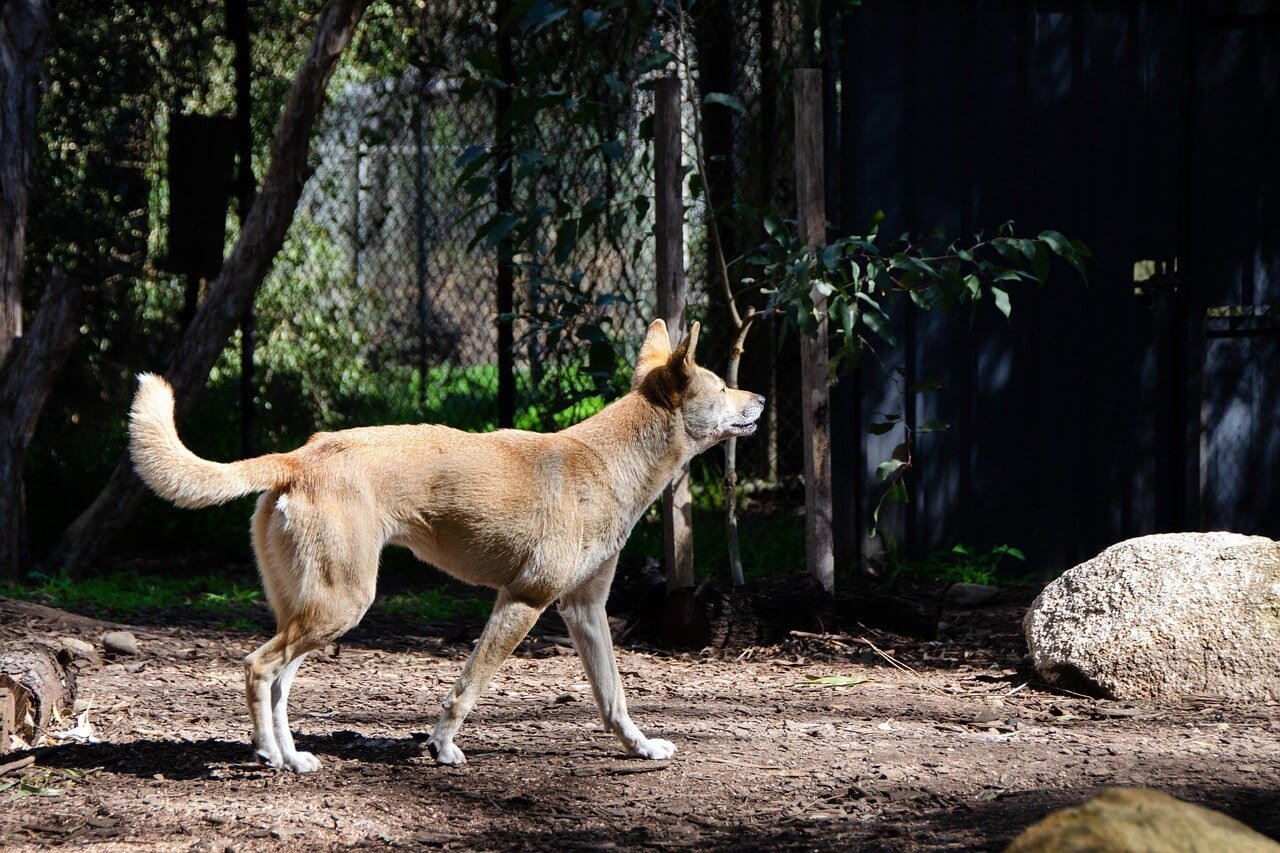
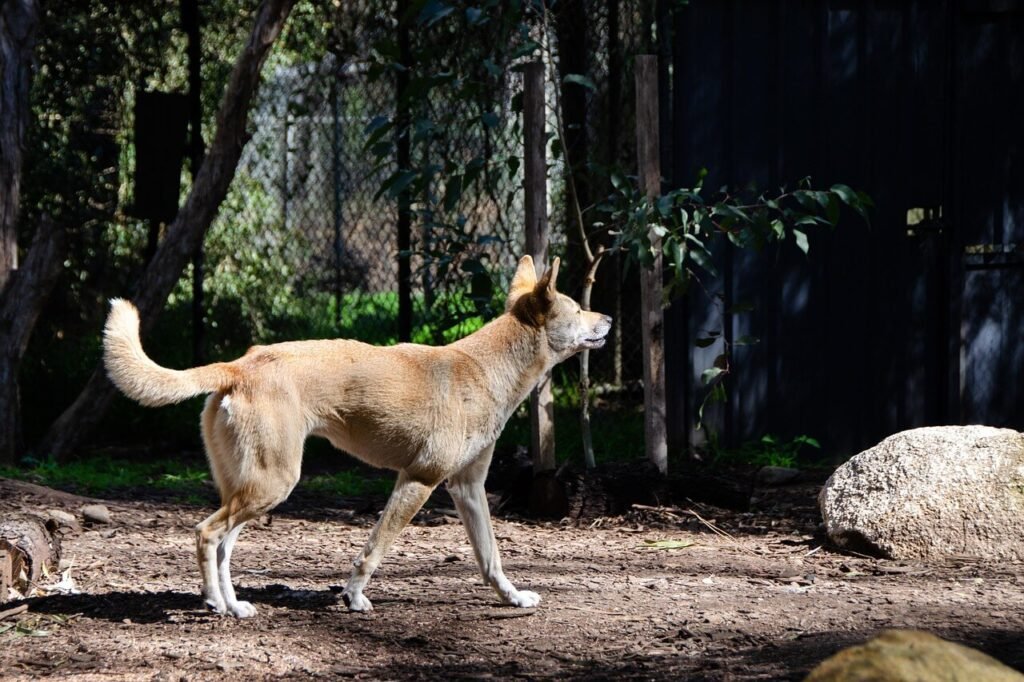
The Native American Indian Dog is a breed that captures the hearts of many dog lovers with its striking appearance and remarkable personality. Often mistaken for a wild wolf due to its majestic looks, this breed is far from feral. Instead, it’s a loyal, intelligent, and affectionate companion that thrives in family settings. But what exactly makes the Native American Indian Dog temperament so unique? In this blog post, we’ll explore the traits that define this breed, how they interact with humans and other animals, and why they might just be the perfect addition to your home. Whether you’re considering adopting one or simply curious about this fascinating breed, read on to discover what sets them apart.
Key Traits of the Native American Indian Dog Temperament
The Native American Indian Dog is known for its balanced and adaptable nature. These dogs are versatile, making them suitable for various households, from active families to single owners. Below are some key characteristics that define their temperament:
Loyalty: They form deep bonds with their families and are fiercely protective, often acting as natural watchdogs.
Intelligence: Highly trainable and quick learners, they excel in obedience training and problem-solving tasks.
Calm Demeanor: Despite their size and strength, they tend to have a calm and composed disposition, especially indoors.
Social Nature: They enjoy interacting with people and other pets, provided they are properly socialized from an early age.
Independence: While affectionate, they also possess a level of independence, which can make them less clingy than some other breeds.
The combination of these traits makes the Native American Indian Dog a well-rounded companion. Their adaptability ensures they fit seamlessly into different lifestyles, whether you live in a bustling city or a quiet countryside home.
How the Native American Indian Dog Interacts with Family Members
One of the standout qualities of the Native American Indian Dog temperament is its ability to integrate into family life. These dogs thrive on companionship and are happiest when included in daily activities. Here’s how they typically interact with different members of the household:
With Adults: They are gentle and respectful, often forming strong partnerships with adult owners who provide consistent leadership.
With Children: Known for their patience and tolerance, they are excellent playmates for kids, though supervision is always recommended.
With Seniors: Their calm demeanor and moderate energy levels make them ideal companions for older individuals seeking a low-maintenance pet.
With Other Pets: They generally get along well with cats and other dogs, especially if introduced gradually and positively.
As Protectors: Their protective instincts kick in when they sense danger, making them reliable guardians for the entire family.
Their friendly yet vigilant nature ensures they contribute positively to any household dynamic. Proper training and socialization further enhance their ability to bond harmoniously with everyone.
Check this guide 👉Native American Dog Names: Unique & Meaningful Choices!
Check this guide 👉Discovering the Pungsan Dog Price: Best 7 Expert Tips!
Strengths of the Native American Indian Dog | Challenges to Consider |
|---|---|
Exceptionally loyal and protective | Requires regular exercise to stay healthy |
Intelligent and easy to train | Can become destructive if bored |
Adaptable to various living environments | Needs early socialization to prevent shyness |
Calm and gentle around children | May exhibit stubborn streaks during training |
Low grooming needs | Not ideal for first-time dog owners |
Training and Socialization Tips for Native American Indian Dogs
To bring out the best in your Native American Indian Dog, proper training and socialization are essential. Their intelligence and eagerness to please make them highly trainable, but consistency is key. Here are some tips to guide you through the process:
Start Early: Begin training and socialization as soon as you bring your puppy home to establish good habits early on.
Use Positive Reinforcement: Reward-based methods work best, using treats, praise, or toys to encourage desired behaviors.
Focus on Obedience: Teach basic commands like “sit,” “stay,” and “come” to build a foundation for more advanced training.
Expose Them to New Experiences: Introduce them to different environments, sounds, and people to boost their confidence and reduce anxiety.
Be Patient and Consistent: Avoid harsh corrections; instead, remain patient and reinforce lessons consistently over time.
By investing time and effort into training, you’ll cultivate a well-behaved and happy companion who thrives in any situation.
Exercise and Mental Stimulation Needs
Native American Indian Dogs are active and intelligent, requiring both physical exercise and mental stimulation to stay content. Neglecting these needs can lead to behavioral issues such as chewing or digging. Here’s how to meet their requirements effectively:
Daily Walks: Aim for at least 30–60 minutes of walking or jogging each day to burn off excess energy.
Playtime: Engage them in games like fetch, tug-of-war, or agility exercises to keep them entertained and physically fit.
Mental Challenges: Puzzle toys and interactive feeders stimulate their minds and keep boredom at bay.
Outdoor Adventures: Hiking or swimming provides opportunities for exploration while strengthening your bond.
Structured Activities: Enroll them in classes like obedience or scent work to channel their intelligence constructively.
Meeting their exercise and mental needs ensures a balanced and fulfilled dog, ready to relax and enjoy downtime with you.
Understanding Potential Health Issues and Care Needs
While Native American Indian Dogs are generally healthy, no breed is entirely free from potential health concerns. Being aware of these issues can help you provide the best care and ensure your dog lives a long, happy life. Here are some key health considerations to keep in mind:
Hip Dysplasia: Like many large breeds, they may be prone to hip dysplasia, so regular vet check-ups are essential.
Bloat (Gastric Torsion): This life-threatening condition can occur in deep-chested dogs; feeding smaller meals and avoiding vigorous exercise after eating helps reduce risk.
Allergies: Some individuals may develop skin or food allergies, requiring dietary adjustments or veterinary treatment.
Dental Health: Regular brushing and professional cleanings prevent gum disease and tooth decay.
Parasites: Fleas, ticks, and worms can affect their health; routine preventative treatments are crucial.
By staying proactive about their health, you can minimize risks and ensure your Native American Indian Dog remains vibrant and active for years to come.
Creating the Ideal Environment for Your Dog
The Native American Indian Dog adapts well to various living situations, but providing the right environment is key to their happiness. Their size and energy levels mean they need adequate space and stimulation. Here’s how to create an ideal setup for your furry friend:
Outdoor Access: A securely fenced yard allows them to roam safely and burn off energy during playtime.
Indoor Comfort: Provide a cozy bed or designated area indoors where they can relax and feel secure.
Climate Considerations: Their thick double coat makes them resilient to cold weather, but they may need cooling measures in hot climates.
Space for Exercise: Even if you live in an apartment, ensure they have enough room to move around comfortably.
Toys and Enrichment: Keep engaging toys and activities available to prevent boredom and destructive behavior.
With the right living arrangements, your Native American Indian Dog will feel at home and thrive in any setting, whether urban or rural.
Tips for Strengthening Your Relationship
A strong bond between you and your Native American Indian Dog is the foundation of a happy and harmonious relationship. These dogs are naturally affectionate and eager to please, but nurturing your connection takes effort and intentionality. Here are some ways to deepen your bond:
Spend Quality Time Together: Dedicate daily moments to focus solely on your dog, whether it’s playing, training, or cuddling.
Engage in Shared Activities: Participate in activities like hiking, swimming, or agility courses to build trust and teamwork.
Practice Positive Reinforcement: Reward good behavior consistently to reinforce your role as a kind and fair leader.
Communicate Clearly: Use consistent commands and body language to avoid confusion and strengthen mutual understanding.
Show Affection Regularly: Physical touch, such as petting or gentle grooming, reassures them of your love and care.
By investing time and energy into your relationship, you’ll cultivate a lifelong partnership filled with trust, loyalty, and joy.
Frequently Asked Questions About Native American Indian Dog Temperament
Are Native American Indian Dogs aggressive?
No, they are not inherently aggressive. With proper training and socialization, they are friendly and trustworthy companions.
Do they get along with other pets?
Yes, they generally coexist peacefully with other animals, particularly if introduced early and positively.
How much attention do they need?
While independent, they still crave companionship and thrive on spending quality time with their owners.
Can first-time owners handle this breed?
It’s possible but challenging. Their intelligence and energy levels may overwhelm inexperienced handlers.
Are they good with kids?
Absolutely! Their patience and gentleness make them wonderful playmates for children.
Final Thoughts: Is the Native American Indian Dog Right for You?
The Native American Indian Dog temperament is a blend of loyalty, intelligence, and versatility, making them exceptional companions for the right owner. While they aren’t suited for everyone, those willing to invest time in training, exercise, and socialization will find a devoted friend who enriches their lives immensely. Before bringing one into your home, consider your lifestyle and whether it aligns with their needs. If you’re ready for the commitment, this remarkable breed promises years of joy, love, and unwavering companionship. After all, few breeds embody the spirit of partnership quite like the Native American Indian Dog.
Is Rawhide Bad for Cats? Best 7 Expert Tips! – Discover the risks, safe alternatives, and expert advice to keep your feline friend healthy and happy.

Is Rawhide Bad for Dogs? Best 7 Expert Tips! – Discover the risks, benefits, and safer alternatives to rawhides for your dog’s chewing needs.

Understanding Anorexia in Cats: Best 7 Expert Tips! – Learn why cats stop eating, spot warning signs, and discover how to help your feline regain appetite safely.

Understanding Anorexia in Dogs: Best 7 Expert Tips! – Learn causes, symptoms, and solutions to help your dog regain appetite and stay healthy.