

My Dog Is Disoriented: Best 7 Expert Tips!

My Dog Is Disoriented: Best 7 Expert Tips!

My Dog Is Disoriented: What Should I Do?


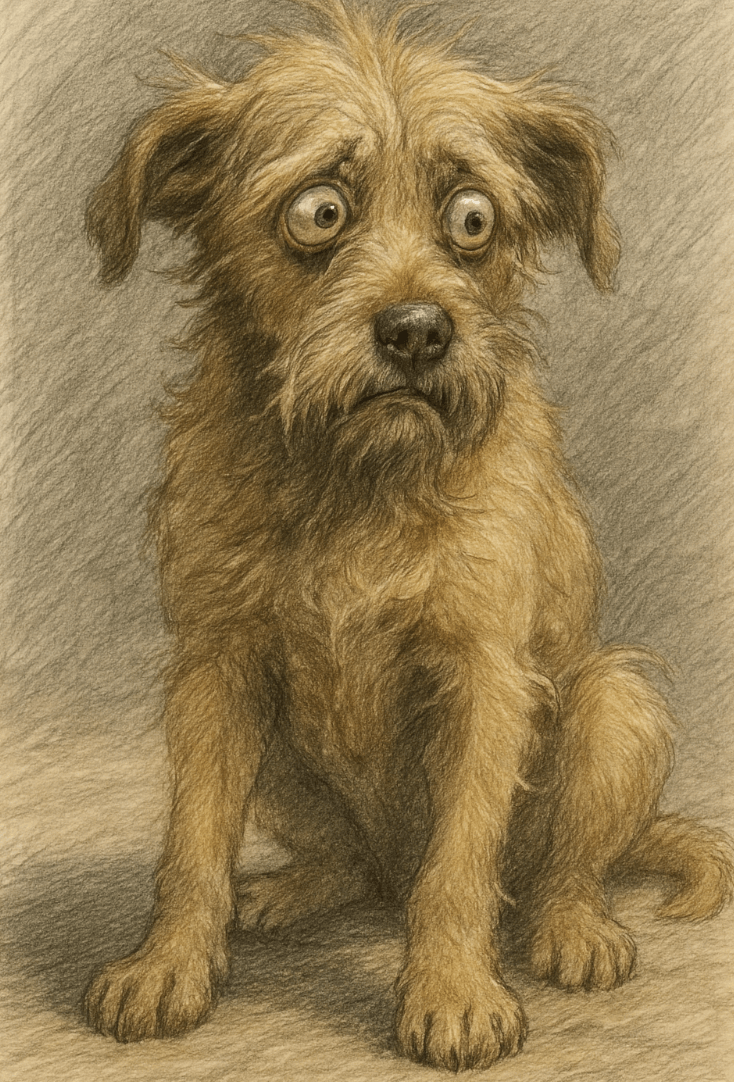
Seeing your dog disoriented can be alarming and leave you feeling helpless. Disorientation in dogs may manifest as confusion, stumbling, or difficulty recognizing familiar people or places. While occasional disorientation might not signal a serious issue, persistent or severe symptoms warrant immediate attention. Understanding the potential causes, recognizing early warning signs, and knowing how to respond can make all the difference in ensuring your furry friend’s well-being. In this blog post, we’ll explore everything you need to know about disorientation in dogs, from possible triggers to actionable steps you can take to help your pet.

Common Causes of Disorientation in Dogs


Disorientation in dogs can stem from a variety of underlying issues, ranging from minor concerns to serious medical conditions. Identifying the root cause is crucial for addressing the problem effectively.

 
  • Ear Infections:
    Inner ear infections can disrupt balance and spatial awareness, leading to disorientation and head tilting.

  • Vestibular Disease:
    This condition affects the inner ear or brainstem, causing dizziness, circling, and loss of coordination.

  • Low Blood Sugar (Hypoglycemia):
    A drop in blood sugar levels can lead to confusion, weakness, and even fainting in dogs.

  • Toxin Exposure:
    Ingesting harmful substances like antifreeze, medications, or certain plants can impair neurological function.

  • Senior Dog Cognitive Dysfunction:
    Similar to dementia in humans, older dogs may experience cognitive decline, resulting in confusion and memory loss.


Understanding these potential causes helps you narrow down the issue and seek appropriate care for your dog.

Signs Your Dog May Be Disoriented


Recognizing the signs of disorientation early can help you address the issue before it worsens. Keep an eye out for these behavioral and physical symptoms.

 
  • Circling or Pacing:
    Dogs may walk in circles or pace aimlessly, unable to settle down or find their way around.

  • Difficulty Standing or Walking:
    Stumbling, swaying, or falling over can indicate problems with balance or coordination.

  • Confusion in Familiar Settings:
    Your dog may seem lost or unsure in places they know well, such as your home or yard.

  • Head Tilting or Shaking:
    Persistent head tilting or shaking could point to inner ear issues or neurological problems.

  • Changes in Behavior:
    Sudden withdrawal, aggression, or unusual clinginess may accompany disorientation.


If you notice any of these signs, it’s important to monitor your dog closely and consult a veterinarian if symptoms persist.

My Dog Is Disoriented: Best 7 Expert Tips!
Possible Causes of Disorientation
Steps to Take
Ear infections
Schedule a vet visit for diagnosis
Vestibular disease
Provide a calm, quiet environment
Low blood sugar
Offer small meals frequently
Toxin exposure
Identify and remove the toxin source
Cognitive dysfunction
Engage in mental stimulation activities

How to Help a Disoriented Dog at Home


While professional veterinary care is essential, there are several steps you can take at home to support your disoriented dog and keep them comfortable.

 
  • Create a Safe Space:
    Remove obstacles and hazards to prevent accidents, especially if your dog is struggling with balance.

  • Offer Gentle Reassurance:
    Speak softly and stay close to comfort your dog without overwhelming them.

  • Monitor Their Diet:
    Ensure your dog stays hydrated and eats small, nutrient-rich meals to maintain energy levels.

  • Limit Physical Activity:
    Restrict strenuous exercise to avoid worsening symptoms like dizziness or fatigue.

  • Keep a Journal:
    Track your dog’s symptoms, including frequency and severity, to share with your vet during consultations.


These measures can provide temporary relief while you work with your veterinarian to identify and treat the underlying cause.

When to Seek Immediate Veterinary Care


Some cases of disorientation require urgent attention to prevent complications or worsening conditions. Knowing when to act quickly can save your dog’s life.

 
  • Sudden Onset of Symptoms:
    If disorientation appears abruptly, it could indicate a stroke, poisoning, or other emergencies.

  • Seizures or Collapse:
    These symptoms often suggest neurological issues that need immediate evaluation.

  • Persistent Vomiting or Diarrhea:
    Gastrointestinal distress combined with disorientation may signal toxicity or systemic illness.

  • Inability to Stand or Walk:
    Complete loss of mobility requires prompt investigation to rule out spinal or brain injuries.

  • Unusual Aggression or Fear:
    Sudden personality changes can indicate pain or severe neurological dysfunction.


Don’t hesitate to contact your vet or an emergency clinic if your dog exhibits any of these red flags.


Preventing Disorientation in Dogs


Taking preventive measures can reduce the likelihood of disorientation in your dog, especially as they age or face health challenges.

 
  • Regular Vet Check-Ups:
    Routine exams help catch underlying issues before they escalate into serious problems.

  • Balanced Nutrition:
    Feeding a high-quality diet supports brain health and overall well-being.

  • Mental Stimulation:
    Puzzle toys, training sessions, and interactive games keep your dog’s mind sharp and engaged.

  • Avoiding Toxins:
    Keep harmful substances like chemicals, medications, and toxic plants out of reach.

  • Managing Stress:
    Create a stable, predictable environment to minimize anxiety and its effects on your dog’s behavior.


Proactive prevention can go a long way in maintaining your dog’s cognitive and physical health.


How Aging Affects Dog Disorientation


As dogs grow older, their bodies undergo changes that can contribute to disorientation. Understanding these age-related factors helps you prepare for potential challenges.

 
  • Decline in Sensory Perception:
    Vision and hearing loss can make navigating familiar spaces more difficult for senior dogs.

  • Slower Reflexes:
    Aging dogs may struggle with coordination and balance, increasing the risk of falls or confusion.

  • Reduced Brain Function:
    Cognitive decline can lead to memory lapses and difficulty processing information.

  • Weakened Immune System:
    Older dogs are more susceptible to infections or illnesses that could cause disorientation.

  • Joint Pain or Arthritis:
    Mobility issues can exacerbate feelings of disorientation by limiting movement and exploration.


By acknowledging these changes, you can tailor your care to meet your aging dog’s unique needs.

Tips for Managing Disorientation During Recovery


If your dog is recovering from disorientation, these tips can help ease the process and promote healing.

 
  • Stick to a Routine:
    Consistent feeding, walking, and sleeping schedules provide stability and comfort.

  • Use Calming Aids:
    Products like pheromone diffusers or calming supplements can reduce anxiety and stress.

  • Encourage Gentle Exercise:
    Short, controlled walks can improve circulation and aid recovery without overexertion.

  • Minimize Noise and Distractions:
    A quiet, peaceful environment helps your dog focus and regain their bearings.

  • Celebrate Small Wins:
    Acknowledge progress, no matter how minor, to stay motivated and positive throughout the journey.


With patience and care, many dogs can overcome disorientation and return to their happy, healthy selves.

Frequently Asked Questions About Disoriented Dogs

 
What should I do if my dog seems confused?

Stay calm, observe their behavior, and contact your vet if symptoms persist or worsen.

Yes, extreme stress or anxiety can temporarily affect a dog’s mental clarity and behavior.

Most cases improve with time and supportive care, though some may require medication or therapy.

Regular exercise, mental stimulation, and a balanced diet can slow cognitive decline in aging dogs.

Some breeds are predisposed to conditions like vestibular disease or cognitive dysfunction, but any dog can be affected.

Supporting Your Dog Through Disorientation


Seeing your dog disoriented can be unsettling, but understanding the potential causes and taking proactive steps can make a significant difference. Whether it’s providing a safe environment, seeking veterinary care, or simply offering gentle reassurance, your actions play a vital role in helping your pet recover. Remember, early intervention is key to addressing disorientation effectively. By staying vigilant and compassionate, you can ensure your dog receives the care they need to thrive.

Bergamasco Bernese Mountain Mix: Best 7 Expert Tips!

Bergamasco Bernese Mountain Mix: Best 7 Expert Tips! – Learn about this unique hybrid’s traits, care needs, and why it’s a perfect family companion.

Bergamasco Dalmatian Mix: Best 7 Expert Tips!

Bergamasco Dalmatian Mix: Best 7 Expert Tips! – Discover the perfect blend of loyalty and energy with this unique hybrid’s care, traits, and training insights.

Bergamasco German Shepherd Mix: Best 7 Expert Tips!

Bergamasco German Shepherd Mix: Best 7 Expert Tips! – Discover the perfect blend of loyalty, intelligence, and versatility with this unique hybrid breed. Ideal for active families!
Bergamasco Malinois Mix: Best 7 Expert Tips!

Bergamasco Malinois Mix: Best 7 Expert Tips! – Discover the perfect blend of loyalty, energy, and unique beauty with this remarkable hybrid breed.

Leave a Reply

Your email address will not be published. Required fields are marked *

Post Category