
My Dog Ate a 500mg Tylenol: Immediate Steps and Expert Guidance
Discovering your dog has swallowed a 500mg Tylenol tablet is alarming—and for good reason. Acetaminophen (the active ingredient in Tylenol) is highly toxic to dogs, even in small amounts. While every situation varies by weight, health, and timing, fast action can make a life-saving difference. This guide delivers clear, vet-backed steps to take immediately, signs to monitor, and how to prevent future exposure. Stay calm, act swiftly, and never wait to see if symptoms appear—your dog’s liver and red blood cells are at serious risk.
What Happens When a Dog Ingests Tylenol
Tylenol (acetaminophen) is not safe for dogs at any dose without veterinary supervision. Unlike humans, dogs metabolize it poorly, leading to toxic byproducts that damage red blood cells and the liver. Effects can begin within 1–4 hours, and toxicity worsens with time. Even one 500mg pill can be dangerous—especially for small or medium dogs. Immediate veterinary care is critical, as outcomes depend heavily on how quickly treatment begins.
- Red Blood Cell Damage:
Acetaminophen causes methemoglobinemia—a condition where blood can’t carry oxygen properly—leading to weakness, breathing trouble, and blue-tinged gums. - Liver Toxicity:
The liver struggles to process the drug, potentially causing inflammation, cell death, or even acute liver failure within 24–72 hours. - Gastrointestinal Irritation:
Vomiting, drooling, or abdominal pain may appear early as the stomach reacts to the chemical irritation. - Swelling in Face or Paws:
Some dogs develop edema (fluid buildup) in the face, limbs, or neck—a sign of severe allergic-type reaction to the toxin. - Lethargy and Collapse:
As oxygen levels drop and organs strain, your dog may become unresponsive, wobbly, or collapse entirely.
Even if your dog seems fine now, internal damage may already be underway—do not wait for symptoms before calling a vet or poison control.
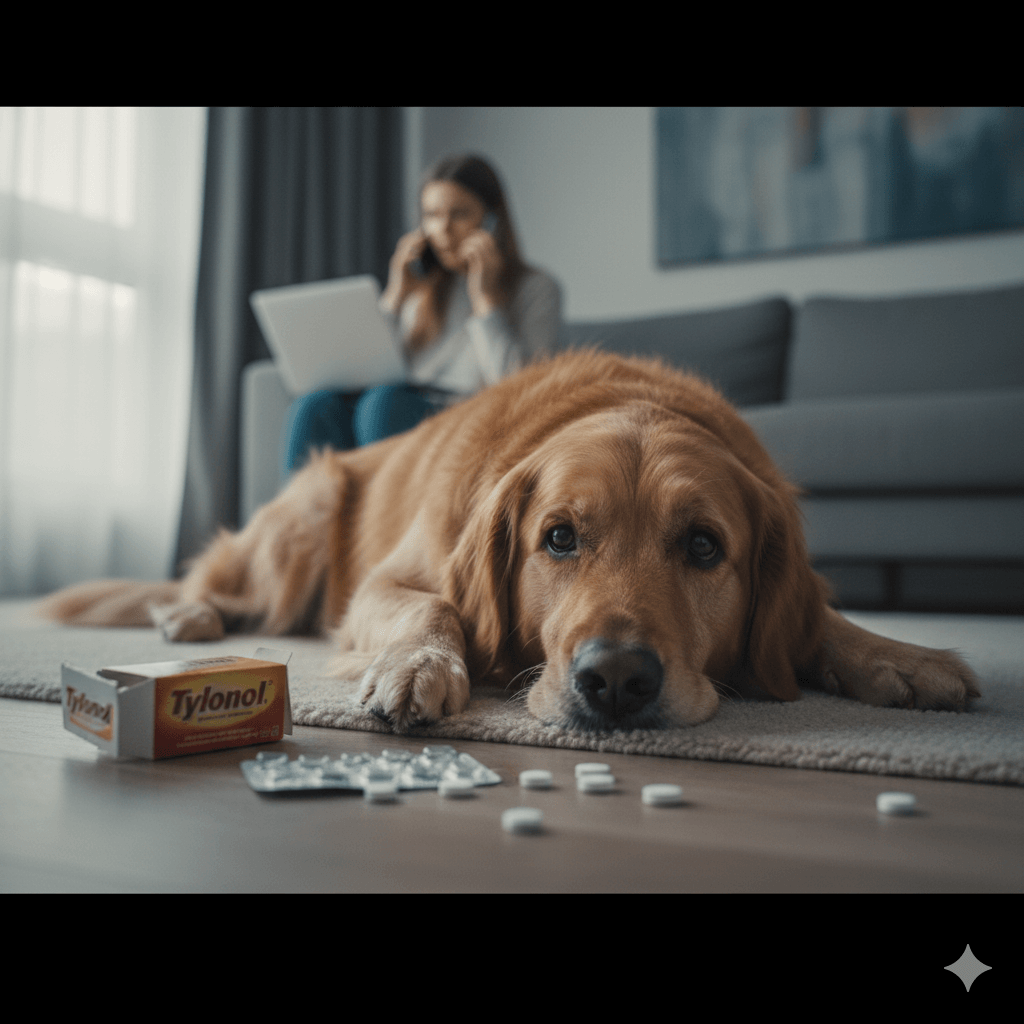
How Much Tylenol Is Toxic to Dogs?
Toxicity depends on dose per pound, not just the pill size. A single 500mg tablet is potentially lethal for many dogs, especially under 50 pounds. While exact thresholds vary, toxicity can occur at doses as low as 100–150 mg per kg (45–68 mg per pound). For perspective: a 20-pound dog could show serious effects from just 900–1,350 mg total—meaning even one 500mg pill is a medical emergency.
- Small Dogs (Under 20 lbs):
One 500mg pill may cause severe, life-threatening toxicity—urgent intervention is essential. - Medium Dogs (20–50 lbs):
High risk of liver damage and methemoglobinemia; veterinary assessment is non-negotiable. - Large Dogs (Over 50 lbs):
May tolerate the dose slightly better but are still at significant risk—never assume safety. - Puppies or Senior Dogs:
Extra vulnerable due to immature or declining organ function—act immediately regardless of weight. - Dogs with Preexisting Liver Disease:
Even tiny amounts can trigger rapid organ failure; treat any ingestion as critical.
There is no safe “wait-and-see” window—acetaminophen toxicity escalates quickly, and early treatment dramatically improves survival odds.
Check this guide 👉Can Dogs Have Tylenol for Pain? Best 7 Expert Tips!
Check this guide 👉Is Tylenol Safe for Dogs? Best 7 Expert Tips!
Check this guide 👉High Anxiety Dog Medication: Best 7 Expert Tips!
Early Warning Signs | Critical Symptoms Requiring ER Care |
|---|---|
Vomiting or drooling | Blue, gray, or chocolate-brown gums |
Loss of appetite | Rapid or labored breathing |
Lethargy or weakness | Swollen face, paws, or neck |
Dark or tea-colored urine | Collapse or unresponsiveness |
Mild wobbliness | Yellowing of eyes or skin (jaundice) |
Immediate Actions to Take If Your Dog Ate Tylenol
Time is your most valuable resource. Within the first 1–2 hours, certain interventions can drastically reduce absorption. Do not induce vomiting unless instructed—some situations make it dangerous. Instead, follow these steps precisely:
- Call Your Veterinarian Immediately:
Describe the pill strength (500mg), approximate time ingested, and your dog’s weight. Follow their exact instructions. - Contact a Pet Poison Helpline:
In the U.S., call the ASPCA Animal Poison Control (888-426-4435) or Pet Poison Helpline (855-764-7661)—have the pill bottle ready. - Do NOT Give Home Remedies:
Never administer activated charcoal, milk, or hydrogen peroxide without professional direction—these can worsen harm. - Gather Information:
Note the exact time of ingestion, number of pills, and any symptoms observed—this helps vets decide on treatments like N-acetylcysteine (NAC). - Prepare for Emergency Transport:
If advised, head to the nearest emergency vet. Bring the Tylenol bottle and any vomit samples if safely possible.
Quick, informed action in the first few hours offers the best chance for full recovery—delays can be fatal.
Veterinary Treatments for Tylenol Toxicity
If brought in early, vets can administer life-saving protocols to limit damage and support recovery. Treatment is intensive and time-sensitive, often requiring hospitalization for 24–72 hours depending on severity.
- Decontamination (If Within 2 Hours):
Induced vomiting or activated charcoal may be used to reduce drug absorption—only if the airway is protected. - Antidote Therapy (N-Acetylcysteine):
NAC is the gold-standard antidote; it replenishes glutathione, helping the liver detoxify acetaminophen and protect red blood cells. - Intravenous Fluids:
IV fluids maintain hydration, support kidney function, and help flush toxins from the system. - Oxygen Support:
If methemoglobinemia causes oxygen deficiency, supplemental oxygen or even blood transfusions may be needed. - Liver Protectants and Monitoring:
Medications like SAMe or silybin (milk thistle extract) support liver recovery, while blood tests track liver enzymes and red blood cell health.
With prompt treatment, many dogs recover fully—but outcomes worsen significantly after 8–12 hours post-ingestion.
Long-Term Effects and Recovery Outlook
Most dogs who receive early, aggressive treatment recover without lasting issues. However, delayed care can lead to permanent liver damage or chronic anemia. Recovery typically takes 5–7 days, with close monitoring for relapse or complications.
- Full Recovery Likely With Early Care:
Dogs treated within 4–8 hours often return to normal within a week with no long-term effects. - Possible Liver Scarring:
Severe cases may result in reduced liver function, requiring ongoing diet and supplement support. - Follow-Up Blood Work:
Vets usually recommend repeat liver panel tests 24–48 hours after treatment to ensure stability. - Behavioral Changes During Recovery:
Your dog may seem tired or off-food for a few days—this is normal as the body heals. - Preventing Reoccurrence Is Critical:
Store all human medications in locked cabinets—dogs have been known to chew through bottles or steal pills off counters.
Recovery is possible, but prevention is far safer—never assume “just one pill” is harmless.
How to Prevent Future Medication Accidents
Human medications are among the top causes of pet poisoning. A few simple habits can protect your dog from accidental exposure forever.
- Store Medications Securely:
Keep all pills—even “natural” supplements—in child-proof, pet-proof containers, ideally in locked cabinets. - Never Leave Pill Bottles Unattended:
A spilled pill on the floor or nightstand can vanish in seconds—always cap and store immediately after use. - Avoid Taking Meds Near Your Dog:
Dogs may associate pills with treats; don’t take your own medication while petting or feeding them. - Educate All Household Members:
Ensure kids, guests, and caregivers know never to give human meds to pets—even with good intentions. - Use Pet-Specific Pain Relief Only:
If your dog needs pain management, only use medications prescribed by your vet—never substitute human drugs.
Prevention takes seconds but saves your dog from hours of suffering—and you from heartbreak.
What to Expect in the First 24 Hours After Tylenol Ingestion
The first day after your dog eats a 500mg Tylenol pill is the most critical window for intervention and monitoring. Even if your dog seems fine initially, internal damage may already be developing. Close observation and quick veterinary support during this period can determine the difference between full recovery and life-threatening complications.
- First 1–2 Hours: Absorption Phase
The drug begins entering the bloodstream through the stomach and intestines—this is when decontamination (like activated charcoal) is most effective if approved by a vet. - 3–6 Hours: Early Symptom Onset
Watch for subtle signs like lethargy, drooling, or reluctance to move—your dog may appear “off” before vomiting or breathing issues appear. - 6–12 Hours: Peak Toxic Effects Begin
Methemoglobinemia and liver stress escalate; gums may turn brownish, and breathing might become rapid or labored. - 12–24 Hours: Critical Monitoring Period
Liver enzymes start rising, urine may darken, and weakness intensifies—this is when most dogs require hospitalization if not already admitted. - Ongoing Risk Beyond 24 Hours
Liver damage can continue progressing for 2–3 days, so even if your dog improves initially, follow-up care remains essential.
Never assume your dog is “in the clear” too soon—acetaminophen toxicity is a silent, progressive threat that demands vigilant care through the full recovery timeline.
“In dogs, clinical signs of acute acetaminophen toxicosis are not observed unless the dose exceeds 100 mg/kg. Clinical signs of methemoglobinemia have been reported in dogs at acetaminophen doses > 200 mg/kg.”
— Tyne Hovda, DVM
Frequently Asked Questions About Tylenol Ingestion in Dogs
Can a dog survive after eating a 500mg Tylenol?
Yes—if treated within a few hours. Survival rates are high with prompt veterinary care, but drop sharply with delays.
How quickly does Tylenol affect dogs?
Symptoms can start within 1–4 hours, with peak toxicity occurring at 12–24 hours—never wait to seek help.
Will my dog need to stay overnight at the vet?
Most likely, yes. Treatment often requires 24–72 hours of hospitalization for IV fluids, monitoring, and antidote therapy.
Can I give my dog activated charcoal at home?
No—only administer under veterinary guidance. Incorrect use can cause aspiration or worsen toxicity.
Is Tylenol more dangerous for small dogs?
Yes—the smaller the dog, the higher the risk. A 500mg dose can be fatal to dogs under 20 pounds.
Protecting Your Dog Starts with Awareness and Action
Finding out your dog ate a 500mg Tylenol is a moment that stops your heart—but it doesn’t have to end in tragedy. With immediate, informed action, many dogs make full recoveries and return to their happy, healthy lives. The key is speed, not panic: call your vet, follow expert advice, and never downplay the danger of human medications. Beyond this crisis, let it be a wake-up call to secure all drugs, educate your household, and commit to pet-safe practices. Your vigilance today ensures your dog’s wagging tail for many tomorrows to come.

Is Rawhide Bad for Cats? Best 7 Expert Tips! – Discover the risks, safe alternatives, and expert advice to keep your feline friend healthy and happy.

Is Rawhide Bad for Dogs? Best 7 Expert Tips! – Discover the risks, benefits, and safer alternatives to rawhides for your dog’s chewing needs.

Understanding Anorexia in Cats: Best 7 Expert Tips! – Learn why cats stop eating, spot warning signs, and discover how to help your feline regain appetite safely.

Understanding Anorexia in Dogs: Best 7 Expert Tips! – Learn causes, symptoms, and solutions to help your dog regain appetite and stay healthy.