
Most Popular Dog Breeds: Best 7 Expert Tips!
From loyal family guardians to energetic urban companions, the world’s most popular dog breeds rise to the top for good reason. These favorites combine temperament, adaptability, and charm in ways that resonate with millions of owners worldwide. Whether you’re seeking a jogging partner, a gentle playmate for kids, or a devoted couch cuddler, the most popular breeds often offer a reliable starting point. Their widespread presence also means abundant resources for training, health care, and community support. Understanding what makes these dogs so beloved—and which might truly suit your lifestyle—can help you choose wisely and love deeply.
Origins and History Behind Today’s Favorite Breeds
Popularity doesn’t happen by accident—most top breeds earned their status through centuries of purposeful work, companionship, and cultural resonance. Their histories reveal why they fit so seamlessly into modern homes:
- Working Roots:
Many popular breeds, like the German Shepherd and Labrador Retriever, were originally bred for farm, hunting, or military roles—traits that translate into intelligence and trainability today. - Royal and Celebrity Endorsement:
Breeds like the Cavalier King Charles Spaniel and French Bulldog gained fame through aristocratic ownership and Hollywood influence, boosting their appeal. - Post-War Family Shifts:
After World War II, breeds known for gentleness and child-friendliness—such as Golden Retrievers—became suburban symbols of the ideal family pet. - Kennel Club Recognition:
Official breed standards and registration (especially by the AKC and FCI) helped stabilize traits and increase accessibility through reputable breeding programs. - Adaptability to Urban Life:
Compact, low-shedding, or quiet breeds like the Poodle and Shih Tzu rose in popularity as more people moved to cities with space constraints.
These historical advantages continue to shape why certain breeds dominate parks, adoption lists, and Instagram feeds alike.
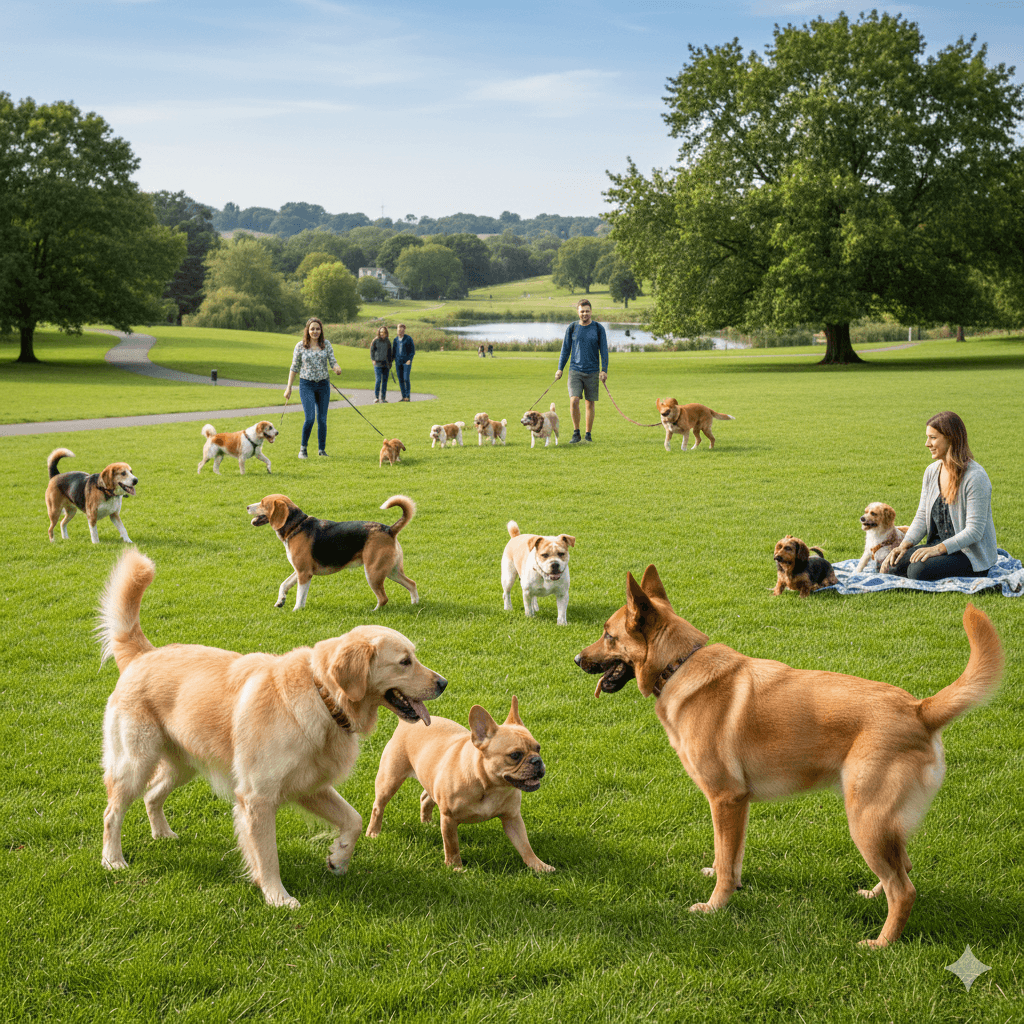
Distinctive Physical Traits of Top-Ranked Breeds
While varied in size and coat, the most popular dogs often share practical physical qualities that suit everyday life—durable health, manageable grooming, and expressive features that foster human connection:
- Versatile Sizes for Every Home:
From the tiny Chihuahua to the large Labrador, popular breeds span the full spectrum, making them accessible to apartment dwellers and house owners alike. - Coat Types for Different Lifestyles:
Short-haired Bulldogs appeal to low-maintenance owners, while curly-coated Poodles attract those willing to groom for hypoallergenic benefits. - Expressive Faces and Eyes:
Breeds like the Siberian Husky and Cavalier King Charles Spaniel have deeply emotive eyes that strengthen the human-animal bond. - Sturdy, Balanced Builds:
Even toy breeds among the most popular—like the Yorkshire Terrier—retain sound structure, reducing extreme health issues seen in less-regulated types. - Signature Features That Stand Out:
Think of the Dachshund’s long body, the Boxer’s square jaw, or the Beagle’s floppy ears—these iconic traits make breeds instantly recognizable and memorable.
These physical hallmarks aren’t just aesthetic—they reflect functional traits that support real-world living with humans.
Check this guide 👉Cuban Dog Breeds: Best 7 Expert Tips!
Check this guide 👉Understanding Dominican Dog Breeds: Best 7 Expert Tips!
Check this guide 👉Jamaican Dog Breeds: Best 7 Expert Tips!
Temperament Highlights | Care Considerations |
|---|---|
Friendly and people-oriented | Regular exercise needs vary by breed (e.g., high for Border Collies, low for Basset Hounds) |
Generally good with children | Grooming frequency ranges from weekly (Labrador) to professional styling every 6–8 weeks (Poodle) |
Trainable and eager to please | Early socialization is crucial to prevent shyness or overexcitement |
Adaptable to different households | Some popular breeds (like French Bulldogs) need climate-controlled environments due to brachycephalic traits |
Strong desire for human companionship | Prone to separation anxiety if left alone too long—especially in herding and toy groups |
Temperament and Personality Across Popular Breeds
What truly unites the most popular dogs is their emotional compatibility with human families. They tend to be outgoing, affectionate, and responsive—qualities that make daily life together rewarding:
- Natural Affection and Loyalty:
Breeds like the Golden Retriever and Cavalier King Charles Spaniel are known for their gentle, loving natures and deep attachment to owners. - Playfulness That Lasts Into Adulthood:
Many top breeds—such as the Labrador and Beagle—retain puppy-like joy, making them engaging companions for active households. - Watchfulness Without Aggression:
Dogs like the Boxer and German Shepherd alert owners to strangers but typically warm up quickly with proper introduction. - Patience with Children:
Popular family breeds are often chosen for their tolerance of noise, hugs, and clumsy handling by young kids. - Social Compatibility with Other Pets:
With early exposure, most top breeds coexist peacefully with cats and other dogs—though prey drive varies (e.g., higher in terriers).
This blend of warmth, resilience, and sociability explains why these breeds consistently rank highest in owner satisfaction surveys.
Training and Socialization Needs for Popular Breeds
Even the friendliest dogs benefit from structured guidance. Fortunately, most popular breeds are highly trainable—but their specific needs differ based on original purpose and energy level:
- Early Socialization Is Non-Negotiable:
Expose puppies to diverse people, sounds, and environments before 16 weeks to build confidence and prevent fear-based behaviors. - Positive Reinforcement Works Best:
Breeds like the Labrador, Poodle, and Shih Tzu thrive on praise, treats, and play—harsh methods backfire and damage trust. - Mental Stimulation Prevents Boredom:
High-intelligence breeds (Border Collie, German Shepherd) need puzzle toys, obedience classes, or dog sports to stay fulfilled. - Consistency Builds Good Habits:
Popular breeds often test boundaries—clear, calm rules from day one prevent jumping, barking, or counter-surfing later. - Breed-Specific Training Focus:
For example, housetraining small breeds takes patience due to tiny bladders, while large breeds need early leash manners to avoid pulling.
Investing time in training pays lifelong dividends in behavior, safety, and mutual understanding.
Grooming and Health Considerations by Breed
Popularity doesn’t eliminate health or grooming needs—in fact, some top breeds require dedicated care to thrive. Proactive maintenance ensures longevity and comfort:
- Coat Maintenance Varies Widely:
Short-haired Labs need weekly brushing, while Shih Tzus require daily face wiping and professional trims to avoid matting. - Breed-Specific Health Risks:
French Bulldogs face breathing challenges; German Shepherds may develop hip dysplasia—know your breed’s vulnerabilities. - Dental Care Is Critical:
Small popular breeds (Yorkshire Terrier, Pomeranian) are prone to periodontal disease—daily brushing is strongly recommended. - Weight Management Matters:
Breeds like Beagles and Bulldogs have hearty appetites and low activity thresholds—monitor portions to prevent obesity. - Regular Vet Check-Ups Support Longevity:
Most popular breeds live 10–15 years with preventive care, vaccinations, and early intervention for emerging issues.
Understanding these needs helps you provide not just popularity—but quality of life.
Ideal Living Environments for Top Dog Breeds
Where you live plays a huge role in which popular breed will truly flourish. Fortunately, the diversity among favorites means there’s likely a perfect match for nearly any setting:
- Apartment-Friendly Choices:
French Bulldogs, Cavalier King Charles Spaniels, and Pugs adapt well to small spaces with moderate indoor activity. - Suburban or Rural Ideal Matches:
High-energy breeds like Border Collies, Australian Shepherds, and Labradors thrive with yards and room to run. - Climate Considerations:
Double-coated breeds (Huskies, Golden Retrievers) prefer cooler climates, while short-nosed dogs need air conditioning in summer heat. - Households with Children:
Golden Retrievers, Labradors, and Boxers are time-tested for patience, sturdiness, and gentle play with kids. - Single or Senior Owners:
Low-energy, affectionate breeds like Shih Tzus or Cavalier King Charles Spaniels offer companionship without high exercise demands.
Matching your lifestyle to a breed’s natural rhythm is the secret to long-term happiness—for both of you.
Potential Downsides of Choosing a Popular Breed
High demand brings challenges: overbreeding, health issues from poor lines, and behavioral problems when owners choose based on looks alone. Awareness helps you avoid pitfalls:
- Risk of Puppy Mills and Irresponsible Breeders:
Popular breeds are often mass-produced—always verify health testing, meet parent dogs, and avoid pet stores or online-only sellers. - Waitlists and High Costs from Ethical Breeders:
Reputable breeders may charge more and have waiting lists, but they produce healthier, better-socialized puppies. - Breed Stereotypes Can Mislead:
Not every Labrador is easygoing; not every Bulldog is lazy—individual personalities vary even within popular types. - Overexposure in Shelters:
Ironically, popular breeds often fill rescues when owners underestimate their needs—consider adoption as a first option. - Trend-Driven Ownership Leads to Returns:
Social media “fads” (e.g., Dalmatians after 101 Dalmatians) cause surges in impulsive adoptions and later surrenders.
Choosing thoughtfully—not just trendily—ensures your dog stays loved for life, not just for a season.
Frequently Asked Questions About Most Popular Dog Breeds
Which dog breed is number one in the world?
According to the American Kennel Club (2025), the French Bulldog holds the top spot in the U.S., while globally, the Labrador Retriever remains widely favored for its versatility.
Are popular breeds easier to train?
Generally, yes—many top breeds were selected for intelligence and cooperation, but individual temperament and early training matter more than popularity alone.
Do popular dogs shed a lot?
It varies: Labradors and German Shepherds shed heavily, while Poodles and Shih Tzus are low-shedding—always research coat type before choosing.
Can I find a popular breed in a shelter?
Absolutely. Many purebred and mixed popular breeds end up in rescues—check breed-specific rescues or local shelters before buying.
Are popular breeds good for first-time owners?
Many are excellent choices (e.g., Golden Retriever, Cavalier King Charles Spaniel), but match the breed’s energy and needs to your lifestyle first.
Choosing Love, Not Just Trends
The most popular dog breeds have earned their place through loyalty, adaptability, and heart—but true compatibility goes beyond rankings. Whether you’re drawn to the joyful wag of a Labrador, the quiet dignity of a Boxer, or the velvety ears of a Beagle, the best choice is the one that fits your daily rhythm, space, and commitment level. Popularity offers reassurance, but your individual bond is what transforms a dog from a “top pick” into a lifelong family member. Take your time, do your research, and let your heart meet your responsibility—because the right dog, popular or not, will always feel like home.

Is Rawhide Bad for Cats? Best 7 Expert Tips! – Discover the risks, safe alternatives, and expert advice to keep your feline friend healthy and happy.

Is Rawhide Bad for Dogs? Best 7 Expert Tips! – Discover the risks, benefits, and safer alternatives to rawhides for your dog’s chewing needs.

Understanding Anorexia in Cats: Best 7 Expert Tips! – Learn why cats stop eating, spot warning signs, and discover how to help your feline regain appetite safely.

Understanding Anorexia in Dogs: Best 7 Expert Tips! – Learn causes, symptoms, and solutions to help your dog regain appetite and stay healthy.