
Most Affordable Fresh Dog Food: Best 7 Expert Tips!
Choosing fresh dog food doesn’t have to break the bank—when done wisely, it can support your pup’s health without draining your wallet. Many pet parents assume premium nutrition means premium prices, but smart shopping, portion control, and brand awareness can make fresh food surprisingly accessible. With rising interest in whole-ingredient diets, affordable options are expanding rapidly. Let’s explore how to find high-quality, vet-approved fresh meals that fit your budget—without compromising on your dog’s well-being.
How Fresh Dog Food Differs From Traditional Kibble
Fresh dog food uses minimally processed, human-grade ingredients—often refrigerated or frozen—offering better digestibility and fewer fillers than dry kibble. While it typically costs more upfront, its nutritional efficiency may reduce long-term vet bills and improve coat, energy, and stool quality. Understanding these differences helps justify the investment and guides smarter choices within your price range:
- Whole Food Ingredients:
Fresh meals prioritize real meat, vegetables, and grains—avoiding artificial preservatives, by-products, or mystery “meals.” - Moisture Content:
With 60–80% water (vs. kibble’s 10%), fresh food supports kidney and urinary health, especially in dogs who don’t drink enough. - Customized Nutrition:
Many fresh brands tailor recipes to your dog’s age, weight, and health needs—reducing waste and optimizing value. - Shorter Shelf Life:
Requires refrigeration or freezing, which may limit bulk buying but ensures ingredient integrity and safety. - Transparent Sourcing:
Reputable brands list exact farms or suppliers, letting you verify quality and ethical practices behind every bite.
These features explain why fresh food is gaining popularity—but smart strategies make it viable even on modest budgets.
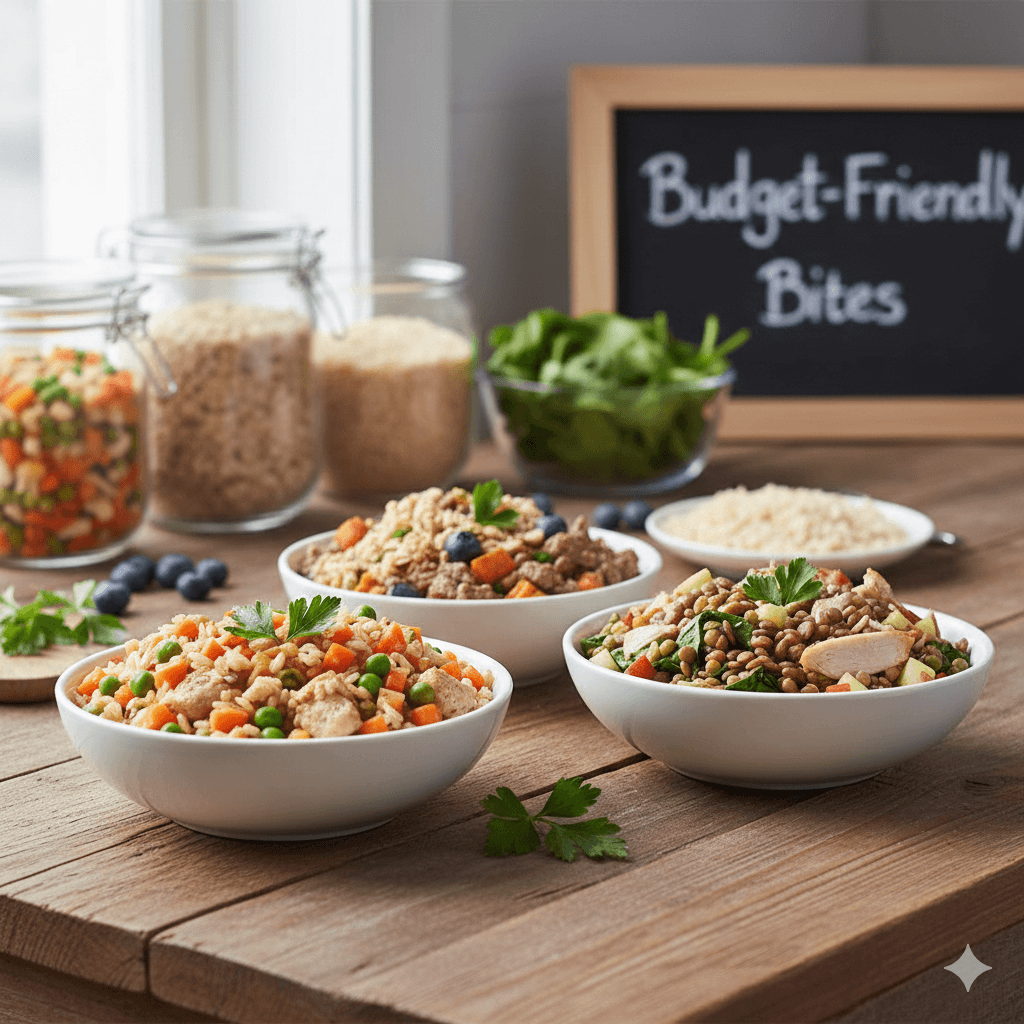
Top Ways to Lower the Cost of Fresh Dog Food
Affordability depends less on the product itself and more on how you source, serve, and integrate it into your pet’s routine. Small adjustments can yield significant savings over time without sacrificing freshness or nutrition:
- Mix With Kibble or Cooked Base:
Blend 25–50% fresh food with high-quality kibble or plain cooked rice and lean meat to stretch portions economically. - Choose Subscription Plans:
Most brands offer 15–30% discounts for auto-ship subscriptions—ideal for predictable, recurring savings. - Buy in Larger Portions:
Freeze pre-portioned meals in bulk to lock in lower per-meal pricing and avoid last-minute premium deliveries. - Compare Cost Per Calorie (Not Per Pound):
A $6/lb fresh meal may actually be cheaper than $3/lb kibble if it delivers more usable nutrition per serving. - Look for Trial Boxes or Promos:
New customers often get 50–60% off first orders—use these to test recipes before committing long-term.
With planning, fresh food can align with almost any monthly pet budget—especially when you view it as preventive healthcare.
Check this guide 👉Is Ollie Fresh Dog Food Good? Best 7 Expert Tips!
Check this guide 👉Is Fresh Dog Food Better Than Kibble? Best 7 Expert Tips!
Check this guide 👉Can My Dog Eat Tangerines? Best 7 Expert Tips!
Budget-Friendly Strategies | Long-Term Value Boosters |
|---|---|
Start with partial fresh feeding | Fewer vet visits for allergies or GI issues |
Use referral programs for credits | Improved coat & dental health reduce grooming costs |
Opt for non-customized base recipes | Better digestion means less food waste |
Freeze bulk deliveries properly | Higher energy supports joint and heart health |
Rotate seasonal proteins for deals | Reduced need for supplements or treats |
Best Affordable Fresh Dog Food Brands in 2026
Not all fresh food companies are created equal—some balance quality and cost better than others. These brands consistently rank high for transparency, ingredient standards, and accessible pricing models across different dog sizes:
- The Farmer’s Dog:
Offers personalized plans with human-grade ingredients; frequent promotions make it surprisingly budget-friendly for small dogs. - Nom Nom:
Provides vet-formulated fresh meals with precise portioning—ideal for avoiding overfeeding and maximizing value. - Ollie:
Uses restaurant-quality meats and seasonal veggies; subscription discounts and referral bonuses lower entry cost significantly. - JustFoodForDogs:
Available online and in-store (Petco); their pantry-fresh line offers shelf-stable options at lower price points. - PetPlate:
Combines flash-frozen meals with flexible plans; their “starter kits” let you test affordability before full commitment.
While premium brands exist, these options prove that “affordable” doesn’t mean “compromised”—especially with smart enrollment choices.
DIY Fresh Food: When It’s Worth the Effort
Preparing your dog’s meals at home can be cost-effective—but only if done correctly. Without veterinary nutrition guidance, homemade diets often lack essential vitamins or minerals. However, for budget-conscious owners with time and care, it’s a viable path:
- Use Balanced Recipes:
Always follow AAFCO-compliant recipes from certified veterinary nutritionists (e.g., BalanceIt or PetDiets). - Buy Ingredients in Bulk:
Ground turkey, sweet potatoes, and green beans are economical when purchased at warehouse stores or farmers’ markets. - Prep in Batches:
Cook and freeze weekly portions to save time and maintain consistency—similar to commercial fresh food logistics. - Supplement Wisely:
Calcium, omega-3s, and vitamins are non-negotiable; skipping them risks bone or organ issues despite “natural” ingredients. - Track Costs Honestly:
Include time, supplements, and waste—many DIY plans end up costing more than mid-tier commercial fresh food.
DIY works best as a supplement or occasional rotation—not as a full-time solution unless professionally guided.
Mistakes That Make Fresh Food Seem More Expensive
Common errors inflate perceived costs and undermine the value of fresh feeding. Avoid these pitfalls to get true affordability from your investment:
- Overfeeding by Portion Size, Not Calorie Need:
Follow feeding calculators—not package visuals—to prevent waste and unnecessary repurchasing. - Ignoring Dog Size Efficiency:
Small dogs often pay more per pound; consider brands with petite-specific pricing to avoid subsidizing large-breed formulas. - Skipping Auto-Ship Discounts:
One-off orders lack the 20–30% savings that make subscriptions sustainable long-term. - Chasing Novel Proteins Unnecessarily:
Unless your dog has allergies, chicken or turkey recipes are far cheaper than kangaroo or duck—without nutritional downside. - Not Factoring in Treat & Supplement Reduction:
High-quality fresh food often eliminates the need for probiotics, skin supplements, or high-value training treats.
Correcting these habits instantly improves the cost-benefit ratio of any fresh food plan.
Special Tips for Multi-Dog Households or Large Breeds
Feeding multiple dogs—or one giant breed—on fresh food demands extra strategy. But with smart scaling, even big families can enjoy fresh nutrition without shock bills:
- Prioritize Fresh for the Neediest Dog:
Use fresh food for the pet with allergies or digestive issues; feed others high-quality kibble with fresh toppers. - Choose Brands with Tiered Pricing:
Some companies (like JustFoodForDogs) offer economy lines specifically for large dogs over 50 lbs. - Use Fresh as a Meal Topper Only:
A ¼ cup of fresh food over kibble boosts palatability and gut health at a fraction of full-meal cost. - Join Community Bulk Buys:
Local pet groups sometimes organize co-ops for direct-farm meat or frozen fresh food at wholesale rates. - Calculate Annual Cost, Not Weekly:
Spreading $150/month over 12 months feels more manageable—and often compares favorably to emergency vet visits avoided.
With planning, fresh food scales surprisingly well across any household size or dog weight class.
What Vets Wish Owners Knew About Affordable Fresh Food
Veterinarians increasingly support fresh diets—but emphasize informed choices over trends. Their top advice centers on safety, balance, and realistic expectations:
- “Affordable” Must Include Nutritional Completeness:
Cheap homemade stews or raw mixes without supplements can cause serious deficiencies—always verify AAFCO compliance. - Transition Slowly to Avoid Waste:
Rushing causes diarrhea and rejected meals; 7–10 day transitions preserve both food and your budget. - Fresh Food Isn’t Always “Better” for Every Dog:
Senior dogs with dental issues or kidney disease may need specific formulations—consult your vet before switching. - Beware of “Fresh-Washed” Marketing:
Some brands use the word “fresh” while relying on rendered meats or fillers—always read the full ingredient panel. - Track Health Changes Objectively:
Note stool quality, shedding, energy, and vet records—these metrics prove whether your investment is truly paying off.
Professional guidance ensures your budget-friendly choice is also a health-smart one.
“FreshPet can be stored in your fridge until its sell-by date, and once opened, should be fed to your pup within seven days… While the rolls and the bagged chicken recipe are more affordable than most of the other options on this list, the pricing of FreshPet’s tailored meal plan, delivered to your door, is on par with—if not a bit less expensive than—most of the services above.” — Emmy Favilla
Frequently Asked Questions About Most Affordable Fresh Dog Food
Is fresh dog food really worth the extra cost?
For many dogs—especially those with sensitivities—it reduces long-term expenses like allergy meds, GI treatments, and poor-coat grooming, making it cost-effective over time.
Can I feed fresh food only part-time?
Absolutely. Even 2–3 fresh meals per week or using it as a topper delivers benefits while keeping costs manageable.
Are grain-inclusive fresh foods cheaper and still healthy?
Yes—grains like rice or oats are nutritious, easily digestible for most dogs, and significantly lower cost than grain-free formulas.
How do I compare prices fairly between brands?
Calculate cost per day based on your dog’s ideal calorie intake (not per pound or per tray), and include shipping or subscription discounts.
What’s the cheapest way to start fresh feeding?
Begin with a trial box from a top brand, mix 25% fresh with 75% kibble, and use a referral code—many dogs start under $2/day this way.
Nourishing Your Dog Well—Without Overextending Your Wallet
Feeding your dog fresh food on a budget isn’t about cutting corners—it’s about making intentional, informed choices that honor both your finances and your pet’s health. The rise of transparent, science-backed brands means you no longer have to choose between affordability and quality. With smart mixing, strategic subscriptions, and a focus on true nutritional value, even modest pet budgets can embrace the benefits of whole-food feeding. Remember, the goal isn’t perfection—it’s progress. Every fresh meal is a step toward better digestion, a shinier coat, and more vibrant energy. And in the end, seeing your dog thrive is the richest reward of all.

Is Rawhide Bad for Cats? Best 7 Expert Tips! – Discover the risks, safe alternatives, and expert advice to keep your feline friend healthy and happy.

Is Rawhide Bad for Dogs? Best 7 Expert Tips! – Discover the risks, benefits, and safer alternatives to rawhides for your dog’s chewing needs.

Understanding Anorexia in Cats: Best 7 Expert Tips! – Learn why cats stop eating, spot warning signs, and discover how to help your feline regain appetite safely.

Understanding Anorexia in Dogs: Best 7 Expert Tips! – Learn causes, symptoms, and solutions to help your dog regain appetite and stay healthy.