

Mites on Cats: What You Need to Know
Mites are tiny parasites that can wreak havoc on your cat’s skin and overall well-being. These microscopic creatures are a common cause of skin issues in cats, ranging from mild irritation to severe infections. If left untreated, mites can lead to discomfort, hair loss, and even secondary health problems for your feline friend. Understanding the types of mites, their symptoms, and treatment options is crucial for keeping your cat healthy and happy. In this blog post, we’ll explore everything you need to know about mites on cats, including prevention tips, effective treatments, and expert advice to help you tackle this pesky problem.
Expert Opinion: Managing Fur Mites on Cats
“Most routine flea and tick medications should be effective against fur mites. All pets that have come into contact with an affected cat should be treated. Fur mites are not known to affect humans.
The environment may be treated with products approved for flea control. However, that step may not be necessary if your cat will be treated over 6-8 weeks.”
Common Types of Mites That Affect Cats
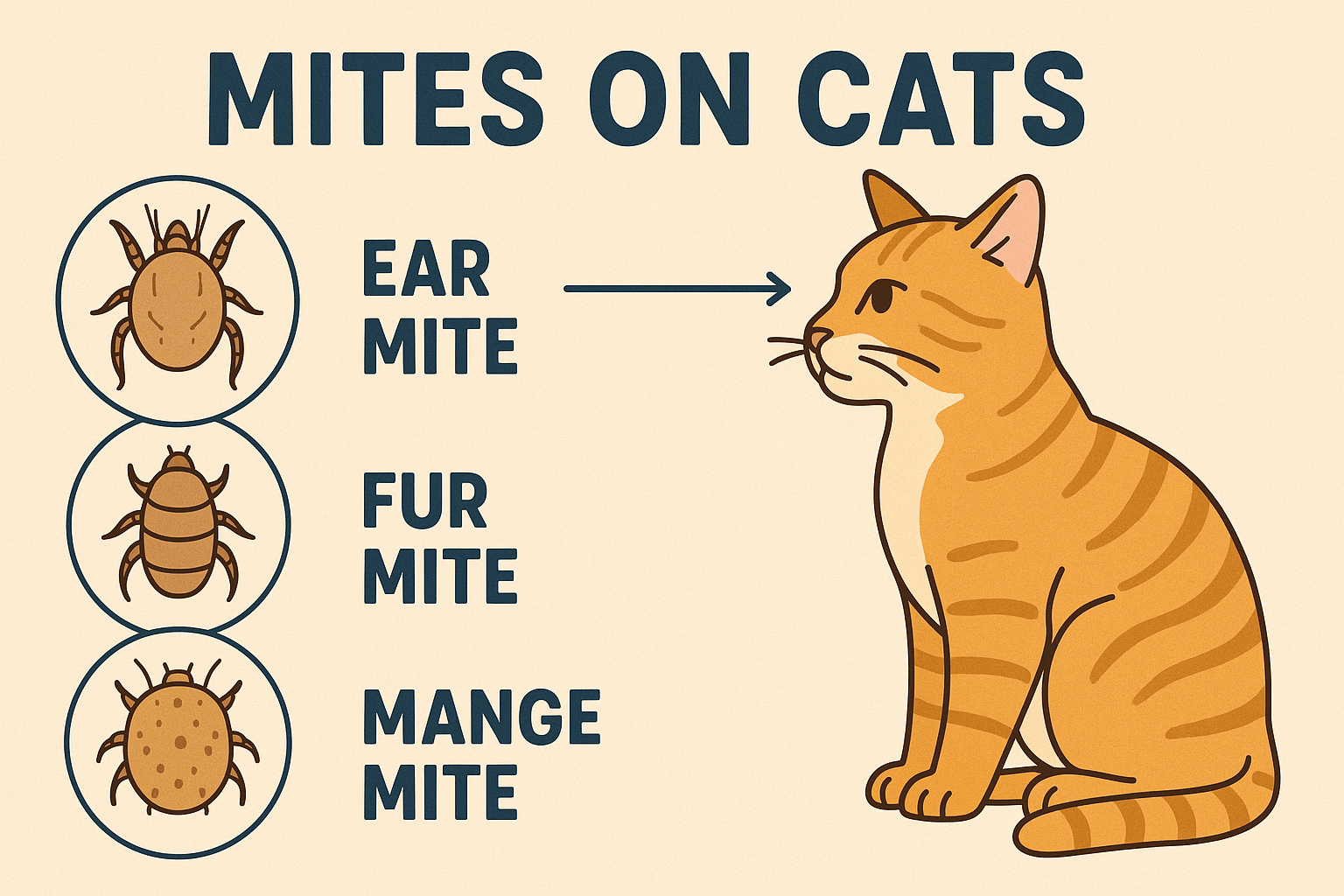
Several types of mites can infest cats, each causing distinct symptoms and requiring specific treatments. Identifying the type of mite is the first step toward addressing the issue effectively.
Ear Mites (Otodectes cynotis):
Ear mites are highly contagious and primarily affect the ears, leading to itching, head shaking, and dark debris in the ear canal.Sarcoptic Mites (Sarcoptes scabiei):
These mites burrow into the skin, causing intense itching, redness, and scabs. Sarcoptic mange is less common in cats but can still occur.Demodex Mites (Demodex cati):
Demodex mites live in hair follicles and are often linked to weakened immune systems. Symptoms include patchy hair loss and skin lesions.Walking Dandruff Mites (Cheyletiella blakei):
Also known as “walking dandruff,” these mites cause flaky skin that appears to move due to their activity, along with itching and irritation.Fur Mites (Lynxacarus radovskyi):
Fur mites are rare but can cause rough, scaly skin and excessive grooming in affected cats.
Recognizing the specific type of mite helps tailor treatment plans to alleviate your cat’s discomfort and prevent further complications.
Signs Your Cat May Have Mites
Detecting mites early is essential for prompt treatment and minimizing your cat’s discomfort. Look out for these telltale signs that may indicate a mite infestation.
Excessive Scratching or Licking:
Cats with mites often scratch or lick themselves obsessively in an attempt to relieve itching.Hair Loss or Bald Patches:
Persistent scratching can lead to localized hair loss, especially around the ears, neck, or back.Redness or Irritation:
Infested areas may appear red, inflamed, or scabby due to constant irritation.Dark Debris in the Ears:
Ear mites leave behind dark, coffee-ground-like debris inside the ear canal.Visible Flakes or Scabs:
Walking dandruff mites or fur mites may cause flaky skin or crusty scabs on the coat.
If you notice any of these symptoms, it’s important to consult a veterinarian for proper diagnosis and treatment.
Check this guide 👉How Do Indoor Cats Get Ear Mites? Best 7 Expert Tips!
Check this guide 👉Understanding Cat Chin Mites vs Acne: Best 7 Expert Tips!
Check this guide 👉Allergy Shots for Cats: Best 7 Expert Tips!
Prevention Tips for Mites on Cats | Treatment Options for Mite Infestations |
|---|---|
Regular grooming and coat inspections | Prescription topical treatments like selamectin |
Keeping bedding clean and sanitized | Medicated ear drops for ear mites |
Avoiding contact with infested animals | Anti-parasitic shampoos for skin mites |
Maintaining a strong immune system | Oral medications for severe infestations |
Using flea and tick preventatives | Veterinary cleaning of affected areas |
How to Prevent Mites on Cats
Preventing mites is key to avoiding discomfort and potential health issues for your cat. Simple preventative measures can go a long way in protecting your pet.
Regular Vet Check-Ups:
Schedule routine veterinary visits to monitor your cat’s skin and overall health.Clean Living Environment:
Wash your cat’s bedding, toys, and blankets frequently to eliminate mites and their eggs.Limit Exposure to Stray Animals:
Keep your cat indoors or supervise outdoor time to reduce contact with stray animals carrying mites.Use Preventative Treatments:
Apply vet-recommended flea and tick preventatives that also protect against mites.Monitor for Early Signs:
Stay vigilant for symptoms like scratching, redness, or flaky skin to catch infestations early.
By taking proactive steps, you can significantly reduce the risk of mites affecting your cat.
Steps to Take if Your Cat Has Mites
If you suspect your cat has mites, swift action is essential to address the issue and prevent spreading. Follow these steps to manage the situation effectively.
Consult a Veterinarian:
Seek professional advice to confirm the presence of mites and determine the appropriate treatment plan.Isolate Your Cat:
Keep your cat away from other pets to prevent the infestation from spreading.Clean Your Home Thoroughly:
Vacuum carpets, wash fabrics, and disinfect surfaces to eliminate mites and their eggs from your home.Administer Medication as Directed:
Use prescribed treatments exactly as instructed by your vet to ensure effectiveness.Monitor Progress:
Track your cat’s recovery and report any worsening symptoms to your veterinarian immediately.
Taking these steps ensures your cat receives the care they need while safeguarding your household from further infestations.
Natural Remedies for Mites on Cats
While veterinary treatments are often necessary, some natural remedies can complement professional care for mites on cats. However, always consult your vet before trying these options.
Apple Cider Vinegar Rinse:
Diluted apple cider vinegar can help soothe irritated skin and deter mites when applied topically.Coconut Oil:
Coconut oil has antifungal and antibacterial properties that may help alleviate itching and promote healing.Aloe Vera Gel:
Pure aloe vera gel can reduce inflammation and provide relief from mite-related irritation.Diatomaceous Earth:
Food-grade diatomaceous earth can be sprinkled on bedding to kill mites and their eggs naturally.Herbal Shampoos:
Shampoos containing herbs like chamomile or lavender can soothe the skin and repel pests.
Natural remedies can offer additional support but should not replace vet-prescribed treatments for severe infestations.
The Role of Diet in Preventing Mites
A balanced diet plays a vital role in maintaining your cat’s immune system, which can help prevent mite infestations. Proper nutrition strengthens their defenses against parasites.
High-Quality Protein:
Ensure your cat’s diet includes high-quality protein sources to support skin and coat health.Omega-3 Fatty Acids:
Omega-3 supplements or fish-based foods can reduce inflammation and improve skin resilience.Vitamins and Minerals:
Vitamins like A, C, and E, along with zinc, contribute to healthy skin and a robust immune system.Hydration:
Encourage your cat to drink plenty of water to maintain skin elasticity and overall health.Avoid Processed Foods:
Minimize processed or low-quality foods that lack essential nutrients and weaken immunity.
A nutrient-rich diet not only prevents mites but also enhances your cat’s overall vitality.
Emotional Impact of Mites on Cats
Mites don’t just affect your cat physically—they can also have emotional consequences. Addressing both aspects ensures your cat feels comfortable and secure during treatment.
Increased Stress Levels:
Constant itching and discomfort can make your cat anxious or irritable. Provide calming environments to ease their stress.Behavioral Changes:
Cats with mites may become withdrawn or aggressive due to pain and frustration. Monitor their behavior closely for signs of distress.Loss of Trust:
Handling or treating infested areas might make your cat wary of touch. Use positive reinforcement to rebuild trust.Decreased Playfulness:
Discomfort from mites can reduce your cat’s energy levels and enthusiasm for play. Offer gentle encouragement to engage them.Strengthening the Bond:
Spend quality time comforting your cat during treatment to reinforce your bond and reassure them they’re safe.
Addressing the emotional impact alongside physical symptoms ensures a holistic approach to your cat’s recovery.
Frequently Asked Questions About Mites on Cats
Can mites spread from cats to humans?
Some mites, like sarcoptic and Cheyletiella mites, can temporarily affect humans but typically do not thrive on human skin.
How long does it take to treat mites on cats?
Treatment duration varies depending on the type of mite but usually lasts between 2 to 6 weeks.
Are mites contagious between pets?
Yes, many mites are highly contagious and can spread easily between cats and other animals.
Can I use over-the-counter treatments for mites?
Over-the-counter products may help, but it’s best to consult a vet for targeted and safe treatments.
How can I prevent mites from returning?
Maintain cleanliness, use preventatives, and schedule regular vet check-ups to minimize the risk of reinfestation.
Protecting Your Cat from Mites: A Proactive Approach
Mites on cats may be small, but their impact can be significant, causing discomfort and distress for your furry companion. By understanding the types of mites, recognizing symptoms, and implementing preventative measures, you can keep your cat healthy and itch-free. Remember, early detection and professional treatment are key to resolving infestations quickly and effectively. With a little care and attention, you can ensure your cat enjoys a happy, mite-free life.
Is Rawhide Bad for Cats? Best 7 Expert Tips! – Discover the risks, safe alternatives, and expert advice to keep your feline friend healthy and happy.

Is Rawhide Bad for Dogs? Best 7 Expert Tips! – Discover the risks, benefits, and safer alternatives to rawhides for your dog’s chewing needs.

Understanding Anorexia in Cats: Best 7 Expert Tips! – Learn why cats stop eating, spot warning signs, and discover how to help your feline regain appetite safely.

Understanding Anorexia in Dogs: Best 7 Expert Tips! – Learn causes, symptoms, and solutions to help your dog regain appetite and stay healthy.