
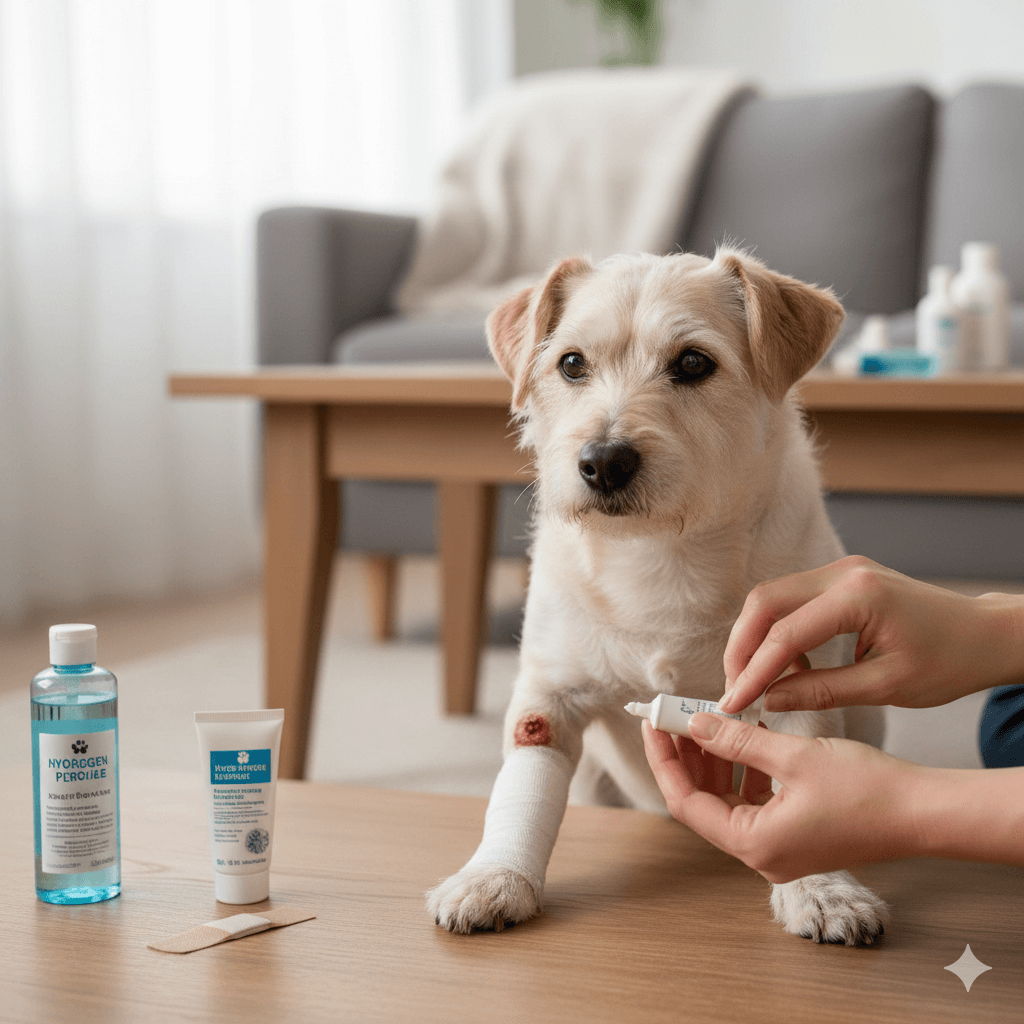

Understanding Minor Dog Bite Treatment: Best 7 Expert Tips!
Even a small dog bite can cause concern—whether your pup nipped during play or another dog caused a superficial wound. While major bites require urgent veterinary care, minor bites can often be managed at home with confidence and caution. Knowing how to clean, assess, and monitor the injury reduces infection risk and supports faster healing. These expert-backed strategies ensure you respond safely and effectively while keeping your dog calm and comfortable.
Immediate First Aid Steps for Minor Dog Bites
When a bite breaks the skin—even slightly—prompt first aid is essential to prevent complications. Most minor bites involve shallow punctures, scrapes, or small lacerations without heavy bleeding. Follow these foundational steps within the first 10–15 minutes after injury:
- Assess the Wound Calmly:
Check for depth, bleeding, swelling, or embedded debris. Avoid sudden movements that could startle your dog further. - Control Minor Bleeding:
Apply gentle pressure with a clean gauze pad or cloth for 2–3 minutes. Most superficial bites stop bleeding quickly. - Rinse Thoroughly with Saline or Water:
Flush the area with lukewarm tap water or sterile saline to remove saliva, dirt, and bacteria from the wound site. - Clean with Mild Antiseptic:
Use diluted chlorhexidine (0.05%) or povidone-iodine—never hydrogen peroxide or alcohol, which damage tissue. - Dry and Protect Gently:
Pat the area dry with a clean towel and apply a non-stick bandage if the bite is on a paw or prone to licking.
After initial care, monitor closely for the next 48 hours—early signs of infection can develop even in seemingly minor wounds.
Signs That a “Minor” Bite May Be More Serious
Not all small bites are truly low-risk. Some injuries appear minor but hide deeper tissue damage or high infection potential. Watch for subtle red flags that warrant veterinary evaluation:
- Bites Near Eyes, Joints, or Genitals:
These sensitive areas are prone to swelling, impaired function, or rapid infection spread. - Puncture Wounds from Canine Teeth:
Even tiny holes can trap bacteria deep under the skin, leading to abscesses days later. - Swelling or Redness Within Hours:
Inflammation that worsens after 6–12 hours may signal cellulitis or early infection. - Your Dog Limping or Guarding the Area:
Pain on movement suggests muscle, tendon, or ligament involvement beyond surface skin. - Bite from an Unknown or Unvaccinated Dog:
Rabies or bacterial exposure (like Pasteurella) requires professional risk assessment.
When in doubt, a quick vet check can prevent a minor wound from becoming a major problem.
Check this guide 👉Teaching Dog Bite Inhibition: Best 7 Expert Tips!
Check this guide 👉Tetanus Shot After Dog Bite: Best 7 Expert Tips!
Check this guide 👉Dog Bite Antibiotics: Best 7 Expert Tips!
Home Care Do’s | Home Care Don’ts |
|---|---|
Use vet-approved antiseptics like chlorhexidine | Apply hydrogen peroxide or rubbing alcohol |
Keep the wound exposed to air (if safe from licking) | Cover with thick ointments that trap heat/moisture |
Offer comfort and distraction during cleaning | Scold or restrain aggressively—stay calm |
Monitor temperature and behavior twice daily | Assume it’s “just a scratch” without checking depth |
Use an e-collar if your dog licks the wound | Allow outdoor roaming before wound seals |
Safe Cleaning and Disinfection Techniques
Proper wound hygiene is the cornerstone of effective minor bite treatment. Incorrect cleaning can delay healing or introduce more bacteria. Use these vet-recommended methods for safe, gentle care at home:
- Use Lukewarm, Clean Water First:
A steady stream helps dislodge surface contaminants without irritating tissue. - Choose Pet-Safe Antiseptics Only:
Chlorhexidine (diluted to light-tea color) or povidone-iodine are gentle yet effective against common bacteria. - Avoid Cotton Balls for Cleaning:
Fibers can stick to the wound; opt for gauze pads or soft, lint-free cloths instead. - Clean Twice Daily for 2–3 Days:
Consistency prevents bacterial buildup, especially if the wound is in a hairy or moist area. - Never Use Human Topical Antibiotics:
Ingredients like neomycin can cause allergic reactions in dogs; stick to veterinary formulations.
Gentle, consistent cleaning significantly lowers the chance of complications and supports natural healing.
Preventing Infection and Monitoring Healing
After initial treatment, your role shifts to vigilant observation and protection. Most minor bites heal within 3–7 days, but infection can emerge silently. Stay alert with these proactive measures:
- Check for Increasing Redness or Heat:
A warm, expanding red zone around the bite suggests spreading infection. - Watch for Pus or Foul Odor:
Yellow/green discharge or bad smell indicates bacterial overgrowth requiring medication. - Note Changes in Behavior:
Lethargy, reduced appetite, or whining when touched may signal pain or systemic illness. - Keep the Area Dry and Clean:
Moist environments breed bacteria—avoid baths or swimming until the skin fully closes. - Use an E-Collar If Necessary:
Preventing licking is critical; saliva reintroduces bacteria and delays scab formation.
Early detection of infection leads to quicker treatment and avoids costly emergency visits.
When to Call Your Veterinarian
Even with perfect home care, some bites need professional support. Don’t hesitate to seek help if you notice these warning signs:
- Fever (Rectal Temp >103°F / 39.4°C):
Indicates the body is fighting a significant infection. - Wound Not Improving After 48 Hours:
Stalled healing or worsening symptoms suggest inadequate home management. - Deep Punctures or Crush Injuries:
These often require antibiotics or debridement, even if they look small on the surface. - Bite on a Puppy or Senior Dog:
Their immune systems are less resilient, increasing complication risks. - Your Dog Is Unvaccinated for Rabies:
Legal and health protocols may require observation or post-exposure measures.
A timely vet visit can mean the difference between a simple recovery and a serious health event.
Special Considerations for Different Dog Types
Healing varies based on your dog’s size, coat, age, and health status. Tailor your approach using these breed- and age-specific insights:
- Long-Haired or Double-Coated Breeds:
Trim fur around the wound (carefully!) to prevent moisture trapping and improve visibility. - Brachycephalic Dogs (e.g., Pugs, Bulldogs):
Stress from handling can worsen breathing—keep treatments brief and calm. - Toy Breeds (Under 10 lbs):
Small bodies lose heat and fluids faster; avoid over-cleaning and keep them warm. - Dogs with Skin Allergies or Immune Disorders:
They’re more prone to secondary infections; consult your vet before treating. - Working or High-Energy Dogs:
Restrict activity strictly—even mild exercise can reopen healing tissue.
Personalizing care ensures your dog’s unique needs are met during recovery.
Essential Supplies for Treating a Minor Dog Bite at Home
Having the right tools on hand makes all the difference when managing a minor dog bite quickly and safely. A well-prepared first aid kit lets you act calmly and effectively—minimizing stress for both you and your dog. Keep these vet-recommended items easily accessible in your home or travel bag:
- Sterile Saline Solution or Clean Lukewarm Water:
Ideal for initial wound flushing without causing stinging or irritation. - Pet-Safe Antiseptic (e.g., Diluted Chlorhexidine):
Kills bacteria without damaging healing tissue—never substitute with human-grade disinfectants. - Non-Stick Gauze Pads and Adhesive Bandage Tape:
Protects the wound while allowing airflow; avoids sticking to delicate new skin. - Soft E-Collar or Recovery Suit:
Prevents licking and chewing, which are the top causes of delayed healing and infection. - Digital Thermometer (Rectal, Pet-Specific):
Helps monitor for fever—a key early sign of systemic infection after a bite.
With these supplies ready, you’ll be equipped to handle minor bites confidently and reduce the risk of complications before they start.
Frequently Asked Questions About Minor Dog Bite Treatment
Can I use Neosporin on my dog’s bite wound?
No—Neosporin contains ingredients that can cause allergic reactions or toxicity if licked. Use only veterinarian-approved topical treatments.
How long does a minor dog bite take to heal?
Superficial scrapes may heal in 3–5 days; small punctures or lacerations often take 5–10 days with proper care.
Should I report a minor bite from another dog?
Yes—many areas require bite reporting for rabies tracking, even if the wound seems trivial.
Is swelling normal after a dog bite?
Mild swelling in the first 12 hours is common, but worsening swelling after that suggests infection or deeper injury.
Can my dog lick the wound to “clean” it?
No—despite myths, dog saliva is not reliably antibacterial and often introduces harmful bacteria. Prevent licking with an e-collar.
Supporting Your Dog’s Recovery with Confidence
A minor dog bite doesn’t have to spiral into stress or uncertainty. With calm first aid, consistent monitoring, and the wisdom to seek help when needed, you become your dog’s best advocate in moments of vulnerability. Healing isn’t just about the wound—it’s about trust, comfort, and the quiet reassurance your presence provides. By mastering these seven expert-backed steps, you’re not just treating an injury; you’re reinforcing a bond built on care, awareness, and unwavering support. Next time life throws a small scratch your way, you’ll be ready—with knowledge, compassion, and a clear plan.
Is Rawhide Bad for Cats? Best 7 Expert Tips! – Discover the risks, safe alternatives, and expert advice to keep your feline friend healthy and happy.

Is Rawhide Bad for Dogs? Best 7 Expert Tips! – Discover the risks, benefits, and safer alternatives to rawhides for your dog’s chewing needs.

Understanding Anorexia in Cats: Best 7 Expert Tips! – Learn why cats stop eating, spot warning signs, and discover how to help your feline regain appetite safely.

Understanding Anorexia in Dogs: Best 7 Expert Tips! – Learn causes, symptoms, and solutions to help your dog regain appetite and stay healthy.