
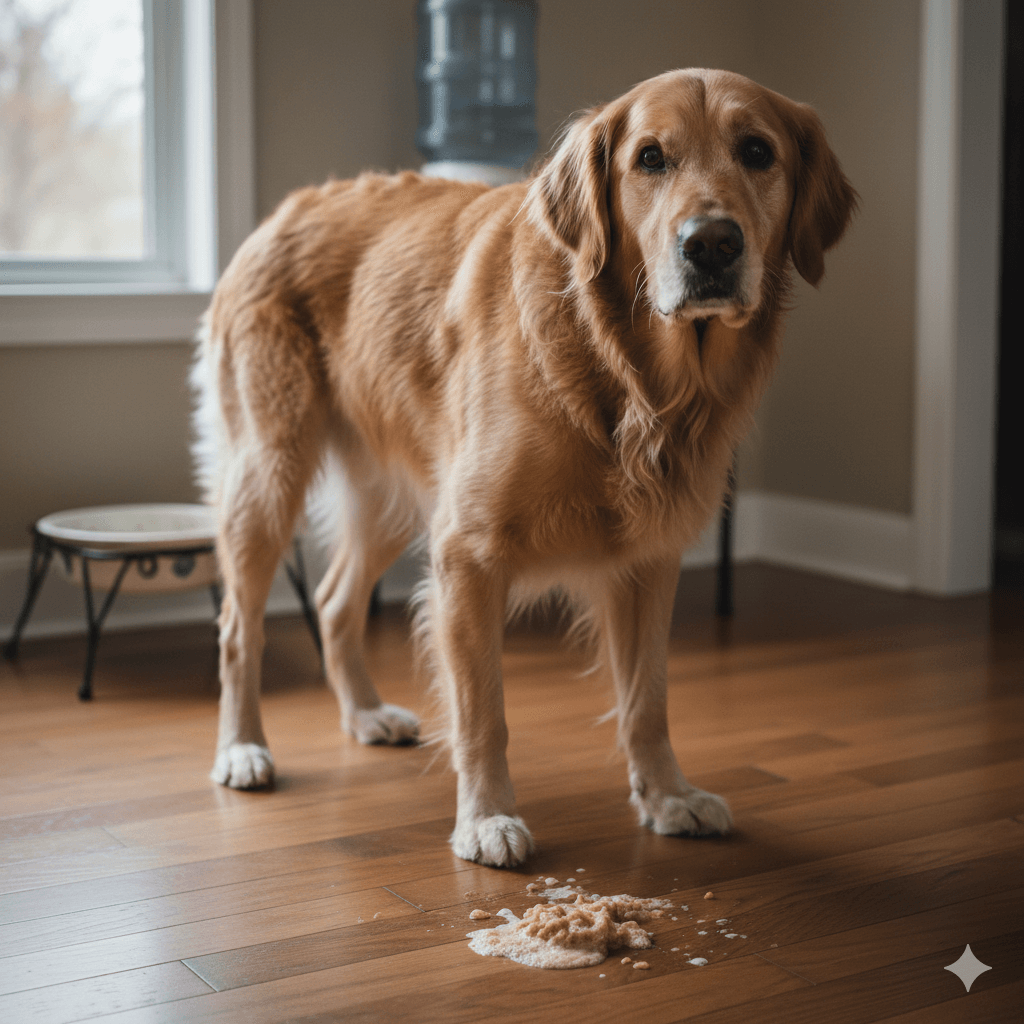

Megaesophagus Dog Symptoms: Best 7 Expert Tips!

Megaesophagus Dog Symptoms: Best 7 Expert Tips!

Understanding Megaesophagus Dog Symptoms

If your dog coughs after eating, regurgitates food, or seems to struggle swallowing, they could be showing signs of megaesophagus—a condition where the esophagus loses muscle tone and can’t move food to the stomach properly. Though often misunderstood, this disorder can significantly impact your dog’s nutrition and comfort. Early detection is vital to prevent complications like aspiration pneumonia. While some cases are congenital, others develop later in life due to underlying diseases. Recognizing the subtle and not-so-subtle signs empowers you to seek timely care and adapt your dog’s lifestyle for better quality of life.

Common Signs Your Dog May Have Megaesophagus

Megaesophagus typically presents with symptoms centered around eating, swallowing, and digestion. Because food and water pool in the enlarged esophagus instead of moving downward, regurgitation is the hallmark sign. Watch for these consistent indicators that distinguish it from simple vomiting:

 
  • Frequent Regurgitation:
    Unlike vomiting, regurgitation is passive—food or water comes back up undigested, often in a tubular shape, shortly after meals.
     
  • Difficulty Swallowing:
    Your dog may gulp repeatedly, stretch their neck while eating, or appear anxious during or after meals.
     
  • Weight Loss Despite Normal Appetite:
    Because nutrients aren’t reaching the stomach consistently, your dog may lose weight even while eating well.
     
  • Excessive Drooling:
    Saliva may pool and drip from the mouth, especially after attempting to swallow food or water.
     
  • Wet or Gurgling Breathing:
    Fluid buildup or aspiration can cause respiratory sounds, particularly after eating or drinking.
 

These symptoms often worsen over time if untreated, but with proper management, many dogs live comfortably for years.

Megaesophagus Dog Symptoms: Best 7 Expert Tips!

When to Worry: Complications to Monitor Closely

Megaesophagus itself is manageable, but its complications—especially aspiration pneumonia—can be life-threatening. Knowing what to watch for helps you act fast if your dog’s condition deteriorates:

 
  • Coughing or Wheezing After Eating:
    Persistent coughing may signal food or liquid entering the lungs, a medical emergency.
     
  • Fever or Lethargy:
    These can indicate infection, such as pneumonia, requiring immediate veterinary care.
     
  • Rapid or Labored Breathing:
    Shallow, fast, or noisy breathing suggests respiratory distress from aspiration.
     
  • Blue-Tinged Gums:
    Cyanosis (bluish mucous membranes) means oxygen levels are dangerously low—seek emergency help.
     
  • Refusal to Eat or Drink:
    If your dog associates meals with discomfort, they may stop trying altogether, leading to severe malnutrition.
 

Prompt intervention during these warning signs can prevent hospitalization or worse.

Daily Management Strategies
Red Flags Requiring Vet Care
Feed in upright position (e.g., Bailey chair)
Coughing that worsens after meals
Use blended or soft food slurry
Fever above 103°F (39.4°C)
Elevate water bowl or use thickened water
Lethargy or collapse
Smaller, more frequent meals
Rapid breathing or nasal discharge
Keep upright 10–15 minutes post-meal
Blue or pale gums

Underlying Causes of Megaesophagus in Dogs

Megaesophagus can be primary (congenital) or secondary (acquired due to another condition). Identifying the root cause guides treatment and prognosis:

 
  • Congenital Form:
    Present from birth, often diagnosed by 6 months of age; common in breeds like Great Danes, German Shepherds, and Irish Setters.
     
  • Myasthenia Gravis:
    An autoimmune disorder affecting nerve-muscle communication—one of the most common acquired causes in adult dogs.
     
  • Hypothyroidism:
    Low thyroid hormone levels can lead to esophageal motility issues in some cases.
     
  • Addison’s Disease (Hypoadrenocorticism):
    Adrenal insufficiency may contribute to neuromuscular dysfunction, including in the esophagus.
     
  • Neurological or Neuromuscular Disorders:
    Conditions like distemper, botulism, or spinal cord injuries can impair esophageal nerve signals.
 

Diagnostic testing—such as blood panels, X-rays, or fluoroscopy—helps pinpoint whether the cause is treatable or lifelong.

At-Home Care Strategies for Dogs with Megaesophagus

With proper adaptations, many dogs thrive despite this condition. Home care focuses on gravity-assisted feeding and minimizing aspiration risk:

 
  • Use an Upright Feeding Position:
    Feed your dog in a vertical or near-vertical position using a Bailey chair or similar support to let gravity move food to the stomach.
     
  • Modify Food Consistency:
    Blend kibble or canned food into a smooth slurry or meatball-sized portions that slide down more easily without sticking.
     
  • Thicken Water:
    Add gelatin or commercial thickeners to water to reduce the risk of inhalation during drinking.
     
  • Feed Smaller, Frequent Meals:
    3–4 small meals daily prevent overfilling the esophagus and reduce regurgitation episodes.
     
  • Maintain Upright Position Post-Meal:
    Keep your dog upright for at least 10–15 minutes after eating to ensure full stomach entry and prevent reflux.
 

Consistency and patience with these routines dramatically improve your dog’s safety and nutrition.


Preventing Aspiration Pneumonia: A Top Priority

Aspiration pneumonia is the most serious complication of megaesophagus—and often preventable with vigilant care. Focus on minimizing the chance that food, water, or saliva enters the lungs:

 
  • Avoid Lying Down Immediately After Meals:
    Never let your dog roll, lie flat, or play right after eating or drinking.
     
  • Watch for Silent Aspiration:
    Some dogs inhale small amounts without coughing—monitor for subtle signs like lethargy or decreased appetite.
     
  • Keep the Environment Calm During Feeding:
    Stress or excitement can cause gulping or improper swallowing, increasing risk.
     
  • Use Slow-Feed Bowls or Hand-Feeding:
    Control intake pace to prevent bolting food, which can overwhelm the weakened esophagus.
     
  • Schedule Regular Vet Check-Ups:
    Even if stable, your dog should have periodic chest X-rays or respiratory exams to catch early pneumonia.
 

Prevention here isn’t optional—it’s essential for long-term survival and comfort.

Special Considerations for Puppies and Certain Breeds

Some dogs are genetically predisposed to megaesophagus, and early diagnosis in puppies can alter outcomes significantly:

 
  • Puppies Under 6 Months:
    Congenital megaesophagus often appears when weaning begins; regurgitation during or after first solid meals is a key clue.
     
  • Large and Giant Breeds:
    Great Danes, Irish Wolfhounds, and Newfoundlands have higher incidence rates of inherited forms.
     
  • Miniature Schnauzers and Wire Fox Terriers:
    These breeds may inherit a form linked to other neuromuscular conditions.
     
  • Dogs with Autoimmune Disorders:
    Especially those diagnosed with myasthenia gravis—megaesophagus may be the first noticeable symptom.
     
  • Senior Dogs with New-Onset Symptoms:
    Acquired megaesophagus in older dogs often signals an underlying systemic disease needing investigation.
 

Breed awareness and early screening help tailor care before complications arise.

What to Expect During Veterinary Diagnosis and Treatment

Diagnosing megaesophagus involves ruling out other causes of regurgitation and confirming esophageal dilation:

 
  • Barium Swallow X-Ray:
    Your dog drinks barium, and real-time X-rays show if the esophagus moves food properly or remains dilated.
     
  • Blood Tests for Underlying Conditions:
    Screens for myasthenia gravis (acetylcholine receptor antibody test), thyroid levels, and adrenal function.
     
  • Chest X-Rays:
    Check for signs of aspiration pneumonia, such as lung infiltrates or fluid.
     
  • Fluoroscopy (if available):
    A live video X-ray that captures esophageal motion in real time for detailed assessment.
     
  • Treatment Plan Focus:
    Most cases are managed—not cured—with feeding modifications, treating underlying causes if found, and vigilant monitoring.
 

While there’s no surgery to “fix” most megaesophagus cases, quality of life can remain high with dedicated care.


Frequently Asked Questions About Megaesophagus Dog Symptoms

Can megaesophagus in dogs be cured?

Congenital cases rarely resolve, but some acquired forms improve if the underlying cause (like myasthenia gravis) is treated successfully.

No—regurgitation is passive and effortless, with undigested food; vomiting involves abdominal contractions and digested content.

Generally not recommended; dry kibble can get stuck. Blended, moist, or meatball-style meals are safer.

With proper management, many dogs live for years. Lifespan depends on complication control, especially pneumonia prevention.

It’s highly recommended for moderate to severe cases. DIY versions or elevated feeding stations can work if custom chairs aren’t available.

Supporting Your Dog Through Life with Megaesophagus

A megaesophagus diagnosis can feel overwhelming—but with knowledge, routine, and love, your dog can still enjoy meals, play, and your companionship. This condition asks for extra patience, not surrender. By mastering upright feeding, watching for subtle warning signs, and partnering closely with your vet, you give your dog the best chance at a full, joyful life. Remember, your dedication turns a daunting diagnosis into a manageable daily rhythm. And in your dog’s eyes, your calm presence during every meal is the greatest comfort of all.

Dog Seizure Symptoms: Best 7 Expert Tips!

Dog Seizure Symptoms: Best 7 Expert Tips! – Learn to spot signs, respond effectively, and manage seizures in dogs for a healthier, happier life.

Carprofen Dosage for Cats: Best 7 Expert Tips!

Carprofen Dosage for Cats: Best 7 Expert Tips! – Learn safe dosing, risks, and alternatives to manage pain and inflammation in cats effectively.

Africanis Dog Breed: Best 7 Expert Tips!

Africanis Dog Breed: Best 7 Expert Tips! – Explore the resilience, loyalty, and adaptability of this ancient African breed, perfect for diverse lifestyles.

Cruciate Ligament Injury Symptoms in Dogs: Best 7 Tips!

Cruciate Ligament Injury Symptoms in Dogs: Best 7 Tips! – Discover key signs like limping, swelling, and joint instability to ensure prompt treatment.

Leave a Reply

Your email address will not be published. Required fields are marked *

Post Category


