
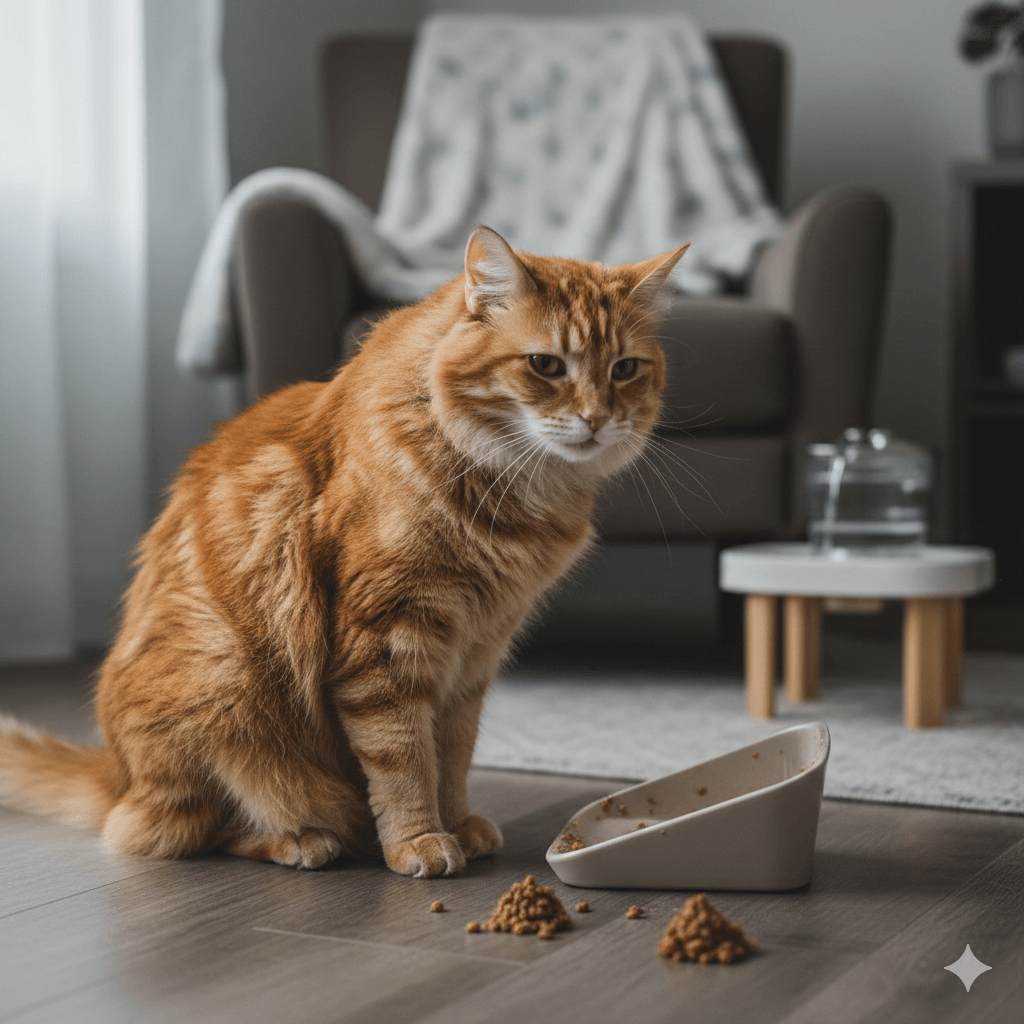

Megaesophagus Cat Symptoms: Best 7 Expert Tips!

Megaesophagus Cat Symptoms: Best 7 Expert Tips!

Understanding Megaesophagus Cat Symptoms: Best 7 Expert Tips!

If your cat frequently regurgitates food, struggles to swallow, or seems to lose weight despite a good appetite, megaesophagus could be the hidden cause. This condition affects the esophagus—the muscular tube that carries food to the stomach—and can lead to serious complications if overlooked. While it’s less common in cats than in dogs, early recognition is crucial for managing your feline’s comfort and nutrition. With thoughtful care and veterinary support, many cats with megaesophagus can still enjoy a good quality of life. Let’s explore the key signs and expert-backed strategies to help your cat thrive.

Common Signs Your Cat May Have Megaesophagus

Megaesophagus in cats often manifests through subtle yet persistent symptoms related to swallowing and digestion. Because cats are masters at hiding illness, these signs may be mistaken for pickiness or minor upset. However, consistent patterns should raise concern—especially if they appear after eating or drinking:

 
  • Regurgitation (Not Vomiting):
    Regurgitation is passive and sudden, often involving undigested food or liquid in a tubular shape, unlike the forceful heaving of true vomiting.
     
  • Difficulty Swallowing:
    Your cat may extend their neck, gulp repeatedly, or appear distressed while trying to move food down their throat.
     
  • Weight Loss Despite Normal Appetite:
    Because food isn’t reaching the stomach properly, your cat may eat well but still lose weight steadily over time.
     
  • Gagging or Coughing After Meals:
    Frequent throat-clearing, retching, or coughing shortly after eating can signal esophageal dysfunction.
     
  • Bad Breath or Drooling:
    Food lingering in the dilated esophagus can ferment, leading to halitosis or excess salivation unrelated to dental disease.
 

These symptoms often worsen over time and may appear intermittently, making early detection challenging—but vital for preventing complications like aspiration pneumonia.

Megaesophagus Cat Symptoms: Best 7 Expert Tips!

When to Worry: Red Flags Beyond Typical Symptoms

While occasional regurgitation might seem harmless, certain signs indicate urgent issues such as aspiration or malnutrition. Because megaesophagus increases the risk of food entering the lungs, vigilance is key:

 
  • Labored or Rapid Breathing:
    Coughing, wheezing, or open-mouth breathing may signal aspiration pneumonia—a potentially life-threatening complication.
     
  • Lethargy or Fever:
    A systemic infection like pneumonia can cause your cat to become unusually tired, withdrawn, or warm to the touch.
     
  • Persistent Regurgitation Multiple Times Daily:
    Frequent episodes suggest the esophagus isn’t functioning at all, requiring immediate dietary and medical intervention.
     
  • Refusal to Eat or Drink:
    Pain or fear of regurgitation may lead your cat to avoid food altogether, accelerating dehydration and weight loss.
     
  • Blue-Tinged Gums or Collapse:
    These are emergency signs of oxygen deprivation and require immediate veterinary care.
 

If any of these occur, seek emergency veterinary attention—delaying care can be fatal in severe cases.

Early Warning Signs
Serious Complications to Monitor
Occasional regurgitation after meals
Frequent regurgitation several times a day
Mild weight loss over weeks
Rapid, unexplained weight decline
Occasional gagging
Persistent coughing or choking
Slight reluctance to eat dry food
Complete food refusal
Clear regurgitated fluid
Regurgitation with foul odor or blood

Causes Behind Megaesophagus in Cats

Megaesophagus can be either congenital (present at birth) or acquired later in life. Identifying the underlying cause guides treatment and prognosis—though in some cases, no specific trigger is found (idiopathic):

 
  • Congenital Nerve or Muscle Disorders:
    Rare in cats, but some kittens are born with defective esophageal innervation, leading to poor motility from an early age.
     
  • Neuromuscular Diseases:
    Conditions like myasthenia gravis—an autoimmune disorder affecting nerve-muscle communication—can impair esophageal function.
     
  • Foreign Body Obstruction:
    A lodged object or stricture from past injury may block or stretch the esophagus, causing secondary megaesophagus.
     
  • Toxic Exposure:
    Certain toxins (e.g., lead, botulism) can damage nerves controlling swallowing and esophageal movement.
     
  • Secondary to Systemic Illness:
    Diseases like hypothyroidism, cancer, or severe esophagitis may contribute to esophageal dilation in adult cats.
 

While congenital cases often appear in kittens, acquired megaesophagus is more common in adult or senior cats—and warrants thorough diagnostic workup.

At-Home Care Strategies for Mild Cases

If your vet confirms megaesophagus and rules out emergencies, home management focuses on helping food reach the stomach safely. The goal is to use gravity and diet to minimize regurgitation:

 
  • Elevated or Vertical Feeding:
    Feed your cat in an upright position (using a Bailey chair or supported harness) and keep them upright for 10–15 minutes after meals.
     
  • Switch to Soft or Liquid Diets:
    Blended gruels, meat-based slurries, or prescription esophageal diets are easier to swallow and less likely to get stuck.
     
  • Smaller, More Frequent Meals:
    Reduce portion size and increase feeding frequency to 4–6 times daily, easing the burden on the esophagus.
     
  • Hydration Through Food:
    Add water to meals to prevent dehydration, as cats with megaesophagus often avoid drinking from bowls to reduce regurgitation risk.
     
  • Quiet, Stress-Free Eating Environment:
    Minimize distractions during meals to encourage calm, mindful swallowing without rushing.
 

Consistent feeding protocols can dramatically reduce episodes and improve your cat’s comfort and nutritional intake.

Preventing Complications Like Aspiration Pneumonia

The greatest danger in megaesophagus isn’t starvation—it’s food or liquid entering the lungs. Proactive measures can significantly lower this risk and protect your cat’s respiratory health:

 
  • Never Lay Your Cat Flat After Eating:
    Gravity is your ally; keep your cat upright for at least 10–15 minutes post-meal to let food pass into the stomach.
     
  • Monitor for Coughing or Nasal Discharge:
    These may indicate aspiration; early detection of pneumonia leads to better outcomes with antibiotics and supportive care.
     
  • Use a Slow-Feeding Bowl or Syringe (if needed):
    Controlled delivery helps prevent bolting and reduces the chance of food backing up.
     
  • Avoid Dry Kibble or Large Chunks:
    These are harder to swallow and more likely to lodge or regurgitate—opt for smooth, cohesive textures instead.
     
  • Schedule Regular Vet Check-Ups:
    Even stable cats should be monitored every 3–6 months for weight changes, lung sounds, and overall condition.
 

Prevention isn’t just about diet—it’s about creating a safe, structured routine that supports every swallow.

Special Considerations for Kittens, Seniors, and At-Risk Cats

Cats of different life stages face unique challenges with megaesophagus. Tailoring care to their age and health status improves outcomes and comfort:

 
  • Kittens with Congenital Megaesophagus:
    Require round-the-clock feeding support; some may outgrow mild cases, but many need lifelong management.
     
  • Senior Cats with Acquired Forms:
    Often have coexisting conditions (e.g., kidney disease) that complicate nutrition and increase vulnerability to pneumonia.
     
  • Cats with Neurological Disorders:
    Those diagnosed with myasthenia gravis or other nerve diseases need integrated treatment for both conditions.
     
  • Underweight or Frail Cats:
    May benefit from high-calorie supplements or feeding tubes if oral intake remains insufficient despite modifications.
     
  • Cats with Dental Pain:
    Oral discomfort can mimic or worsen swallowing issues—ensure dental health is evaluated as part of the workup.
 

Personalized care plans, developed with your veterinarian, are essential for these vulnerable individuals.

What to Expect During a Veterinary Diagnosis

Diagnosing megaesophagus involves ruling out other causes and confirming esophageal dilation. Your vet will likely recommend a series of non-invasive and imaging-based tests:

 
  • Physical and Neurological Exam:
    To assess overall health, muscle tone, and signs of systemic disease.
     
  • X-Rays (Radiographs):
    A plain or barium-contrast X-ray clearly shows an enlarged, food-filled esophagus—often the definitive diagnostic tool.
     
  • Blood and Urine Tests:
    To check for underlying conditions like myasthenia gravis (via acetylcholine receptor antibody test), thyroid dysfunction, or infection.
     
  • Endoscopy (if needed):
    Allows direct visualization of the esophagus for strictures, inflammation, or foreign bodies.
     
  • Chest X-Rays if Pneumonia Suspected:
    To evaluate for aspiration-related lung changes requiring immediate treatment.
 

A clear diagnosis empowers you to make informed decisions and implement the most effective long-term care strategy.

Frequently Asked Questions About Megaesophagus Cat Symptoms

Can megaesophagus in cats be cured?

Congenital cases rarely resolve, but acquired forms may improve if the underlying cause (e.g., myasthenia gravis) is treated successfully.

No—regurgitation is passive and comes from the esophagus; vomiting involves abdominal contractions and originates in the stomach.

Most cats do best with 4–6 small meals per day, each followed by 10–15 minutes in an upright position.

Yes—with consistent feeding protocols and vigilant monitoring, many cats enjoy good quality of life for years.

In severe cases where oral feeding fails to maintain weight or causes repeated aspiration, a vet may recommend a temporary or permanent feeding tube.


Supporting Your Cat Through Megaesophagus and Beyond

A diagnosis of megaesophagus can feel overwhelming—but with patience, adaptation, and veterinary partnership, your cat can still lead a comfortable, loving life. The journey requires routine, creativity, and close observation, but every successful meal is a victory. By prioritizing upright feeding, soft nutrition, and respiratory vigilance, you become your cat’s greatest advocate. Remember, cats with megaesophagus aren’t suffering from behavioral issues—they’re navigating a physical challenge that deserves compassion, not confusion. With your steady care and unwavering attention, your feline companion can thrive, one gentle meal at a time.

Understanding Dog Rehabilitation: Best 7 Expert Tips!

Understanding Dog Rehabilitation: Best 7 Expert Tips! – Discover how targeted therapies and exercises restore mobility, relieve pain, and improve your dog’s quality of life safely.

Can THC Help with Cat Anxiety? Best 7 Expert Tips!

Can THC Help with Cat Anxiety? Best 7 Expert Tips! – Discover the facts, risks, and safe usage of THC for calming your anxious cat. Always consult a vet first!

What Is Toxic to Cats: Best 7 Expert Tips!

What Is Toxic to Cats: Best 7 Expert Tips! – Discover common toxins, recognize symptoms, and learn how to keep your cat safe from harmful substances.

Can THC Help with Dog Anxiety? Best 7 Expert Tips!

Can THC Help with Dog Anxiety? Best 7 Expert Tips! – Discover the effects, risks, and safe use of THC for calming your anxious dog. Consult a vet first!

Leave a Reply

Your email address will not be published. Required fields are marked *

Post Category


