
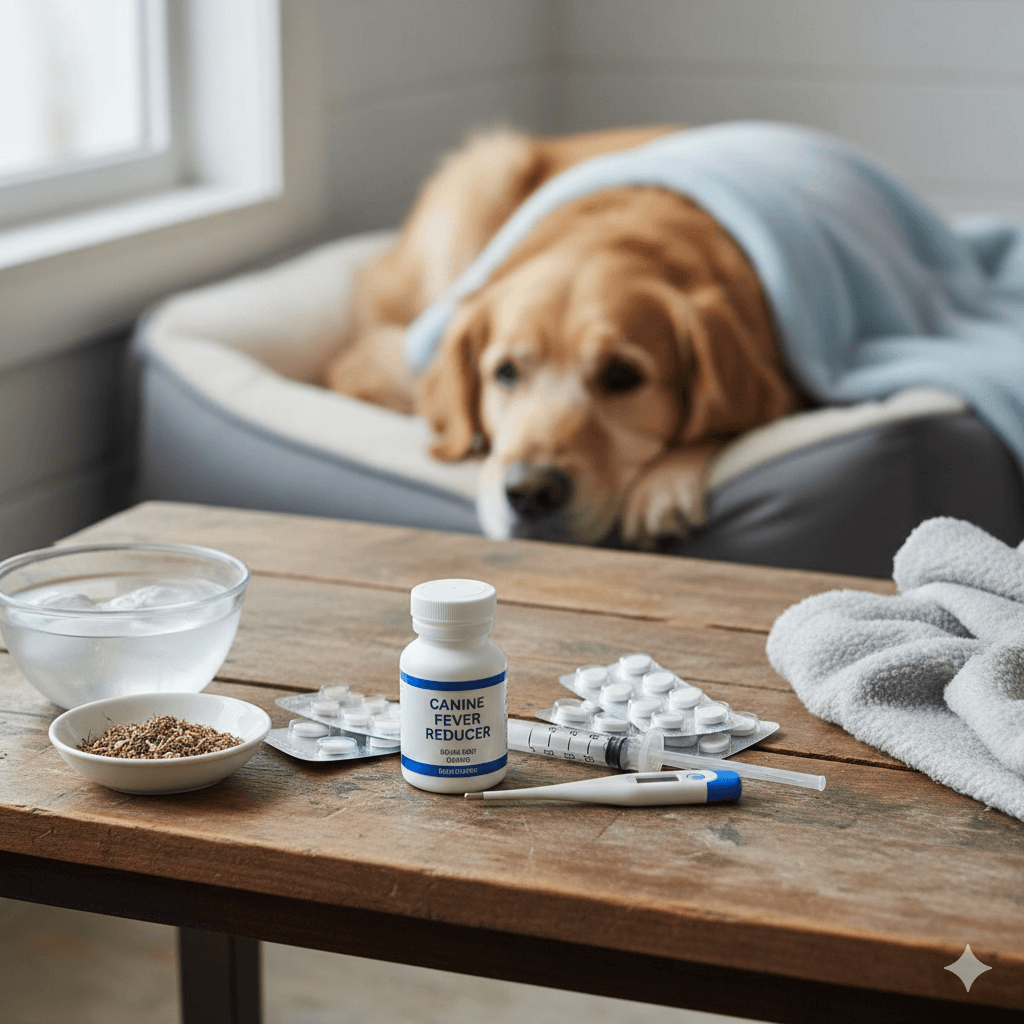

Understanding Medicine for Dog Fever: Best 7 Expert Tips!
When your dog runs a fever, it’s a sign their body is fighting off an illness or infection. Recognizing the symptoms early and knowing how to respond can make all the difference in their recovery. While mild fevers may resolve with rest and hydration, more severe cases often require veterinary care. Choosing the right medicine—and administering it safely—is crucial to help your dog feel better. With expert guidance, you can navigate this challenge confidently and compassionately.
Common Signs Your Dog May Have a Fever
Detecting fever in dogs isn’t always straightforward since they can’t tell us how they feel. However, certain physical and behavioral changes often point to elevated body temperature. Monitoring these signs helps you act promptly:
- Lethargy or Weakness:
Dogs with fever often appear unusually tired, refusing to engage in play or daily activities. - Shivering or Trembling:
Even in warm environments, shivering can indicate an elevated temperature as the body tries to regulate itself. - Warm Ears or Dry Nose:
Feeling your dog’s ears or nose can provide subtle clues about their internal temperature. - Loss of Appetite:
A feverish dog may ignore food or treats, even if they’re usually enthusiastic eaters. - Coughing or Sneezing:
Respiratory symptoms often accompany fever, especially if caused by infections like kennel cough or pneumonia.
If you notice these signs, take your dog’s rectal temperature to confirm fever before deciding on treatment.
When to Avoid Over-the-Counter Medications
While human fever reducers like acetaminophen or ibuprofen are common household staples, they can be toxic to dogs. Understanding what not to give is just as important as knowing safe options:
- Acetaminophen (Tylenol):
This drug damages a dog’s liver and red blood cells, leading to serious complications or death. - Ibuprofen (Advil, Motrin):
Ibuprofen causes stomach ulcers, kidney failure, and other life-threatening issues in dogs. - Aspirin (Bayer):
Though sometimes used under vet supervision, aspirin can cause gastrointestinal bleeding if misused. - Combination Cold/Flu Meds:
Multi-symptom formulas often contain ingredients harmful to dogs, such as pseudoephedrine or caffeine. - Alcohol-Based Remedies:
Rubbing alcohol or similar products should never be applied to cool down a dog—it’s highly toxic if ingested.
Always consult your veterinarian before giving any medication, even those marketed for pets.
Check this guide 👉Valley Fever in Dogs: Best 7 Expert Tips!
Check this guide 👉Dog Fever Treatment: Best 7 Expert Tips!
Check this guide 👉How to Tell If Your Dog Has a Fever: Best 7 Expert Tips!
Safe Fever Management Options | Unsafe Practices to Avoid |
|---|---|
Veterinarian-prescribed NSAIDs | Administering human painkillers |
Hydration therapy at home | Using ice baths to lower fever |
Cooling mats or damp towels | Forcing dogs to eat when feverish |
Probiotic supplements | Ignoring persistent high fever (>103°F) |
Rest in a calm environment | Skipping vet visits for severe symptoms |
Vet-Approved Medications for Dog Fever
When prescribed by a professional, certain medications effectively reduce fever while addressing underlying causes. These treatments target inflammation, pain, and infection safely:
- Non-Steroidal Anti-Inflammatory Drugs (NSAIDs):
Carprofen (Rimadyl) and meloxicam (Metacam) are commonly prescribed for fever and pain relief. - Antibiotics:
If a bacterial infection is causing fever, antibiotics like amoxicillin or cephalexin may be necessary. - Steroids (in Severe Cases):
Prednisone or dexamethasone might be used for autoimmune conditions triggering persistent fever. - Fluids and Electrolytes:
Subcutaneous or IV fluids help combat dehydration caused by prolonged fever. - Antipyretics (Rarely Used):
Medications like dipyrone are occasionally administered but only under strict veterinary guidance.
Follow dosage instructions carefully, and never adjust medications without consulting your vet.
At-Home Care Strategies for Mild Fever
For low-grade fevers (<103°F) and non-emergency situations, supportive care at home can ease discomfort and speed recovery. Focus on hydration, rest, and monitoring:
- Provide Fresh Water:
Encourage small sips frequently to prevent dehydration—add low-sodium broth if needed. - Use Cooling Techniques Safely:
Place damp towels on paws or belly; avoid ice packs that could shock the system. - Offer Bland Food Gradually:
Once appetite returns, feed boiled chicken, pumpkin, or rice in small portions. - Create a Calm Space:
Keep noise and activity levels low to allow your dog to rest comfortably. - Monitor Temperature Regularly:
Recheck every 4–6 hours using a pet-safe thermometer to ensure improvement.
If fever persists beyond 24 hours or worsens, seek immediate veterinary attention.
Preventing Recurrent Fevers in Dogs
Chronic or recurring fevers signal deeper health issues requiring proactive management. Strengthening your dog’s immune system and minimizing risks reduces the likelihood of future episodes:
- Vaccinate Regularly:
Core vaccines protect against diseases like distemper, parvovirus, and leptospirosis that cause fever. - Practice Good Hygiene:
Wash hands, clean food bowls, and disinfect toys regularly to minimize germ exposure. - Control Parasites:
Flea, tick, and heartworm prevention prevents vector-borne illnesses linked to fever. - Maintain a Balanced Diet:
Nutrient-rich meals support overall health and bolster immunity against infections. - Reduce Stress:
Anxiety weakens the immune system—use calming aids during stressful events like thunderstorms or travel.
Prevention ensures fewer sick days and happier, healthier years together.
Special Considerations for Vulnerable Dogs
Certain groups—like puppies, seniors, or immunocompromised dogs—are more susceptible to complications from fever. Their bodies struggle to regulate temperature and fight infections effectively:
- Puppies Under Six Months:
Immature immune systems mean even mild fevers can escalate quickly—always see a vet. - Senior Dogs:
Age-related conditions like arthritis or kidney disease may mimic or worsen fever symptoms. - Brachycephalic Breeds:
Flat-faced dogs like Pugs or Bulldogs overheat easily, complicating fever management. - Dogs on Steroids or Chemotherapy:
Weakened immune systems increase infection risk, requiring closer monitoring. - Small or Toy Breeds:
Rapid fluid loss due to low body weight makes dehydration a significant concern.
For these dogs, “wait-and-see” approaches rarely suffice—seek professional care promptly.
Additional Tips for Managing Dog Fever
When dealing with fever in dogs, a few extra tips can make the recovery process smoother and more effective. These insights help you stay prepared and proactive:
- Keep a First Aid Kit Handy:
Stock up on vet-approved medications, a pet thermometer, and cooling supplies to address fever symptoms quickly. - Track Fever Patterns:
Note when the fever started, its duration, and any accompanying symptoms—this information is invaluable for your vet. - Avoid Overheating Environments:
Ensure your dog stays in a cool, shaded area during warm weather to prevent exacerbating their fever. - Monitor for Secondary Symptoms:
Watch for signs like coughing, sneezing, or skin rashes that might indicate an underlying cause for the fever. - Stay Calm and Reassuring:
Dogs pick up on their owner’s emotions; staying calm helps reduce their stress and speeds healing.
These additional measures ensure you’re fully equipped to support your dog through their illness while maintaining a safe and comfortable environment.
Frequently Asked Questions About Dog Fever
What’s considered a normal temperature for dogs?
A healthy dog’s temperature ranges from 101°F to 102.5°F; anything above 103°F indicates fever.
Can I use a human thermometer for my dog?
Yes, but only rectal thermometers are accurate—never use ear or forehead devices.
How long does dog fever typically last?
Mild fevers resolve within 24–48 hours with proper care; persistent fevers need vet evaluation.
Is it safe to bathe my feverish dog?
Avoid full baths; instead, use damp towels to gently cool specific areas like paws or belly.
Should I withhold food during a fever?
Allow your dog to self-regulate—offer bland food once appetite returns naturally.
Supporting Your Dog Through Recovery and Beyond
Fever is more than a symptom—it’s a call to action, urging you to step into the role of caregiver and advocate. Whether managing mild cases at home or navigating complex diagnoses with your vet, your love and attentiveness guide the way. Remember, knowledge empowers you to make informed decisions, while patience allows your dog’s body the time it needs to heal. By combining expert advice with heartfelt care, you strengthen not just your dog’s health but also the bond you share. Together, you’ll overcome challenges and celebrate every wagging tail moment along the way.
How to Check Your Cat for a Fever: Best 7 Expert Tips! – Learn the signs, safe temperature checks, and when to see a vet. Keep your feline healthy and happy!
How to Check Your Dog for a Fever: Best 7 Expert Tips! – Learn the signs, safe temperature checks, and when to see a vet if your dog has a fever.
Hypothyroidism and Its Impact on Cat Skin: Best 7 Tips! – Discover how hypothyroidism affects your cat’s skin, spot symptoms early, and learn effective care strategies to keep your feline healthy.
Hypothyroidism and Its Impact on Dog Skin: Best 7 Tips! – Discover how hypothyroidism affects your dog’s skin, spot symptoms early, and learn effective care strategies to restore their health.


