
Medicine for Cat Fever: Best 7 Expert Tips to Safely Treat Your Feline
When your cat develops a fever, it’s natural to feel concerned. A fever in cats often signals an underlying issue, such as infection, inflammation, or even stress. While mild fevers may resolve on their own, persistent or high fevers can be dangerous and require veterinary care. Knowing which medicines are safe—and which to avoid—ensures your feline friend recovers comfortably. Always consult your vet before administering any medication, as incorrect dosing or choices can harm your cat. With the right approach, you can help your cat bounce back to their playful, purring self.
Common Signs Your Cat May Have a Fever
Detecting a fever in cats isn’t always straightforward since they can’t tell us how they feel. However, certain behavioral and physical changes can point to an elevated body temperature. Monitoring these signs helps you act quickly and seek appropriate treatment:
- Lethargy or Weakness:
Cats with a fever often seem unusually tired, avoiding play or interaction even with their favorite toys. - Loss of Appetite:
Refusal to eat or drink is common, as fever suppresses appetite and makes swallowing uncomfortable. - Warm Ears or Paws:
Feeling warmth in your cat’s ears or paw pads can indicate an elevated body temperature, though this isn’t always reliable. - Shivering or Panting:
Some cats shiver or pant when they have a fever, as their bodies struggle to regulate temperature. - Hiding Behavior:
Cats instinctively retreat to quiet, secluded spots when unwell, signaling discomfort or illness.
If you notice multiple signs, take your cat’s temperature rectally (normal range: 100.5–102.5°F) or consult your vet for confirmation.
Safe Medicines for Managing Cat Fever
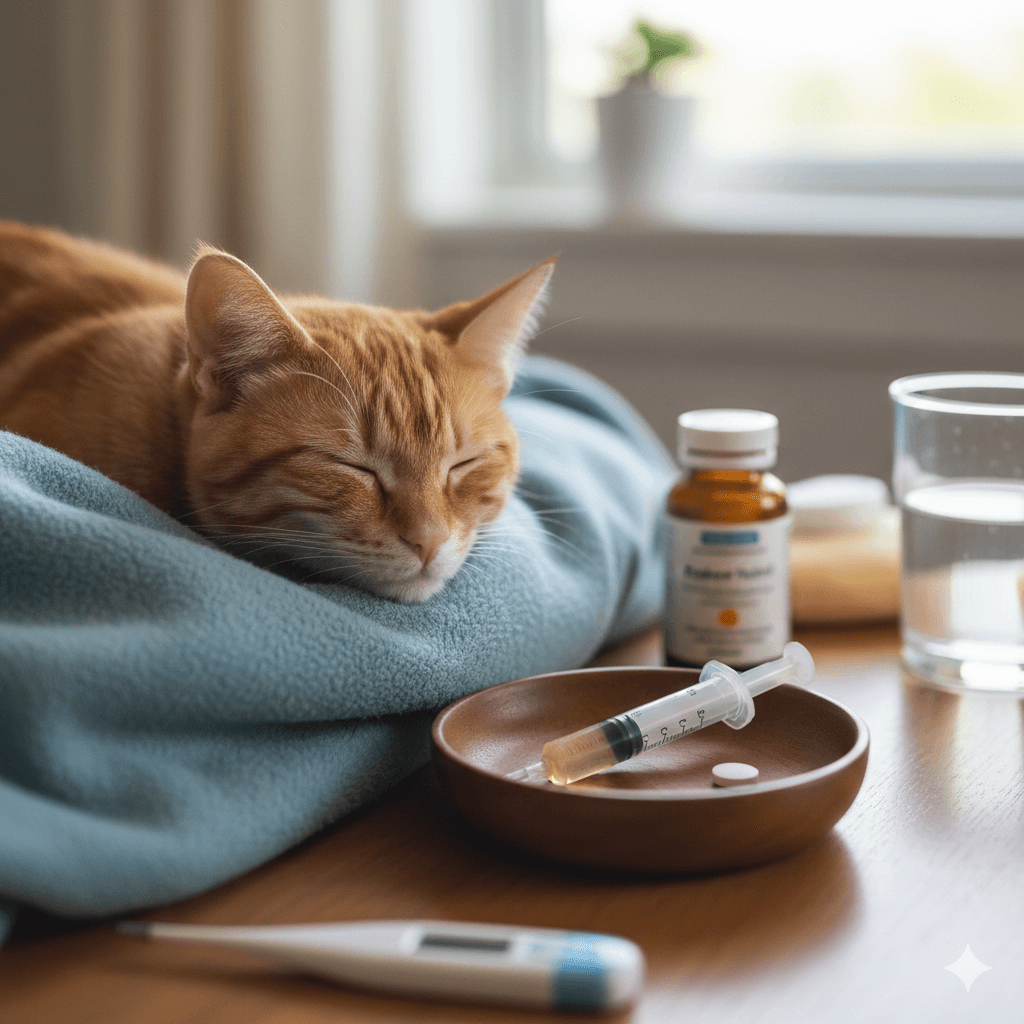
Not all human fever medications are safe for cats; some can be toxic and cause severe side effects. When treating a fever, it’s essential to use only vet-approved options and follow dosage instructions precisely:
- Veterinary-Prescribed Antibiotics:
If a bacterial infection causes the fever, your vet may prescribe antibiotics like amoxicillin or clavulanic acid. - Anti-Inflammatory Drugs:
Non-steroidal anti-inflammatory drugs (NSAIDs) like meloxicam may be prescribed for pain and inflammation but only under strict supervision. - Antipyretics for Cats:
Medications like ketoprofen or specific formulations of paracetamol derivatives may reduce fever safely—but never give human versions. - Fluid Therapy Solutions:
Subcutaneous or IV fluids help combat dehydration caused by fever, ensuring proper organ function during recovery. - Probiotics and Supplements:
Probiotics support gut health, while omega-3 fatty acids reduce inflammation, aiding overall healing.
Never attempt to treat a cat’s fever without professional guidance, as improper use of medicine can worsen their condition.
Check this guide 👉Understanding Valley Fever in Cats: Best 7 Expert Tips!
Check this guide 👉What Is a Cat Scratch Fever Test? Best 7 Expert Tips!
Check this guide 👉What Causes Fever in Cats? Best 7 Expert Tips!
Signs of Mild Fever | Symptoms of High or Dangerous Fever |
|---|---|
Occasional lethargy | Persistent weakness or collapse |
Slight loss of appetite | Complete refusal to eat or drink |
Warm ears/paws | Shivering despite warmth |
Hiding for short periods | Prolonged isolation beyond 24 hours |
Normal grooming habits | Neglecting self-care (e.g., unkempt coat) |
Causes Behind Cat Fever
A fever in cats is typically a response to an underlying issue rather than a standalone condition. Identifying potential triggers helps guide treatment and prevent future episodes:
- Bacterial Infections:
Abscesses, urinary tract infections, or respiratory infections often lead to fever as the immune system fights off bacteria. - Viral Diseases:
Feline calicivirus, herpesvirus, or panleukopenia commonly cause systemic symptoms, including fever. - Parasitic Infestations:
Fleas, ticks, or internal parasites like worms can trigger immune responses that elevate body temperature. - Inflammatory Conditions:
Issues like pancreatitis or inflammatory bowel disease sometimes present with fever alongside digestive upset. - Environmental Stressors:
Overheating, extreme weather, or emotional stress may temporarily raise a cat’s body temperature.
Chronic or recurring fevers should prompt thorough diagnostic testing to pinpoint the root cause.
At-Home Care Strategies for Mild Fevers
For mild, low-grade fevers where your cat seems otherwise stable, supportive home care can aid recovery. These steps focus on hydration, rest, and monitoring:
- Encourage Hydration:
Offer fresh water, diluted chicken broth, or electrolyte solutions designed for pets to prevent dehydration. - Provide a Quiet Space:
Create a calm, warm area away from noise or other pets, allowing your cat to rest undisturbed. - Monitor Temperature Regularly:
Use a digital thermometer to check rectal temperature every 6–8 hours, noting any changes for your vet. - Offer Appetizing Food:
Tempt your cat with bland, easy-to-digest options like boiled chicken or vet-recommended wet food. - Observe Behavioral Changes:
Keep a log of symptoms, appetite, and activity levels to share with your vet if needed.
If the fever persists beyond 24 hours or worsens, seek veterinary attention promptly.
Preventing Future Episodes of Fever
While not all fevers are preventable, proactive measures significantly reduce risks. Prevention focuses on maintaining health, hygiene, and regular vet care:
- Stay Current on Vaccinations:
Core vaccines protect against viral diseases that commonly cause fever, such as feline herpesvirus and calicivirus. - Practice Good Parasite Control:
Use monthly flea/tick preventatives and deworming treatments to minimize parasite-related illnesses. - Maintain a Clean Environment:
Regularly clean litter boxes, food dishes, and bedding to reduce exposure to harmful bacteria or viruses. - Schedule Routine Check-Ups:
Annual exams help catch early signs of chronic conditions that might predispose your cat to recurrent fevers. - Minimize Stress Triggers:
Avoid sudden changes in routine, loud noises, or overcrowding, as stress weakens the immune system.
Preventative care ensures your cat stays healthy and resilient, reducing the likelihood of fever-inducing conditions.
Special Considerations for Kittens, Seniors, and At-Risk Cats
Young kittens, senior cats, and those with preexisting conditions face higher risks from fevers due to weaker immune systems or underlying health issues:
- Kittens Under Six Months:
Their immature immune systems make them more vulnerable to infections; even mild fevers can escalate rapidly. - Senior Cats:
Chronic diseases like kidney failure or diabetes may mask or worsen fever symptoms, requiring tailored care. - Immunocompromised Cats:
Cats with conditions like FIV or FeLV struggle to fight infections, making fevers potentially life-threatening. - Overweight or Obese Cats:
Excess weight can exacerbate overheating or complicate recovery from fever-related dehydration. - Outdoor or Stray Cats:
Exposure to environmental hazards increases the risk of injuries or infections leading to fever.
For these groups, early vet intervention is critical to ensure safe and effective treatment.
What to Expect During a Veterinary Visit
If your cat’s fever persists or worsens, your vet will conduct a detailed evaluation to identify the underlying cause and develop a treatment plan:
- Comprehensive Physical Exam:
Your vet will assess hydration, gum color, lymph nodes, and abdominal tenderness to gauge overall health. - Diagnostic Tests:
Blood work, urinalysis, fecal exams, or imaging (X-rays/ultrasound) may be performed to rule out infections, parasites, or organ dysfunction. - Medication Recommendations:
Based on findings, your vet may prescribe antibiotics, anti-inflammatories, or antipyretics specifically formulated for cats. - Fluid Therapy Options:
Subcutaneous or IV fluids may be administered to rehydrate your cat and restore electrolyte balance. - Detailed Home Care Instructions:
You’ll receive clear guidelines on medication administration, dietary adjustments, and warning signs that warrant immediate follow-up.
A vet visit provides peace of mind and ensures your cat receives the best possible care tailored to their unique needs.
Frequently Asked Questions About Medicine for Cat Fever
Can I give my cat Tylenol or ibuprofen for fever?
No—these medications are highly toxic to cats and can cause liver failure, kidney damage, or death. Always consult your vet for safe alternatives.
How do I take my cat’s temperature safely?
Use a digital thermometer inserted gently into the rectum, lubricated with petroleum jelly, and monitor closely to avoid injury.
What temperature is considered a fever in cats?
A rectal temperature above 102.5°F (39.2°C) indicates a fever, while readings over 106°F (41.1°C) are life-threatening emergencies.
How long does a cat fever usually last?
Mild fevers often resolve within 24–48 hours with proper care, but prolonged or high fevers require immediate veterinary attention.
Should I withhold food if my cat has a fever?
No—offering small amounts of bland, tempting food encourages eating, which supports energy and recovery during illness.
Supporting Your Cat Through Recovery and Beyond
Treating a cat’s fever requires patience, care, and collaboration with your veterinarian. By staying vigilant and providing supportive care, you not only ease their discomfort but also strengthen the bond between you. Remember, a fever is often a symptom of something deeper, so addressing the root cause ensures long-term health and happiness for your feline companion. Whether through gentle nursing at home or professional medical intervention, your love and dedication are the greatest gifts you can offer during their recovery journey.
Understanding Dog Rehabilitation: Best 7 Expert Tips! – Discover how targeted therapies and exercises restore mobility, relieve pain, and improve your dog’s quality of life safely.
Can THC Help with Cat Anxiety? Best 7 Expert Tips! – Discover the facts, risks, and safe usage of THC for calming your anxious cat. Always consult a vet first!
What Is Toxic to Cats: Best 7 Expert Tips! – Discover common toxins, recognize symptoms, and learn how to keep your cat safe from harmful substances.
Can THC Help with Dog Anxiety? Best 7 Expert Tips! – Discover the effects, risks, and safe use of THC for calming your anxious dog. Consult a vet first!