
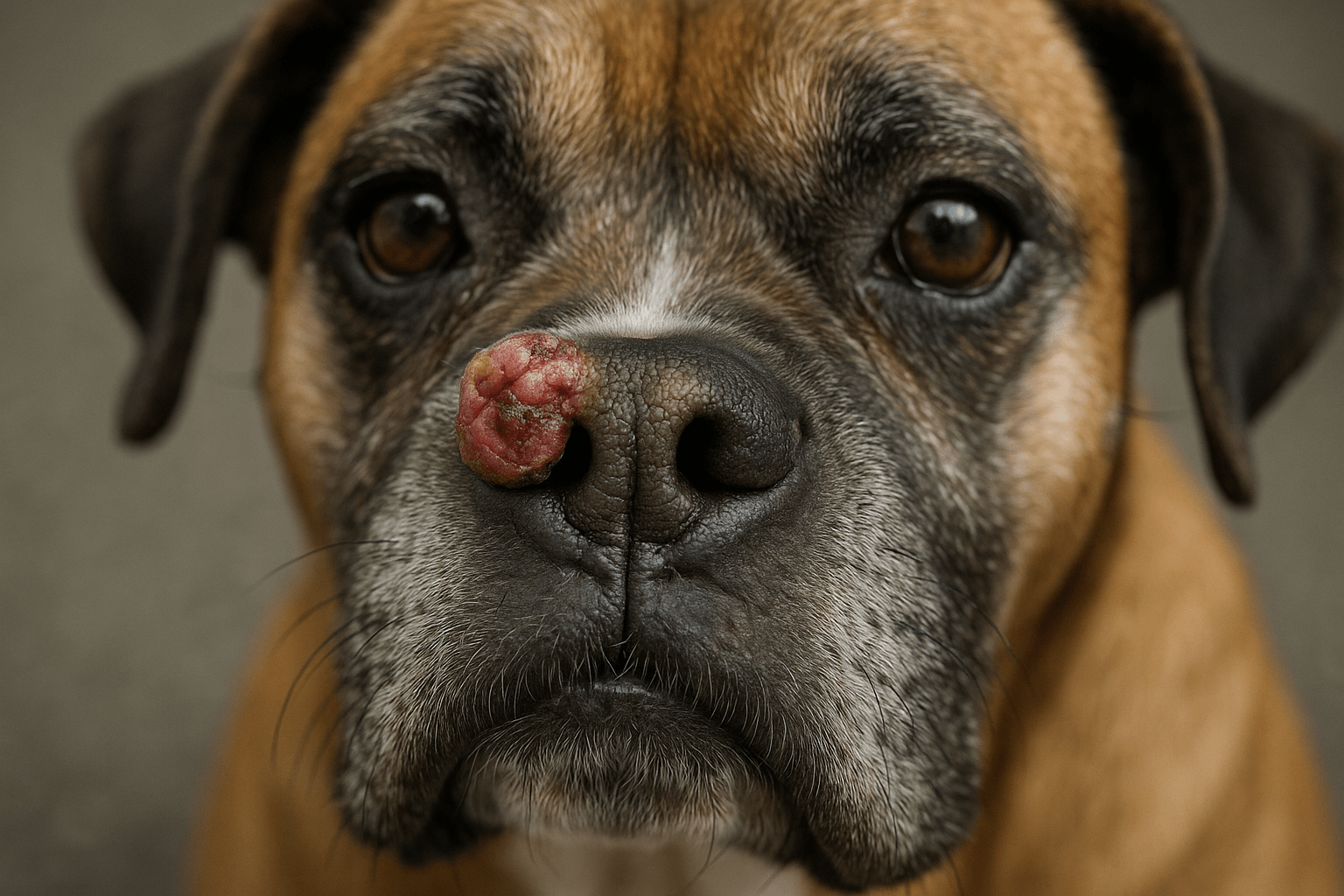
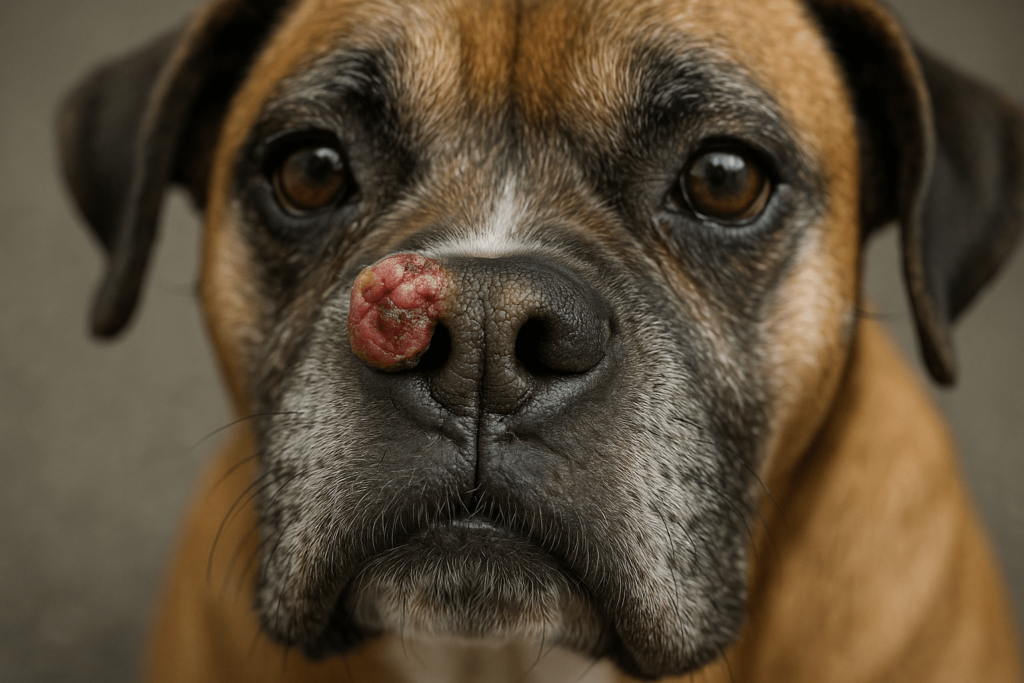

Mast Cell Tumor on a Dogs Nose: What Every Pet Parent Needs to Know
Discovering a strange lump or swelling on your dog’s nose can be deeply unsettling—especially when it might be something as serious as a mast cell tumor. These common yet unpredictable growths can appear anywhere on a dog’s body, but when they develop on the nose, they pose unique challenges due to location, visibility, and sensitivity. Early recognition and prompt veterinary care are critical for the best possible outcome. In this guide, we’ll walk you through what mast cell tumors are, why they’re concerning on the nose, and how to respond thoughtfully and effectively. Because when it comes to your dog’s health, knowledge is your most powerful tool.
Understanding Mast Cell Tumors in Dogs
Mast cell tumors (MCTs) are among the most frequently diagnosed skin cancers in dogs, accounting for up to 20% of all skin tumors. They arise from mast cells—immune cells involved in allergic reactions—that multiply abnormally and form masses. While they can appear anywhere, their behavior varies widely based on grade, location, and individual biology.
- Unpredictable Appearance:
Mast cell tumors may look like harmless bumps, red welts, or even insect bites—sometimes changing size daily due to histamine release. - Common in Certain Breeds:
Boxers, Bulldogs, Boston Terriers, Labradors, and Pugs are at higher risk, though any dog can develop MCTs—even young ones. - Graded by Aggression:
Veterinary pathologists assign grades (I–III): Grade I tumors are usually benign and localized, while Grade III are aggressive and likely to spread. - Histamine Release Complications:
These tumors can release histamine and other compounds, causing swelling, itching, stomach ulcers, or even systemic illness if untreated. - Location Matters Greatly:
Tumors on the face, especially the nose, ears, or eyelids, are often harder to remove completely and may behave more aggressively.
Understanding mast cell tumors isn’t about inducing fear—it’s about empowering you to act quickly and wisely when every day counts.
Why a Nose Tumor Is Especially Concerning
The nose is a delicate, highly vascular area with thin skin and critical structures nearby—making mast cell tumors here more complex to manage than those on limbs or the torso.
- Limited Surgical Margins:
There’s less excess skin on the nose, making clean surgical removal difficult without affecting appearance or function. - Proximity to Eyes and Sinuses:
Tumors can easily invade nearby tissues, increasing the risk of complications or incomplete removal. - High Risk of Recurrence:
Even after surgery, nasal MCTs have a higher chance of returning if microscopic cells remain. - Sun Exposure May Play a Role:
In light-coated dogs, UV damage could contribute to skin changes that predispose the nose to tumor development. - Visible Changes Cause Distress:
Unlike hidden lumps, nose tumors are immediately noticeable—leading to earlier detection but also greater emotional stress for owners.
Because of these factors, a mast cell tumor on the nose demands a proactive, multidisciplinary approach from the start.
Check this guide 👉Mast Cell Tumor on a Dogs Ear Flap: Best 7 Expert Tips!
Check this guide 👉High Grade Mast Cell Tumor Dog: Best 7 Expert Tips!
Check this guide 👉Low-Grade Mast Cell Tumors in Dogs: Best 7 Expert Tips!
| Early Warning Signs | Critical Red Flags |
|---|---|
| Small, pink or flesh-colored bump on the nose | Rapid growth over days or weeks |
| Bump that changes size when touched | Ulceration, bleeding, or crusting |
| Mild swelling or asymmetry | Loss of appetite or vomiting (signs of systemic illness) |
| Occasional scratching at the face | Swelling extending to eyes or muzzle |
| No pain initially | Lethargy or behavioral changes |
Diagnostic Steps Your Vet Will Take
If a mast cell tumor is suspected on your dog’s nose, your veterinarian will move quickly to confirm the diagnosis and assess severity.
- Fine Needle Aspirate (FNA):
A quick, minimally invasive test where cells are extracted with a needle and examined under a microscope—often enough to identify mast cells. - Biopsy and Histopathology:
For definitive grading and surgical planning, a tissue sample is sent to a lab to determine tumor grade and margins. - Imaging (X-rays or Ultrasound):
Used to check for spread to lymph nodes, spleen, or internal organs—especially if the tumor is high-grade. - Bloodwork and Urinalysis:
Evaluates overall organ function and checks for signs of systemic mast cell disease or stomach ulcers. - Lymph Node Assessment:
Regional lymph nodes near the nose may be aspirated to see if cancer cells have migrated.
These steps ensure your dog’s treatment plan is tailored, precise, and based on solid evidence—not guesswork.
Treatment Options for Nasal Mast Cell Tumors
Treatment depends on tumor grade, size, location, and whether it has spread—but several effective strategies exist, often used in combination.
- Surgical Removal (When Possible):
The gold standard for low-grade tumors, though nasal location may limit how much tissue can be safely removed. - Radiation Therapy:
Highly effective for facial MCTs, especially when surgery can’t achieve clean margins—offered at veterinary oncology centers. - Chemotherapy:
Used for high-grade or metastatic tumors; drugs like vinblastine, CCNU, or tyrosine kinase inhibitors (e.g., Palladia) may be prescribed. - Steroids (e.g., Prednisone):
Can shrink some mast cell tumors temporarily and reduce inflammation—often part of a broader protocol. - Targeted Therapies and Clinical Trials:
Newer treatments focus on specific genetic mutations in mast cells, offering hope for advanced cases.
While the word “cancer” is frightening, many dogs with mast cell tumors—especially when caught early—live months to years with good quality of life.
What NOT to Do If You Suspect a Mast Cell Tumor
Good intentions can backfire when dealing with mast cell tumors. Avoid these common pitfalls to protect your dog’s health.
- Don’t Squeeze or Poke the Lump:
Manipulating the tumor can trigger histamine release, causing swelling, low blood pressure, or even anaphylaxis-like reactions. - Don’t Apply Human Creams or Ointments:
Many contain ingredients toxic to dogs or may mask symptoms, delaying proper diagnosis. - Don’t Delay the Vet Visit:
“Wait-and-see” is risky—early intervention dramatically improves outcomes for nasal MCTs. - Don’t Assume It’s Just a Cyst or Bug Bite:
Mast cell tumors mimic benign conditions; only a vet can confirm what it truly is. - Don’t Skip Follow-Ups:
Even after treatment, regular monitoring is essential—recurrence can happen silently.
Calm action beats anxious inaction—your vet is your ally, not your adversary.
Supporting Your Dog During and After Treatment
Beyond medical care, your daily support plays a huge role in your dog’s comfort, recovery, and emotional well-being.
- Manage Histamine Symptoms:
Your vet may prescribe antihistamines (like famotidine or diphenhydramine) to counteract tumor-related histamine effects. - Protect the Nose Area:
Use pet-safe sunblock on light noses if outdoors, and avoid rough play that could irritate the site. - Offer a Bland, Gentle Diet:
Mast cell tumors increase ulcer risk—feed easily digestible food and avoid NSAIDs or spicy ingredients. - Monitor for Side Effects:
Chemotherapy or radiation can cause fatigue, nausea, or skin changes; report concerns promptly. - Provide Emotional Reassurance:
Dogs sense stress—maintain routines, offer gentle affection, and keep their world as stable as possible.
Healing isn’t just physical—it’s emotional, too. Your presence is powerful medicine.
Prevention and Long-Term Vigilance
While mast cell tumors can’t always be prevented, vigilant care reduces risk and catches new issues early.
- Monthly “Lump Checks”:
Gently examine your dog’s entire body—including the face—during grooming or cuddle time. - Limit Sun Exposure for Light-Nosed Dogs:
Use UV-protective window film or shaded outdoor areas to reduce skin damage. - Avoid Unknown Supplements:
Some immune-boosting products may inadvertently stimulate mast cell activity—always consult your vet first. - Maintain a Healthy Immune System:
Balanced nutrition, stress reduction, and regular vet care support overall resilience. - Keep Records of All Growths:
Note dates, sizes, and photos of any lumps—even benign ones—to track changes over time.
Vigilance isn’t paranoia—it’s love in action, one careful observation at a time.
Frequently Asked Questions
Can a mast cell tumor on the nose be benign?
Yes. Grade I tumors are often benign and may be cured with complete surgical removal—especially if caught early.
How fast do mast cell tumors grow on the nose?
Growth varies: some remain stable for months, while others swell noticeably within days due to histamine release.
Is radiation therapy safe for facial tumors?
Yes—it’s commonly used for nasal MCTs and generally well-tolerated, with side effects like temporary skin redness.
Will my dog need chemotherapy?
Not always. Low-grade, completely removed tumors may not require it. High-grade or metastatic cases often do.
What’s the prognosis for a dog with a nasal mast cell tumor?
It depends on grade and treatment. With aggressive care, many dogs live 1–3+ years—even with facial tumors.
Final Thoughts – Facing the Unknown With Love and Clarity
A mast cell tumor on your dog’s nose is undoubtedly scary—but it’s not an automatic sentence. With today’s veterinary oncology advances, many dogs respond well to treatment and enjoy meaningful, joyful time with their families. Your awareness, swift action, and unwavering care make all the difference. Trust your instincts, lean on your veterinary team, and never underestimate the healing power of your calm, loving presence. Because no matter what the diagnosis, your dog looks to you—not just for treatment, but for hope.
Understanding Cryptosporidium in Cats: Best 7 Expert Tips! – Spot symptoms, treat safely, and stop parasite spread in your home.
Understanding Cryptosporidium in Dogs: Best 7 Expert Tips! – Learn symptoms, treatment & prevention for this stubborn gut parasite.
Understanding Syringomyelia in Cats: Best 7 Expert Tips! – Recognize signs, manage pain, and support your cat’s neurological health with vet-backed guidance.
Understanding Syringomyelia in Dogs: Best 7 Expert Tips! – Expert insights on symptoms, MRI diagnosis, pain management & quality of life.


