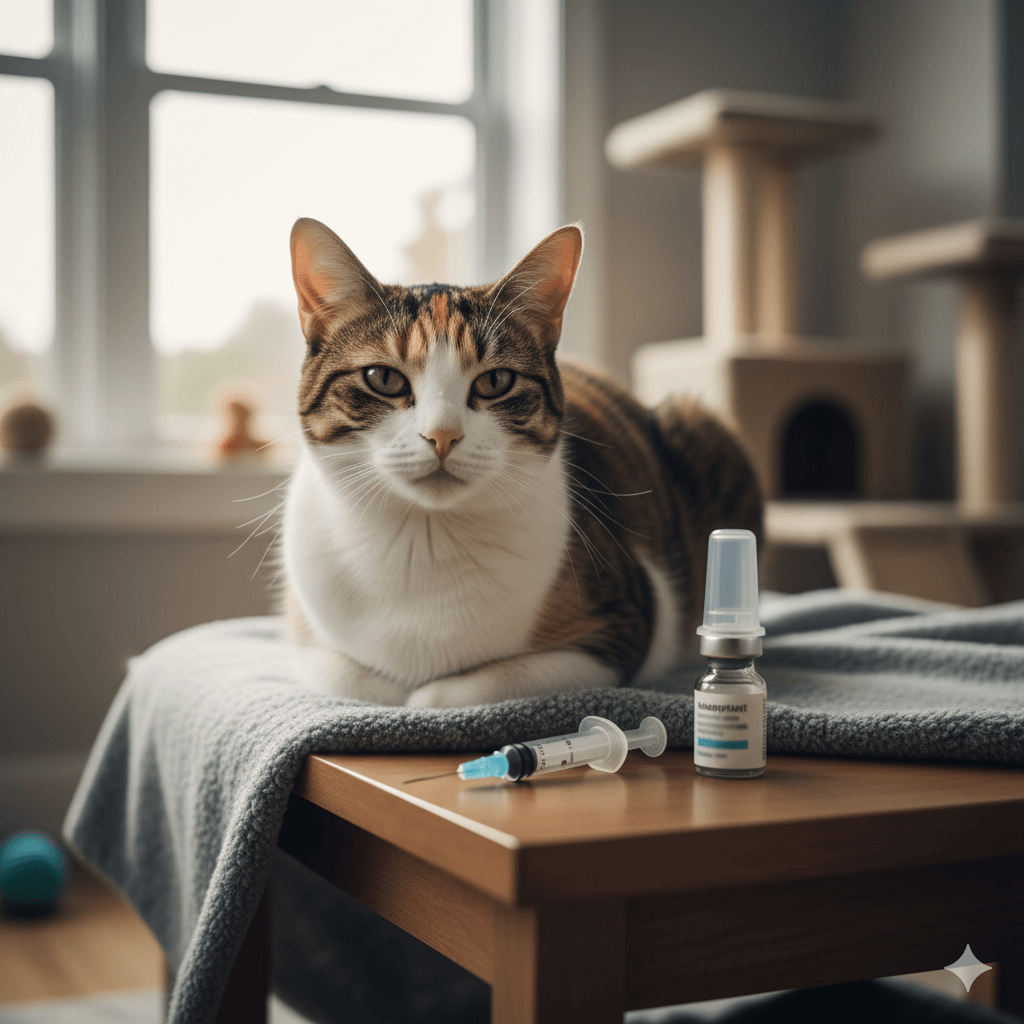

Maropitant Citrate for Cats: Best 7 Expert Tips!

Maropitant Citrate for Cats: Best 7 Expert Tips!

Understanding Maropitant Citrate for Cats

If your cat is struggling with nausea or vomiting, your veterinarian may prescribe maropitant citrate—a powerful antiemetic medication that offers fast, effective relief. Originally developed for dogs, this drug has become a trusted tool in feline veterinary care for managing motion sickness, chemotherapy side effects, and acute vomiting episodes. While generally safe when used correctly, understanding how maropitant citrate works, its proper dosing, and potential considerations is essential for any cat owner. With the right guidance, this medication can significantly improve your cat’s comfort during illness or travel.

How Maropitant Citrate Works in Feline Physiology

Maropitant citrate functions by blocking a key receptor in the brain that triggers vomiting, making it highly effective at stopping nausea before it leads to retching or discomfort. Unlike older anti-nausea drugs that act on the stomach lining, maropitant targets the central nervous system directly—offering more reliable control.

 
  • Blocks the NK1 Receptor:
    Maropitant inhibits substance P from binding to neurokinin-1 (NK1) receptors in the brain’s vomiting center, effectively halting the nausea signal.
     
  • Rapid Onset of Action:
    When given subcutaneously or orally, it typically begins working within 1–2 hours, providing quick relief during acute episodes.
     
  • Long-Lasting Effect:
    A single dose can control nausea for up to 24 hours, making it ideal for managing short-term digestive upset or pre-travel anxiety.
     
  • Minimal Sedation Risk:
    Unlike some anti-nausea medications, maropitant doesn’t usually cause drowsiness, allowing cats to remain alert and responsive.
     
  • Safe for Short-Term Use:
    It’s approved for up to five consecutive days in cats, though some vets may use it intermittently for longer under close supervision.
 

This targeted mechanism makes maropitant citrate a preferred choice for veterinarians when precise, reliable nausea control is needed without heavy sedation.

Maropitant Citrate for Cats: Best 7 Expert Tips!

Common Uses of Maropitant Citrate in Cats

Veterinarians prescribe maropitant citrate for a variety of clinical situations where nausea or vomiting poses a risk to a cat’s health or recovery. While not labeled for all uses in every country, its off-label application is well-supported by veterinary research.

 
  • Acute Vomiting Episodes:
    Used to stop ongoing vomiting due to gastroenteritis, dietary indiscretion, or mild toxin exposure.
     
  • Motion Sickness Prevention:
    Given 1–2 hours before car travel to prevent nausea and stress-related vomiting during transport.
     
  • Support During Chemotherapy:
    Helps manage nausea in cats undergoing cancer treatment, improving quality of life and appetite.
     
  • Pre-Anesthetic Nausea Control:
    Administered before surgery to reduce the risk of vomiting during induction or recovery.
     
  • Chronic Kidney Disease (CKD) Support:
    Sometimes used intermittently in CKD cats who experience nausea due to elevated uremic toxins.
 

Though primarily a short-term solution, its versatility makes it a valuable part of comprehensive feline care.

Clinical Benefits
Important Usage Notes
Effective anti-nausea control within hours
Not approved for daily long-term use without vet supervision
Reduces stress during travel or vet visits
Oral absorption may be reduced in vomiting cats—injectable form preferred in acute cases
Improves appetite by easing stomach discomfort
Should not be used in kittens under 16 weeks without explicit vet guidance
Minimal side effects when dosed correctly
Avoid in cats with known liver dysfunction unless benefits outweigh risks
Safe for use with many other medications
Always confirm drug interactions with your veterinarian first

Proper Dosing and Administration Guidelines

Correct dosing is critical to ensure safety and effectiveness—maropitant citrate is weight-based and comes in both injectable (veterinary use) and oral tablet forms (often compounded for cats). Never adjust the dose without professional advice.

 
  • Standard Dosage Range:
    Typically 1 mg per kg (0.45 mg per pound) once daily, given orally or by injection as directed by your vet.
     
  • Timing Matters:
    For motion sickness, administer 1–2 hours before travel; for ongoing nausea, give at the same time each day.
     
  • Oral Tablet Tips:
    Hide the tablet in a pill pocket or mix with a small amount of wet food—but ensure your cat consumes the full dose.
     
  • Missed Dose Protocol:
    If you miss a dose, give it as soon as remembered unless close to the next scheduled dose—never double dose.
     
  • Storage Requirements:
    Store tablets in a cool, dry place away from light; compounded forms may require refrigeration—check label instructions.
 

Precision in dosing ensures your cat receives relief without unnecessary risk—always follow your veterinarian’s specific instructions.

Potential Side Effects and Safety Considerations

While generally well-tolerated, maropitant citrate can cause mild reactions in some cats, and certain health conditions require extra caution. Vigilance during treatment helps catch issues early.

 
  • Mild Drowsiness or Lethargy:
    Rare, but some cats may seem quieter or less active for a few hours after dosing.
     
  • Pain or Swelling at Injection Site:
    If given subcutaneously, temporary tenderness or mild inflammation may occur—usually resolves within 24 hours.
     
  • Reduced Appetite (Paradoxical Effect):
    In rare cases, cats may eat less despite nausea control—monitor food intake closely.
     
  • Liver Metabolism Consideration:
    Since the liver processes maropitant, use with caution in cats with hepatic disease or elevated liver enzymes.
     
  • Allergic Reactions (Very Rare):
    Watch for facial swelling, hives, or difficulty breathing—seek emergency care if these occur.
 

Most cats experience no adverse effects, but reporting any unusual behavior to your vet ensures continued safety.

When Maropitant Citrate Is Not Recommended

Not every cat is a candidate for this medication. Certain conditions or life stages may make alternative approaches safer or more appropriate—always disclose your cat’s full health history.

 
  • Severe Dehydration or Shock:
    Medication won’t address the root cause and may delay critical fluid therapy or diagnostics.
     
  • Known Hypersensitivity to Maropitant:
    Cats with prior allergic reactions should avoid re-exposure.
     
  • Uncontrolled Seizure Disorders:
    Though rare, theoretical concerns exist about NK1 receptor effects in neurologically unstable patients.
     
  • Pregnant or Nursing Queens:
    Safety hasn’t been established—use only if benefits clearly outweigh potential fetal or neonatal risks.
     
  • Cats with Intestinal Obstruction:
    Suppressing vomiting in cases of blockage can be dangerous—diagnosis must come first.
 

Your veterinarian will weigh these factors carefully before prescribing, ensuring the treatment aligns with your cat’s unique needs.


Alternatives and Complementary Therapies

If maropitant citrate isn’t suitable, or if your cat needs additional support, several other options exist—sometimes used alongside, sometimes instead. Always coordinate with your vet before combining treatments.

 
  • Cerenia® (Maropitant Brand):
    The original veterinary formulation; generic versions exist but vary in bioavailability—stick to vet-sourced products.
     
  • Mirtazapine:
    An appetite stimulant with anti-nausea properties, often used in chronic cases like kidney disease.
     
  • Famotidine or Omeprazole:
    Reduce stomach acid and soothe irritation, though they don’t directly stop nausea like maropitant.
     
  • B Vitamins (Especially B12):
    Support gut health and may reduce nausea in cats with inflammatory bowel disease or malabsorption.
     
  • Ginger or Slippery Elm (With Caution):
    Some holistic vets recommend these in mild cases, but evidence is limited—never use without vet approval.
 

A tailored approach—sometimes combining pharmaceutical and supportive care—delivers the best outcomes for nauseous cats.

Practical Tips for Cat Owners Using Maropitant Citrate

Administering medication to a cat can be challenging, but these strategies can make treatment smoother for both of you—while maximizing effectiveness and minimizing stress.

 
  • Pair with Positive Reinforcement:
    Offer a treat or gentle petting after dosing to create a positive association with the medication routine.
     
  • Use a Pill Popper for Accuracy:
    Ensures the tablet goes to the back of the throat, reducing the chance of spitting or incomplete dosing.
     
  • Monitor Hydration Status:
    Even with nausea controlled, a cat may not drink enough—check gum moisture and skin elasticity daily.
     
  • Keep a Symptom Journal:
    Note vomiting frequency, appetite, energy, and stool changes to share with your vet at follow-up.
     
  • Never Share Between Pets:
    Dosing is species- and weight-specific—never give your dog’s maropitant to your cat or vice versa.
 

Your calm, consistent approach turns medication time from a battle into a moment of care and connection.


Frequently Asked Questions About Maropitant Citrate for Cats

Can I buy maropitant citrate over the counter for my cat?

No—maropitant citrate (including Cerenia®) is a prescription medication and must be obtained through a licensed veterinarian.

In the U.S., it’s approved for dogs but commonly used off-label in cats under veterinary supervision, which is legal and widespread.

When given 1–2 hours before travel, most cats experience full nausea prevention within 60–90 minutes.

It’s labeled for up to 5 consecutive days; long-term daily use requires vet oversight due to limited safety data beyond short-term use.

No natural remedy matches maropitant’s targeted anti-nausea effect—while some herbs may soothe mild upset, they don’t block the brain’s vomiting center.

Supporting Your Cat’s Comfort with Informed Care

Watching your cat suffer from nausea or repeated vomiting is deeply unsettling—but with medications like maropitant citrate, relief is often just hours away. By understanding how this drug works, when it’s appropriate, and how to use it safely, you become a more empowered advocate for your feline friend’s well-being. Always partner closely with your veterinarian, who can tailor treatment to your cat’s unique health profile. In the end, your attentiveness, combined with modern veterinary science, creates a safer, more comfortable path to recovery. And that peace of mind—for both you and your cat—is priceless.

How Fast Can a Cat Lose Weight: Best 7 Expert Tips!

How Fast Can a Cat Lose Weight: Best 7 Expert Tips! – Safe rates, warning signs & vet-approved strategies for healthy feline weight loss.

How Fast Can a Dog Lose Weight: Best 7 Expert Tips!

How Fast Can a Dog Lose Weight: Best 7 Expert Tips! – Safe rates, red flags, and vet-approved strategies for healthy dog weight loss.

Understanding Pilar Cyst in Cats: Best 7 Expert Tips!

Understanding Pilar Cyst in Cats: Best 7 Expert Tips! – Spot, assess & care for benign feline skin cysts with vet-backed guidance.

Understanding Pilar Cyst in Dogs: Best 7 Expert Tips!

Understanding Pilar Cyst in Dogs: Best 7 Expert Tips! – Identify, monitor & manage benign skin cysts safely with vet-approved guidance.

Leave a Reply

Your email address will not be published. Required fields are marked *