
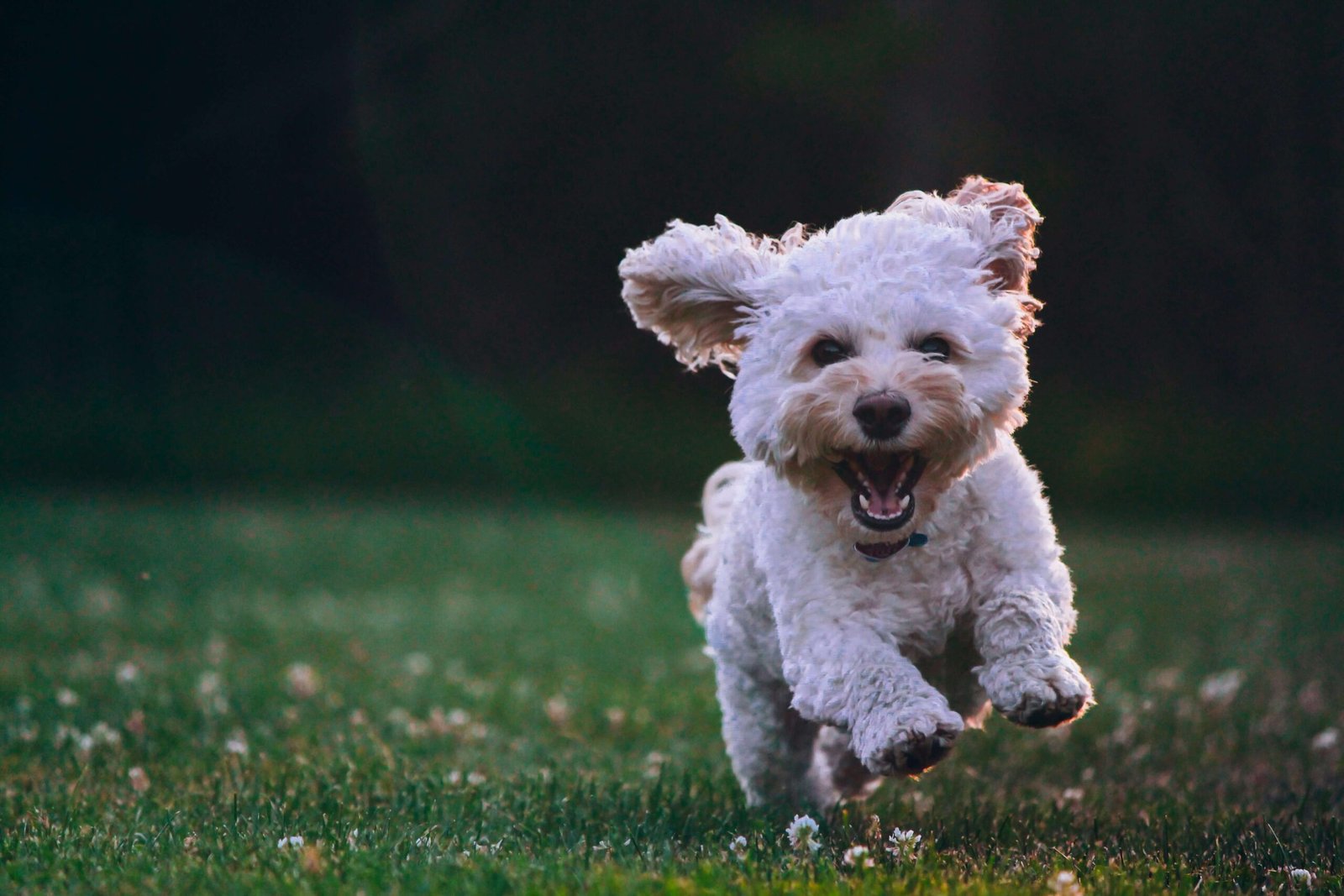
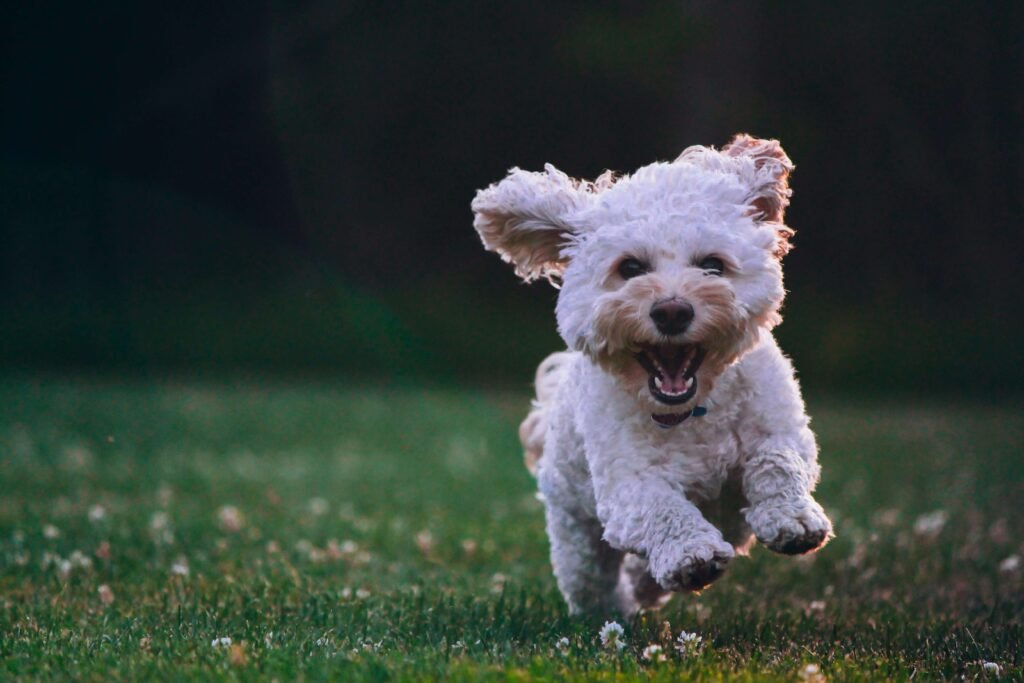

Discover the Charm of the Maltipoo Dog
The Maltipoo, a delightful crossbreed between a Maltese and a Poodle, has captured the hearts of dog lovers worldwide. Known for their playful nature, intelligence, and hypoallergenic coats, Maltipoos make excellent companions for families, singles, and seniors alike. Whether you’re considering adding a Maltipoo to your household or simply curious about this adorable hybrid, understanding their unique traits and care requirements is essential. In this blog post, we’ll explore everything you need to know about the Maltipoo dog, from their temperament and grooming needs to training tips and health considerations. Let’s dive into the world of this lovable pup and uncover what makes them so special.
Key Characteristics of the Maltipoo Dog
The Maltipoo’s charm lies in its delightful combination of traits inherited from its Maltese and Poodle parents. These characteristics make them stand out as one of the most popular designer dogs today.
Affectionate and Loyal:
Maltipoos thrive on human companionship and form strong bonds with their owners, making them ideal lap dogs.Intelligent and Trainable:
Thanks to their Poodle heritage, Maltipoos are quick learners and excel in obedience training when positive reinforcement is used.Hypoallergenic Coat:
Their low-shedding, curly or wavy coat is perfect for individuals with allergies, though regular grooming is still necessary.Playful and Energetic:
Despite their small size, Maltipoos have plenty of energy and enjoy interactive playtime, walks, and mental stimulation.Adaptable to Various Lifestyles:
Whether you live in an apartment or a house, Maltipoos adjust well to different environments as long as they receive attention and exercise.
These qualities make the Maltipoo a versatile and loving pet that fits seamlessly into many households.
Grooming Needs of the Maltipoo Dog
Proper grooming is crucial to maintaining the health and appearance of your Maltipoo’s coat. While their hypoallergenic fur is a major advantage, it requires consistent care to stay soft, shiny, and tangle-free.
Regular Brushing:
Brush your Maltipoo’s coat at least 2-3 times a week to prevent mats and tangles, especially if their fur is curly.Professional Haircuts:
Schedule visits to a professional groomer every 6-8 weeks to keep their coat trimmed and neat.Bathing Routine:
Bathe your Maltipoo once a month using a gentle, dog-friendly shampoo to avoid skin irritation.Ear Cleaning:
Due to their floppy ears, Maltipoos are prone to ear infections. Clean their ears weekly to remove dirt and moisture buildup.Nail Trimming:
Trim their nails every 2-4 weeks to prevent overgrowth, which can cause discomfort or injury.
With a consistent grooming routine, your Maltipoo will not only look great but also feel comfortable and healthy.
Check this guide 👉Saint Bernard Maltese Mix: Best 7 Expert Tips!
Check this guide 👉Rhodesian Ridgeback Maltese Mix: Best 7 Expert Tips!
Check this guide 👉Azawakh Maltese Mix: Best 7 Expert Tips!
Maltipoo Pros | Maltipoo Cons |
|---|---|
Affectionate and great with kids | Requires frequent grooming |
Hypoallergenic coat | Can suffer from separation anxiety |
Adaptable to small living spaces | Prone to dental issues |
Intelligent and easy to train | May inherit health problems from parents |
Friendly toward strangers and pets | High energy; needs daily exercise |
Training Tips for Your Maltipoo Dog
Training a Maltipoo can be a rewarding experience thanks to their eagerness to please and quick learning abilities. However, patience and consistency are key to success.
Start Early:
Begin training your Maltipoo puppy as soon as you bring them home to establish good habits early on.Use Positive Reinforcement:
Reward desired behaviors with treats, praise, or toys to encourage repetition without relying on punishment.Focus on Socialization:
Expose your Maltipoo to various people, animals, and environments during puppyhood to build confidence and reduce fearfulness.Keep Sessions Short and Fun:
Limit training sessions to 5-10 minutes to match their short attention spans and maintain engagement.Address Separation Anxiety:
Gradually acclimate your Maltipoo to being alone to prevent destructive behaviors caused by loneliness.
With these strategies, your Maltipoo will grow into a well-behaved and happy companion.
Health Considerations for Maltipoo Dogs
While Maltipoos are generally healthy dogs, they may inherit certain health conditions from their parent breeds. Being aware of potential risks allows you to take preventive measures and ensure a long, healthy life for your furry friend.
Dental Issues:
Small breeds like Maltipoos are prone to tooth decay and gum disease. Regular brushing and vet check-ups are essential.Patellar Luxation:
This condition, where the kneecap slips out of place, is common in small dogs. Watch for limping and consult a vet if symptoms arise.Allergies:
Some Maltipoos may develop skin or food allergies, requiring dietary adjustments or medication.Hip Dysplasia:
Though less common, hip dysplasia can occur. Maintain a healthy weight and provide joint-supportive supplements if needed.Eye Problems:
Conditions like cataracts or progressive retinal atrophy may affect vision. Schedule annual eye exams to catch issues early.
By staying proactive about your Maltipoo’s health, you can minimize risks and enjoy many joyful years together.
Common Misconceptions About Maltipoos
While Maltipoos are beloved pets, several misconceptions about them persist. Understanding the truth behind these myths helps set realistic expectations for potential owners.
Myth: Maltipoos Are Completely Hypoallergenic:
While they shed minimally, no dog is entirely hypoallergenic. Regular grooming reduces allergens but doesn’t eliminate them completely.Myth: They Don’t Require Much Exercise:
Despite their small size, Maltipoos need daily physical activity to burn off energy and stay mentally stimulated.Myth: Mixed Breeds Are Always Healthier:
While hybrids often benefit from hybrid vigor, Maltipoos can still inherit genetic conditions from their parent breeds.Myth: Training Is Unnecessary Due to Their Size:
Even small dogs require structured training to prevent behavioral issues and ensure safety.Myth: All Maltipoos Have Similar Appearances:
Variations in coat type, color, and size depend on the traits inherited from their Maltese and Poodle parents.
Dispelling these myths ensures you approach Maltipoo ownership with accurate knowledge and realistic expectations.
Fun Activities to Enjoy with Your Maltipoo
Maltipoos are energetic and intelligent dogs who love spending time with their owners. Engaging in fun activities strengthens your bond and keeps them happy and healthy.
Agility Training:
Set up a mini agility course in your backyard to challenge their mind and body while boosting confidence.Interactive Toys:
Puzzle feeders and treat-dispensing toys provide mental stimulation and prevent boredom during downtime.Daily Walks:
Short, brisk walks around the neighborhood give your Maltipoo the exercise they need while allowing them to explore new sights and smells.Fetch Games:
Play fetch indoors or outdoors with soft toys to satisfy their instinct to chase and retrieve.Cuddle Time:
Maltipoos love lounging with their humans—snuggling on the couch or bed strengthens your emotional connection.
These activities cater to your Maltipoo’s playful spirit and deepen your relationship through shared experiences.
Signs Your Maltipoo Is Happy and Healthy
Understanding the signs of happiness and good health in your Maltipoo ensures you’re meeting their needs effectively. Look out for these indicators to gauge their overall well-being.
Bright Eyes and Clean Ears:
Clear, shiny eyes and odor-free ears signal good health and proper hygiene practices.Shiny Coat:
A soft, glossy coat reflects a balanced diet and regular grooming routines.Playful Energy:
A happy Maltipoo will eagerly engage in play and show curiosity about their surroundings.Healthy Appetite:
Consistent eating habits indicate that your pup feels well and enjoys mealtime.Relaxed Body Language:
Wagging tails, relaxed posture, and frequent cuddles demonstrate contentment and trust.
Recognizing these signs reassures you that your Maltipoo is thriving under your care.
Frequently Asked Questions About Maltipoos
Are Maltipoos good with children?
Yes, their friendly and patient nature makes them great companions for kids.
Do Maltipoos shed a lot?
No, they have a low-shedding coat, making them ideal for allergy sufferers.
How much exercise does a Maltipoo need?
They require about 30 minutes of exercise daily, including walks and playtime.
Are Maltipoos easy to train?
Yes, their intelligence and eagerness to please make training relatively straightforward.
What health issues should I watch for?
Common concerns include dental problems, patellar luxation, and ear infections.
Can Maltipoos live in apartments?
Absolutely! Their small size and adaptability make them perfect for apartment living.
Why the Maltipoo Dog Is a Perfect Companion
The Maltipoo’s irresistible charm, combined with its adaptability and affectionate personality, makes it an ideal choice for anyone seeking a loyal and loving pet. From their playful antics to their cuddly demeanor, these pint-sized pups bring endless joy and warmth to any home. By providing proper care, training, and attention, you can ensure your Maltipoo thrives as a cherished member of your family. Whether you’re looking for a playful playmate, a devoted snuggle buddy, or a hypoallergenic companion, the Maltipoo dog checks all the boxes—and then some.
Dog Mastiff Breeds: Best 7 Expert Tips! – Discover the unique traits, care needs, and training tips for majestic mastiffs to find your perfect gentle giant.
Lakeland Terrier Dog: Best 7 Expert Tips! – Discover the bold personality, care needs, and training tips for this lively terrier breed. Perfect for active families!
Can Cat Bloat Resolve on Its Own? Best 7 Expert Tips! – Learn when bloat may pass naturally, spot warning signs, and know when to seek urgent vet care.
Maltipoo Dog Size: Best 7 Expert Tips! – Discover the ideal weight, height, and growth stages for your Maltipoo to ensure a healthy, happy companion.


