
Understanding Maltipoo Dog Size: What You Need to Know
The Maltipoo, a charming cross between a Maltese and a Poodle, is beloved for its compact size and affectionate nature. While their small stature makes them ideal companions for apartment living or cozy homes, their size can vary depending on genetics and the type of Poodle used in breeding. Knowing what to expect in terms of height, weight, and growth patterns helps you better care for your Maltipoo and ensure they thrive.
Factors Influencing Maltipoo Size
The size of a Maltipoo can vary significantly based on several factors, including genetics, the type of Poodle parent (Toy or Miniature), and environmental influences. Understanding these variables helps you predict your Maltipoo’s growth trajectory and ensure they stay healthy throughout their life.
- Genetic Inheritance:
Both the Maltese and Poodle contribute to the Maltipoo’s size, but dominant genes from either parent may result in a smaller or larger dog than expected. This genetic variability is common in mixed breeds. - Type of Poodle Parent:
If bred with a Toy Poodle, Maltipoos typically weigh between 5–10 pounds, while Miniature Poodle crosses can result in dogs weighing up to 15–20 pounds. Knowing the Poodle parent’s size provides a clearer expectation. - Nutrition During Growth:
A balanced diet rich in protein, vitamins, and minerals supports proper growth. Overfeeding or poor nutrition can lead to stunted growth or excessive weight gain, impacting overall size. - Health Conditions:
Certain health issues, such as hypothyroidism or growth hormone imbalances, can affect a Maltipoo’s size. Regular vet check-ups help identify and address these concerns early. - Environmental Factors:
Exercise, living conditions, and stress levels during puppyhood also play a role. A lack of physical activity or exposure to harmful environments may hinder optimal development.
Understanding these factors allows you to better anticipate your Maltipoo’s adult size and provide the care they need for healthy growth.
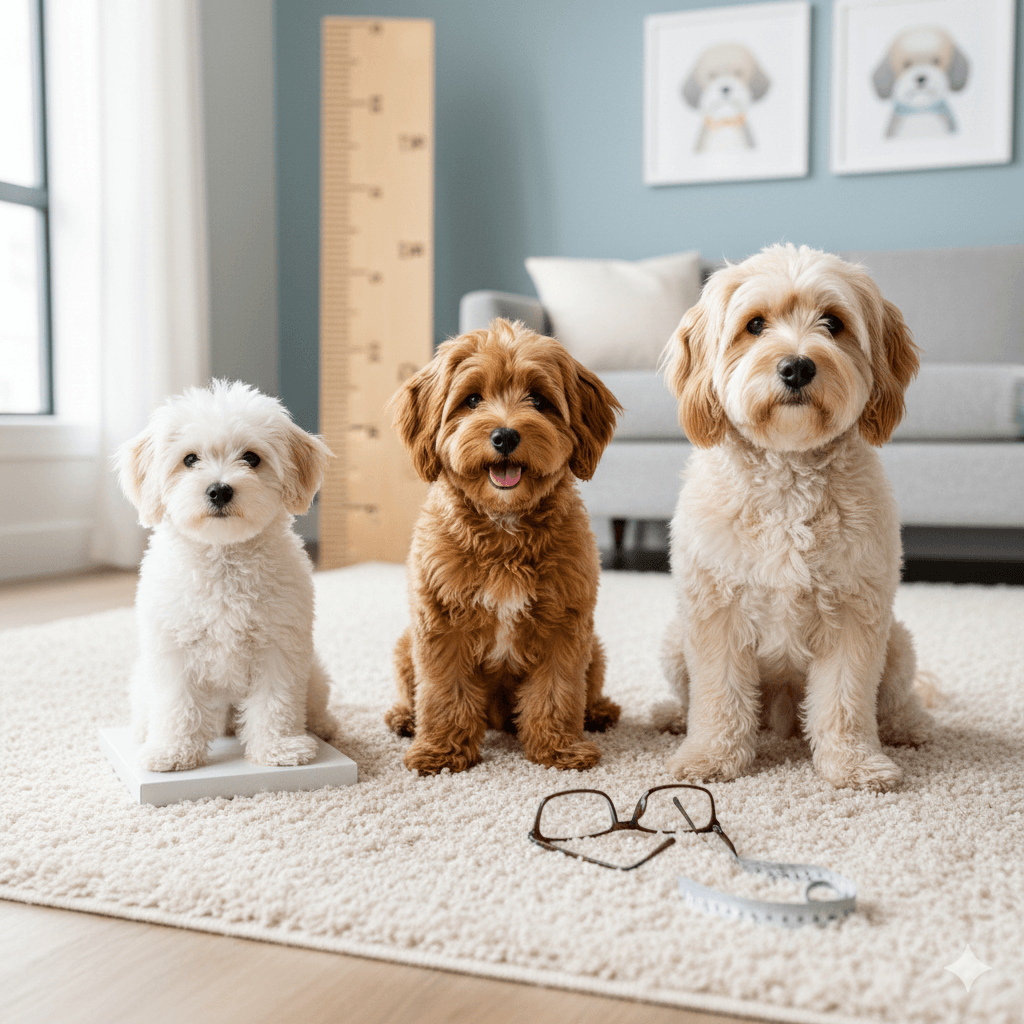
Typical Weight Range for Maltipoos
Maltipoos are small dogs, but their weight can vary depending on their lineage and individual traits. Knowing the typical weight range helps you monitor their health and ensure they maintain an ideal body condition.
- Toy Maltipoo Weight (5–10 lbs):
Toy Maltipoos are the smallest variety, often weighing no more than 10 pounds. They’re perfect for individuals living in apartments or small spaces. - Miniature Maltipoo Weight (10–20 lbs):
Miniature Maltipoos fall on the larger end of the spectrum, making them slightly more robust and suitable for families with children. - Body Condition Scoring:
A healthy Maltipoo should have a visible waist and ribs that can be felt but not seen. Overweight or underweight dogs may face health risks like joint problems or lethargy. - Seasonal Weight Fluctuations:
Some Maltipoos gain slight weight during colder months due to reduced activity. Monitoring their diet during these times prevents obesity. - Age-Related Changes:
Senior Maltipoos may experience weight loss or gain as their metabolism slows. Adjusting their diet and exercise routine keeps them fit and comfortable.
By staying informed about their weight range, you can ensure your Maltipoo remains healthy and happy throughout their life.
Check this guide 👉Maltipoo Life Expectancy: Best 7 Expert Tips!
Check this guide 👉Maltipoo Dog: Best 7 Expert Tips!
Check this guide 👉Maltipoo Chihuahua Mix: Best 7 Expert Tips!
| Size Category | Weight Range |
|---|---|
| Toy Maltipoo | 5–10 lbs |
| Miniature Maltipoo | 10–20 lbs |
| Height Range | 8–14 inches |
| Growth Completion | 9–12 months |
| Health Considerations | Dental issues, joint problems, weight management |
Height Expectations for Maltipoos
A Maltipoo’s height is another key aspect of their size profile, influenced by their parents’ genetics and breeding practices. Understanding their height range helps you prepare for their physical needs and living environment.
- Average Height (8–14 inches):
Most Maltipoos stand between 8 and 14 inches tall at the shoulder, making them compact yet sturdy companions. - Toy vs. Miniature Variations:
Toy Maltipoos tend to be shorter, around 8–10 inches, while Miniature Maltipoos can reach heights of up to 14 inches. - Growth Plate Closure:
Maltipoos typically stop growing in height by 9–12 months of age when their growth plates close. Proper nutrition during this period is crucial for reaching their full potential. - Proportionate Build:
A well-proportioned Maltipoo has a balanced body structure, with their height complementing their weight for optimal mobility and health. - Breeding Practices:
Reputable breeders aim for consistency in size, but unethical breeding may result in oversized or undersized dogs with potential health issues.
Knowing what to expect in terms of height ensures you provide the right care and environment for your Maltipoo’s unique needs.
Growth Stages of a Maltipoo Puppy
Maltipoo puppies go through distinct growth stages as they mature into adulthood. Understanding these phases helps you track their development and ensure they grow up strong and healthy.
- Newborn Stage (0–2 weeks):
At birth, Maltipoo puppies weigh just a few ounces and rely entirely on their mother for warmth, nutrition, and care. Their eyes and ears remain closed during this time. - Early Socialization (3–8 weeks):
Between 3 and 8 weeks, puppies begin exploring their surroundings, developing basic motor skills, and interacting with littermates. This period is critical for socialization. - Rapid Growth Phase (2–6 months):
During this stage, Maltipoos experience rapid growth, gaining significant weight and height. Proper nutrition and exercise are essential to support their development. - Adolescence (6–12 months):
As they approach adulthood, Maltipoos become more energetic and independent. Training and consistent routines help manage behavioral changes during this phase. - Full Maturity (12+ months):
By their first birthday, most Maltipoos reach their full size and maturity. However, some may continue filling out slightly until 18 months of age.
Tracking these stages ensures your Maltipoo grows up healthy and well-adjusted.
How to Measure Your Maltipoo’s Size
Accurately measuring your Maltipoo’s height and weight is essential for monitoring their growth and ensuring they stay within a healthy range. Here’s how to do it properly:
- Measuring Height:
Use a measuring tape or ruler to measure from the ground to the highest point of their shoulders (withers) while they stand naturally. - Weighing Your Dog:
For small dogs, use a pet scale or weigh yourself holding your Maltipoo, then subtract your weight to get theirs. Regular weigh-ins help detect unusual changes. - Tracking Growth Progress:
Keep a journal or chart to record measurements monthly during puppyhood. This helps identify growth patterns and spot potential issues early. - Comparing to Breed Standards:
While Maltipoos aren’t standardized, comparing their size to typical ranges for Toy or Miniature Poodles provides useful context. - Consulting Your Vet:
Veterinarians can assess whether your Maltipoo’s size aligns with their genetic potential and offer advice on maintaining a healthy weight.
Regular measurements give you peace of mind and help keep your Maltipoo in top shape.
Common Misconceptions About Maltipoo Size
There are several myths and misconceptions about Maltipoo size that can lead to confusion among owners. Clarifying these misunderstandings ensures you have realistic expectations.
- “All Maltipoos Are Tiny”:
While many Maltipoos are small, those bred with Miniature Poodles can grow larger than expected, sometimes weighing up to 20 pounds. - “Size Doesn’t Affect Health”:
Smaller Maltipoos may face dental issues or fragile bones, while larger ones could develop joint problems if overweight. Size impacts their unique health needs. - “You Can Predict Exact Size”:
Due to genetic variability, predicting a Maltipoo’s exact size is challenging. Even reputable breeders can only provide estimates based on parents’ sizes. - “Bigger Is Better”:
Larger Maltipoos aren’t inherently healthier or stronger. Each size variation has its own advantages and challenges. - “Puppy Size Equals Adult Size”:
A Maltipoo’s size at 8 weeks isn’t always indicative of their adult size. They undergo significant growth in their first year.
Understanding these misconceptions helps you make informed decisions about your Maltipoo’s care and lifestyle.
Tips for Managing Your Maltipoo’s Size
Proper management of your Maltipoo’s size involves a combination of nutrition, exercise, and regular monitoring. These tips ensure they stay healthy and within an ideal weight range.
- Balanced Diet:
Feed high-quality food formulated for small breeds, ensuring it contains adequate protein, fats, and carbohydrates for sustained energy and growth. - Portion Control:
Overfeeding can lead to obesity, which strains joints and organs. Follow feeding guidelines and adjust portions based on activity level. - Daily Exercise:
Short walks, playtime, and interactive toys keep your Maltipoo active and prevent excessive weight gain. Aim for 20–30 minutes of exercise daily. - Regular Vet Visits:
Routine check-ups allow vets to monitor your Maltipoo’s growth, address concerns, and recommend dietary adjustments if needed. - Avoid Human Food:
Many human foods are high in calories or toxic to dogs. Stick to species-appropriate treats and meals to maintain their ideal size.
By following these tips, you ensure your Maltipoo stays healthy, happy, and perfectly sized for their unique personality.
Frequently Asked Questions About Maltipoo Dog Size
How big will my Maltipoo get?
Most Maltipoos weigh between 5–20 pounds and stand 8–14 inches tall, depending on their lineage and the type of Poodle parent.
When do Maltipoos stop growing?
Maltipoos typically reach their full size by 9–12 months, though some may continue filling out slightly until 18 months of age.
Can Maltipoos be larger than expected?
Yes, if bred with a Miniature Poodle, Maltipoos can grow larger than the typical Toy variety, weighing up to 20 pounds.
Are smaller Maltipoos healthier than larger ones?
Not necessarily—each size has unique health considerations. Smaller Maltipoos may face dental issues, while larger ones could develop joint problems if overweight.
How can I ensure my Maltipoo stays within a healthy weight range?
Feed a balanced diet, control portions, provide regular exercise, and schedule routine vet check-ups to monitor their growth and overall health.
A Lifeline in Every Moment of Care
Understanding your Maltipoo’s size is more than just numbers—it’s about providing the best care for their unique needs. From monitoring their growth stages to managing their weight and addressing misconceptions, every step you take ensures they live a happy, healthy life. Their small stature makes them perfect companions, but their big personalities leave an even bigger impact on your heart. With love, attention, and informed decisions, your Maltipoo will thrive as the joyful, affectionate friend they’re meant to be.

Is Rawhide Bad for Cats? Best 7 Expert Tips! – Discover the risks, safe alternatives, and expert advice to keep your feline friend healthy and happy.

Is Rawhide Bad for Dogs? Best 7 Expert Tips! – Discover the risks, benefits, and safer alternatives to rawhides for your dog’s chewing needs.

Understanding Anorexia in Cats: Best 7 Expert Tips! – Learn why cats stop eating, spot warning signs, and discover how to help your feline regain appetite safely.

Understanding Anorexia in Dogs: Best 7 Expert Tips! – Learn causes, symptoms, and solutions to help your dog regain appetite and stay healthy.