
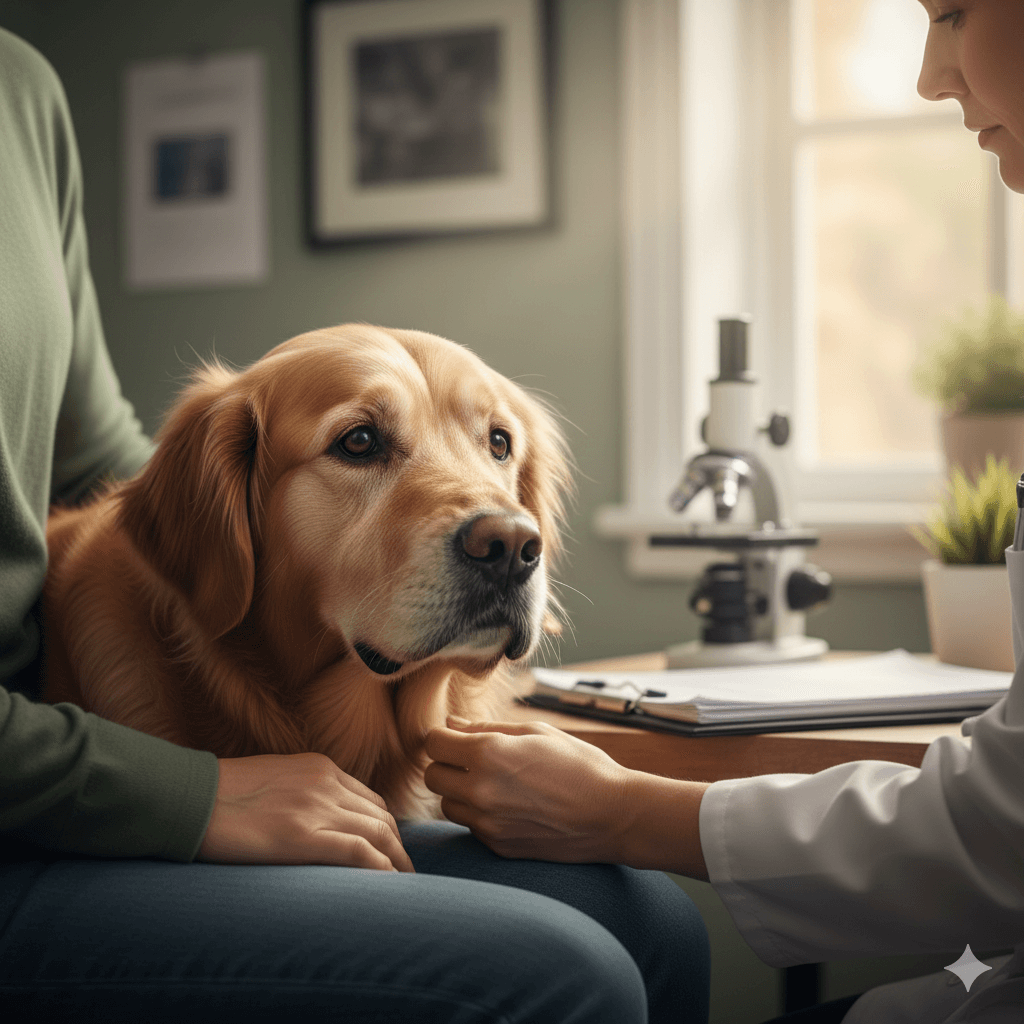

Understanding Lymphosarcoma in Dogs: Best 7 Expert Tips!
Lymphosarcoma—also known as lymphoma—is one of the most common cancers diagnosed in dogs, affecting the lymphatic system that plays a vital role in immunity. Though it can appear suddenly and progress quickly, early detection and modern treatment options offer real hope for extended, high-quality life. This aggressive but often responsive cancer strikes dogs of all breeds and ages, though certain types are more predisposed. With expert care and informed decisions, many dogs respond well to therapy and enjoy meaningful time with their families. Understanding the signs, types, and management strategies empowers you to act swiftly and compassionately if your dog is ever affected.
Origins and Types of Canine Lymphosarcoma
Lymphosarcoma arises from abnormal lymphocytes, a type of white blood cell, and can develop in multiple organs throughout the body. While the exact cause remains unclear, veterinarians recognize several distinct forms—each with unique behaviors and treatment approaches:
- Multicentric Lymphoma:
This is the most common form (80–85% of cases), characterized by painless swelling of multiple lymph nodes—often first noticed under the jaw or behind the knees. - Alimentary (Gastrointestinal) Lymphoma:
Originating in the stomach or intestines, this type causes vomiting, diarrhea, weight loss, and poor nutrient absorption, mimicking other digestive disorders. - Mediastinal Lymphoma:
Tumors develop in the chest cavity, particularly in the thymus or mediastinal lymph nodes, potentially leading to breathing difficulties or fluid buildup around the lungs. - Cutaneous Lymphoma:
Affecting the skin, this rare form appears as red, scaly patches, ulcers, or lumps that may be mistaken for allergies or infections in early stages. - Extranodal Lymphoma:
This variant targets specific organs like the eyes, kidneys, nervous system, or nose, with symptoms varying widely based on the affected site.
Though varied in presentation, all forms of lymphosarcoma share a common thread: they are systemic diseases requiring specialized veterinary oncology care for the best outcomes.
Common Early Signs to Watch For
Because lymphosarcoma can mimic many other conditions, recognizing subtle early signs is crucial for timely diagnosis. Symptoms often develop gradually and may seem mild at first—but escalate quickly without intervention:
- Enlarged Lymph Nodes:
The most telltale sign—nodes feel firm, round, and non-painful, often doubling or tripling in size within days to weeks. - Lethargy and Reduced Activity:
Your dog may sleep more, show less interest in walks, or seem “off” without obvious pain or fever. - Loss of Appetite or Weight Loss:
Even favorite treats may be ignored as the disease affects metabolism and overall well-being. - Increased Thirst and Urination:
Especially common in advanced cases or when kidneys are involved, signaling potential systemic impact. - Fever Without Infection:
Some dogs develop a persistent, unexplained fever as their immune system reacts to abnormal cell growth.
If you notice any of these changes—especially swollen lymph nodes—schedule a vet visit immediately; early testing can confirm or rule out lymphoma before it progresses.
Check this guide 👉Campylobacter in Dogs: Best 7 Expert Tips!
Check this guide 👉Understanding Carcinoma in Dogs: Best 7 Expert Tips!
Check this guide 👉Trigeminal Neuritis Symptoms in Dogs: Best 7 Expert Tips!
Clinical Warning Signs | Diagnostic Clues Your Vet Will Check |
|---|---|
Painless lymph node enlargement | Fine-needle aspirate of lymph nodes |
Unexplained weight loss | Complete blood count and chemistry panel |
Persistent lethargy | Urinalysis and abdominal ultrasound |
Skin lesions or nodules | Biopsy of affected tissue |
Breathing difficulty or cough | Chest X-rays or CT scan |
Risk Factors and Breed Predispositions
While any dog can develop lymphosarcoma, certain factors increase susceptibility. Genetics, environment, and age all play roles in this complex disease:
- Breed Susceptibility:
Golden Retrievers, Boxers, Bulldogs, Basset Hounds, and Saint Bernards have higher incidence rates, suggesting a genetic component. - Age Factor:
Most commonly diagnosed in middle-aged to senior dogs (6–9 years), though younger dogs can also be affected—especially in high-risk breeds. - Immune System Status:
Dogs with chronic immune stimulation or prior viral exposure (e.g., to certain retroviruses) may face elevated risk, though direct links are still under study. - Environmental Exposures:
Some research suggests links to herbicides, pesticides, or prolonged exposure to electromagnetic fields, but evidence remains inconclusive. - Gender and Neuter Status:
No strong gender bias exists, though some studies hint that spayed/neutered dogs may have slightly altered risk profiles.
Understanding your dog’s individual risk helps you stay vigilant—especially if they belong to a predisposed breed or are entering their senior years.
Diagnostic Process and Staging
Accurate diagnosis is essential before treatment begins. Veterinarians use a multi-step approach to confirm lymphosarcoma and determine how far it has spread:
- Physical Examination:
Your vet will palpate all major lymph node groups and check for organ enlargement, fever, or other systemic signs. - Fine-Needle Aspiration (FNA):
A quick, minimally invasive test where cells are extracted from a swollen node for microscopic evaluation—often enough for initial diagnosis. - Biopsy (if needed):
In ambiguous cases, a small tissue sample provides definitive confirmation and helps identify the lymphoma subtype. - Staging Tests:
Blood work, urinalysis, chest X-rays, and abdominal ultrasound determine the disease stage (I–V) and guide prognosis and treatment planning. - Specialized Testing:
Flow cytometry or PARR testing may be used to classify B-cell vs. T-cell lymphoma—critical for predicting treatment response.
Staging doesn’t just define severity; it directly influences therapy choices and expected outcomes, making thorough evaluation essential.
Treatment Options and Prognosis
Though lymphosarcoma is rarely “curable,” it is one of the most treatable canine cancers—with many dogs achieving remission and enjoying months to years of good-quality life:
- Chemotherapy as Gold Standard:
Multi-drug protocols (like CHOP) are highly effective, especially for B-cell multicentric lymphoma, with 80–90% of dogs entering remission. - Oral Medications:
Drugs like prednisone (a steroid) offer short-term relief and can be used alone for palliative care or alongside chemo for enhanced effect. - Radiation or Surgery (Rare Cases):
Used only for localized forms (e.g., nasal or cutaneous lymphoma) where systemic treatment isn’t the first line. - Supportive Care:
Anti-nausea meds, appetite stimulants, and nutritional support help maintain comfort during treatment. - Monitoring for Relapse:
Even in remission, regular check-ups are vital—most dogs eventually relapse, but second remissions are often possible with adjusted protocols.
With modern oncology, many dogs live 12–18 months or longer after diagnosis—and some exceed two years with excellent quality of life.
At-Home Care During and After Treatment
Your role as a caregiver is pivotal in your dog’s cancer journey. Comfort, observation, and consistency make a profound difference in their well-being:
- Medication Adherence:
Give all prescribed drugs exactly as directed—missing doses can reduce treatment efficacy or trigger resistance. - Watch for Side Effects:
While dogs tolerate chemo better than humans, monitor for vomiting, diarrhea, low energy, or reduced white blood cell counts (increased infection risk). - Nutrition Matters:
Offer high-quality, easily digestible food; some vets recommend omega-3 supplements or specialized cancer diets to support immune function. - Gentle Exercise and Enrichment:
Maintain light walks and mental stimulation unless your dog is fatigued—routine provides comfort during uncertainty. - Emotional Support:
Dogs sense your calm presence; extra cuddles, quiet time, and familiar routines reduce stress and strengthen your bond.
Your attentiveness doesn’t just support physical health—it nurtures your dog’s spirit during a challenging time.
When to Consider Palliative or End-of-Life Care
Not every family pursues aggressive treatment—and that’s okay. Palliative care focuses on comfort, dignity, and maximizing remaining time without curative intent:
- Focus on Quality Over Quantity:
If your dog is frail, stressed by visits, or unresponsive to therapy, comfort care may be the kindest choice. - Pain and Symptom Management:
Veterinarians can prescribe medications to control nausea, breathing issues, or discomfort from enlarged organs. - Hospice Options:
Many clinics now offer at-home hospice programs with regular check-ins, hydration support, and emotional guidance for owners. - Recognizing Decline:
Signs like persistent vomiting, inability to stand, withdrawal, or loss of interest in life may signal it’s time to discuss euthanasia. - Compassionate Decision-Making:
There’s no single “right” timeline—lean on your vet’s guidance and your deep knowledge of your dog’s personality and joy.
Choosing peace over prolonged struggle is not failure—it’s the ultimate act of love.
Frequently Asked Questions About Lymphosarcoma in Dogs
Is lymphosarcoma painful for dogs?
Early stages are usually not painful, but discomfort can arise later from organ enlargement, skin lesions, or complications—manageable with proper care.
Can lymphoma in dogs go into remission without treatment?
Spontaneous remission is extremely rare; without treatment, most dogs decline within 4–8 weeks after symptoms appear.
How long can a dog live with lymphoma on prednisone alone?
Typically 1–3 months—prednisone offers temporary relief but does not stop disease progression like full chemotherapy.
Are there holistic or alternative treatments that work?
While supplements (like turmeric or fish oil) may support general health, no alternative therapy replaces proven oncology protocols for lymphoma.
Is lymphoma contagious to other pets or humans?
No—canine lymphosarcoma is not infectious and poses no risk to other animals or people in the household.
Walking Beside Your Dog Through a Cancer Diagnosis
A lymphosarcoma diagnosis can feel overwhelming—but you’re not alone, and your dog isn’t either. With advances in veterinary oncology, many families navigate this journey with hope, clarity, and deep connection. Whether you choose full treatment, palliative care, or something in between, your presence, advocacy, and love are your dog’s greatest comfort. Remember: managing lymphoma isn’t just about extending life—it’s about honoring the time you have left with grace, joy, and unwavering companionship. In the face of uncertainty, that bond remains your most powerful medicine.
Newfoundland Dog Personality: Best 7 Expert Tips! – Discover the gentle, loyal, and protective nature of this giant breed perfect for families.
Can Hot Pavement Burn Your Cats Paws? Best 7 Expert Tips! – Learn how to protect your cat’s paws from hot surfaces and prevent painful burns this summer.
Can Hot Pavement Burn Your Dogs Paws? Best 7 Expert Tips! – Learn how to protect your dog’s paws from hot surfaces and ensure safe summer walks.
Irish Wolfhound Size: Best 7 Expert Tips! – Discover the ideal height, weight, and care tips for this majestic giant breed. Learn how to manage their impressive stature responsibly.


