
Understanding Lymphosarcoma in Cats: Best 7 Expert Tips!
Lymphosarcoma—also known as lymphoma—is one of the most common cancers diagnosed in cats, affecting lymphocytes that play a key role in immune function. While the diagnosis can feel overwhelming, early detection and modern treatment options offer real hope for quality, extended life. This condition can appear in various forms, from gastrointestinal to mediastinal, each with distinct signs and management strategies. With informed care and veterinary partnership, many cats live comfortably for months or even years after diagnosis. Understanding the essentials empowers you to advocate wisely and compassionately for your feline friend.
Origins and Development of Lymphosarcoma in Cats
Lymphosarcoma arises when abnormal lymphocytes multiply uncontrollably, forming tumors in lymph nodes or internal organs. Though the exact trigger is often unknown, several risk factors and biological patterns help explain how this cancer develops in felines:
- Feline Leukemia Virus (FeLV) Link:
FeLV significantly increases lymphoma risk, especially in younger cats—though vaccination has reduced incidence in recent decades. - Feline Immunodeficiency Virus (FIV) Influence:
Cats with FIV face a 5x higher risk of lymphoma due to chronic immune suppression and persistent inflammation. - Chronic Inflammation as a Catalyst:
Long-standing conditions like inflammatory bowel disease (IBD) may predispose cats to gastrointestinal lymphoma over time. - Age and Genetics:
While cats of any age can be affected, middle-aged to senior cats (8–12 years) are most commonly diagnosed, suggesting cumulative cellular changes. - Environmental Exposures:
Secondhand smoke, certain chemicals, or prolonged stress may contribute to immune dysregulation, though evidence remains associative.
Though not always preventable, minimizing known risks—like FeLV exposure and chronic gut inflammation—can lower your cat’s vulnerability to this complex disease.
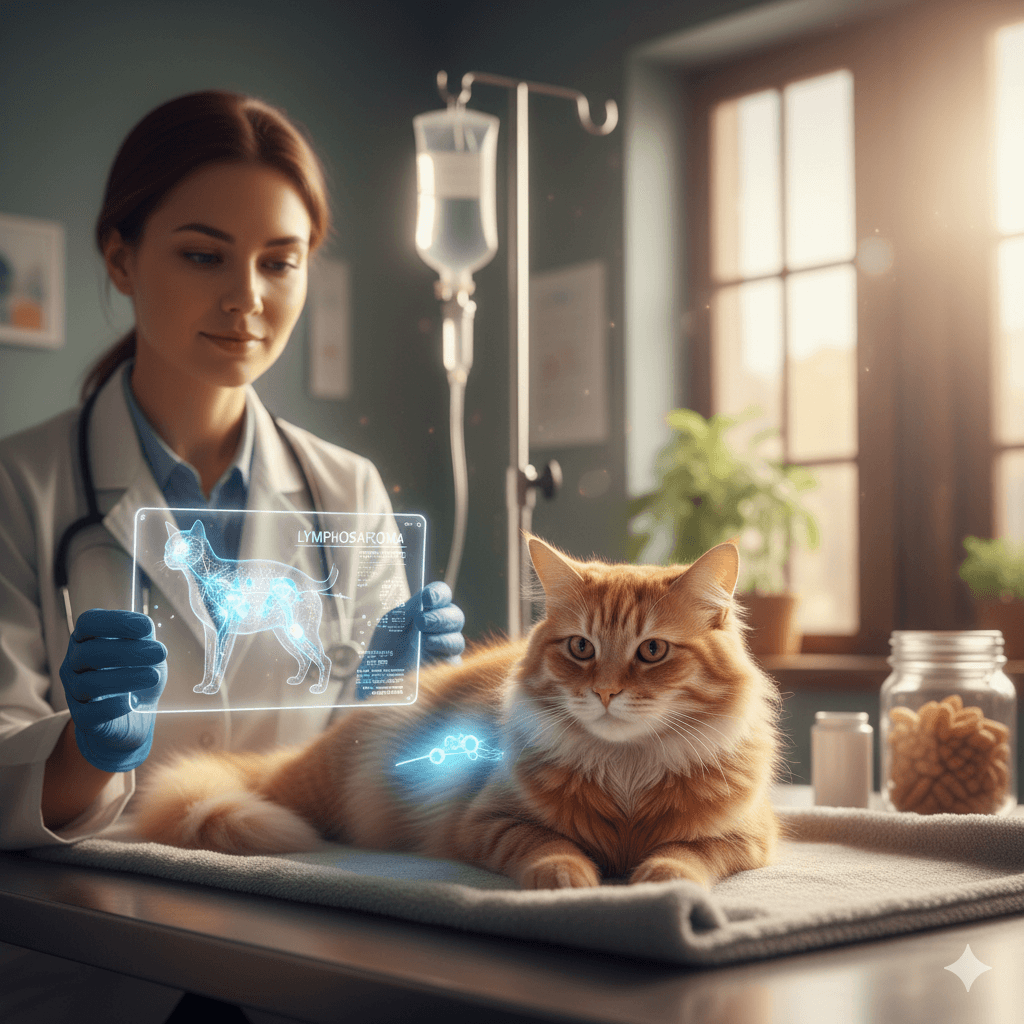
Common Clinical Signs Based on Lymphoma Type
Lymphosarcoma doesn’t present identically in every cat; symptoms vary dramatically depending on which part of the body is affected. Recognizing these patterns helps prompt earlier diagnosis and intervention:
- Gastrointestinal (Alimentary) Form:
Weight loss, vomiting, diarrhea, decreased appetite, and abdominal thickening or pain are classic signs—often mistaken for IBD. - Mediastinal (Chest) Form:
Labored breathing, coughing, lethargy, or open-mouth breathing may occur due to tumors pressing on the lungs or airways. - Multicentric (Lymph Node) Form:
Visible or palpable swelling of peripheral lymph nodes—under the jaw, behind knees, or in front of shoulders—is the hallmark. - Renal (Kidney) Involvement:
Increased thirst, urination, vomiting, and sudden kidney failure signs can appear if lymphoma infiltrates the kidneys. - Cutaneous or Neurological Variants (Rare):
Skin nodules, sores, seizures, head tilt, or uncoordinated movement may signal atypical lymphoma locations.
Because symptoms overlap with many non-cancerous illnesses, diagnostics—not assumptions—are essential for accurate diagnosis.
Check this guide 👉Campylobacter in Cats: Best 7 Expert Tips!
Check this guide 👉Trigeminal Neuritis Symptoms in Cats: Best 7 Expert Tips!
Check this guide 👉Understanding Mast Cell Tumor in Cats: Best 7 Expert Tips!
Early Warning Indicators | Advanced or Emergency Signs |
|---|---|
Unexplained weight loss | Severe lethargy or collapse |
Occasional vomiting or soft stool | Persistent vomiting with blood |
Mild decrease in grooming | Difficulty breathing or rapid breathing |
Slight drop in appetite | Complete refusal to eat or drink for 24+ hours |
Small lymph node enlargement | Visible abdominal distension or pain |
Diagnostic Process: How Vets Confirm Lymphosarcoma
Diagnosing lymphoma in cats involves ruling out mimics and confirming cancerous cells through a stepwise approach. Your vet will tailor testing based on suspected location and your cat’s overall health:
- Physical Examination & History:
The vet checks lymph nodes, abdomen, hydration, and respiratory effort while reviewing diet, behavior changes, and exposure risks. - Blood Work and FeLV/FIV Testing:
Complete blood count, chemistry panel, and retroviral tests help assess organ function and identify underlying viral triggers. - Imaging Studies:
X-rays or ultrasound reveal masses, organ enlargement, or fluid accumulation—especially crucial for chest or abdominal forms. - Fine Needle Aspirate (FNA) or Biopsy:
Cell samples from lymph nodes or affected organs are examined microscopically; biopsy offers definitive grading and subtyping. - Advanced Testing (When Needed):
Flow cytometry or PCR for antigen receptor rearrangement (PARR) can distinguish lymphoma from inflammatory disease with high accuracy.
A clear diagnosis not only confirms lymphoma but also guides the most effective, personalized treatment plan for your cat.
Treatment Options and Prognosis by Type
While lymphosarcoma is serious, it’s often one of the most responsive cancers to therapy in cats. Outcomes depend heavily on form, stage, and how quickly treatment begins:
- Chemotherapy as Gold Standard:
Multi-drug protocols (like CHOP) achieve remission in 50–70% of gastrointestinal lymphoma cases, with good quality of life during treatment. - Steroid-Only Management (Palliative):
Prednisolone alone can improve symptoms and extend life by weeks to months when chemo isn’t an option—though resistance develops quickly. - Supportive Care Integration:
Anti-nausea meds, appetite stimulants, B12 injections, and fluid therapy help maintain comfort and nutrition throughout treatment. - Radiation or Surgery (Rare Cases):
Solitary tumors (e.g., nasal or skin lymphoma) may respond well to localized radiation or surgical removal. - Prognosis Variability:
Low-grade GI lymphoma may allow survival of 2+ years with treatment; high-grade or mediastinal forms often have shorter timelines (3–9 months).
Modern veterinary oncology prioritizes your cat’s comfort—many cats tolerate treatment well and enjoy meaningful time with their families.
At-Home Care and Quality-of-Life Management
Supporting a cat with lymphosarcoma means focusing on comfort, nutrition, and emotional connection. Your daily care plays a vital role in their well-being during and after treatment:
- Prioritize Palatable, High-Energy Foods:
Warm wet food, broths, or vet-prescribed recovery diets encourage eating—critical for maintaining strength and immunity. - Monitor Daily Habits Closely:
Track vomiting frequency, stool consistency, water intake, and energy levels to catch declines early. - Minimize Stress in the Environment:
Keep routines consistent, provide quiet resting spaces, and avoid introducing new pets or disruptions during treatment. - Administer Meds Gently and Consistently:
Use pill pockets, transdermal gels (if prescribed), or calm handling techniques to reduce medication stress. - Schedule Regular Vet Check-Ins:
Even when stable, biweekly or monthly assessments help adjust care before small issues become crises.
Your presence, patience, and attention are powerful healing tools—often as important as any medical intervention.
Preventive Measures and Risk Reduction Strategies
While lymphosarcoma can’t always be prevented, several proactive steps reduce key risk factors and support long-term feline health:
- Vaccinate Against FeLV:
Indoor/outdoor cats should receive the FeLV vaccine; even indoor-only cats benefit if exposure risk exists. - Test and Manage FIV/FeLV Early:
Routine screening allows early intervention, isolation if needed, and informed decisions about multi-cat households. - Address Chronic Gut Issues Promptly:
Persistent vomiting or diarrhea should never be ignored—IBD may increase lymphoma risk if untreated. - Avoid Secondhand Smoke Exposure:
Cats in smoking households have higher rates of lymphoma; smoke-free homes significantly lower this risk. - Provide Enrichment and Low-Stress Living:
Chronic stress may impair immunity—regular play, safe spaces, and predictable routines support immune resilience.
Prevention isn’t about guarantees—it’s about stacking the odds in your cat’s favor through informed, loving stewardship.
Special Considerations for Senior Cats and Multi-Cat Households
Managing lymphosarcoma becomes more nuanced when other factors—like age or social dynamics—come into play. Tailored strategies ensure every cat’s needs are met:
- Senior Cats May Need Modified Protocols:
Reduced drug doses or less frequent chemo cycles help protect kidney or liver function in older felines. - Nutritional Support Is Even More Critical:
Aging cats lose muscle faster; high-protein, easily digestible foods help combat cancer-related wasting. - Isolation Isn’t Usually Necessary:
Lymphoma isn’t contagious—your sick cat can stay with housemates unless immunosuppressed by treatment. - Monitor Herd Health in Multi-Cat Homes:
If FeLV-positive, test and separate to protect uninfected cats; otherwise, maintain normal social bonds for emotional support. - End-of-Life Planning with Compassion:
Discuss palliative care thresholds early—quality of life scales help guide humane decisions when treatment goals shift.
Every cat deserves dignity, comfort, and love—regardless of age, diagnosis, or household complexity.
Frequently Asked Questions About Lymphosarcoma in Cats
Is lymphosarcoma the same as leukemia in cats?
No—leukemia (FeLV) is a viral infection that can lead to lymphosarcoma, but lymphoma is a distinct cancer of lymphocytes, not a virus itself.
Can lymphosarcoma be cured in cats?
Complete cure is rare, but many cats achieve remission and live well for months to years with appropriate treatment.
Does my cat need chemotherapy if they seem fine?
Even asymptomatic cats with confirmed lymphoma benefit from early treatment—delaying can allow aggressive progression.
Are there natural or holistic alternatives to chemo?
While supplements like omega-3s or CBD may support comfort, none replace chemo for controlling cancer—always consult your vet before adding therapies.
How do I know when it’s time to say goodbye?
Use a quality-of-life scale: if bad days outnumber good, your cat stops eating despite help, or they show persistent pain or distress, it may be time.
Loving Your Cat Through Diagnosis and Beyond
A lymphosarcoma diagnosis may feel like a storm cloud over your quiet life with your cat—but within that challenge lies profound opportunity for connection, advocacy, and grace. Many cats respond beautifully to treatment, reclaiming energy, appetite, and affection in ways that surprise and uplift their families. Even when the path is shorter than hoped, your steady presence, gentle hands, and unwavering love become their greatest comfort. Remember: you’re not just fighting cancer—you’re honoring your cat’s life with every thoughtful decision, every soft purr encouraged, every dawn shared together. In the end, that bond is the truest measure of care.

Is Rawhide Bad for Cats? Best 7 Expert Tips! – Discover the risks, safe alternatives, and expert advice to keep your feline friend healthy and happy.

Is Rawhide Bad for Dogs? Best 7 Expert Tips! – Discover the risks, benefits, and safer alternatives to rawhides for your dog’s chewing needs.

Understanding Anorexia in Cats: Best 7 Expert Tips! – Learn why cats stop eating, spot warning signs, and discover how to help your feline regain appetite safely.

Understanding Anorexia in Dogs: Best 7 Expert Tips! – Learn causes, symptoms, and solutions to help your dog regain appetite and stay healthy.