
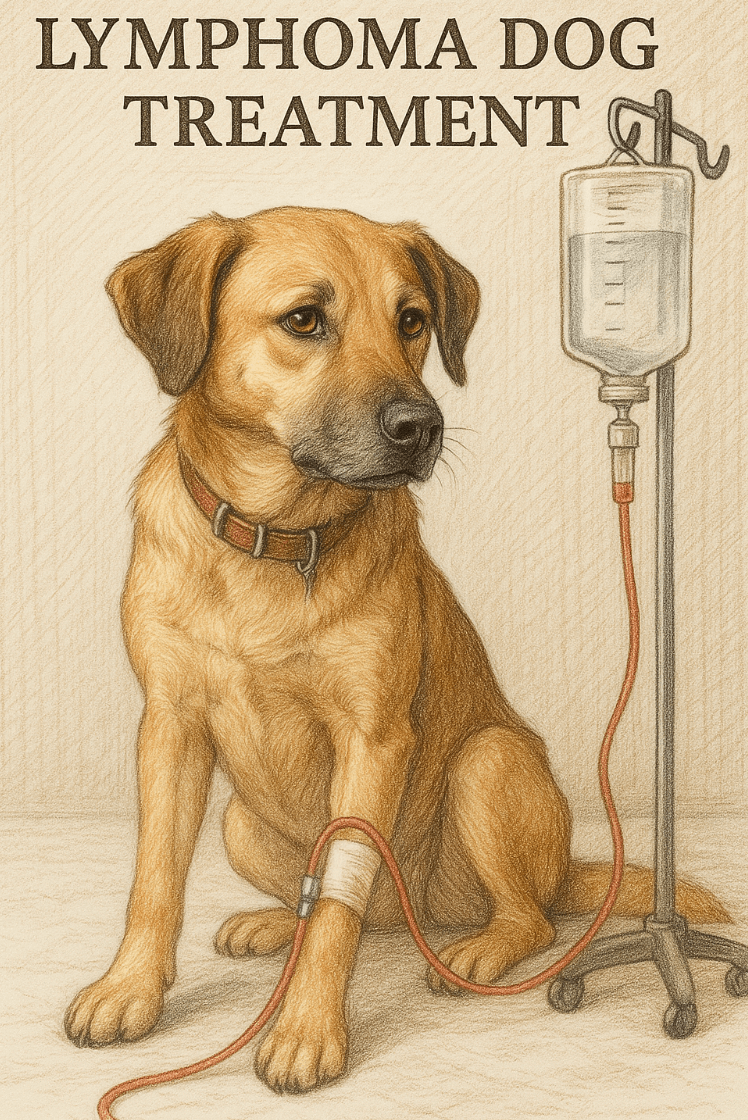

Lymphoma Dog Treatment: Best 7 Expert Tips!

Lymphoma Dog Treatment: Best 7 Expert Tips!

Lymphoma Dog Treatment: A Comprehensive Guide for Pet Owners


Lymphoma in dogs is one of the most common forms of cancer, affecting the lymphatic system and immune function. While a diagnosis can be overwhelming, understanding the treatment options available can empower pet owners to make informed decisions for their furry companions. With advancements in veterinary medicine, there are multiple approaches to managing lymphoma, ranging from chemotherapy to holistic therapies.

This blog post will delve into the various aspects of lymphoma dog treatment, offering insights into symptoms, diagnostic processes, and effective care strategies. By exploring these topics, you’ll gain the knowledge needed to support your dog through this challenging journey while ensuring their comfort and quality of life.

Common Symptoms of Lymphoma in Dogs


Recognizing the signs of lymphoma early can significantly improve treatment outcomes. Here are some key symptoms to watch for if you suspect your dog may have lymphoma.

 
  • Swollen Lymph Nodes:
    One of the most noticeable signs is enlarged lymph nodes, often found under the jaw, in the armpits, or near the groin.

  • Lethargy and Weakness:
    Dogs with lymphoma may appear unusually tired, unwilling to engage in activities they once enjoyed.

  • Loss of Appetite:
    A sudden decrease in appetite or refusal to eat can indicate underlying health issues, including lymphoma.

  • Weight Loss:
    Unexplained weight loss is a common symptom, as cancer can affect metabolism and energy levels.

  • Difficulty Breathing:
    If lymphoma affects the chest or respiratory system, dogs may experience labored breathing or coughing.


By staying vigilant and observing these symptoms, you can seek prompt veterinary care, which is crucial for diagnosing and treating lymphoma effectively.

Treatment Options for Lymphoma in Dogs


When it comes to treating lymphoma in dogs, several methods are available, each tailored to the dog’s specific condition and prognosis. Understanding these options helps you collaborate with your veterinarian to determine the best course of action.

 
  • Chemotherapy:
    Chemotherapy is the most common treatment for lymphoma, using medications to target and destroy cancer cells while preserving healthy tissue.

  • Radiation Therapy:
    Radiation therapy focuses high-energy beams on localized tumors, shrinking them and reducing symptoms in advanced cases.

  • Steroid Treatments:
    Steroids like prednisone can help reduce inflammation and slow cancer progression, though they are typically used as palliative care.

  • Immunotherapy:
    This emerging treatment boosts the immune system to fight cancer more effectively, showing promise in certain cases.

  • Holistic Therapies:
    Supplements, acupuncture, and dietary changes can complement traditional treatments, improving overall well-being and quality of life.


Each treatment option has its benefits and limitations, so discussing them thoroughly with your vet ensures a personalized plan for your dog’s needs.

Lymphoma Dog Treatment: Best 7 Expert Tips!
Conventional Treatments for Lymphoma
Supportive Care Options
Chemotherapy
Nutritional supplements
Radiation therapy
Herbal remedies and antioxidants
Steroid medications
Physical therapy and massage
Immunotherapy
Pain management techniques
Surgery (in rare cases)
Mental stimulation through play

Managing Your Dog’s Quality of Life During Treatment


While undergoing lymphoma treatment, maintaining your dog’s quality of life is paramount. These tips can help ensure they remain comfortable and happy throughout the process.

 
  • Provide a Balanced Diet:
    A nutrient-rich diet supports recovery and boosts the immune system, helping your dog cope better with treatments.

  • Monitor Side Effects:
    Keep an eye on potential side effects from treatments, such as nausea or fatigue, and report them to your vet promptly.

  • Create a Stress-Free Environment:
    Minimize stress by providing a calm, quiet space where your dog feels safe and secure.

  • Encourage Gentle Exercise:
    Short walks or light play sessions can keep your dog active without overexerting them during treatment.

  • Spend Quality Time Together:
    Strengthen your bond by engaging in activities your dog enjoys, such as cuddling or playing with favorite toys.


By focusing on these aspects, you can enhance your dog’s well-being and provide emotional support during this challenging time.

Prognosis and Long-Term Outlook for Dogs with Lymphoma


The prognosis for dogs with lymphoma varies depending on factors such as the stage of the disease, the chosen treatment, and the dog’s overall health. Understanding what to expect can help prepare you emotionally and practically.

 
  • Remission Rates with Chemotherapy:
    Many dogs achieve remission with chemotherapy, living comfortably for months or even years after diagnosis.

  • Survival Without Treatment:
    Without intervention, lymphoma progresses rapidly, often leading to a survival time of just weeks to months.

  • Impact of Early Detection:
    Early diagnosis and aggressive treatment can significantly improve outcomes and extend your dog’s lifespan.

  • Relapse Possibilities:
    Even with successful treatment, relapses are common, necessitating ongoing monitoring and adjustments to the care plan.

  • End-of-Life Considerations:
    In advanced stages, prioritizing comfort and dignity becomes essential, focusing on palliative care rather than curative measures.


Being aware of these possibilities allows you to navigate the journey with compassion and clarity, ensuring your dog receives the best possible care.

Tips for Supporting Your Dog Emotionally During Treatment


Emotional support plays a critical role in helping your dog navigate lymphoma treatment. These tips can strengthen your bond and ease their stress.

 
  • Maintain Routine:
    Keeping a consistent daily schedule provides stability and reassurance during uncertain times.

  • Offer Comfort Items:
    Familiar blankets, toys, or bedding can create a sense of security for your dog.

  • Use Positive Reinforcement:
    Reward good behavior with treats, praise, or affection to boost their mood and confidence.

  • Limit Overstimulation:
    Avoid crowded or noisy environments that might overwhelm your dog during treatment.

  • Be Present:
    Simply being there for your dog, offering gentle touch or companionship, can make a world of difference.


Providing emotional support fosters resilience and trust, helping your dog feel loved and valued.


Dietary Recommendations for Dogs Undergoing Lymphoma Treatment


Nutrition is a cornerstone of supporting your dog’s health during lymphoma treatment. These dietary recommendations can aid in recovery and overall wellness.

 
  • High-Quality Protein Sources:
    Lean meats like chicken, turkey, or fish provide essential amino acids for muscle maintenance and immune function.

  • Omega-3 Fatty Acids:
    Fish oil supplements or flaxseed oil can reduce inflammation and support skin and coat health.

  • Antioxidant-Rich Foods:
    Blueberries, spinach, and sweet potatoes combat oxidative stress caused by cancer and treatments.

  • Hydration Is Key:
    Ensure fresh water is always available to prevent dehydration, especially during chemotherapy.

  • Avoid Processed Foods:
    Steer clear of commercial dog foods with artificial additives, opting instead for natural, whole-food ingredients.


A balanced diet tailored to your dog’s needs can enhance their strength and vitality throughout treatment.

How to Prepare for Veterinary Appointments


Regular veterinary check-ups are vital for monitoring your dog’s progress during lymphoma treatment. Being prepared ensures productive appointments and clear communication with your vet.

 
  • Keep a Symptom Journal:
    Document changes in behavior, appetite, or physical symptoms to share detailed updates with your vet.

  • Prepare Questions in Advance:
    Write down any concerns or questions to ensure all topics are addressed during the visit.

  • Bring Medication Records:
    Provide a list of current medications and dosages to avoid confusion or potential drug interactions.

  • Discuss Financial Concerns:
    Be open about budget constraints so your vet can recommend cost-effective treatment options.

  • Stay Calm and Focused:
    Approach appointments with a positive mindset, focusing on finding solutions rather than dwelling on fears.


Preparation empowers you to advocate for your dog’s health and make informed decisions during their treatment journey.

Frequently Asked Questions About Lymphoma Dog Treatment

 
What causes lymphoma in dogs?

The exact cause is unknown, but genetic predisposition, environmental factors, and immune dysfunction may play roles.

Most dogs tolerate chemotherapy well, experiencing fewer side effects compared to humans, though some discomfort may occur.

While not typically curable, many dogs achieve long-term remission with appropriate treatment.

Costs vary widely depending on the treatment plan, ranging from hundreds to thousands of dollars.

Holistic therapies can complement conventional treatments but should always be discussed with your veterinarian first.

Empowering Your Journey Through Lymphoma Dog Treatment


Facing a lymphoma diagnosis in your dog is undoubtedly challenging, but with the right knowledge and resources, you can provide exceptional care and support. From recognizing early symptoms to exploring treatment options and managing your dog’s quality of life, every step contributes to their well-being. Remember, you’re not alone—veterinary professionals and fellow pet owners are valuable sources of guidance and encouragement. By staying informed and proactive, you can give your beloved companion the love and care they deserve, ensuring their days are filled with comfort and joy despite the challenges ahead.

Spleen Cancer in Cats: Best 7 Expert Tips!

Spleen Cancer in Cats: Best 7 Expert Tips! – Expert insights on symptoms, care, treatment & quality of life for feline spleen cancer.

Dog Mastitis Treatment: Best 7 Expert Tips!

Dog Mastitis Treatment: Best 7 Expert Tips! – Safe, vet-approved care for nursing moms & prevention strategies.

The Shikoku Ken Dog: Best 7 Expert Tips!

The Shikoku Ken Dog: Best 7 Expert Tips! – Discover expert care, training & health advice for this rare, loyal Japanese mountain breed.

The Cairn Terrier Dog Breed: Best 7 Expert Tips!

The Cairn Terrier Dog Breed: Best 7 Expert Tips! – Discover care, training & health advice for this spirited, loyal Scottish terrier.

Leave a Reply

Your email address will not be published. Required fields are marked *

Recent Post

Post Category


