
Recognizing Leptospirosis Symptoms in Dogs
Leptospirosis is a bacterial disease that can affect dogs of all ages and breeds, often spreading through contaminated water or wildlife contact. Early detection of symptoms is crucial, as this potentially life-threatening illness can also be transmitted to humans. By understanding the warning signs, you can seek timely veterinary care and protect both your dog and family from its spread.
Common Symptoms of Leptospirosis in Dogs
Leptospirosis manifests through a variety of symptoms that can range from mild to severe, depending on the stage of infection and your dog’s immune response. Recognizing these signs early allows for prompt veterinary intervention, which is critical for recovery. Since leptospirosis mimics other illnesses, it’s important to consider exposure risks like stagnant water or wildlife contact when evaluating symptoms.
- Fever and Shivering:
A sudden spike in body temperature often accompanies lethargy and muscle tremors, signaling the immune system’s attempt to fight off the bacteria. - Vomiting and Diarrhea:
Gastrointestinal distress is common, with vomiting and diarrhea sometimes containing blood due to internal inflammation caused by the infection. - Lethargy and Weakness:
Dogs may appear unusually tired, unwilling to engage in play, or struggle to stand due to muscle pain and systemic infection weakening their energy levels. - Increased Thirst and Urination:
Kidney involvement leads to excessive thirst and frequent urination as the body tries to flush out toxins, though dehydration can still occur. - Jaundice (Yellowing of Skin/Gums):
Liver damage results in jaundice, where the skin, gums, or whites of the eyes turn yellow—a clear sign of advanced leptospirosis requiring immediate care.
These symptoms often overlap with other diseases, so a thorough veterinary evaluation is essential for accurate diagnosis and treatment.
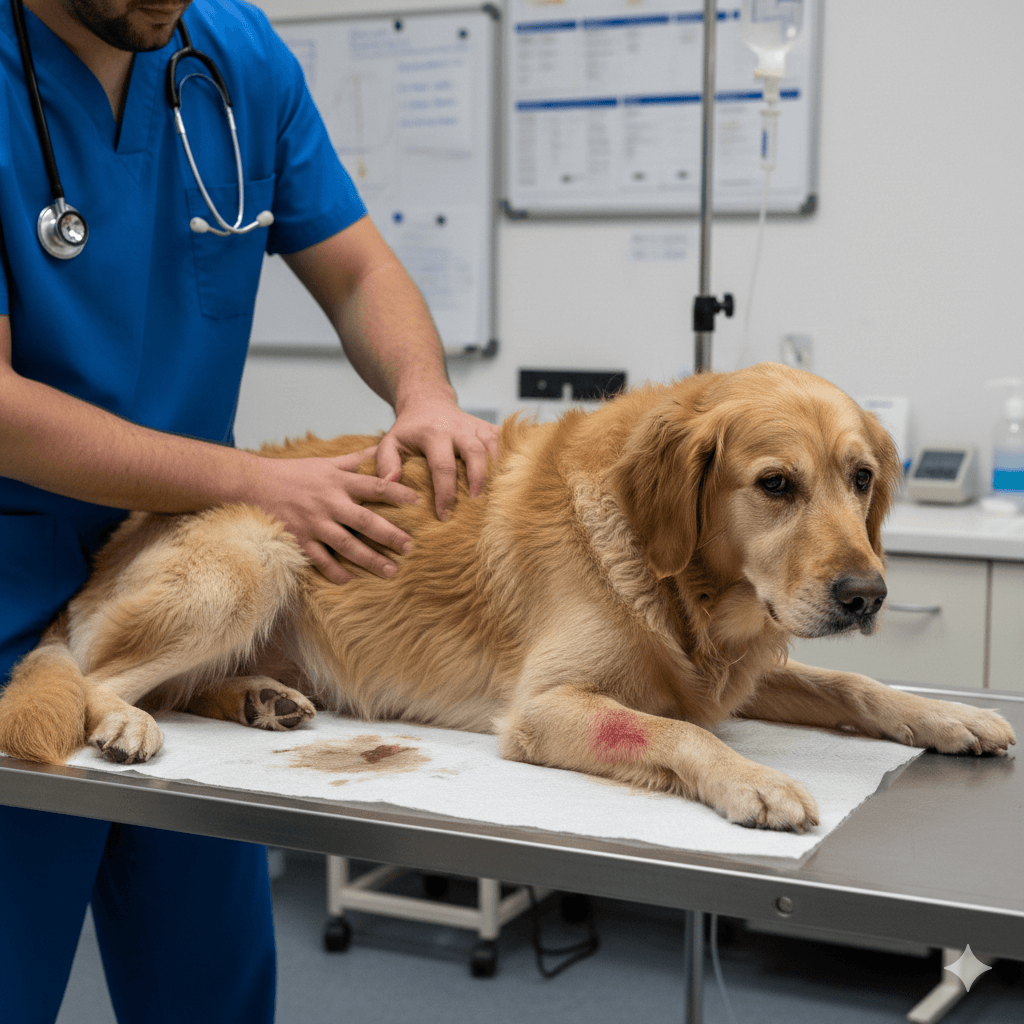
How Leptospirosis Spreads in Dogs
Understanding how leptospirosis spreads helps pet owners take preventive measures to reduce exposure risks. This zoonotic disease thrives in warm, humid environments and is commonly found in areas with standing water or rodent activity. Identifying high-risk scenarios ensures you can protect your dog effectively.
- Contaminated Water Sources:
Stagnant ponds, puddles, or streams can harbor the bacteria shed by infected animals, making them dangerous for curious dogs to drink from or wade in. - Contact with Infected Wildlife:
Raccoons, skunks, rodents, and other wildlife carry leptospira bacteria, contaminating soil and surfaces your dog might explore during walks. - Exposure to Infected Dogs:
While less common, direct contact with urine or saliva from an infected dog can transmit the disease within multi-pet households or kennels. - Urban Environments:
Even city dogs are at risk if they encounter rodents or contaminated runoff in parks, alleys, or construction sites. - Seasonal Peaks in Warm Weather:
Leptospirosis cases rise in late summer and fall when bacteria thrive in moist conditions and outdoor activities increase.
Awareness of these transmission routes empowers you to minimize your dog’s exposure and keep them safe year-round.
Check this guide 👉Cyanide Poisoning in Dogs: Best 7 Expert Tips!
Check this guide 👉Understanding Toxoplasmosis in Dogs: Best 7 Expert Tips!
Check this guide 👉Anaphylactic Shock in Dogs: Best 7 Expert Tips!
Early Warning Signs | Immediate Actions to Take |
|---|---|
Fever and shivering | Call your vet and monitor temperature closely |
Vomiting or diarrhea | Withhold food temporarily and offer small sips of water |
Lethargy or weakness | Keep your dog calm and restrict physical activity |
Jaundice (yellow gums/skin) | Seek emergency veterinary care immediately |
Increased thirst/urination | Test for dehydration and consult your vet promptly |
Stages of Leptospirosis Progression in Dogs
Leptospirosis progresses through distinct stages, each presenting unique challenges and requiring tailored interventions. Understanding this progression highlights the importance of early detection and treatment to prevent complications. Without prompt care, the disease can escalate rapidly, endangering vital organs.
- Initial Incubation Period (2–14 Days):
The bacteria multiply silently in the bloodstream during this phase, often showing no outward symptoms despite active infection. - Acute Phase (Early Symptoms):
Fever, lethargy, and gastrointestinal issues emerge as the immune system begins fighting back against widespread bacterial colonization. - Organ Involvement Phase (Kidneys/Liver):
As the bacteria invade organs, kidney failure, liver dysfunction, and jaundice develop, indicating significant internal damage. - Chronic Phase (Long-Term Effects):
Survivors may face ongoing health issues like chronic kidney disease or recurring infections due to lasting organ scarring. - Zoonotic Transmission Risk:
At any stage, infected dogs pose a risk to humans, emphasizing the need for strict hygiene practices during care and handling.
Timely veterinary intervention during the acute phase greatly improves survival odds and reduces long-term impacts.
Diagnostic Process for Leptospirosis in Dogs
Diagnosing leptospirosis involves a combination of clinical evaluation, laboratory tests, and consideration of environmental factors. Veterinarians rely on multiple methods to confirm the presence of the bacteria and rule out similar conditions. Early diagnosis ensures faster treatment initiation and better outcomes.
- Physical Examination:
Vets assess symptoms like fever, jaundice, dehydration, and abdominal pain to form an initial suspicion of leptospirosis. - Blood Tests:
Complete blood counts reveal anemia, elevated white cell counts, or abnormal liver/kidney enzyme levels indicative of systemic infection. - Urinalysis:
Testing urine detects protein loss, blood cells, or the presence of leptospira bacteria itself, confirming renal involvement. - PCR Testing:
Polymerase chain reaction (PCR) identifies bacterial DNA in blood or urine samples, providing definitive proof of active infection. - Serology Tests:
Antibody titers measure immune response over time, helping differentiate recent exposure from past infections.
Accurate diagnosis guides treatment decisions, ensuring your dog receives the most effective care possible.
Treatment Options for Leptospirosis in Dogs
Treating leptospirosis focuses on eliminating the bacteria, managing symptoms, and supporting affected organs. Early intervention significantly improves recovery chances, but hospitalization is often necessary for severe cases. Veterinarians tailor treatments based on the dog’s condition and disease progression.
- Antibiotic Therapy:
Penicillin or doxycycline targets the leptospira bacteria; initial doses focus on halting reproduction, followed by extended courses to eliminate residual organisms. - IV Fluids and Electrolytes:
Intravenous fluids combat dehydration, support kidney function, and restore electrolyte balance disrupted by vomiting and diarrhea. - Pain Management:
Medications alleviate muscle pain, joint discomfort, and abdominal cramping, improving overall comfort during recovery. - Liver and Kidney Support:
Supplements like SAMe or milk thistle aid liver repair, while medications address kidney dysfunction and prevent further damage. - Isolation Protocols:
Infected dogs must be isolated from other pets and handled carefully to prevent human exposure until fully treated.
Comprehensive care addresses both immediate symptoms and underlying damage, promoting full recovery and minimizing long-term effects.
Preventing Leptospirosis in Dogs
Preventing leptospirosis starts with awareness and proactive measures to reduce exposure risks. Vaccination, environmental management, and regular vet check-ups form the foundation of prevention strategies. Taking these steps protects your dog and reduces the risk of zoonotic transmission to humans.
- Annual Vaccination:
The leptospirosis vaccine provides immunity against common serovars, though boosters are needed every 6–12 months for continued protection. - Avoid Contaminated Water:
Discourage your dog from drinking from puddles, ponds, or stagnant water sources where bacteria thrive. - Rodent Control Measures:
Eliminate food sources and seal entry points to deter wildlife from entering your yard or home. - Limit Exposure in High-Risk Areas:
Keep dogs leashed near lakes, streams, or wooded areas known for wildlife activity to minimize accidental ingestion or contact. - Practice Good Hygiene:
Wash hands thoroughly after handling your dog, cleaning up waste, or coming into contact with potentially contaminated surfaces.
Prevention not only safeguards your dog’s health but also reduces the burden on veterinary resources and public health systems.
Long-Term Care for Survivors of Leptospirosis
Dogs that survive leptospirosis may require ongoing care to manage lingering effects and prevent recurrence. Chronic complications like kidney or liver damage demand vigilant monitoring and lifestyle adjustments. Owners must remain committed to their dog’s well-being to ensure a happy, healthy life post-infection.
- Regular Vet Check-Ups:
Frequent blood work and urinalysis monitor organ function and detect early signs of relapse or deterioration. - Specialized Diets:
Low-protein, low-sodium diets reduce strain on compromised kidneys and livers, promoting long-term healing. - Hydration Maintenance:
Encouraging consistent water intake prevents dehydration and supports ongoing detoxification processes. - Activity Restrictions:
Moderate exercise avoids overexertion, allowing weakened muscles and organs time to recover fully. - Ongoing Medication:
Some dogs require lifelong supplements or medications to manage secondary conditions stemming from organ damage.
With dedication and proper care, many survivors lead fulfilling lives despite their history of leptospirosis.
„The most common pattern of leptospirosis in dogs is a sudden injury to the kidney. Signs may include lethargy, loss of appetite, vomiting, dehydration, and back pain from inflammation of the kidneys.” – Katharine F. Lunn, BVMS, PhD, DACVIM-SAIM
Frequently Asked Questions About Leptospirosis Symptoms in Dogs
Is leptospirosis contagious between dogs?
Yes, leptospirosis can spread between dogs through contact with infected urine or contaminated environments, though it’s less common than wildlife transmission.
Can humans catch leptospirosis from their dogs?
Yes, leptospirosis is a zoonotic disease, meaning it can be transmitted from dogs to humans through direct contact with urine or contaminated surfaces.
How long does it take for symptoms to appear?
Symptoms typically appear 2–14 days after exposure, depending on the level of bacterial load and your dog’s immune response.
Is the leptospirosis vaccine safe for all dogs?
The vaccine is generally safe but may cause mild side effects like soreness or lethargy; discuss risks and benefits with your vet before administering.
What should I do if my dog shows symptoms?
Contact your veterinarian immediately, isolate your dog from other pets, and practice strict hygiene to prevent human exposure while awaiting diagnosis.
Supporting Your Dog Through Leptospirosis Recovery
Leptospirosis is a daunting diagnosis, but with early detection, proper treatment, and ongoing care, many dogs recover fully and return to happy, healthy lives. Understanding the risks, recognizing symptoms, and taking preventive measures empowers you to protect your furry companion from this potentially life-threatening disease. Remember, your vigilance as a pet owner plays a vital role in safeguarding not only your dog’s health but also the well-being of your family. Together, we can create a safer world for our beloved pets—one step at a time.

Is Rawhide Bad for Cats? Best 7 Expert Tips! – Discover the risks, safe alternatives, and expert advice to keep your feline friend healthy and happy.

Is Rawhide Bad for Dogs? Best 7 Expert Tips! – Discover the risks, benefits, and safer alternatives to rawhides for your dog’s chewing needs.

Understanding Anorexia in Cats: Best 7 Expert Tips! – Learn why cats stop eating, spot warning signs, and discover how to help your feline regain appetite safely.

Understanding Anorexia in Dogs: Best 7 Expert Tips! – Learn causes, symptoms, and solutions to help your dog regain appetite and stay healthy.