
Understanding Leptospirosis in Dogs: A Silent Threat
Leptospirosis is a bacterial disease that can affect dogs of all ages and breeds, often spreading through contaminated water or soil. This zoonotic illness not only endangers your dog’s health but can also be transmitted to humans, making early detection crucial. By learning the signs, prevention strategies, and treatment options, you can protect your furry companion and your family from this potentially life-threatening condition.
Common Symptoms of Leptospirosis in Dogs
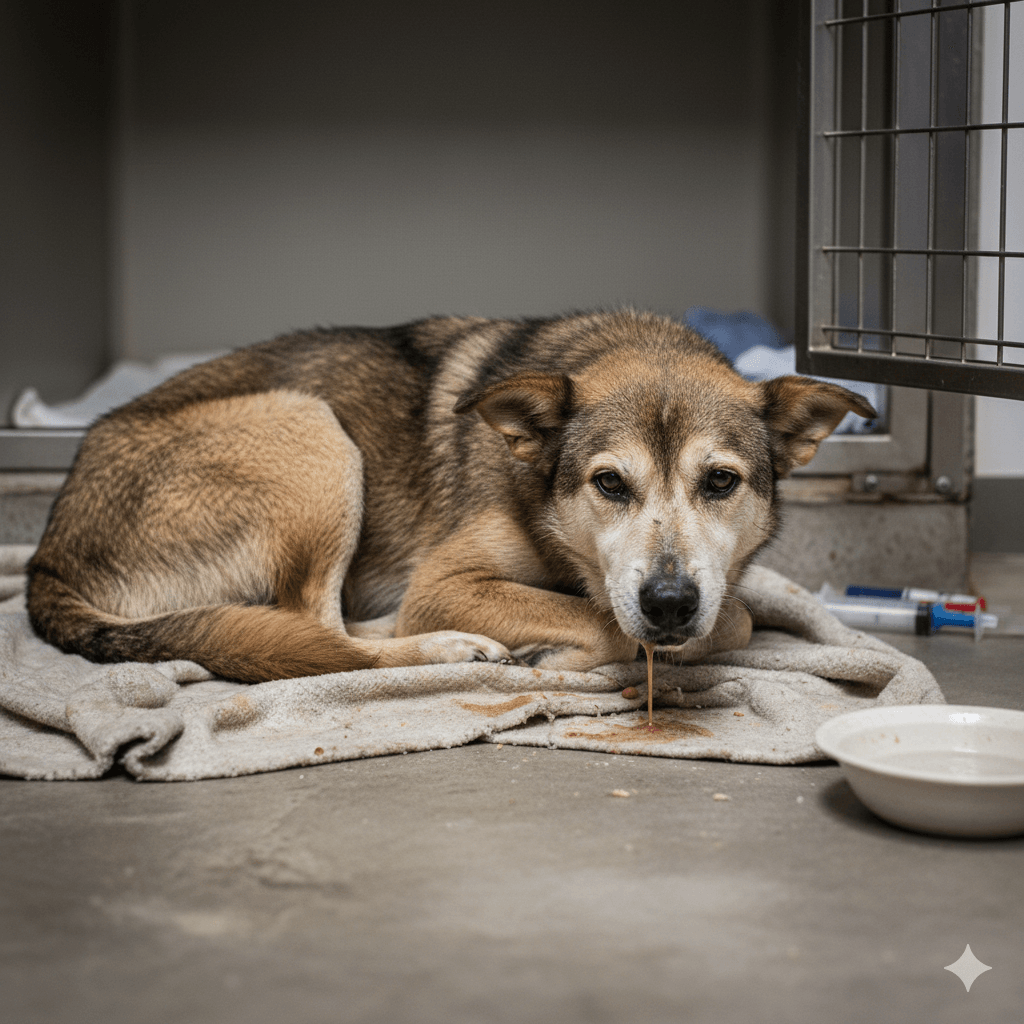
Leptospirosis can manifest in a variety of ways, and its symptoms often mimic other illnesses, making it challenging to diagnose without proper testing. Early recognition of these signs is critical for timely intervention and treatment. Since leptospirosis affects multiple organ systems, the symptoms can range from mild to severe, depending on the stage of infection and your dog’s immune response.
- Fever and Shivering:
A sudden spike in body temperature, accompanied by shivering or muscle tremors, is one of the earliest signs of infection. These symptoms occur as the bacteria spread through the bloodstream. - Lethargy and Weakness:
Dogs with leptospirosis often appear unusually tired or reluctant to engage in physical activities. This weakness results from systemic inflammation and potential kidney or liver damage. - Vomiting and Diarrhea:
Gastrointestinal upset is common, with vomiting and diarrhea sometimes containing blood. These symptoms indicate irritation of the digestive tract caused by toxins released by the bacteria. - Increased Thirst and Urination:
As the kidneys become affected, dogs may drink excessive amounts of water and urinate more frequently. In severe cases, this can progress to kidney failure, requiring immediate veterinary care. - Jaundice (Yellowing of Skin/Gums):
Liver involvement leads to jaundice, where the skin, gums, or whites of the eyes turn yellow. This occurs due to the buildup of bilirubin, a byproduct of red blood cell breakdown.
Recognizing these symptoms early allows you to seek veterinary help promptly, improving your dog’s chances of recovery and reducing the risk of complications.
How Dogs Contract Leptospirosis
Leptospirosis is a zoonotic disease, meaning it can be transmitted between animals and humans. Understanding how dogs contract this illness is essential for prevention. The bacteria thrive in warm, moist environments and are commonly found in stagnant water, soil, or areas contaminated by infected wildlife.
- Exposure to Contaminated Water:
Dogs often contract leptospirosis by drinking or swimming in water sources contaminated with urine from infected animals like rodents, raccoons, or livestock. - Contact with Infected Soil:
The bacteria can survive in soil for weeks, entering a dog’s system through cuts, abrasions, or mucous membranes when they sniff or dig in contaminated areas. - Interaction with Infected Animals:
Direct contact with infected animals, whether pets or wildlife, increases the risk of transmission through saliva, bite wounds, or shared food/water bowls. - Urban vs. Rural Risks:
While rural dogs face higher exposure to wildlife, urban dogs are also at risk due to rodents in parks, alleys, or backyards. No environment is entirely risk-free. - Seasonal Patterns:
Leptospirosis cases tend to peak during warm, wet seasons like spring and fall, as the bacteria thrive in humid conditions and standing water.
By minimizing exposure to these risk factors, you can significantly reduce your dog’s chances of contracting leptospirosis.
Check this guide 👉Leptospirosis Vaccine in Dogs: Best 7 Expert Tips!
Check this guide 👉Anaphylaxis in Dogs: Best 7 Expert Tips!
Check this guide 👉Bacterial Infection Stomach in Dogs: Best 7 Expert Tips!
Prevention Tips | Symptoms to Watch For |
|---|---|
Vaccinate annually against leptospirosis | Fever and shivering |
Avoid stagnant water sources | Lethargy and weakness |
Practice good hygiene after handling pets | Vomiting and diarrhea |
Control rodent populations around your home | Increased thirst and urination |
Supervise outdoor activities in high-risk areas | Jaundice (yellow gums/skin) |
Diagnosis of Leptospirosis in Dogs
Diagnosing leptospirosis requires a combination of clinical evaluation, laboratory tests, and careful consideration of your dog’s history. Because the symptoms overlap with many other diseases, accurate diagnosis is crucial for effective treatment. Veterinarians use several methods to confirm the presence of the bacteria or antibodies in your dog’s system.
- Physical Examination:
The vet assesses symptoms like fever, jaundice, or abdominal pain, while gathering information about recent activities or environments that could expose your dog to the bacteria. - Blood Tests:
Complete blood counts and serum biochemistry panels reveal abnormalities such as elevated liver enzymes, kidney dysfunction, or anemia caused by the infection. - Urinalysis:
Testing urine helps detect kidney damage or the presence of the bacteria itself, which is shed in high concentrations during active infection. - MAT (Microscopic Agglutination Test):
This specialized blood test identifies antibodies against specific serovars of Leptospira, confirming exposure and guiding treatment decisions. - PCR Testing:
Polymerase chain reaction (PCR) detects bacterial DNA in blood or urine samples, offering rapid and highly accurate results for early-stage infections.
Early and precise diagnosis ensures your dog receives the right treatment, minimizing long-term damage and preventing further spread of the disease.
Treatment Options for Leptospirosis
Treating leptospirosis involves addressing both the bacterial infection and any secondary complications affecting vital organs like the kidneys and liver. Prompt veterinary intervention is essential to manage symptoms effectively and prevent life-threatening outcomes. Treatment plans are tailored to the severity of the infection and your dog’s overall health.
- Antibiotic Therapy:
Penicillin or doxycycline is typically prescribed to eliminate the bacteria. Initial doses target acute infection, followed by longer courses to clear residual organisms. - IV Fluid Therapy:
Intravenous fluids combat dehydration, support kidney function, and flush toxins from the body, especially in cases of severe renal impairment. - Pain Management:
Medications like NSAIDs or opioids alleviate discomfort caused by muscle pain, abdominal inflammation, or joint stiffness associated with the disease. - Nutritional Support:
A bland, easily digestible diet ensures adequate nutrition while the gastrointestinal tract recovers from irritation or ulceration. - Monitoring and Follow-Up:
Regular check-ups track liver and kidney function, ensuring recovery progresses smoothly and addressing any lingering effects of the infection.
With proper care, most dogs recover fully, though some may require ongoing management for chronic conditions like kidney disease.
Preventing Leptospirosis in Dogs
Prevention is the most effective way to protect your dog from leptospirosis. By combining vaccination, environmental management, and good hygiene practices, you can significantly reduce the risk of exposure. Proactive measures not only safeguard your dog but also minimize the chance of human transmission.
- Vaccination:
Annual vaccines targeting common serovars of Leptospira provide robust protection, especially for dogs in high-risk areas or those with outdoor lifestyles. - Avoiding Stagnant Water:
Discourage your dog from drinking from puddles, ponds, or other standing water sources that may harbor the bacteria. - Rodent Control:
Eliminate rodent infestations around your home, as rats and mice are primary carriers of leptospirosis. Use pet-safe traps or professional extermination services. - Hygiene Practices:
Wash your hands thoroughly after handling your dog, cleaning up waste, or coming into contact with potentially contaminated surfaces. - Limiting Wildlife Exposure:
Supervise outdoor activities and keep your dog away from areas frequented by wildlife, such as wooded trails or rural farmland.
These strategies create a safer environment for your dog and reduce the likelihood of infection.
Long-Term Effects of Leptospirosis
Even with successful treatment, some dogs experience lasting consequences from leptospirosis. Chronic conditions may develop if the infection severely damages vital organs like the kidneys or liver. Understanding these potential long-term effects prepares you for ongoing care and monitoring.
- Chronic Kidney Disease:
Severe kidney damage can lead to lifelong issues, requiring dietary modifications, medications, and regular vet visits to manage symptoms. - Liver Dysfunction:
Persistent liver enzyme abnormalities may indicate ongoing inflammation or scarring, necessitating supportive therapies like antioxidants or supplements. - Recurrent Infections:
Weakened immune systems make recovered dogs more susceptible to secondary infections, emphasizing the importance of preventive healthcare. - Behavioral Changes:
Some dogs exhibit anxiety, lethargy, or irritability due to lingering discomfort or neurological impacts from the infection. - Zoonotic Risk Awareness:
Owners must remain vigilant about hygiene practices to prevent transmitting residual bacteria to themselves or other household members.
Ongoing vigilance ensures your dog maintains the best possible quality of life despite past challenges.
Special Considerations for High-Risk Dogs
Certain dogs are more vulnerable to leptospirosis due to their lifestyle, breed predispositions, or underlying health conditions. Identifying these risk factors allows you to tailor preventive measures and monitor for early signs of infection.
- Working and Hunting Dogs:
Dogs exposed to wetlands, forests, or agricultural areas face higher risks due to frequent contact with contaminated environments. - Small or Toy Breeds:
Smaller breeds may succumb more quickly to kidney or liver failure due to their lower body weight and reduced resilience. - Immunocompromised Dogs:
Underlying illnesses weaken immune responses, increasing susceptibility to severe infections and complicating recovery. - Unvaccinated Dogs:
Skipping vaccinations leaves dogs unprotected against common serovars, heightening the likelihood of contracting leptospirosis. - Senior Dogs:
Age-related decline in organ function makes older dogs less able to recover from the systemic effects of leptospirosis.
Understanding these nuances helps you prioritize preventive care and respond swiftly if your dog shows signs of illness.
“Clinical signs are variable and easily confused with other diseases, so a definitive diagnosis can be difficult.”
— VCA Hospitals
Frequently Asked Questions About Leptospirosis in Dogs
Can leptospirosis be transmitted from dogs to humans?
Yes, leptospirosis is a zoonotic disease, meaning it can spread from infected dogs to humans through contact with urine or contaminated surfaces.
How long does treatment for leptospirosis take?
Treatment typically lasts 2–3 weeks, depending on the severity of the infection and whether complications like kidney or liver damage occur.
Is the leptospirosis vaccine safe for all dogs?
Most dogs tolerate the vaccine well, but some may experience mild side effects like lethargy or swelling at the injection site. Consult your vet for personalized advice.
Can indoor dogs get leptospirosis?
While less common, indoor dogs can still contract leptospirosis if exposed to contaminated water, soil, or rodents that enter the home.
What should I do if my dog shows symptoms of leptospirosis?
Contact your veterinarian immediately, isolate your dog from other pets and humans, and avoid direct contact with their urine until a diagnosis is confirmed.
A Lifeline in Every Moment of Crisis
Leptospirosis is a serious but preventable threat that demands vigilance, education, and proactive care. By understanding how this disease spreads, recognizing its symptoms, and taking steps to minimize exposure, you empower yourself to protect both your dog and your family. Early intervention and proper treatment make all the difference in ensuring a full recovery, while vaccination and environmental management offer peace of mind for the future. Remember, your commitment to your dog’s health not only strengthens their resilience but also deepens the bond you share—a testament to love, trust, and unwavering dedication.

Is Rawhide Bad for Cats? Best 7 Expert Tips! – Discover the risks, safe alternatives, and expert advice to keep your feline friend healthy and happy.

Is Rawhide Bad for Dogs? Best 7 Expert Tips! – Discover the risks, benefits, and safer alternatives to rawhides for your dog’s chewing needs.

Understanding Anorexia in Cats: Best 7 Expert Tips! – Learn why cats stop eating, spot warning signs, and discover how to help your feline regain appetite safely.

Understanding Anorexia in Dogs: Best 7 Expert Tips! – Learn causes, symptoms, and solutions to help your dog regain appetite and stay healthy.