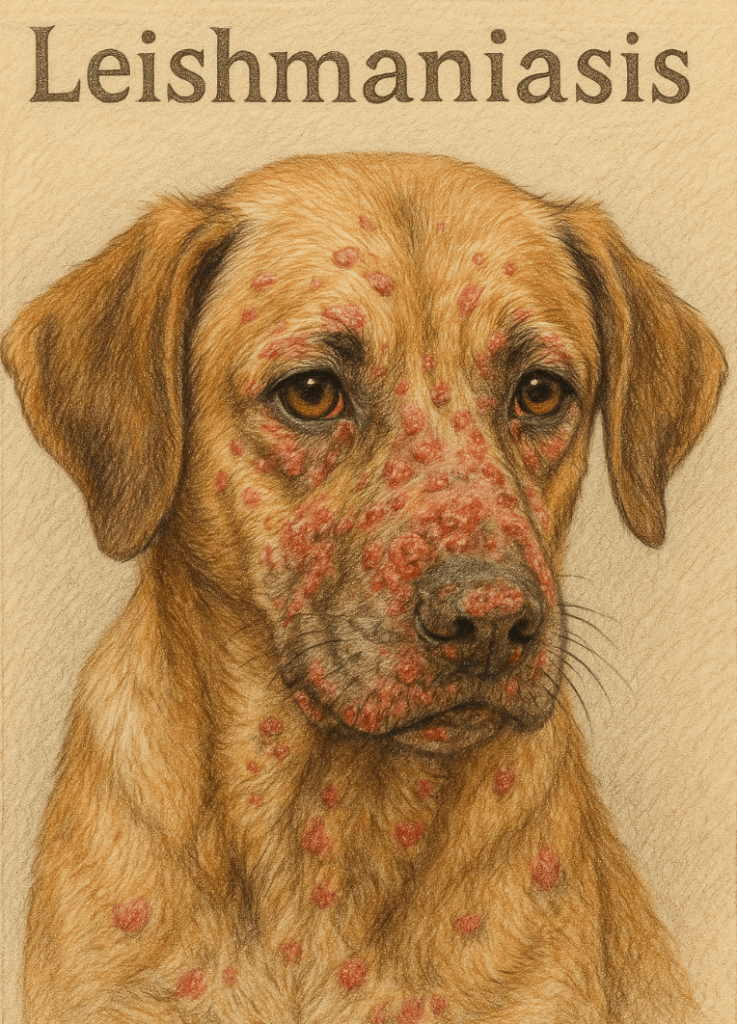

Leishmaniasis in Dogs: Understanding the Disease and Its Impact
Leishmaniasis is a serious and potentially life-threatening disease that affects dogs, particularly in regions where sandfly populations thrive. Caused by the protozoan parasite Leishmania, this condition can lead to a wide range of symptoms, from skin lesions to severe organ damage. While leishmaniasis is more commonly found in Mediterranean countries, it has become a growing concern for dog owners worldwide due to increased travel and climate changes.
Understanding the causes, symptoms, and treatment options is crucial for protecting your furry companion. In this blog post, we’ll explore everything you need to know about leishmaniasis in dogs, including prevention strategies, diagnosis, and care tips to ensure your pet stays healthy and happy.
How Leishmaniasis Spreads: Causes and Risk Factors
Leishmaniasis is transmitted through the bite of infected female sandflies, which act as carriers of the Leishmania parasite. Several factors increase a dog’s risk of contracting this disease, making awareness essential for prevention.
Geographical Location:
Regions like Southern Europe, Africa, South America, and parts of Asia are hotspots for sandfly activity, increasing the likelihood of infection.Outdoor Exposure:
Dogs that spend significant time outdoors, especially during dawn and dusk when sandflies are most active, face a higher risk.Lack of Preventive Measures:
Failure to use insect repellents or protective collars can leave dogs vulnerable to sandfly bites.Immune System Weakness:
Dogs with weakened immune systems may struggle to fight off the parasite, leading to more severe symptoms.Travel History:
Taking your dog to endemic areas without proper precautions can expose them to the disease.
Understanding these risk factors allows pet owners to take proactive steps in safeguarding their dogs against leishmaniasis.
Common Symptoms of Leishmaniasis in Dogs
Recognizing the signs of leishmaniasis early is critical for effective treatment and management. The disease can manifest in various ways, depending on its stage and severity.
Skin Lesions and Hair Loss:
One of the most visible symptoms is dry, scaly skin, often accompanied by patchy hair loss around the eyes, ears, and muzzle.Weight Loss and Lethargy:
Infected dogs may experience unexplained weight loss and appear unusually tired or weak.Swollen Lymph Nodes:
Enlarged lymph nodes are a common indicator of an underlying infection.Nosebleeds and Bleeding Disorders:
Advanced cases can lead to bleeding issues, including frequent nosebleeds or bruising.Kidney and Liver Damage:
Chronic leishmaniasis often affects vital organs, causing symptoms like increased thirst, vomiting, or jaundice.
Early detection of these symptoms can significantly improve a dog’s prognosis, underscoring the importance of regular veterinary check-ups.
Check this guide 👉Understanding Folliculitis in Dogs: Best 7 Expert Tips!
Check this guide 👉Valley Fever in Dogs: Best 7 Expert Tips!
Check this guide 👉Hypocalcemia in Dogs: Best 7 Expert Tips!
Preventive Measures for Leishmaniasis | Treatment Options for Infected Dogs |
|---|---|
Use insect repellent sprays and collars | Antiparasitic medications prescribed by vets |
Avoid outdoor exposure during peak sandfly hours | Regular blood tests to monitor disease progress |
Vaccination (available in some countries) | Supportive care for kidney or liver issues |
Keep dogs indoors during high-risk seasons | Nutritional supplements to boost immunity |
Inspect your dog regularly for bites or sores | Fluid therapy for dehydration or organ failure |
Diagnosing Leishmaniasis: What to Expect at the Vet
If you suspect your dog has leishmaniasis, visiting a veterinarian promptly is essential. Diagnosing this disease involves several steps to confirm the presence of the parasite and assess its impact.
Clinical Examination:
Your vet will conduct a thorough physical exam to identify visible symptoms like skin lesions or swollen lymph nodes.Blood Tests:
Blood samples are analyzed for specific antibodies or the presence of the Leishmania parasite.Urine Analysis:
Kidney function tests help determine if the disease has progressed to affect vital organs.Biopsy of Affected Tissue:
In some cases, a small sample of skin or other affected tissue is taken for microscopic examination.PCR Testing:
Polymerase chain reaction (PCR) tests detect the parasite’s DNA, providing a highly accurate diagnosis.
A comprehensive diagnostic process ensures an accurate understanding of your dog’s condition, guiding appropriate treatment plans.
Preventing Leishmaniasis in Dogs: Proactive Steps
Prevention is the best defense against leishmaniasis, especially for dogs living in or traveling to endemic areas. These measures can significantly reduce the risk of infection.
Use Protective Collars and Sprays:
Specialized anti-sandfly products repel insects and minimize the chance of bites.Limit Outdoor Time During Peak Hours:
Keeping your dog indoors during dawn and dusk reduces exposure to sandflies.Vaccinate When Possible:
In some regions, vaccines are available to help protect dogs from leishmaniasis.Regular Veterinary Check-Ups:
Routine screenings can catch early signs of infection before it progresses.Maintain a Healthy Lifestyle:
A balanced diet and regular exercise strengthen your dog’s immune system, helping them resist infections.
By implementing these preventive strategies, you can safeguard your dog’s health and minimize the threat of leishmaniasis.
Myths and Misconceptions About Leishmaniasis in Dogs
Several myths surround leishmaniasis, leading to confusion among pet owners. Clearing up these misconceptions helps foster better understanding and preparedness.
Myth: Leishmaniasis Only Affects Certain Breeds:
All dogs are susceptible, regardless of breed or size.Myth: Indoor Dogs Are Safe:
While less exposed, indoor dogs can still contract the disease if sandflies enter the home.Myth: Vaccines Completely Prevent Infection:
Vaccines reduce the risk but do not guarantee full immunity.Myth: Symptoms Always Appear Quickly:
Some dogs remain asymptomatic for months or even years after infection.Myth: Treatment Is Unnecessary If Symptoms Disappear:
Even if symptoms subside, ongoing treatment is essential to manage the disease effectively.
Dispelling these myths ensures pet owners approach leishmaniasis with accurate information and realistic expectations.
Living with a Dog Diagnosed with Leishmaniasis
Managing leishmaniasis requires patience, commitment, and adaptability. Here are practical tips for supporting your dog through their journey.
Administer Medications Consistently:
Follow your vet’s instructions carefully to maintain treatment efficacy.Monitor for Side Effects:
Watch for adverse reactions to medications and report them to your vet immediately.Provide a Stress-Free Environment:
Minimize stressors to support your dog’s immune system and overall well-being.Adjust Their Diet:
High-quality, nutrient-rich food can help combat fatigue and support organ health.Stay Positive and Patient:
Managing chronic conditions can be challenging, but your love and care make all the difference.
With dedication and compassion, you can give your dog a comfortable and happy life despite their diagnosis.
The Role of Climate Change in Leishmaniasis Spread
Climate change has contributed to the expanding reach of leishmaniasis, making it a growing global concern. Understanding its impact highlights the need for vigilance.
Increased Sandfly Habitats:
Warmer temperatures create favorable environments for sandflies to thrive in new regions.Longer Transmission Seasons:
Extended warm periods prolong sandfly activity, increasing the risk of infection.Urbanization and Deforestation:
Human activities bring people and pets closer to sandfly habitats, raising exposure risks.Travel and Relocation Trends:
Dogs moving between regions can introduce the parasite to previously unaffected areas.Need for Global Awareness:
Educating pet owners worldwide about prevention and symptoms is crucial to controlling the disease.
Addressing these environmental factors emphasizes the importance of proactive measures in combating leishmaniasis.
Frequently Asked Questions About Leishmaniasis in Dogs
Is leishmaniasis contagious between dogs?
No, leishmaniasis cannot spread directly from one dog to another; it requires a sandfly vector.
Can humans contract leishmaniasis from dogs?
While rare, humans can be bitten by infected sandflies near an infected dog, but direct transmission is not possible.
Is there a cure for leishmaniasis in dogs?
There is no definitive cure, but ongoing treatment can manage symptoms and improve quality of life.
How long does treatment last?
Treatment is typically lifelong, requiring regular monitoring and medication adjustments.
What should I do if I’m traveling to an endemic area with my dog?
Consult your vet beforehand to discuss preventive measures and ensure your dog is protected.
Protecting Your Dog from Leishmaniasis: A Lifelong Commitment
Leishmaniasis is a challenging and complex disease, but with proper knowledge and preventive care, you can protect your dog from its devastating effects. From recognizing early symptoms to implementing effective prevention strategies, staying vigilant is key to ensuring your pet’s well-being. By working closely with your veterinarian and prioritizing your dog’s health, you can provide them with a safe and fulfilling life, even in regions where leishmaniasis poses a risk. Remember, your dedication and care are the greatest defenses against this formidable disease.
Newfoundland Dog Personality: Best 7 Expert Tips! – Discover the gentle, loyal, and protective nature of this giant breed perfect for families.
Can Hot Pavement Burn Your Cats Paws? Best 7 Expert Tips! – Learn how to protect your cat’s paws from hot surfaces and prevent painful burns this summer.
Can Hot Pavement Burn Your Dogs Paws? Best 7 Expert Tips! – Learn how to protect your dog’s paws from hot surfaces and ensure safe summer walks.
Irish Wolfhound Size: Best 7 Expert Tips! – Discover the ideal height, weight, and care tips for this majestic giant breed. Learn how to manage their impressive stature responsibly.