

Laser Therapy for Dogs: Best 7 Expert Tips!

Laser Therapy for Dogs: Best 7 Expert Tips!

Laser Therapy for Dogs: Best 7 Expert Tips!

If your dog is struggling with pain, inflammation, or slow-healing injuries, laser therapy might be the gentle, non-invasive solution you’ve been searching for. This cutting-edge treatment uses targeted light energy to stimulate cellular repair, reduce discomfort, and accelerate recovery—without surgery or medication. Widely used in veterinary rehabilitation, it’s safe, painless, and often produces noticeable results in just a few sessions. Whether your dog is recovering from surgery, managing arthritis, or coping with a soft tissue injury, laser therapy offers a science-backed path to healing. Here’s what every caring pet parent should know.

How Laser Therapy Works for Canine Patients

Laser therapy, also known as photobiomodulation, delivers specific wavelengths of light deep into tissues to trigger natural biological processes. Unlike surgical lasers that cut or burn, therapeutic lasers stimulate cells without generating heat or causing damage. The result? Reduced inflammation, faster tissue regeneration, and significant pain relief—all while your dog remains calm and comfortable:

 
  • Cellular Activation:
    Light energy is absorbed by mitochondria, boosting ATP production and enhancing cellular repair and metabolism.
     
  • Anti-Inflammatory Effects:
    Laser therapy decreases pro-inflammatory markers and increases anti-inflammatory cytokines, easing swelling and redness.
     
  • Pain Signal Reduction:
    It modulates nerve conduction and reduces the release of pain-inducing chemicals like bradykinin and substance P.
     
  • Improved Blood Flow:
    Treatment promotes vasodilation and angiogenesis, delivering more oxygen and nutrients to damaged areas.
     
  • Accelerated Healing:
    Collagen production, fibroblast activity, and tissue regeneration all increase, shortening recovery time significantly.
 

This non-invasive modality harnesses the body’s innate healing power—making it a trusted tool in modern veterinary medicine.

Laser Therapy for Dogs: Best 7 Expert Tips!

Top Conditions Treated with Laser Therapy

Veterinarians commonly recommend laser therapy for a wide range of acute and chronic conditions. From post-operative recovery to age-related mobility issues, it offers versatile benefits across many scenarios:

 
  • Osteoarthritis and Joint Pain:
    Reduces stiffness and discomfort in hips, knees, and spine, improving mobility in senior dogs.
     
  • Post-Surgical Recovery:
    Speeds incision healing, minimizes swelling, and lowers reliance on pain medications after procedures like TPLO or spays.
     
  • Soft Tissue Injuries:
    Effectively treats sprains, strains, tendonitis, and ligament damage—common in active or sporting dogs.
     
  • Wounds and Skin Ulcers:
    Stimulates epithelial growth and fights infection in non-healing sores, lick granulomas, or bite wounds.
     
  • Neurological Conditions:
    Supports nerve regeneration in cases of intervertebral disc disease (IVDD) or nerve trauma.
 

Because it addresses both symptoms and underlying healing processes, laser therapy complements other treatments beautifully.

Benefits for Mobility & Pain
Support for Skin & Recovery
Reduces arthritis-related lameness
Accelerates wound closure
Eases muscle soreness after exercise
Decreases itching in dermatitis
Improves range of motion in stiff joints
Minimizes scar tissue formation
Lowers need for NSAIDs or opioids
Enhances healing in surgical incisions
Supports rehabilitation after injury
Reduces inflammation in hot spots

What to Expect During a Laser Therapy Session

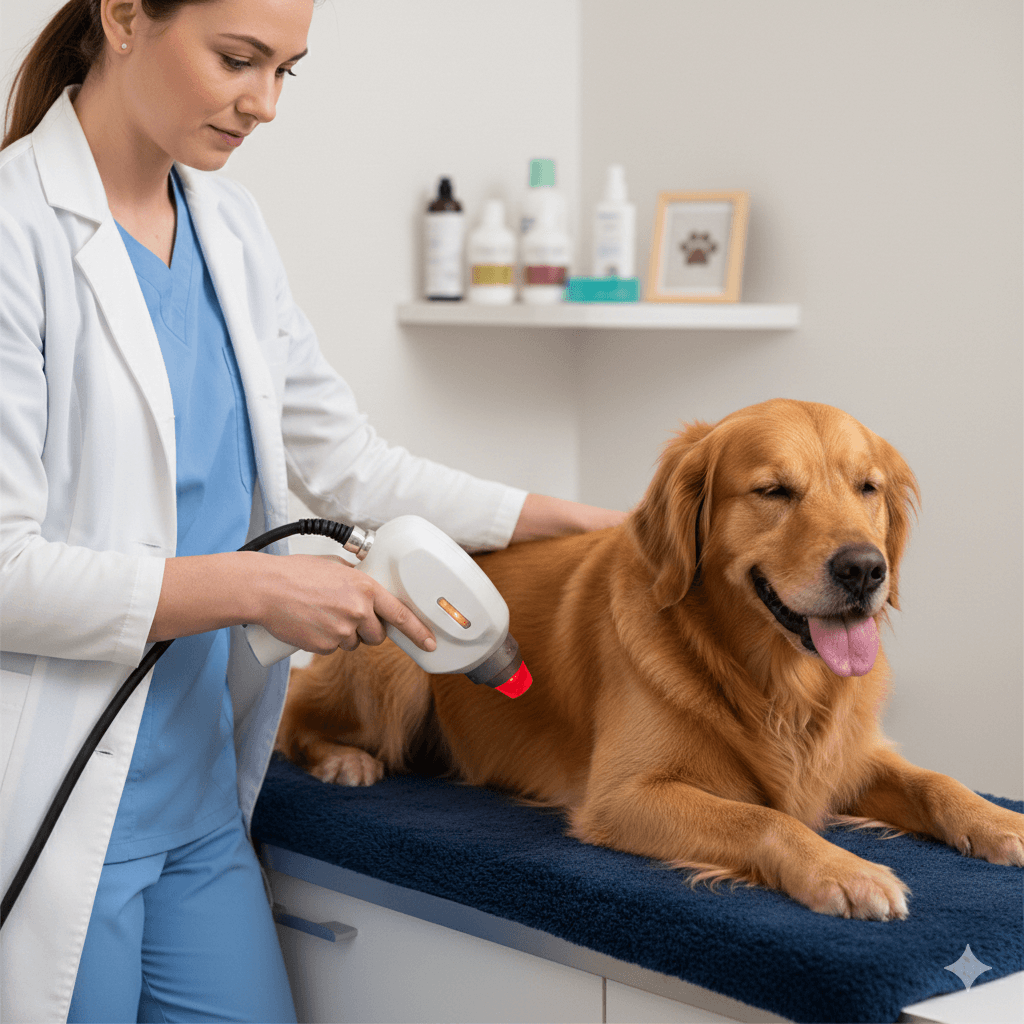
Most dogs find laser therapy sessions relaxing—even enjoyable. There’s no sedation, clipping, or discomfort involved. A typical visit lasts 5 to 20 minutes, depending on the condition and area treated:

 
  • Pre-Treatment Assessment:
    Your vet or therapist examines the target area and reviews your dog’s medical history to customize settings.
     
  • Eye Protection Provided:
    Both your dog and the technician wear protective goggles to shield retinas from stray laser light.
     
  • Gentle Application:
    The handheld device is moved slowly over the skin; your dog feels only mild warmth or nothing at all.
     
  • No Restraint Needed:
    Most dogs stand or lie calmly—many even fall asleep during treatment due to pain relief and relaxation.
     
  • Immediate Post-Session Care:
    No downtime is required; your dog can walk, eat, and play normally right after the session.
 

Many owners notice subtle improvements after just one or two visits, with cumulative benefits over a full treatment course.

Treatment Frequency and Duration Guidelines

While results can be quick, optimal outcomes depend on a consistent protocol tailored to your dog’s condition. Acute issues often heal faster than chronic ones, but both benefit from a structured plan:

 
  • Acute Injuries (e.g., sprains):
    Typically require 3–5 sessions over 1–2 weeks, often with noticeable improvement after the first treatment.
     
  • Chronic Conditions (e.g., arthritis):
    Begin with 2–3 sessions per week for 2–3 weeks, then taper to maintenance (e.g., once every 2–4 weeks).
     
  • Post-Operative Care:
    Usually starts 24–48 hours after surgery, with 4–6 sessions spaced over 2–3 weeks.
     
  • Wound Healing:
    Daily or every-other-day sessions may be recommended until granulation tissue forms and epithelialization begins.
     
  • Maintenance for Seniors:
    Ongoing monthly sessions can help manage age-related discomfort and sustain mobility long-term.
 

Consistency is key—stopping too early may reduce long-term effectiveness, especially for degenerative conditions.


Safety Considerations and Contraindications

Laser therapy is exceptionally safe when administered by trained professionals—but it’s not suitable for every situation. Knowing the limits protects your dog and ensures ethical use:

 
  • Never Used Over Tumors:
    Laser energy could theoretically stimulate cancer cell growth, so it’s avoided in known malignancies.
     
  • Avoid During Pregnancy:
    As a precaution, treatment isn’t performed over the abdomen of pregnant dogs.
     
  • Not for Eye or Thyroid Areas:
    Direct exposure to sensitive endocrine glands or ocular tissue is strictly avoided.
     
  • Caution with Photosensitizing Medications:
    Dogs on certain drugs (e.g., tetracyclines) may have heightened light sensitivity.
     
  • Requires Certified Operator:
    Only veterinarians or vet techs with laser-specific training should administer treatment.
 

With proper protocols, serious side effects are virtually nonexistent—making it one of the safest therapeutic modalities available.


Maximizing Results: Home Care Between Sessions

Your role at home significantly impacts how well your dog responds to laser therapy. Simple supportive measures amplify healing and comfort between visits:

 
  • Follow Activity Restrictions:
    Avoid overexertion during recovery—rest is essential even if your dog seems eager to run.
     
  • Maintain a Healthy Weight:
    Excess pounds strain healing joints and tissues; a lean body supports better outcomes.
     
  • Provide Orthopedic Support:
    Use ramps, non-slip mats, and memory foam beds to reduce stress on treated areas.
     
  • Continue Prescribed Therapies:
    Don’t stop medications, supplements, or physical rehab exercises unless directed by your vet.
     
  • Monitor for Changes:
    Keep notes on mobility, behavior, or pain signs to share at follow-up appointments.
 

Your partnership with the veterinary team turns professional treatment into lasting wellness.

Additional Considerations for Successful Laser Therapy Outcomes

To get the most from laser therapy, it’s essential to view it as part of a holistic care plan rather than a standalone fix. Integrating it thoughtfully with other wellness strategies can significantly enhance your dog’s comfort and recovery trajectory:

 
  • Combine with Physical Rehabilitation:
    Pairing laser sessions with controlled exercises, hydrotherapy, or massage amplifies mobility gains and tissue healing.
     
  • Support with Joint Supplements:
    Glucosamine, chondroitin, and omega-3 fatty acids complement laser therapy by reducing baseline inflammation and supporting cartilage health.
     
  • Monitor Environmental Stressors:
    Slippery floors, stairs, or cold sleeping areas can undermine progress—modify your home to support safe movement during treatment.
     
  • Track Progress Visually:
    Keep a journal or video log of your dog’s gait, energy levels, and behavior to objectively assess improvement over time.
     
  • Communicate Openly with Your Vet:
    Share observations between sessions so your veterinary team can adjust frequency, duration, or settings for optimal results.
 

When laser therapy is woven into a broader wellness tapestry, its benefits resonate far beyond the treatment table—touching every aspect of your dog’s daily life.

Frequently Asked Questions About Laser Therapy for Dogs

Is laser therapy painful for dogs?

No—it’s completely painless. Most dogs relax or even doze off during sessions due to the soothing warmth and pain relief.

Some dogs show improvement after the first session, but full benefits usually appear after 3–5 treatments, depending on the condition.

While it can’t fix structural damage like a torn ACL, it often delays surgery or improves post-op outcomes—making it a powerful adjunct, not a replacement.

No—Class IV therapeutic lasers (used in clinics) are far more effective than low-power “cold lasers” or at-home devices.

Many policies cover laser therapy under rehabilitation or alternative treatment benefits—check with your provider.

Giving Your Dog the Gift of Pain-Free Living

Laser therapy isn’t just a treatment—it’s a compassionate way to restore your dog’s comfort, mobility, and joy. Whether they’re a sprightly senior slowing down or an athletic companion healing from injury, this gentle technology offers real relief without drugs or downtime. As veterinary medicine advances, tools like laser therapy remind us that healing doesn’t have to mean hardship. By choosing proactive, non-invasive care, you honor your dog’s trust and enrich their golden years with dignity and ease. After all, every wag, leap, and cuddle is worth protecting—and with laser therapy, many dogs get back to doing what they love most, faster and safer than ever before.

Dog Seizure Symptoms: Best 7 Expert Tips!

Dog Seizure Symptoms: Best 7 Expert Tips! – Learn to spot signs, respond effectively, and manage seizures in dogs for a healthier, happier life.

Carprofen Dosage for Cats: Best 7 Expert Tips!

Carprofen Dosage for Cats: Best 7 Expert Tips! – Learn safe dosing, risks, and alternatives to manage pain and inflammation in cats effectively.

Africanis Dog Breed: Best 7 Expert Tips!

Africanis Dog Breed: Best 7 Expert Tips! – Explore the resilience, loyalty, and adaptability of this ancient African breed, perfect for diverse lifestyles.

Cruciate Ligament Injury Symptoms in Dogs: Best 7 Tips!

Cruciate Ligament Injury Symptoms in Dogs: Best 7 Tips! – Discover key signs like limping, swelling, and joint instability to ensure prompt treatment.

Leave a Reply

Your email address will not be published. Required fields are marked *

Post Category


