

Kintamani Dog Breed: Best 7 Expert Tips!

Kintamani Dog Breed: Best 7 Expert Tips!

Discovering the Kintamani Dog Breed: A Unique Indonesian Treasure

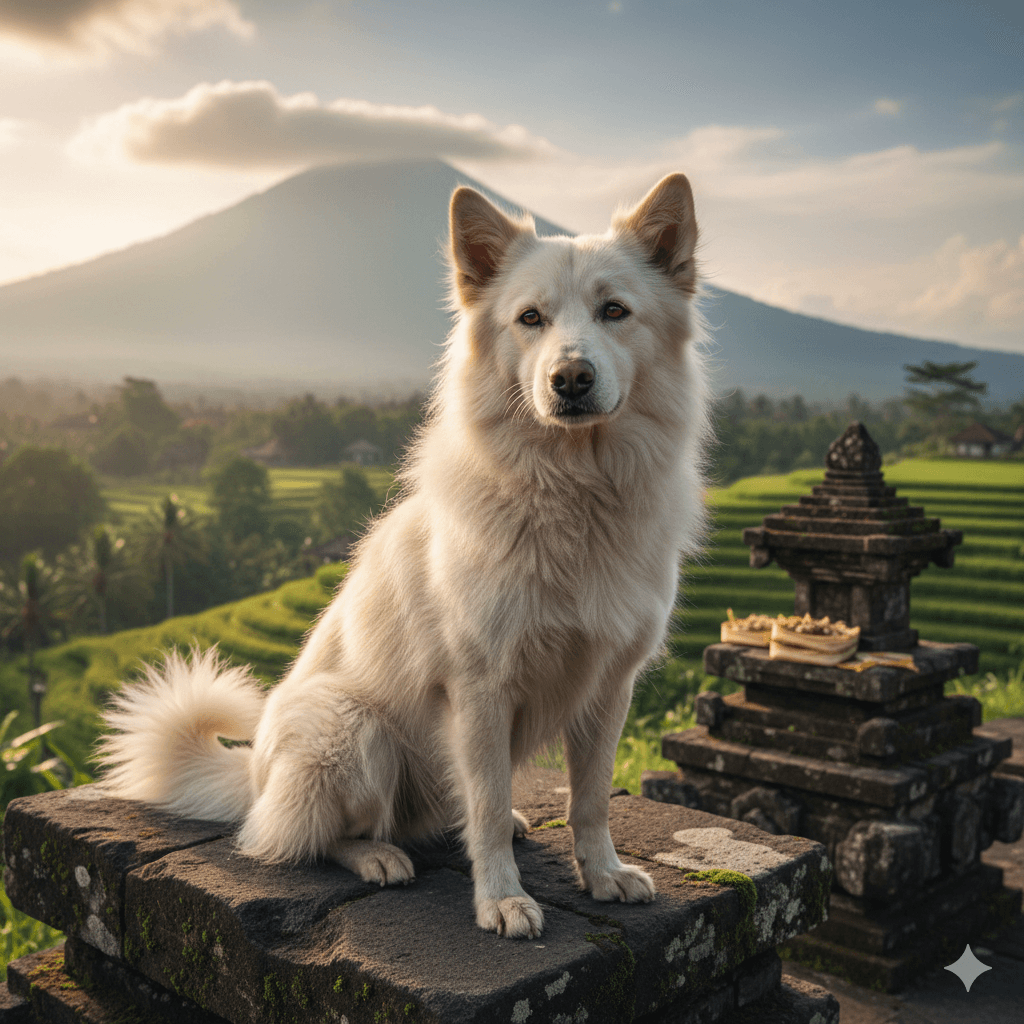
The Kintamani dog, originating from the highlands of Bali, is a strikingly beautiful and independent breed known for its elegant appearance and loyal nature. Renowned for their adaptability to mountainous terrain and natural guarding instincts, these dogs are cherished by locals as both protectors and companions. With their thick coats, expressive eyes, and spirited personalities, Kintamani dogs are gaining recognition beyond Indonesia as remarkable pets for active families.

Origins and History of the Kintamani Dog

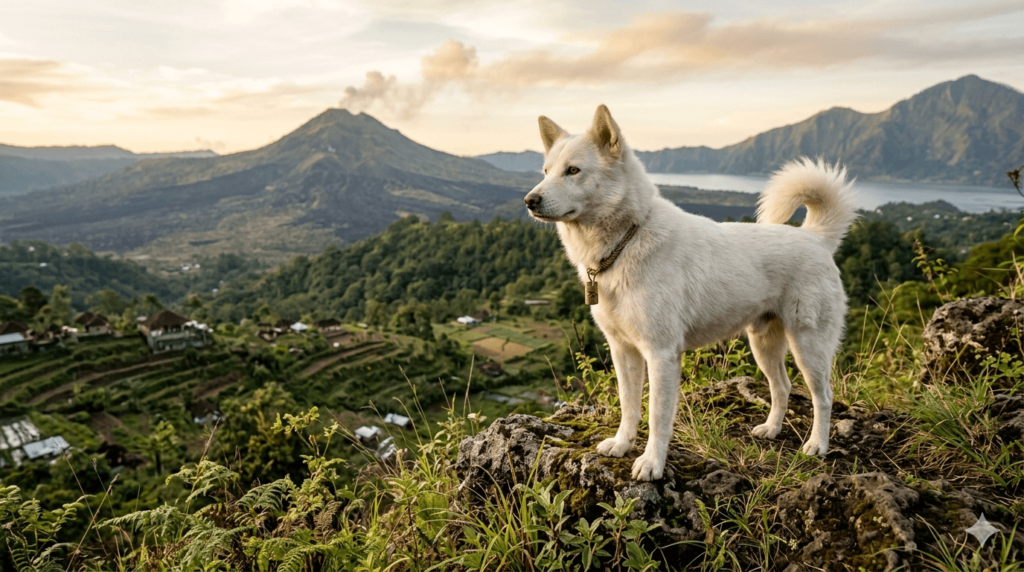
The Kintamani dog breed hails from the highlands of Bali, Indonesia, where it has thrived for centuries as a semi-feral guardian and companion. Its history is deeply intertwined with the culture and geography of its homeland, shaping its unique traits and resilience.
 
  • Ancient Roots in Bali:
    The Kintamani’s origins trace back hundreds of years to the remote villages of Bali, where it evolved naturally without much human intervention. This natural selection process contributed to its robust health and adaptability.
     
  • Guardian of Livestock and Homes:
    Traditionally, Kintamani dogs were bred to protect livestock from predators and guard homes in mountainous regions. Their sharp instincts and independent nature made them ideal for these roles.
     
  • Cultural Significance:
    In Balinese culture, the Kintamani is revered not just as a working dog but also as a symbol of loyalty and purity. It often appears in local folklore and ceremonies, reflecting its importance to the community.
     
  • Recognition Beyond Indonesia:
    While the breed remains relatively unknown globally, efforts by international kennel clubs and enthusiasts have begun to promote the Kintamani as a unique and valuable breed. Organizations like the Fédération Cynologique Internationale (FCI) now recognize it officially.
     
  • Conservation Efforts:
    Due to crossbreeding with other dogs, purebred Kintamani numbers are declining. Conservation programs aim to preserve their genetic integrity and promote ethical breeding practices.
 
This rich history underscores the Kintamani’s role as both a cultural icon and a practical working dog, making it a fascinating subject for dog lovers worldwide.
Kintamani Dog Breed: Best 7 Expert Tips!

Distinctive Physical Traits of the Kintamani Dog

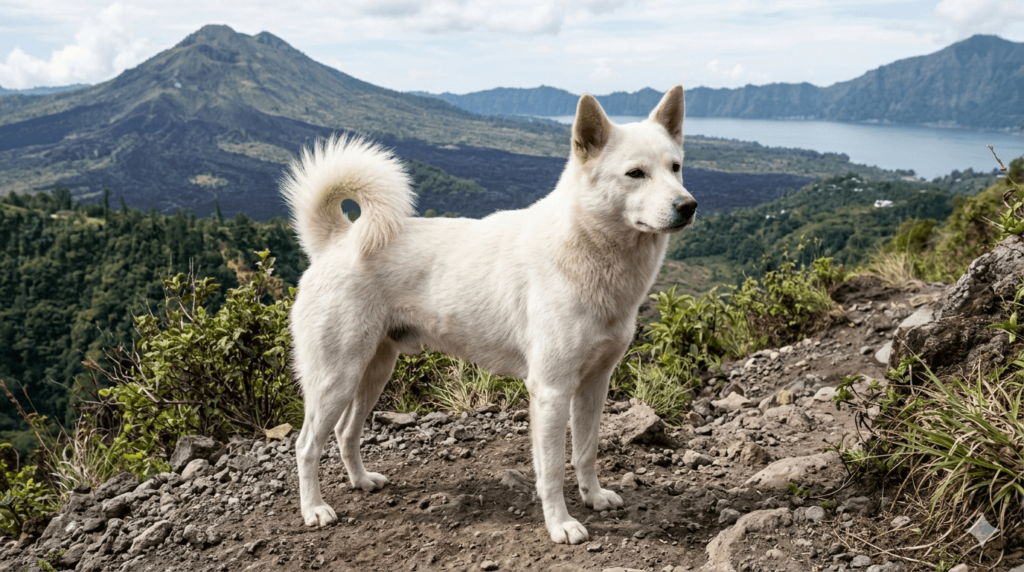
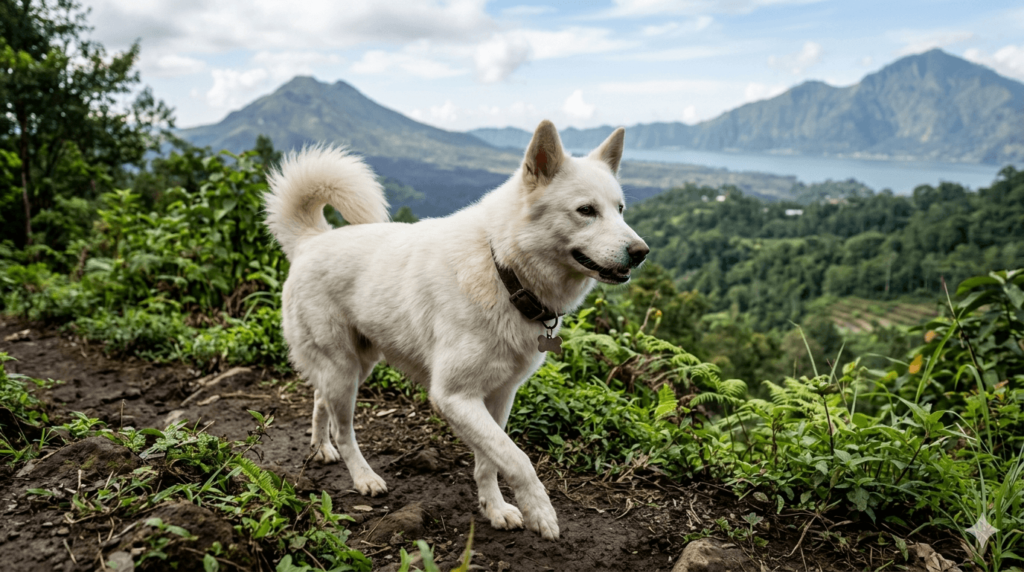
The Kintamani dog’s appearance reflects its rugged origins and functional purpose, combining elegance with utility. Its striking features make it instantly recognizable among dog breeds.
 
  • Medium-Sized Build:
    Standing 17–20 inches tall and weighing 25–35 pounds, the Kintamani strikes a balance between agility and strength, suited for both guarding and companionship.
     
  • Thick Double Coat:
    Its dense, weather-resistant coat protects against Bali’s variable climate, ranging from scorching sun to chilly mountain nights. Colors include white, cream, black, or brindle, with white being most common.
     
  • Fox-Like Expression:
    With erect ears, almond-shaped eyes, and a slightly pointed muzzle, the Kintamani exudes a fox-like alertness that hints at its intelligence and independence.
     
  • Bushy Tail:
    The breed’s tail curls tightly over its back, a trait shared with other Spitz-type dogs. This feature adds to its regal and poised demeanor.
     
  • Athletic and Agile Frame:
    Muscular legs and a lean body enable the Kintamani to navigate challenging terrains effortlessly, whether chasing intruders or exploring its surroundings.
 
These physical attributes highlight the Kintamani’s versatility and endurance, qualities that have allowed it to thrive in diverse environments throughout history.
Key Traits of the Kintamani Dog
Care Tips for Owners
Independent and loyal temperament
Provide consistent training and mental stimulation
Thick double coat for weather protection
Brush weekly and clean ears regularly
Strong guarding instincts
Socialize early to prevent aggression toward strangers
Active and energetic lifestyle
Ensure at least 1 hour of daily exercise
Rare breed with ancient roots
Work with ethical breeders to support conservation efforts

Personality and Temperament of the Kintamani Dog

The Kintamani dog is known for its independent yet affectionate nature, making it an intriguing mix of guardian and companion. Understanding its temperament helps potential owners determine if this breed suits their lifestyle.
 
  • Loyal and Protective:
    Kintamani dogs form deep bonds with their families and are fiercely protective of their territory. They will bark loudly and position themselves between their loved ones and perceived threats.
     
  • Independent Thinker:
    Unlike many domesticated breeds, the Kintamani retains a strong sense of autonomy, often preferring to act on its own judgment rather than relying on commands.
     
  • Gentle with Family Members:
    Despite their guarding instincts, Kintamani dogs are gentle and playful with trusted humans, especially children they grow up with.
     
  • Reserved with Strangers:
    Their natural wariness of unfamiliar people makes them excellent watchdogs but requires careful socialization to prevent excessive shyness or aggression.
     
  • Adaptable Yet Spirited:
    While adaptable to various living situations, the Kintamani thrives best in open spaces where it can roam freely and express its energetic, adventurous spirit.
 
This blend of loyalty, independence, and spirited energy defines the Kintamani’s personality, making it a rewarding but demanding companion.

Training and Socialization Tips for Kintamani Owners

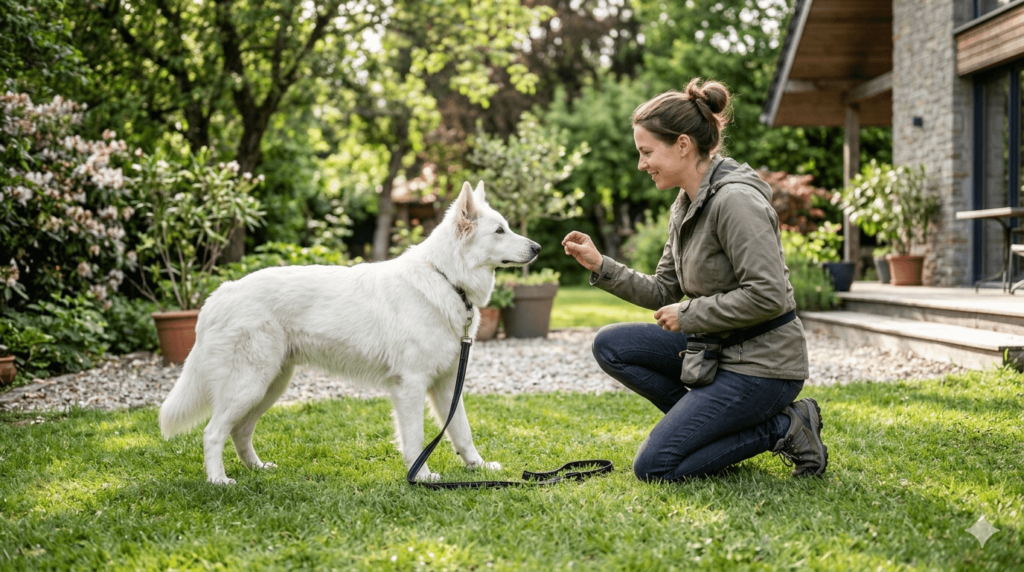
Training a Kintamani dog requires patience, consistency, and respect for its independent nature. Proper socialization and structured training ensure it becomes a well-rounded family member.
 
  • Start Early with Socialization:
    Expose your Kintamani puppy to different people, animals, and environments before six months old to build confidence and reduce fear-based behaviors.
     
  • Use Positive Reinforcement:
    Reward-based methods work best; treats, praise, and play encourage cooperation without undermining the dog’s dignity or trust.
     
  • Respect Their Independence:
    Avoid harsh corrections or forceful handling, as this can damage your relationship. Instead, focus on mutual respect and clear communication.
     
  • Focus on Basic Commands First:
    Teach essential commands like “sit,” “stay,” and “come” before progressing to advanced tasks. Keep sessions short and engaging to maintain interest.
     
  • Channel Their Energy Positively:
    Provide ample mental and physical stimulation through games, puzzles, and outdoor activities to prevent boredom-related mischief.
 
By embracing the Kintamani’s unique traits and needs, you can foster a harmonious relationship built on trust and understanding.

Health and Lifespan of the Kintamani Dog

The Kintamani dog is generally a healthy breed, thanks to its natural development and minimal human interference. However, understanding its health considerations ensures a long, happy life for your furry friend.
 
  • Long Lifespan:
    With proper care, Kintamani dogs live 12–15 years, outlasting many medium-sized breeds due to their hardy genetics.
     
  • Common Health Issues:
    While robust, they may be prone to hip dysplasia, ear infections (due to upright ears), and skin allergies triggered by environmental factors.
     
  • Dietary Needs:
    A balanced diet rich in protein supports their active lifestyle, while avoiding overfeeding prevents obesity-related complications.
     
  • Regular Veterinary Check-Ups:
    Annual exams help detect potential issues early, ensuring timely treatment and maintaining overall wellness.
     
  • Exercise and Mental Stimulation:
    Daily walks and interactive toys keep them physically fit and mentally sharp, reducing stress-related health problems.
 
Proactive care and attention to detail allow Kintamani dogs to thrive, showcasing their natural vitality and resilience.

Living with a Kintamani Dog: Ideal Environment and Lifestyle

The Kintamani dog adapts well to various living conditions but flourishes when its needs for space, activity, and companionship are met. Prospective owners should evaluate their lifestyle to ensure compatibility.
 
  • Best Suited for Outdoor Environments:
    Kintamani dogs thrive in homes with large yards or access to open spaces where they can run, explore, and patrol their territory.
     
  • Not Ideal for Urban Apartments:
    While they can adjust to apartment living, their energetic nature and need for freedom make confined spaces less than ideal.
     
  • Requires Active Owners:
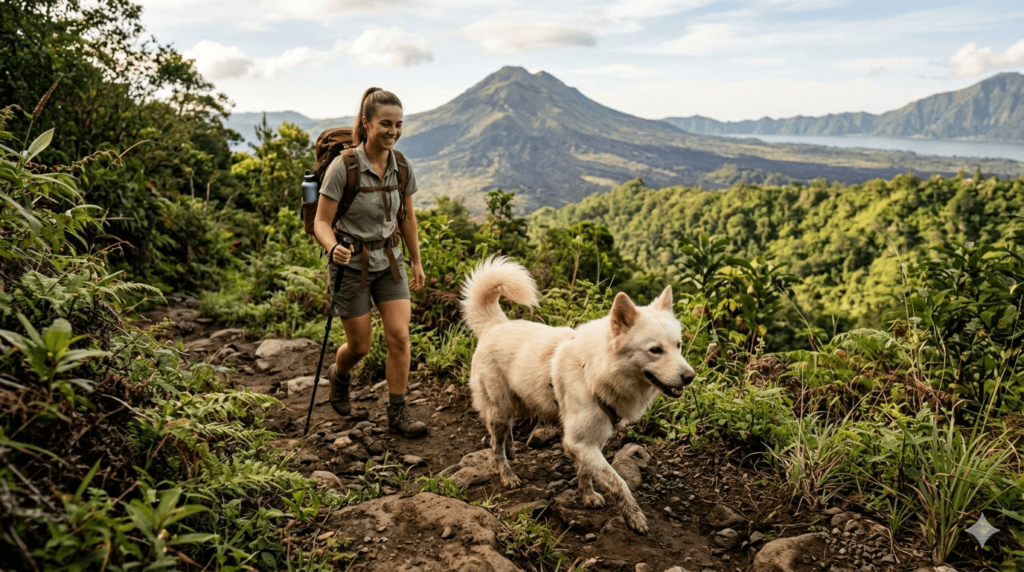
    Owners who enjoy hiking, jogging, or outdoor adventures will find a perfect match in the Kintamani’s adventurous spirit.
     
  • Sensitive to Extreme Climates:
    Though adaptable, Kintamani dogs prefer moderate climates similar to their native Bali, struggling in extreme heat or cold.
     
  • Companionship Without Clinginess:
    They value companionship but aren’t overly clingy, appreciating moments of solitude alongside family time.
 
Understanding these preferences ensures a fulfilling partnership between you and your Kintamani dog.

Challenges of Owning a Kintamani Dog

While the Kintamani dog offers countless rewards, prospective owners must acknowledge its challenges to ensure a successful relationship. Awareness of these quirks prepares you for the realities of life with this unique breed.
 
  • Strong-Willed Nature:
    Their independence can lead to stubbornness during training, requiring extra patience and creativity to achieve desired results.
     
  • Territorial Behavior:
    Kintamani dogs are highly territorial and may react aggressively toward unfamiliar animals or people entering their space.
     
  • High Exercise Needs:
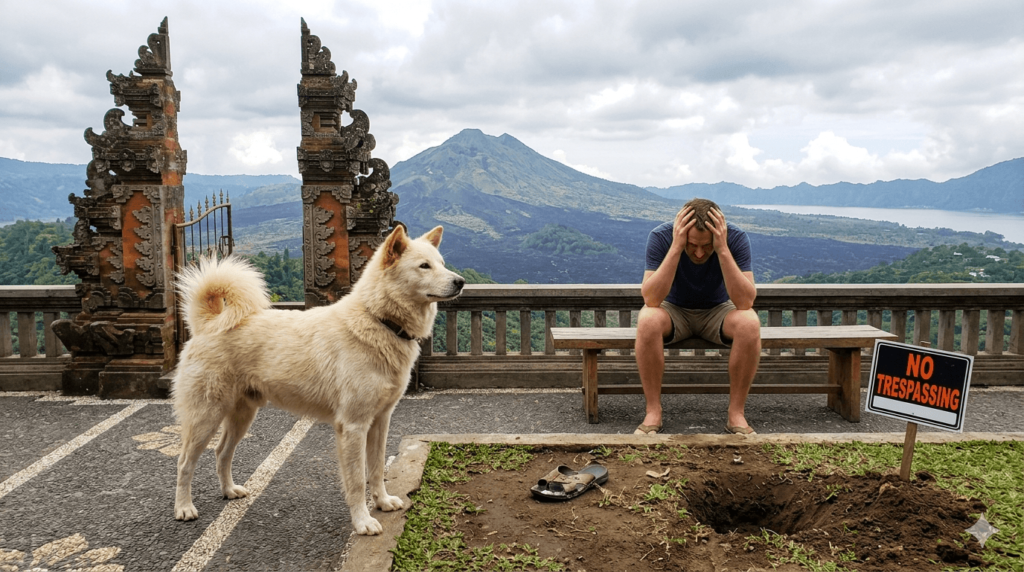
    Without sufficient physical and mental stimulation, they may develop destructive habits like chewing furniture or digging holes.
     
  • Limited Availability Outside Indonesia:
    Finding a reputable breeder outside Bali can be challenging, increasing costs and logistical hurdles for interested buyers.
     
  • Socialization Demands:
    Early and consistent socialization is crucial to prevent fear-based aggression or excessive shyness around strangers.
 
By addressing these challenges head-on, you can create a loving, supportive environment that allows your Kintamani dog to shine.

Frequently Asked Questions About the Kintamani Dog Breed

Is the Kintamani dog suitable for first-time owners?

Yes, but only if the owner is prepared for its independent nature and high exercise needs. Consistent training and socialization are essential.

With proper socialization, they can coexist peacefully with other dogs or cats, though their territorial instincts may require supervision.
 

Their thick double coat requires weekly brushing and seasonal shedding management to prevent matting and keep it healthy.

Absolutely. Their natural alertness, protective instincts, and loud bark make them excellent watchdogs for homes and properties.

With proper care, Kintamani dogs typically live 12–15 years, staying active and healthy well into their senior years.

A Unique Breed with Timeless Appeal

The Kintamani dog is more than just a pet—it’s a living piece of Balinese heritage, embodying resilience, loyalty, and independence. Whether as a guardian, companion, or cultural ambassador, this breed leaves an indelible mark on those fortunate enough to share their lives with it. If you’re ready to embrace the challenges and rewards of owning a Kintamani dog, you’ll discover a partner whose spirit matches your own. In every wag of its bushy tail and every watchful glance, the Kintamani proves that some treasures truly are timeless.

The Kintamani German Shepherd Mix: A Unique Blend of Strength and Loyalty The Kintamani German Shepherd Mix combines the striking appearance and …

Kintamani Doberman Mix: Best 7 Expert Tips!

Kintamani Doberman Mix: Best 7 Expert Tips! – Discover the perfect blend of loyalty, strength, and spirit in this unique hybrid. Learn care, training, and health tips now!

Kintamani Rottweiler Mix: Best 7 Expert Tips!

Kintamani Rottweiler Mix: Best 7 Expert Tips! – Discover the perfect blend of loyalty, strength, and spirit with this unique hybrid companion.

Kintamani Chow Chow Mix: Best 7 Expert Tips!

Kintamani Chow Chow Mix: Best 7 Expert Tips! – Discover the perfect blend of loyalty and independence with this unique hybrid. Learn care, training, and health tips now!

Leave a Reply

Your email address will not be published. Required fields are marked *

Recent Post

Post Category


