

Keratoconjunctivitis Sicca in Dogs: Best 7 Expert Tips!

Keratoconjunctivitis Sicca in Dogs: Best 7 Expert Tips!

Keratoconjunctivitis Sicca in Dogs: Recognizing and Managing Dry Eye with Care

If your dog’s eyes look red, cloudy, or unusually watery—or if they seem to squint constantly—they might be suffering from a common yet serious condition known as keratoconjunctivitis sicca. Also called “dry eye,” this disorder occurs when tear production drops dramatically, leaving the eye vulnerable to irritation, infection, and even vision loss. Early recognition and consistent treatment can make all the difference in preserving your dog’s comfort and sight. With the right care, most dogs with keratoconjunctivitis sicca go on to live happy, pain-free lives—bright-eyed and full of spirit.

What Is Keratoconjunctivitis Sicca in Dogs?

Keratoconjunctivitis sicca (KCS) isn’t just dryness—it’s a chronic inflammatory condition of the eye caused by insufficient tear film. Tears aren’t merely for crying; they lubricate the eye, wash away debris, and deliver essential nutrients. Without them, the cornea suffers.

 
  • Tear Film Breakdown:
    The tear film has three layers—oil, water, and mucus. In KCS, the aqueous (water) layer is severely reduced, disrupting the entire system.
     
  • Autoimmune Origin in Most Cases:
    In roughly 80% of cases, the dog’s immune system mistakenly attacks the tear-producing lacrimal glands, leading to progressive dryness.
     
  • Secondary Triggers Exist:
    Certain medications (like sulfa drugs), viral infections (such as canine distemper), or trauma can also cause temporary or permanent KCS.
     
  • Breed Predisposition Is Real:
    Breeds like Shih Tzus, Cocker Spaniels, Bulldogs, and Lhasa Apsos are at higher risk due to genetic and anatomical factors.
     
  • Progressive Without Treatment:
    Left unmanaged, KCS leads to corneal ulcers, scarring, pigmentation, and potentially irreversible blindness.
 

Understanding KCS as more than “just dry eyes” is the first step toward safeguarding your dog’s vision and overall well-being.

Keratoconjunctivitis Sicca in Dogs: Best 7 Expert Tips!

Common Signs and Symptoms of Dry Eye in Dogs

Dogs can’t tell us their eyes hurt—but they show it clearly through behavior and appearance. Recognizing early signs allows for faster intervention and better outcomes.

 
  • Persistent Eye Redness:
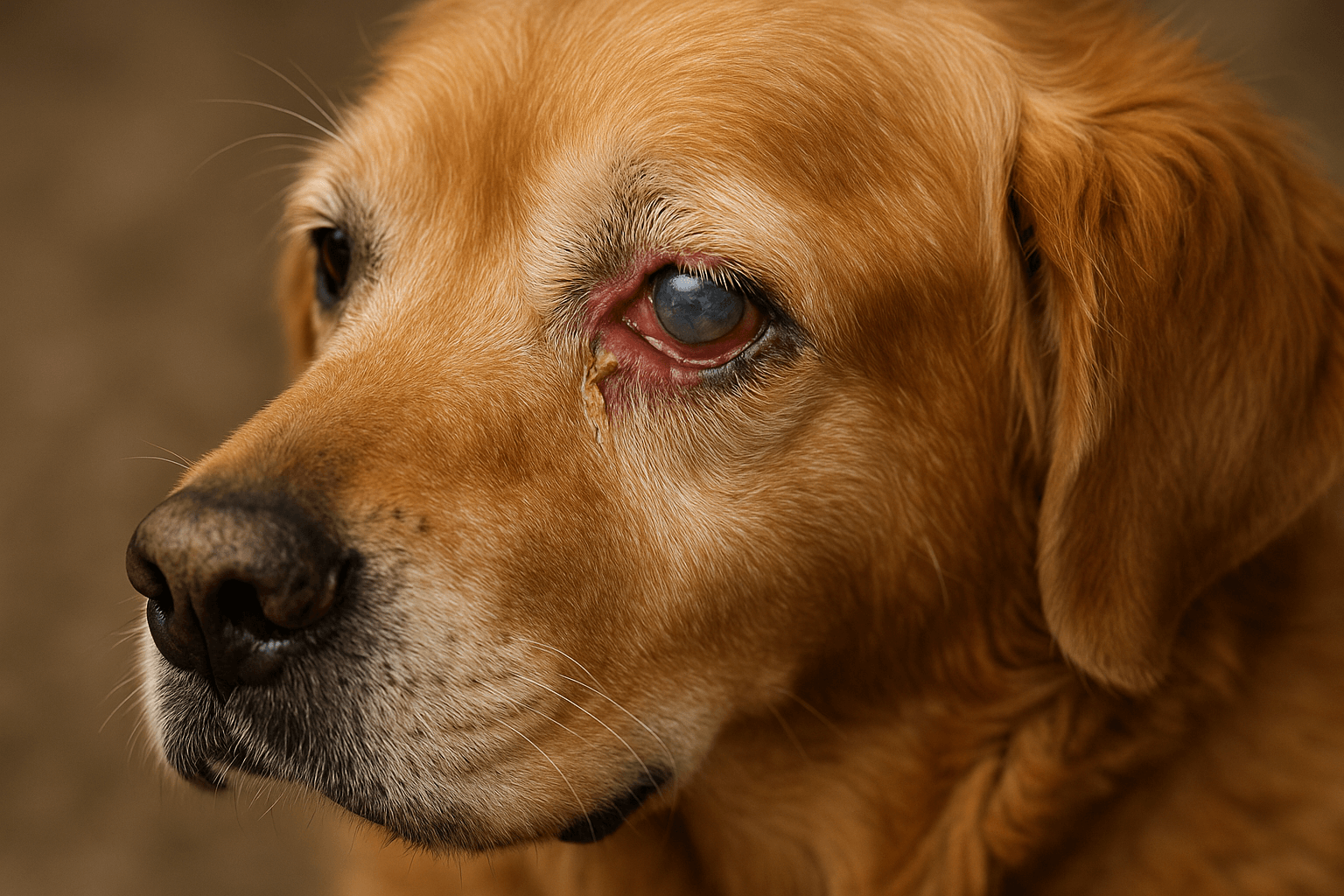
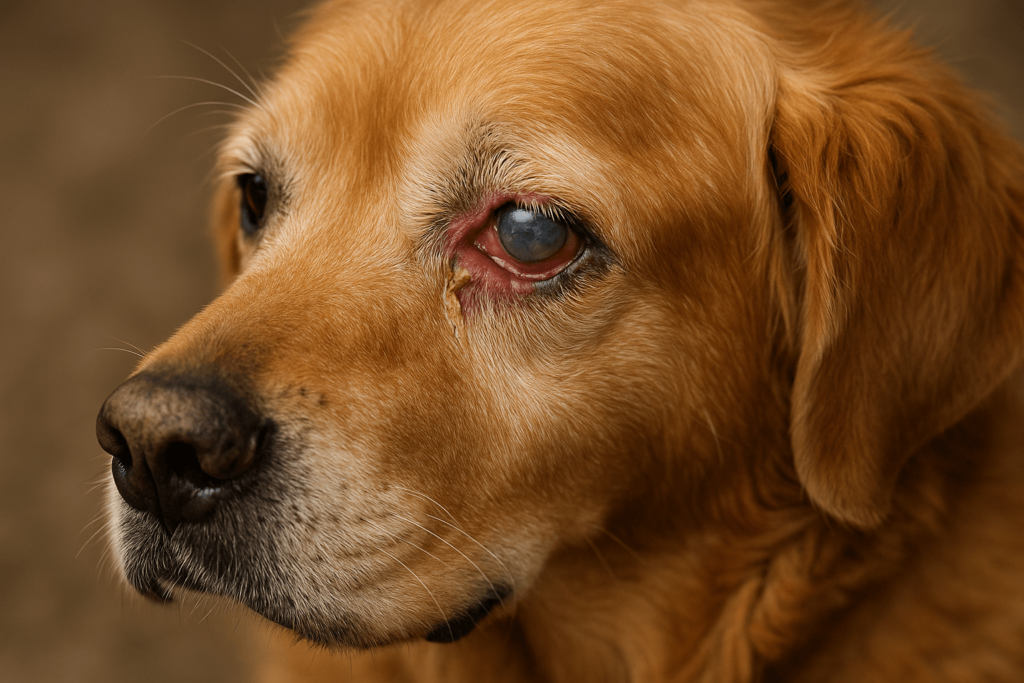
    Inflamed blood vessels make the whites of the eyes appear pink or deep red, often worsening throughout the day.
     
  • Thick, Yellow-Green Discharge:
    Unlike normal clear tears, KCS produces sticky, mucoid discharge that crusts around the eyelids—especially in the morning.
     
  • Excessive Blinking or Squinting:
    Your dog may blink rapidly or hold one eye partially closed due to pain or light sensitivity (photophobia).
     
  • Cloudy or Dull Cornea:
    The normally clear surface of the eye becomes hazy or opaque as inflammation and scarring develop.
     
  • Rubbing or Pawing at the Eyes:
    Discomfort often leads to face rubbing on furniture or repeated pawing—a red flag for ocular pain.
 

If you notice any of these signs, don’t wait: schedule a vet visit immediately. Early diagnosis can prevent permanent damage.

Diagnosing Keratoconjunctivitis Sicca Accurately

Veterinarians use a combination of observation and simple tests to confirm KCS—because visual symptoms alone aren’t enough.

 
  • Schirmer Tear Test (STT):
    This quick, painless test measures tear production in 60 seconds using a calibrated paper strip placed under the lower eyelid.
     
  • Fluorescein Staining:
    A green dye highlights corneal ulcers or abrasions that may have developed due to inadequate lubrication.
     
  • Ophthalmic Exam with Magnification:
    A detailed look at the cornea, conjunctiva, and tear film reveals inflammation, scarring, or abnormal blood vessel growth.
     
  • Medical History Review:
    Your vet will ask about medications, recent illnesses, breed, and symptom duration to identify potential triggers.
     
  • Ruling Out Other Conditions:
    Conditions like conjunctivitis, glaucoma, or allergies can mimic KCS—so differential diagnosis is essential.
 

Accurate diagnosis ensures your dog receives the right treatment from day one, preventing unnecessary complications.


Treatment Options for Dry Eye in Dogs

While there’s no universal “cure” for immune-mediated KCS, modern therapies effectively manage the condition long-term.

 
  • Topical Immunosuppressants:
    Cyclosporine or tacrolimus eye drops suppress local immune activity, often restoring partial or full tear production.
     
  • Artificial Tear Replacements:
    Lubricating gels or drops provide temporary relief but don’t address the root cause—best used alongside other treatments.
     
  • Antibiotic or Anti-Inflammatory Eye Drops:
    Used short-term to treat secondary infections or reduce painful inflammation during flare-ups.
     
  • Pilocarpine for Neurogenic KCS:
    In rare cases caused by nerve damage, this oral medication can stimulate tear glands indirectly.
     
  • Surgical Options (Last Resort):
    A parotid duct transposition reroutes saliva to the eye—but this is complex and only considered when medical therapy fails.
 

With consistent treatment, most dogs experience significant improvement within weeks—and many regain near-normal eye comfort.

Daily Care and Home Management Strategies

Successful long-term management of KCS depends heavily on your daily routine at home.

 
  • Strict Medication Adherence:
    Missed doses can cause symptom relapse—set phone reminders if needed to maintain consistency.
     
  • Gentle Eye Cleaning:
    Use a sterile saline solution or vet-recommended wipe to remove discharge without irritating delicate tissue.
     
  • Humidify Dry Indoor Air:
    Especially in winter, a humidifier helps prevent additional evaporation from the eye surface.
     
  • Protect from Environmental Irritants:
    Avoid smoke, strong perfumes, dust, or wind that can worsen dryness and discomfort.
     
  • Monitor for Behavioral Changes:
    Increased blinking, hiding, or reluctance to play can signal worsening eye pain before visible signs appear.
 

Your dedication at home transforms medical treatment into real-world comfort for your four-legged friend.

Potential Complications of Untreated KCS

Ignoring dry eye isn’t just uncomfortable—it’s dangerous. The cornea is delicate, and without tears, it deteriorates rapidly.

 
  • Corneal Ulcers:
    Even minor abrasions won’t heal properly, leading to deep, painful ulcers that risk perforation.
     
  • Corneal Pigmentation:
    Chronic inflammation causes dark brown pigment to spread across the cornea, blocking vision permanently.
     
  • Scarring and Vascularization:
    Blood vessels grow into the normally clear cornea, causing haze and structural weakness.
     
  • Secondary Bacterial Infections:
    Stagnant mucoid discharge becomes a breeding ground for bacteria, escalating pain and inflammation.
     
  • Blindness:
    In severe, neglected cases, irreversible damage leads to complete vision loss in one or both eyes.
 

Timely intervention isn’t optional—it’s essential to preserving your dog’s quality of life.

Supporting Your Dog’s Long-Term Eye Health

Beyond treating KCS, you can promote overall ocular wellness through proactive habits and awareness.

 
  • Annual Eye Exams:
    Even if symptoms improve, regular check-ups catch subtle changes before they become emergencies.
     
  • Balanced Nutrition with Omega-3s:
    Fatty acids from fish oil support skin and mucous membrane health, including the eye surface.
     
  • Avoid Over-the-Counter Human Eye Drops:
    Many contain preservatives or vasoconstrictors that are toxic to dogs—always consult your vet first.
     
  • Use Protective Eyewear for High-Risk Dogs:
    “Doggles” or visors can shield eyes during car rides, hikes, or grooming sessions.
     
  • Know Your Dog’s Baseline:
    Learn what your dog’s healthy eyes look like so you spot abnormalities instantly.
 

Prevention and vigilance turn chronic management into a seamless part of your dog’s care routine.

Frequently Asked Questions About Keratoconjunctivitis Sicca in Dogs

Is keratoconjunctivitis sicca painful for dogs?

Yes—dry eye causes significant discomfort, often described as a constant “gritty” or “burning” sensation. Dogs may squint, hide, or avoid light due to pain.

Immune-mediated KCS is rarely cured but is highly manageable with lifelong medication. Some secondary cases (e.g., drug-induced) may resolve fully once the trigger is removed.

Most dogs require drops twice daily, though some regimens start with more frequent dosing. Always follow your vet’s exact instructions.

Not necessarily—if treated early and consistently. However, untreated KCS is a leading cause of preventable canine blindness.

Yes. Cocker Spaniels, Shih Tzus, West Highland White Terriers, Bulldogs, and Pugs top the list due to genetic and facial structure factors.

Hope, Healing, and Healthy Eyes Ahead

Keratoconjunctivitis sicca may sound daunting, but with modern veterinary care and your loving attention, it’s a condition your dog can live with comfortably for years. Their eyes may be delicate, but their spirit remains strong—especially when they feel safe, soothed, and seen. By recognizing the signs early, committing to treatment, and partnering closely with your vet, you give your dog the gift of clear vision and pain-free days. After all, those bright, trusting eyes deserve nothing less than your very best care.

Understanding Cryptosporidium in Cats: Best 7 Expert Tips!

Understanding Cryptosporidium in Cats: Best 7 Expert Tips! – Spot symptoms, treat safely, and stop parasite spread in your home.

Understanding Cryptosporidium in Dogs: Best 7 Expert Tips!

Understanding Cryptosporidium in Dogs: Best 7 Expert Tips! – Learn symptoms, treatment & prevention for this stubborn gut parasite.

Understanding Syringomyelia in Cats: Best 7 Expert Tips!

Understanding Syringomyelia in Cats: Best 7 Expert Tips! – Recognize signs, manage pain, and support your cat’s neurological health with vet-backed guidance.

Understanding Syringomyelia in Dogs: Best 7 Expert Tips!

Understanding Syringomyelia in Dogs: Best 7 Expert Tips! – Expert insights on symptoms, MRI diagnosis, pain management & quality of life.

Leave a Reply

Your email address will not be published. Required fields are marked *


