
Is Tea Tree Oil Safe for Cats?
Tea tree oil is a popular natural remedy for humans, but its safety for cats is a topic of concern among pet owners. While it offers antimicrobial and anti-inflammatory benefits, its toxicity to felines cannot be overlooked. Understanding the risks and proper usage is crucial to ensuring your cat’s health and well-being.
Why Tea Tree Oil Can Be Dangerous for Cats
Tea tree oil, derived from the leaves of the Melaleuca alternifolia plant, is widely praised for its antibacterial, antifungal, and anti-inflammatory properties. However, its chemical composition makes it highly toxic to cats when used improperly. Cats lack specific liver enzymes (glucuronyl transferase) necessary to metabolize and eliminate certain compounds found in essential oils, including terpenes and phenols. This inability leads to a buildup of toxins in their system, potentially causing severe health issues. Understanding why tea tree oil poses a risk helps cat owners make informed decisions about its use around their pets.
- Lack of Metabolic Pathways:
Cats cannot break down phenolic compounds like terpinen-4-ol, which are abundant in tea tree oil, leading to systemic toxicity over time. - High Concentration Risks:
Undiluted or high-concentration tea tree oil can cause immediate poisoning, even with minimal exposure through ingestion or skin contact. - Respiratory Sensitivity:
Inhalation of diffused tea tree oil particles irritates a cat’s sensitive respiratory system, potentially triggering asthma-like symptoms or distress. - Absorption Through Grooming:
When applied topically, cats may ingest residues while grooming themselves, increasing the risk of internal toxicity. - Cumulative Effects of Exposure:
Repeated low-level exposure to tea tree oil can accumulate in a cat’s body, eventually manifesting as chronic illness or organ damage.
The combination of these factors underscores why extreme caution is required when considering any form of tea tree oil use around cats.
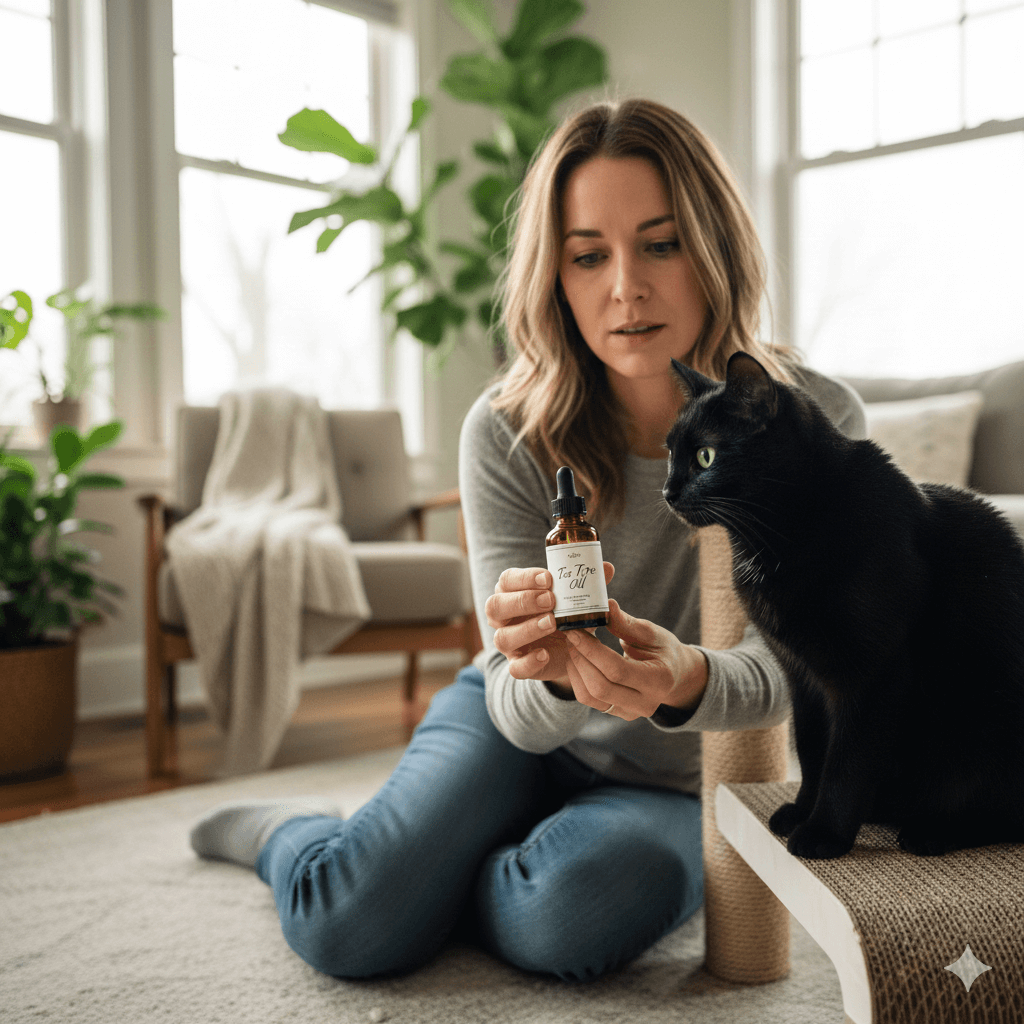
Symptoms of Tea Tree Oil Poisoning in Cats
Recognizing the signs of tea tree oil toxicity early is critical for preventing severe complications. Symptoms typically appear within hours after exposure and range from mild irritation to life-threatening conditions. Prompt identification allows for timely intervention and reduces the risk of long-term harm.
- Drooling and Vomiting:
Excessive salivation and vomiting occur as the body attempts to expel the toxin, often accompanied by visible discomfort. - Lethargy and Weakness:
Cats may become unusually subdued, refusing to eat, play, or engage in normal activities due to systemic distress. - Muscle Tremors and Ataxia:
Neurological effects such as tremors, uncoordinated movements, or difficulty walking signal advanced stages of poisoning. - Difficulty Breathing:
Labored breathing or wheezing indicates respiratory irritation or fluid accumulation in the lungs caused by inhalation or ingestion. - Liver Damage Indicators:
Jaundice (yellowing gums or skin) and elevated liver enzymes suggest prolonged exposure has damaged vital organs.
If your cat exhibits any of these symptoms after suspected tea tree oil exposure, seek veterinary care immediately to prevent further complications.
Check this guide 👉Fish Oil Dosage for Cats: Best 7 Expert Tips!
Check this guide 👉CBD Oil for Cat Arthritis: Best 7 Expert Tips!
Check this guide 👉Can I Give My Cat Olive Oil Every Day? Best 7 Expert Tips!
Safe Alternatives for Cats | Risks of Tea Tree Oil |
|---|---|
Chlorhexidine-based solutions | Liver damage from ingestion |
Diluted apple cider vinegar | Neurological effects like tremors |
Coconut oil for skin issues | Respiratory distress from inhalation |
Oatmeal baths for irritation | Gastrointestinal upset (vomiting/drooling) |
Veterinary-prescribed treatments | Cumulative toxicity from repeated exposure |
Safe Alternatives to Tea Tree Oil for Cats
While tea tree oil is unsafe for cats, there are several pet-friendly alternatives that provide similar benefits without posing health risks. These options are specifically formulated for feline physiology, ensuring safety and efficacy. Exploring these substitutes allows you to address common concerns without endangering your cat.
- Chlorhexidine-Based Solutions:
Widely used in veterinary medicine, chlorhexidine offers antimicrobial properties ideal for wound cleaning and infection prevention. - Diluted Apple Cider Vinegar:
A mild, non-toxic solution effective against minor fungal or bacterial infections; always dilute before use to avoid irritation. - Coconut Oil for Skin Issues:
Rich in lauric acid, coconut oil soothes dry skin and combats superficial fungal growth without harming cats. - Oatmeal Baths for Irritation:
Colloidal oatmeal shampoos relieve itching and inflammation caused by allergies or dermatitis safely and naturally. - Veterinary Prescribed Treatments:
Medicated shampoos, sprays, or oral medications tailored to feline needs ensure targeted care without adverse reactions.
Switching to these alternatives ensures your cat receives effective treatment while avoiding the dangers associated with tea tree oil.
How to Safely Use Essential Oils Around Cats
Although tea tree oil is unsafe, some essential oils can be used cautiously around cats if properly diluted and monitored. Responsible usage involves strict adherence to guidelines and awareness of potential risks. Following best practices minimizes the likelihood of accidental exposure or harm.
- Always Dilute Properly:
Essential oils should never exceed 1% concentration when introduced into a cat’s environment; improper dilution increases toxicity risks. - Avoid Direct Application:
Never apply oils directly to a cat’s skin or fur, as they cannot metabolize them effectively and may ingest residues during grooming. - Use Diffusers Sparingly:
Limit diffusion sessions to short durations in well-ventilated areas, keeping cats out of the room during and shortly after use. - Store Oils Securely:
Keep all essential oils in locked cabinets or high shelves inaccessible to curious cats prone to knocking items over. - Monitor for Reactions:
Observe your cat closely after introducing new scents; signs of discomfort or distress indicate intolerance and necessitate discontinuation.
By following these precautions, you create a safer environment where both you and your cat can coexist comfortably.
Treatment Options for Tea Tree Oil Toxicity
If your cat ingests or comes into contact with tea tree oil, immediate action is crucial to mitigate its harmful effects. Veterinary treatment focuses on stabilizing your cat and eliminating toxins from their system. Knowing what to expect during treatment prepares you for the process ahead.
- Activated Charcoal Administration:
Charcoal binds to toxins in the stomach, preventing further absorption and reducing overall toxicity levels. - IV Fluid Therapy:
Intravenous fluids support hydration, flush toxins from the bloodstream, and maintain kidney function during recovery. - Anti-Seizure Medications:
For severe cases involving tremors or seizures, veterinarians administer medications to control neurological symptoms. - Oxygen Support:
Supplemental oxygen alleviates respiratory distress caused by inhalation or systemic poisoning effects. - Liver Function Monitoring:
Blood tests assess liver enzyme levels and detect early signs of organ damage requiring additional intervention.
Prompt veterinary care improves outcomes significantly, highlighting the importance of acting quickly in suspected cases of toxicity.
Preventing Accidental Exposure to Tea Tree Oil
Preventing access to tea tree oil and other hazardous substances is key to protecting your cat’s health. Simple yet effective measures reduce the risk of accidental poisoning and ensure a safer household environment. Proactive steps safeguard your pet’s well-being in the long term.
- Educate Household Members:
Ensure everyone in your home understands the dangers of tea tree oil and avoids using it near pets. - Secure Storage Practices:
Store essential oils in childproof containers and place them out of reach on high shelves or locked cabinets. - Avoid DIY Remedies for Cats:
Refrain from creating homemade treatments containing tea tree oil or other potentially harmful ingredients. - Train “Leave It” Commands:
Teaching this command prevents your cat from investigating spilled liquids or unknown substances. - Pet-Proof Cleaning Products:
Opt for pet-safe cleaning solutions and disinfectants to minimize exposure to harmful chemicals throughout your home.
Taking these precautions demonstrates responsible pet ownership and fosters a secure living space for your feline companion.
Long-Term Effects of Tea Tree Oil Toxicity
In severe cases, tea tree oil poisoning can lead to lasting health issues that require ongoing management. Chronic exposure or delayed treatment exacerbates damage to vital organs, impacting your cat’s quality of life. Understanding these potential outcomes emphasizes the importance of prevention and prompt veterinary care.
- Persistent Liver Dysfunction:
Prolonged exposure damages liver cells, resulting in reduced detoxification capacity and increased susceptibility to future illnesses. - Neurological Impairment:
Severe tremors or seizures may leave residual effects, such as muscle weakness or coordination difficulties, requiring physical therapy. - Respiratory Complications:
Fluid buildup or scarring in the lungs impairs breathing efficiency, necessitating long-term monitoring and supportive care. - Behavioral Changes:
Traumatic experiences associated with toxicity sometimes alter personality traits, making cats more anxious or reclusive. - Increased Veterinary Needs:
Regular check-ups and blood work become essential to monitor organ function and detect early warning signs of complications.
Early recognition and consistent care mitigate long-term impacts, allowing your cat to recover fully and regain their vitality.
“For cats, tea tree is not for topical or internal use” – Dr. Roark
Frequently Asked Questions About Tea Tree Oil and Cats
Is tea tree oil safe for cats in any amount?
No—tea tree oil is toxic to cats even in small amounts due to their inability to metabolize its compounds effectively.
Can I diffuse tea tree oil if my cat is in the room?
Diffusing tea tree oil poses risks, as cats may inhale harmful particles; it’s safer to avoid diffusion entirely around felines.
What should I do if my cat licks tea tree oil off my skin?
Wipe your cat’s mouth immediately with a damp cloth and monitor for symptoms; contact your vet if signs of poisoning appear.
Are diluted forms of tea tree oil safe for topical use on cats?
Even diluted forms can be risky, as cats groom themselves and may ingest residues; always consult a vet before attempting this.
How long does it take for tea tree oil toxicity symptoms to show?
Symptoms typically appear within a few hours but may take up to 24–48 hours depending on the exposure level and individual cat sensitivity.
A Lifeline in Every Moment of Caution
The dangers of tea tree oil for cats highlight the importance of understanding pet-safe practices when using natural remedies. While tea tree oil offers numerous benefits for humans, its potential to harm our feline companions underscores the need for vigilance and informed decision-making. By choosing safer alternatives, securing hazardous substances, and acting swiftly in emergencies, you protect your cat’s health and strengthen the bond you share. Remember, prevention is always better than cure—your careful attention ensures a lifetime of happiness and well-being for your beloved furry friend.

Is Rawhide Bad for Cats? Best 7 Expert Tips! – Discover the risks, safe alternatives, and expert advice to keep your feline friend healthy and happy.

Is Rawhide Bad for Dogs? Best 7 Expert Tips! – Discover the risks, benefits, and safer alternatives to rawhides for your dog’s chewing needs.

Understanding Anorexia in Cats: Best 7 Expert Tips! – Learn why cats stop eating, spot warning signs, and discover how to help your feline regain appetite safely.

Understanding Anorexia in Dogs: Best 7 Expert Tips! – Learn causes, symptoms, and solutions to help your dog regain appetite and stay healthy.