
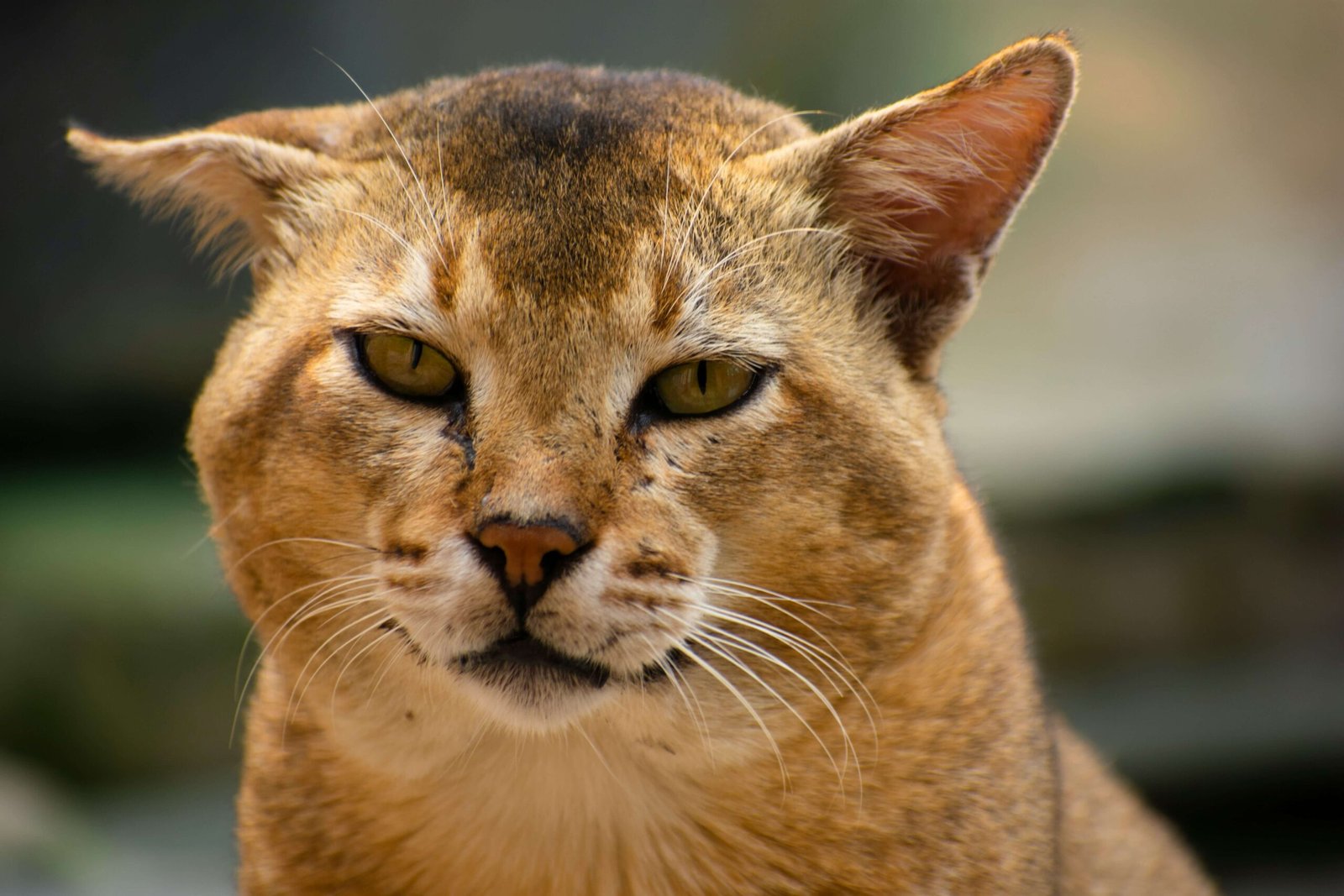
Is My Cat Happy? Decoding Feline Contentment
Cats are mysterious creatures, often leaving their human companions wondering about their inner emotional world. Are they truly happy? Or are they just tolerating our presence while plotting their next move? If you’ve ever found yourself pondering this question—“Is my cat happy?”—you’re not alone. Understanding your feline friend’s well-being is essential for building a strong bond and ensuring they lead a fulfilling life. In this blog post, we’ll explore the signs of a happy cat, how to meet their needs, and what you can do to enhance their quality of life. Let’s dive into the fascinating world of cats and uncover the secrets to their happiness.
Signs Your Cat is Truly Happy
A happy cat isn’t hard to spot if you know what to look for. Their behavior, body language, and habits can reveal a lot about their emotional state. Here are some key indicators that your cat is content:
Purring : While purring can sometimes indicate discomfort, it’s most commonly a sign of relaxation and contentment. If your cat purrs while curled up beside you, it’s a good sign they’re feeling safe and happy.
Playfulness : A playful cat is usually a happy cat. Engaging in games, chasing toys, or pouncing on imaginary prey shows that your cat has energy and curiosity.
Grooming Habits : Cats are meticulous groomers, but excessive grooming could signal stress. A happy cat will groom themselves regularly without going overboard.
Relaxed Body Language : Look for relaxed ears, half-closed eyes, and a gently swishing tail. These are all signs that your cat feels at ease in their environment.
Affectionate Behavior : If your cat seeks out your attention by rubbing against you, sitting on your lap, or kneading you, it’s a clear sign they trust and enjoy your company.
Understanding these behaviors can help you gauge your cat’s happiness and make adjustments where needed. Remember, every cat is unique, so pay attention to what makes your furry friend tick.
How to Keep Your Cat Happy: Essential Tips
Ensuring your cat’s happiness requires more than just food and shelter. It involves creating an enriching environment that meets their physical, mental, and emotional needs. Here are some actionable tips to keep your cat content:
Provide Mental Stimulation : Cats need mental challenges to stay sharp and entertained. Puzzle toys, treat-dispensing gadgets, and interactive play sessions can keep their minds engaged.
Create Vertical Spaces : Cats love to climb and observe their surroundings from above. Install shelves, cat trees, or window perches to give them a bird’s-eye view of the world.
Maintain a Routine : Cats thrive on consistency. Feed them at the same time each day, clean their litter box regularly, and stick to a predictable schedule to reduce stress.
Offer Hiding Spots : Even confident cats appreciate having cozy hideaways where they can retreat when they feel overwhelmed. Cardboard boxes, cozy beds, or enclosed cat caves work wonders.
Respect Their Independence : Unlike dogs, cats value their alone time. Allow them space to explore and recharge without constant interference.
By incorporating these strategies into your daily routine, you’ll create a harmonious environment that fosters your cat’s happiness. A content cat is not only healthier but also more affectionate and fun to be around.
Check this guide 👉Why Is My Cat Crying Tears? Best 7 Health Tips!
Check this guide 👉The Enigmatic Smile of a Cat: Best 7 Behavior Tips!

Physical Needs | Emotional Needs |
|---|---|
Balanced diet | Safe and secure environment |
Regular vet check-ups | Playtime and interaction |
Clean litter box | Opportunities for exploration |
Comfortable resting areas | Positive reinforcement |
Access to fresh water | Freedom to express natural behaviors |
Common Mistakes That Can Affect Your Cat’s Happiness
Even the most well-meaning pet owners can inadvertently make mistakes that impact their cat’s happiness. Being aware of these pitfalls can help you avoid them and maintain a joyful household. Here are some common errors to watch out for:
Ignoring Litter Box Hygiene : Cats are extremely clean animals. A dirty litter box can cause stress and even lead to inappropriate elimination.
Overfeeding or Poor Diet Choices : Feeding your cat too much or giving them unhealthy treats can lead to obesity and health issues, which affect their overall mood.
Lack of Environmental Enrichment : Boredom can lead to destructive behavior. Without toys or activities, cats may become lethargic or anxious.
Forcing Interaction : Not all cats want constant cuddles. Forcing them to interact when they’re not in the mood can damage trust and make them uncomfortable.
Neglecting Veterinary Care : Skipping regular check-ups can result in undetected illnesses that silently affect your cat’s happiness.
By steering clear of these mistakes, you can ensure your cat remains healthy, happy, and thriving. Prevention is always better than cure when it comes to feline contentment.
Ways to Strengthen Your Bond with Your Cat
Building a strong relationship with your cat goes beyond providing food and shelter. It’s about creating meaningful connections through trust and mutual respect. Here are some ways to deepen your bond:
Spend Quality Time Together : Whether it’s playing, grooming, or simply sitting together, dedicating time to your cat strengthens your connection.
Learn Their Preferences : Every cat is different. Pay attention to what they enjoy—whether it’s chin scratches, belly rubs, or quiet companionship—and tailor your interactions accordingly.
Use Positive Reinforcement : Reward good behavior with treats, praise, or gentle petting. This encourages them to associate you with positive experiences.
Talk to Them : While cats may not understand every word, they recognize the tone of your voice. Speaking softly and kindly helps them feel secure.
Be Patient : Building trust takes time, especially if your cat is shy or new to your home. Give them space to adjust and let the bond develop naturally.
A strong bond with your cat enhances both your lives, leading to a happier and more harmonious home. Cherish the moments you share and celebrate the unique personality of your feline companion.
The Role of Nutrition in Cat Happiness
A well-balanced diet is one of the cornerstones of a happy and healthy cat. Proper nutrition not only supports their physical health but also influences their mood and energy levels. Here are some key considerations when it comes to feeding your feline friend:
High-Quality Protein : Cats are obligate carnivores, meaning they require animal-based proteins to thrive. Look for cat food with real meat as the primary ingredient.
Avoid Fillers and Additives : Ingredients like corn, soy, and artificial flavors can upset your cat’s stomach and affect their overall well-being.
Portion Control : Overfeeding can lead to obesity, which negatively impacts both their physical and emotional health. Stick to recommended serving sizes based on their age and weight.
Hydration is Key : Cats often don’t drink enough water, so consider wet food or a cat water fountain to encourage hydration.
Treats in Moderation : While treats can be a great way to bond, overindulgence can lead to nutritional imbalances.
By prioritizing your cat’s dietary needs, you’re laying the foundation for a happier and healthier life. A well-fed cat is more likely to exhibit playful and affectionate behavior, bringing joy to your home.
Creating a Stress-Free Environment for Your Cat
Cats are sensitive creatures, and their happiness often depends on how comfortable they feel in their surroundings. A stress-free environment allows them to express their natural behaviors and feel secure. Here are some ways to create a peaceful space for your cat:
Quiet Retreats : Ensure your cat has access to quiet areas where they can retreat if they feel overwhelmed or need alone time.
Minimize Loud Noises : Sudden or constant loud sounds can startle cats and increase their stress levels. Use white noise machines or soft music to mask disruptive noises.
Consistent Scents : Cats rely heavily on their sense of smell. Avoid frequent changes in cleaning products or air fresheners that could confuse or irritate them.
Safe Outdoor Access : If possible, provide supervised outdoor time or install a catio to let them safely experience the outdoors.
Routine Matters : Cats find comfort in predictability. Keep feeding times, play sessions, and bedtime consistent to reduce anxiety.
When your cat feels safe and relaxed in their environment, their happiness naturally follows. A calm cat is more likely to engage positively with you and their surroundings.
Recognizing Subtle Signs of Feline Joy
While obvious signs like purring and kneading are easy to spot, there are many subtle indicators of a happy cat that you might overlook. These small details can provide deeper insight into your cat’s emotional state. Here’s what to look for:
Slow Blinking : When your cat slowly blinks at you, it’s a sign of trust and affection. You can reciprocate by blinking back gently.
Tail Position : A tail held high with a slight curve at the tip indicates confidence and happiness, while a tucked tail may signal fear or discomfort.
Vocalizations : Happy cats often chirp, trill, or meow softly to communicate with their humans. Excessive yowling, however, could indicate distress.
Exploration : A curious cat who explores every nook and cranny of your home is likely feeling secure and content.
Relaxed Posture : Whether sprawled out on the floor or curled up in a ball, a relaxed body posture shows that your cat feels at ease.
Paying attention to these subtle cues can help you better understand your cat’s emotions and ensure their needs are being met. A happy cat isn’t just about big gestures—it’s also about noticing the little things that make them unique.
Frequently Asked Questions About Cat Happiness
How can I tell if my cat is stressed?
Signs of stress include excessive grooming, hiding, changes in appetite, or aggressive behavior. Addressing the root cause is key to resolving it.
Do cats get lonely?
Yes, some cats can experience loneliness, especially if they’re left alone for long periods. Providing companionship or another pet can help alleviate this.
Is it normal for my cat to sleep so much?
Absolutely! Cats are naturally crepuscular, meaning they’re most active during dawn and dusk. Sleeping 12–16 hours a day is typical.
Should I punish my cat for bad behavior?
No, punishment can increase stress and damage your relationship. Instead, redirect unwanted behaviors using positive reinforcement.
Can older cats still be happy?
Of course! Older cats may need adjustments like softer bedding or easier access to resources, but they can remain content with proper care.
Final Thoughts: Nurturing a Happy Cat
Ensuring your cat’s happiness is a rewarding journey that strengthens the bond between you and your furry friend. By understanding their unique needs, recognizing signs of contentment, and avoiding common pitfalls, you can create an environment where they thrive. Remember, a happy cat is a reflection of a loving and attentive owner. Keep observing, learning, and adapting to provide the best possible life for your feline companion. After all, their joy is your joy, and there’s nothing quite like the unconditional love of a happy cat.

Is Rawhide Bad for Cats? Best 7 Expert Tips! – Discover the risks, safe alternatives, and expert advice to keep your feline friend healthy and happy.

Is Rawhide Bad for Dogs? Best 7 Expert Tips! – Discover the risks, benefits, and safer alternatives to rawhides for your dog’s chewing needs.

Understanding Anorexia in Cats: Best 7 Expert Tips! – Learn why cats stop eating, spot warning signs, and discover how to help your feline regain appetite safely.

Understanding Anorexia in Dogs: Best 7 Expert Tips! – Learn causes, symptoms, and solutions to help your dog regain appetite and stay healthy.