
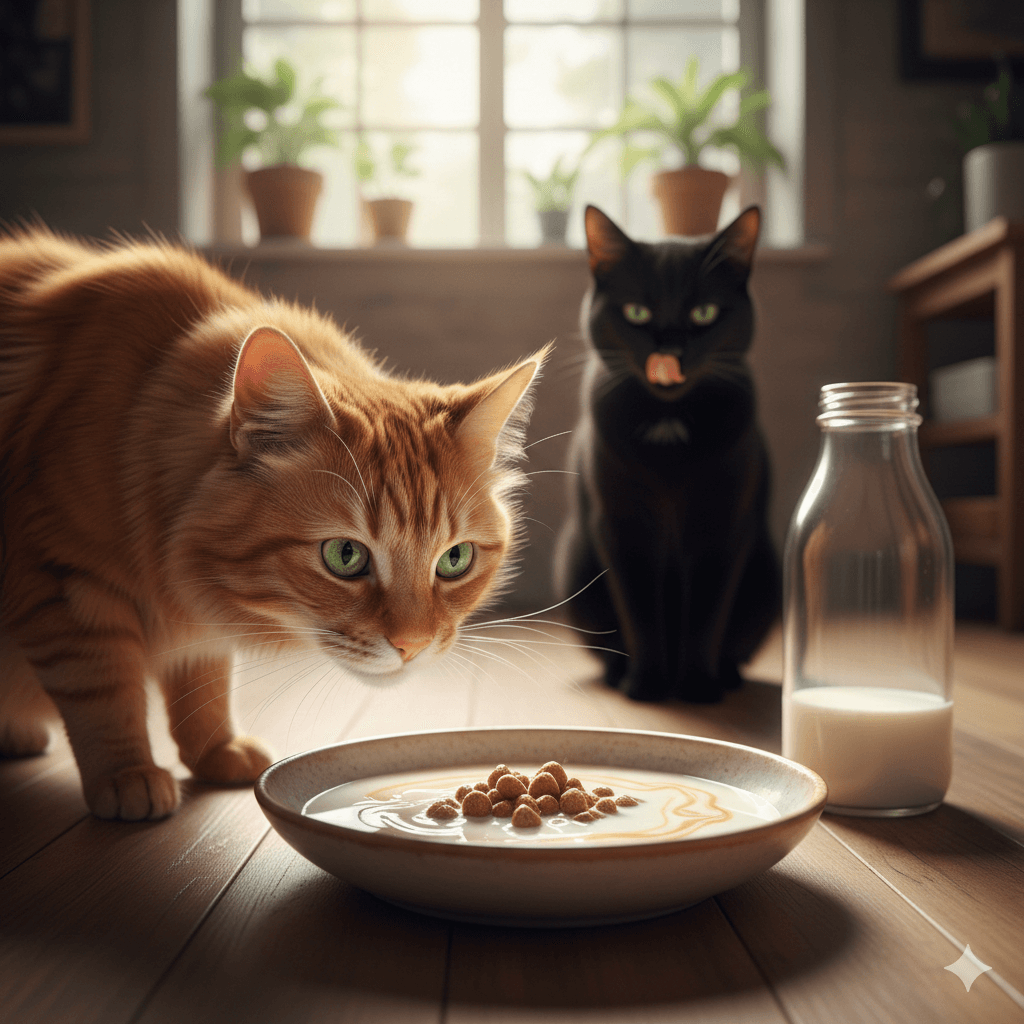

Is Milk in Cat Food Safe? Best 7 Expert Tips!

Is Milk in Cat Food Safe? Best 7 Expert Tips!

Is Milk in Cat Food Safe for Your Feline Friend?

While milk is often associated with cats in popular culture, its inclusion in cat food raises important questions about digestibility and health. Many cats are lactose intolerant, meaning milk can cause digestive upset rather than provide nutritional benefits. Understanding the role of milk in cat food helps you make informed choices for your pet’s diet.

Why Milk Is Often Added to Cat Food

Milk is sometimes included in commercial cat food or used as a supplement by pet owners, but its role and necessity are often misunderstood. While milk can provide certain nutrients, it is not a natural or essential component of a cat’s diet. Cats are obligate carnivores, meaning their nutritional needs are primarily met through animal-based proteins, not dairy. Understanding why milk is added to cat food helps you evaluate its benefits and risks.
 
  • Source of Hydration:
    Some cats struggle to drink enough water, so wet cat food with added milk may encourage hydration due to its creamy texture and appealing smell.
     
  • Calcium Content:
    Milk contains calcium, which supports bone health; however, cats can obtain sufficient calcium from meat-based diets without needing dairy.
     
  • Palatability Enhancement:
    The rich flavor of milk makes food more enticing for picky eaters, encouraging them to finish meals and consume necessary nutrients.
     
  • Marketing Appeal:
    Manufacturers add milk to appeal to human perceptions of cats loving dairy, even though this doesn’t align with feline dietary needs.
     
  • Digestive Concerns:
    Despite its popularity, many cats cannot properly digest lactose, the sugar in milk, leading to gastrointestinal issues like diarrhea or vomiting.
 
While milk may seem beneficial, its inclusion in cat food is largely unnecessary and can pose risks if not carefully balanced with other ingredients.
Is Milk in Cat Food Safe? Best 7 Expert Tips!

Nutritional Benefits of Milk in Cat Food

Although milk isn’t essential for cats, it does offer some nutritional advantages when used sparingly and appropriately. However, these benefits must be weighed against potential drawbacks like lactose intolerance. Here’s how milk contributes to a cat’s diet:
 
  • Protein Content:
    Milk contains whey and casein proteins, which can support muscle maintenance and overall growth when included in moderation.
     
  • Vitamins and Minerals:
    Milk provides vitamins A, D, and B12, as well as phosphorus, which play roles in vision, immune function, and energy metabolism.
     
  • Fatty Acids:
    The fats in milk supply concentrated energy, helping meet the high caloric needs of active or growing cats.
     
  • Hydration Support:
    For cats that dislike drinking water, milk-infused foods can slightly increase moisture intake, reducing dehydration risks.
     
  • Limited Usefulness:
    Most of the nutrients found in milk can be obtained more effectively from species-appropriate sources like meat or fish.
 
While milk has some value, it should never replace primary protein sources in a cat’s diet.
 
Pros of Milk in Cat Food Cons of Milk in Cat Food
Adds moisture to dry food Causes lactose intolerance symptoms
Provides calcium and protein Leads to nutrient imbalances
Enhances palatability for picky eaters Increases risk of obesity
May encourage hydration Potential for allergic reactions
Appeals to human preferences Misleading marketing claims

Risks of Including Milk in Cat Food

Feeding milk to cats, whether through food or directly, carries significant risks, particularly for those with lactose intolerance. These risks outweigh any perceived benefits if not managed carefully.
 
  • Lactose Intolerance:
    Most adult cats lack sufficient lactase enzymes to break down lactose, resulting in gas, bloating, and diarrhea after consuming milk.
     
  • Nutrient Imbalance:
    Relying on milk for nutrients can lead to deficiencies in taurine, arachidonic acid, and other vital compounds only found in animal-based proteins.
     
  • Weight Gain Risk:
    The high fat and sugar content in milk can contribute to obesity if consumed excessively, especially in sedentary indoor cats.
     
  • Allergic Reactions:
    Some cats develop allergies to milk proteins, causing skin irritation, itching, or chronic ear infections.
     
  • Misleading Marketing Claims:
    Products marketed as “enriched with milk” may mislead owners into believing they’re providing optimal nutrition when, in fact, these products may harm their pets.
 
Understanding these risks ensures you make safer dietary choices for your cat.

Alternatives to Milk in Cat Food

If you want to enhance your cat’s diet without relying on milk, several alternatives provide similar benefits without the associated risks. These options cater to feline physiology while ensuring proper nutrition.
 
  • Bone Broth:
    Low-sodium bone broth adds moisture and flavor to food without introducing lactose or allergens.
     
  • Egg Yolks:
    Cooked egg yolks are an excellent source of protein, healthy fats, and vitamins like A and D.
     
  • Fish Oil Supplements:
    Omega-3 fatty acids from fish oil support coat health and reduce inflammation better than milk fats.
     
  • Hydration Boosters:
    Water-rich foods like canned pumpkin or pureed chicken liver encourage hydration without digestive upset.
     
  • Species-Appropriate Treats:
    Freeze-dried meats or liver snacks mimic the taste-enhancing qualities of milk without compromising gut health.
 
These alternatives ensure your cat receives balanced nutrition without unnecessary risks.

How to Safely Introduce Milk to Your Cat’s Diet

If you still wish to include milk in your cat’s diet, doing so safely requires careful planning and observation. Moderation and preparation are key to minimizing adverse effects.
 
  • Start with Lactose-Free Milk:
    Lactose-free milk eliminates digestive issues while retaining the creamy texture cats enjoy.
     
  • Offer in Small Quantities:
    Limit servings to a teaspoon or two once a week to avoid overwhelming your cat’s system.
     
  • Monitor for Symptoms:
    Watch for signs of discomfort, such as loose stools, vomiting, or excessive gas, after introducing milk.
     
  • Mix with Regular Food:
    Blend milk with wet or dry food to dilute its impact and prevent overconsumption.
     
  • Consult Your Veterinarian:
    Always seek professional advice before adding new ingredients to your cat’s diet, especially if your cat has preexisting conditions.
 
Safe introduction ensures your cat enjoys occasional treats without compromising their health.

Common Misconceptions About Milk and Cats

Many myths surround the idea of cats and milk, perpetuated by media portrayals and outdated beliefs. Debunking these misconceptions promotes healthier feeding practices.
 
  • “Cats Love Milk Naturally”:
    While kittens may crave milk during weaning, adult cats lose the ability to digest it efficiently due to reduced lactase production.
     
  • “Milk Is Essential for Calcium”:
    Cats derive adequate calcium from meat-based diets, making milk redundant as a calcium source.
     
  • “A Little Milk Won’t Hurt”:
    Even small amounts can upset sensitive stomachs, particularly in older or less active cats.
     
  • “All Cats Are Lactose Intolerant”:
    While most cats struggle with lactose, individual tolerance varies—some may handle small amounts without issue.
     
  • “Milk Makes Cats Healthier”:
    Milk lacks the amino acids and nutrients critical to feline health, offering minimal real benefit compared to species-specific foods.
 
Separating fact from fiction empowers you to make informed decisions about your cat’s diet.

Signs Your Cat May Be Sensitive to Milk

If your cat exhibits unusual symptoms after consuming milk or milk-containing foods, they may have a sensitivity or intolerance. Recognizing these signs helps you adjust their diet accordingly.
 
  • Diarrhea or Loose Stools:
    Frequent, watery stools indicate difficulty digesting lactose and signal the need to eliminate dairy.
     
  • Excessive Gas or Bloating:
    Audible gurgling sounds or visible swelling around the abdomen point to gastrointestinal distress.
     
  • Vomiting After Eating:
    Regurgitation shortly after consuming milk suggests an inability to process its components.
     
  • Skin Irritations or Itching:
    Milk allergies manifest as rashes, redness, or persistent scratching, often accompanied by ear infections.
     
  • Decreased Appetite or Energy Levels:
    Gastrointestinal discomfort caused by milk can lead to lethargy or disinterest in food.
 
Identifying these signs allows you to address dietary sensitivities promptly and improve your cat’s quality of life.

Frequently Asked Questions About Milk in Cat Food

Can cats drink cow’s milk safely?

Most adult cats are lactose intolerant, so cow’s milk can cause digestive upset; lactose-free alternatives are a safer choice.

Even a few tablespoons can upset your cat’s stomach—moderation is key, but avoiding milk altogether is often best.

Milk offers some vitamins and hydration, but these benefits are outweighed by the risks of lactose intolerance and nutrient imbalances.

Monitor them closely for signs of diarrhea, vomiting, or bloating, and consult your vet if symptoms persist or worsen.

No—kittens require specially formulated kitten milk replacers, as cow’s milk lacks the nutrients they need for proper growth.

Supporting Your Cat’s Health Through Smart Dietary Choices

Understanding the role of milk in cat food empowers you to make informed decisions that prioritize your cat’s well-being. While milk may seem like a harmless treat, its potential risks far outweigh its minimal benefits. By focusing on species-appropriate nutrition and exploring safer alternatives, you ensure your feline companion thrives without unnecessary compromises. Remember, every small step you take toward better dietary choices reflects your love and commitment to their long-term health and happiness.
How Cats Develop Lymphoma: Best 7 Expert Tips!

How Cats Develop Lymphoma: Best 7 Expert Tips! – Learn about causes, symptoms, and prevention to protect your cat from this common cancer.

How Dogs Develop Lymphoma: Best 7 Expert Tips!

How Dogs Develop Lymphoma: Best 7 Expert Tips! – Learn causes, symptoms, and prevention strategies to protect your dog from this common cancer.

Diphenhydramine Safe for Dogs? Best 7 Expert Tips!

Diphenhydramine Safe for Dogs? Best 7 Expert Tips! – Learn proper dosing, uses, and precautions to keep your dog safe while using Benadryl.

Is Milk in Cat Food Safe? Best 7 Expert Tips!

Is Milk in Cat Food Safe? Best 7 Expert Tips! – Discover the truth about milk in cat food, its risks, and how to keep your feline healthy and happy.

Leave a Reply

Your email address will not be published. Required fields are marked *

Post Category


