
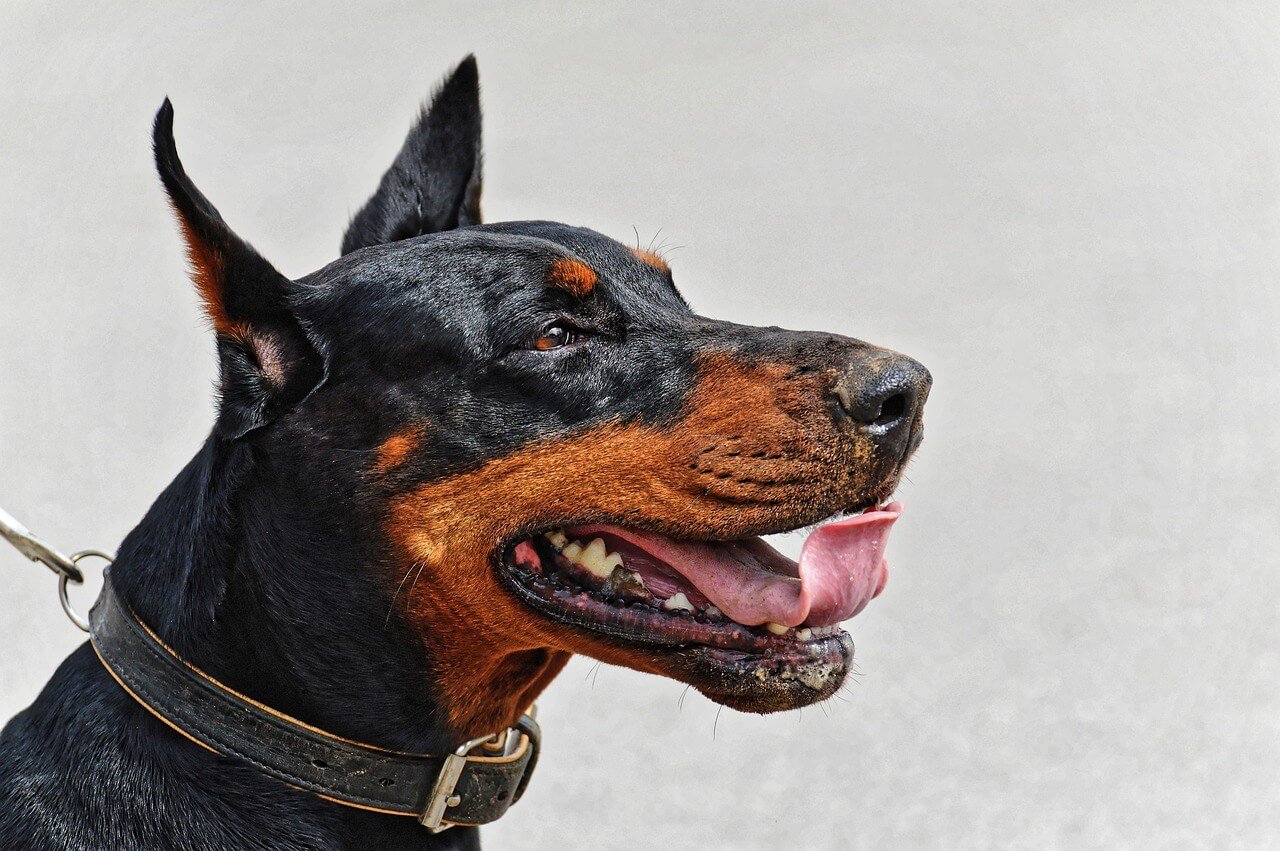


Is Lantana Poisonous to Dogs? What Every Pet Owner Should Know
Lantana is a popular flowering plant known for its vibrant colors and ability to thrive in warm climates. While it adds beauty to gardens and landscapes, pet owners need to be aware of its potential dangers. Is lantana poisonous to dogs? The answer is yes—this plant contains toxic compounds that can pose serious health risks if ingested by your furry friend. In this blog post, we’ll explore the dangers of lantana, how to identify symptoms of poisoning, and what steps you can take to keep your dog safe. Let’s dive into everything you need to know about protecting your pup from this toxic plant.
Why Is Lantana Poisonous to Dogs? Understanding the Risks
Lantana contains triterpenoids, which are toxic compounds that can cause adverse reactions in dogs. These toxins primarily affect the liver and gastrointestinal system, making ingestion particularly dangerous. Here’s what makes lantana a threat to your dog’s health:
Liver Damage: The toxins in lantana can lead to severe liver dysfunction if consumed in large quantities.
Gastrointestinal Irritation: Ingesting any part of the plant often results in vomiting, diarrhea, or abdominal pain.
Photosensitivity: Some dogs may develop skin sensitivity to sunlight after exposure to lantana toxins.
Respiratory Issues: In rare cases, inhaling particles from crushed leaves or flowers can irritate the respiratory tract.
Toxic Berries: The berries of the lantana plant are especially harmful and appealing to curious dogs.
Understanding these risks highlights the importance of keeping lantana out of reach and monitoring your dog’s interactions with plants in your yard or during walks.
Signs Your Dog May Have Ingested Lantana
If your dog has come into contact with lantana, recognizing the signs of poisoning early is crucial for prompt treatment. Here are common symptoms to watch for if you suspect your dog has ingested this toxic plant:
Vomiting: One of the first signs of lantana poisoning, often accompanied by drooling or foaming at the mouth.
Diarrhea: Loose stools or bloody diarrhea may indicate gastrointestinal distress caused by the toxins.
Lethargy or Weakness: A sudden lack of energy or reluctance to move can signal internal damage.
Loss of Appetite: Refusal to eat or drink is a red flag that your dog may be feeling unwell.
Jaundice: Yellowing of the gums or eyes suggests potential liver damage from lantana ingestion.
If you notice any of these symptoms, seek veterinary care immediately. Early intervention can prevent complications and improve recovery chances.
Check this guide 👉Home Remedies for Antifreeze Poisoning in Dogs: Best 7 Tips!
Check this guide 👉Can Dogs Get Poison Ivy? Best 7 Expert Tips!
Check this guide 👉Rat Poison in Dog Poop: Best 7 Expert Tips!
Symptoms of Lantana Poisoning in Dogs | What to Do If You Suspect Poisoning |
|---|---|
Vomiting | Contact your veterinarian immediately |
Diarrhea | Keep your dog hydrated |
Lethargy or weakness | Remove access to the plant |
Loss of appetite | Monitor for worsening symptoms |
Jaundice | Avoid inducing vomiting without advice |
How to Prevent Lantana Poisoning in Dogs
Prevention is key when it comes to protecting your dog from toxic plants like lantana. Taking proactive measures ensures your pet stays safe while enjoying outdoor spaces. Here’s how to minimize the risk of lantana poisoning:
Remove Lantana from Your Yard: If you have lantana plants, consider replacing them with pet-safe alternatives.
Supervise Outdoor Time: Keep a close eye on your dog during walks or playtime in areas where lantana may grow.
Teach the “Leave It” Command: Training your dog to avoid unfamiliar plants can prevent accidental ingestion.
Secure Your Garden: Use fencing or barriers to block access to areas with toxic plants.
Educate Yourself About Toxic Plants: Familiarize yourself with other common plants that are harmful to dogs, such as sago palms or azaleas.
By taking these precautions, you can create a safer environment for your dog and reduce the likelihood of accidental poisoning.
Treatment Options for Lantana Poisoning
If your dog ingests lantana, prompt veterinary care is essential to address the effects of the toxins. Here’s an overview of the treatment options your vet may recommend:
Induced Vomiting: In some cases, the vet may induce vomiting to remove plant material from the stomach.
Activated Charcoal: This helps absorb toxins in the digestive tract, preventing further absorption into the bloodstream.
IV Fluids: Intravenous fluids support hydration and flush toxins from the body, especially in severe cases.
Liver Support Medications: Drugs like SAMe or milk thistle may be prescribed to protect and repair liver function.
Monitoring and Observation: Your dog may need to stay at the clinic for observation to ensure no complications arise.
Early treatment significantly improves outcomes, so don’t delay seeking professional help if you suspect lantana poisoning.
Pet-Friendly Plants to Replace Lantana in Your Yard
If you’re concerned about lantana’s toxicity, there are plenty of pet-safe plants that can add beauty to your garden without posing risks to your dog. Here are some excellent alternatives:
Marigolds: These vibrant flowers are non-toxic and can deter pests like mosquitoes.
Snapdragons: A colorful, dog-friendly option that thrives in similar climates as lantana.
Roses (without thorns): While the thorns can be dangerous, thornless varieties are safe and elegant additions.
Sunflowers: Bright, cheerful, and completely non-toxic to dogs, they’re a great choice for sunny gardens.
Herbs like Basil or Mint: These not only beautify your space but also offer culinary benefits for you.
By replacing lantana with these pet-safe options, you can enjoy a beautiful garden while ensuring your dog’s safety. Always double-check plant safety before introducing new greenery.
Designing a Yard That Protects Your Pup from Toxic Plants
Creating a dog-safe outdoor environment involves more than just avoiding toxic plants like lantana. It requires thoughtful planning to ensure your yard is a secure and enjoyable space for your furry friend. Here are some tips:
Use Raised Garden Beds: Elevate your plants to keep them out of your dog’s reach while adding visual interest to your yard.
Install Fencing Around Hazardous Areas: Block access to sections of your yard where toxic plants or chemicals may be present.
Choose Durable Ground Cover: Opt for materials like mulch or gravel that won’t harm your dog if ingested accidentally.
Avoid Chemical Pesticides: Use natural pest control methods to avoid exposing your dog to harmful substances.
Provide a Dedicated Play Area: Designate a specific area for your dog to play freely, away from plants or hazards.
By implementing these strategies, you can create a harmonious outdoor space where both you and your dog can relax without worry.
Beyond Lantana: Other Plants That Are Dangerous to Dogs
Lantana isn’t the only plant that poses a risk to dogs. Many common garden plants can also be toxic, so it’s essential to be aware of them. Here’s a list of other plants to watch out for:
Sago Palm: Extremely toxic to dogs, causing liver failure and potentially death if ingested.
Azaleas: These flowering shrubs can lead to vomiting, drooling, and even cardiac issues in dogs.
Tulips and Hyacinths: The bulbs contain toxins that can irritate your dog’s mouth and digestive system.
Oleander: Highly poisonous, this plant can cause severe heart problems if consumed.
Daffodils: Ingestion may lead to vomiting, diarrhea, and convulsions in severe cases.
Being informed about these plants allows you to take proactive steps to protect your dog. Always research plants before bringing them into your home or garden.
Frequently Asked Questions About Lantana and Dogs
Is all lantana poisonous to dogs?
Yes, all varieties of lantana contain toxic compounds that can harm dogs if ingested.
Can my dog die from eating lantana?
While rare, severe cases of lantana poisoning can be fatal without prompt veterinary treatment.
Are the berries more toxic than the leaves?
Yes, the berries are highly toxic and often attract curious dogs due to their bright color.
What should I do if my dog eats lantana?
Contact your veterinarian immediately and monitor your dog for symptoms like vomiting or lethargy.
How can I tell if a plant is safe for my dog?
Research pet-safe plants or consult your vet before introducing new plants to your home or garden.
Final Thoughts: Keeping Your Dog Safe from Lantana
While lantana is a beautiful addition to many gardens, its toxic nature makes it a potential hazard for our four-legged friends. By understanding the risks, recognizing the symptoms of poisoning, and taking preventive measures, you can ensure your dog stays safe and healthy. Always remain vigilant about the plants in your environment and prioritize your pet’s well-being. With a little knowledge and preparation, you can enjoy a worry-free outdoor experience with your beloved companion.
Understanding Cryptosporidium in Cats: Best 7 Expert Tips! – Spot symptoms, treat safely, and stop parasite spread in your home.
Understanding Cryptosporidium in Dogs: Best 7 Expert Tips! – Learn symptoms, treatment & prevention for this stubborn gut parasite.
Understanding Syringomyelia in Cats: Best 7 Expert Tips! – Recognize signs, manage pain, and support your cat’s neurological health with vet-backed guidance.
Understanding Syringomyelia in Dogs: Best 7 Expert Tips! – Expert insights on symptoms, MRI diagnosis, pain management & quality of life.


