


Is It Cruel to Take a Cat on a Plane? Best 7 Tips!

Is It Cruel to Take a Cat on a Plane? Best 7 Tips!

Is It Cruel to Take a Cat on a Plane?


Traveling is an exciting adventure, but when it comes to bringing your feline companion along, the decision can feel overwhelming. Many cat owners wonder whether flying with their pet is safe or if it might cause unnecessary stress and discomfort. While some cats adapt well to air travel, others may find the experience challenging. Understanding your cat’s needs, preparing adequately, and considering alternative options are key steps in ensuring their well-being during the journey. Let’s dive into the essential factors to help you make an informed decision about flying with your furry friend.

Key Considerations Before Flying with Your Cat


Before booking a flight with your cat, there are several important factors to consider. These aspects will help you assess whether air travel is the right choice for your pet.

 
  • Your Cat’s Personality:
    Some cats are naturally more adaptable and relaxed, while others may become anxious in unfamiliar environments. Consider how your cat reacts to car rides or vet visits as an indicator of their tolerance for travel.

  • Age and Health Condition:
    Kittens, senior cats, or those with pre-existing health issues may face additional risks during air travel. Always consult your veterinarian before making travel plans.

  • Length of the Flight:
    Shorter flights are generally less stressful for cats compared to long-haul journeys. Evaluate whether the duration of the trip is manageable for your pet.

  • Airline Policies:
    Each airline has specific rules regarding pet travel, including cabin vs. cargo requirements. Familiarize yourself with these guidelines to ensure compliance and minimize surprises.

  • Seasonal Factors:
    Extreme temperatures, whether hot or cold, can pose dangers for pets traveling in cargo holds. Plan your trip during milder weather whenever possible.


By carefully weighing these considerations, you can determine whether flying with your cat aligns with their comfort and safety needs.

How to Prepare Your Cat for Air Travel


Proper preparation is crucial to ensure a smooth and stress-free experience for both you and your cat. Here are some actionable steps to get started:

 
  • Visit the Veterinarian:
    Schedule a check-up to confirm your cat is healthy enough for travel. Obtain any necessary vaccinations or documentation required by the airline or destination country.

  • Acclimate Your Cat to Their Carrier:
    Allow your cat to explore and spend time in their travel carrier weeks before the flight. Place familiar bedding or toys inside to create a comforting environment.

  • Practice Short Trips:
    Take your cat on brief car rides to help them adjust to being in a moving vehicle. This can reduce anxiety during the journey to the airport.

  • Pack Essentials:
    Bring food, water, medications, grooming supplies, and waste bags to care for your cat throughout the trip. Include items that carry your scent for added reassurance.

  • Choose the Right Carrier:
    Select a sturdy, well-ventilated carrier that meets airline regulations. Ensure it’s large enough for your cat to stand, turn around, and lie down comfortably.


Taking these proactive steps can significantly ease the transition for your cat and set the stage for a successful flight experience.

Is It Cruel to Take a Cat on a Plane? Best 7 Tips!
Pre-Flight Checklist
In-Flight Tips
Visit the vet for a health checkup
Keep your cat hydrated before takeoff
Acclimate your cat to the carrier
Avoid feeding immediately before departure
Pack essential supplies
Monitor temperature conditions closely
Research airline policies
Stay calm to reassure your cat
Choose appropriate travel gear
Provide familiar scents for comfort

Potential Risks of Flying with Your Cat


While flying with your cat is often safe, it’s important to be aware of potential risks associated with air travel. Understanding these challenges can help you mitigate them proactively.

 
  • Stress and Anxiety:
    Cats are creatures of habit and may struggle with changes to their routine. The unfamiliar noises and movements of an airplane can trigger stress responses.

  • Temperature Extremes:
    Cargo holds are not climate-controlled, which can expose your cat to uncomfortable or dangerous temperatures during the flight.

  • Motion Sickness:
    Some cats experience nausea or discomfort due to turbulence or prolonged movement. Observe your cat’s behavior during car rides to gauge their susceptibility.

  • Escape Risk:
    Improperly secured carriers or accidental openings can lead to your cat escaping at the airport or during transit. Double-check all locks and latches.

  • Health Emergencies:
    In rare cases, underlying health issues may worsen under the stress of travel. Always prioritize your cat’s medical clearance before flying.


Being mindful of these risks allows you to take preventive measures and safeguard your cat’s well-being throughout the journey.

Alternatives to Flying with Your Cat


If flying seems too risky or impractical, there are alternative solutions to consider. Exploring these options ensures your cat remains safe and comfortable while you travel.

 
  • Pet Sitting Services:
    Hire a trusted pet sitter or enroll your cat in a reputable boarding facility. This eliminates the need for them to endure the stress of air travel.

  • Road Trips:
    For shorter distances, driving with your cat may be a safer and more controlled option. Plan frequent breaks and bring familiar comforts from home.

  • Relocation Assistance:
    Professional pet relocation services specialize in transporting animals safely across long distances. They handle logistics and provide expert care.

  • Leaving Your Cat Behind:
    If your trip is temporary, leaving your cat with a reliable caregiver might be the best choice. Ensure they have access to food, water, and veterinary care.

  • Virtual Monitoring:
    Use pet cameras and automated feeders to monitor and care for your cat remotely. This technology offers peace of mind while you’re away.


Exploring alternatives ensures your cat’s happiness and safety without compromising your travel plans.


Additional Tips for Reducing Stress During Air Travel

Traveling by plane can be stressful for cats, but there are ways to minimize their anxiety. Implementing these strategies can make the experience smoother for both you and your pet.

 
  • Use Calming Products:
    Consider using calming sprays or diffusers infused with feline pheromones. These products mimic natural scents that help soothe anxious cats.

  • Create a Familiar Environment:
    Line the carrier with your cat’s favorite blanket or clothing item that carries your scent. This provides comfort and reassurance during the flight.

  • Limit Noise Exposure:
    Cats are sensitive to loud noises. Use noise-canceling techniques, such as covering the carrier with a light blanket, to muffle unsettling sounds.


By incorporating these stress-reducing measures, you can help your cat feel more secure and relaxed throughout the journey.

Signs Your Cat May Be Stressed During Travel

Recognizing signs of stress in your cat is essential for addressing their needs promptly. Being observant allows you to intervene and provide comfort when necessary.

 
  • Excessive Vocalization:
    If your cat meows or cries excessively, it may indicate discomfort or fear. Respond by speaking softly to reassure them.

  • Refusal to Eat or Drink:
    A stressed cat may avoid food or water. Offer small amounts frequently to encourage hydration and nourishment.

  • Agitation or Restlessness:
    Pacing, scratching, or attempting to escape the carrier are common signs of anxiety. Ensure the carrier is secure and provide distractions like toys.


Understanding these behavioral cues helps you take proactive steps to alleviate your cat’s distress during travel.

Post-Flight Care for Your Cat

After landing, it’s important to prioritize your cat’s recovery and adjustment to their new surroundings. Proper post-flight care ensures they settle in comfortably.

 
  • Provide Fresh Water and Food:
    Allow your cat access to fresh water and a light meal after the flight. Avoid overfeeding to prevent digestive upset.

  • Offer Quiet Space:
    Set up a calm, quiet area where your cat can rest and decompress. Limit interactions with unfamiliar people or pets initially.

  • Monitor for Health Issues:
    Keep an eye on your cat for any unusual symptoms, such as lethargy or loss of appetite, which could indicate travel-related stress or illness.


By focusing on these post-flight care tips, you can help your cat transition smoothly and ensure their well-being after the journey.

Frequently Asked Questions About Flying with Your Cat

 
Can my cat fly in the cabin with me?

Yes, most airlines allow small cats to travel in the cabin if they fit in an approved carrier under the seat. Check specific airline policies for details.

Requirements vary by country but typically include proof of vaccination, microchip registration, and an official health certificate.

Use pheromone sprays, familiar scents, and soothing music to create a calming atmosphere. Consult your vet about mild sedatives if necessary.

Offer a light meal several hours before departure but avoid overfeeding to prevent nausea or digestive issues.

Inform the airline in advance and work closely with your vet to address any unique requirements your cat may have.

Making the Best Decision for Your Feline Friend


Ultimately, deciding whether to take your cat on a plane requires careful thought and planning. By considering your cat’s personality, health, and comfort, as well as exploring alternative options, you can ensure their well-being remains a top priority. Remember, every cat is unique, and what works for one may not suit another. With proper preparation and attention to detail, you can navigate this decision confidently. Whether you choose to fly together or explore other arrangements, your love and commitment will shine through in providing the best care possible for your cherished companion.

Can I Give My Cat Midol? Best 7 Expert Tips!

Can I Give My Cat Midol? Best 7 Expert Tips! – Learn the risks, symptoms, and safe alternatives to keep your cat healthy and avoid toxic reactions.

Can I Give My Dog Midol? Best 7 Expert Tips!

Can I Give My Dog Midol? Best 7 Expert Tips! – Discover the risks, safe alternatives, and expert advice to keep your dog safe from accidental poisoning.
Maximum Weight for Cats on Planes: Best 7 Expert Tips!

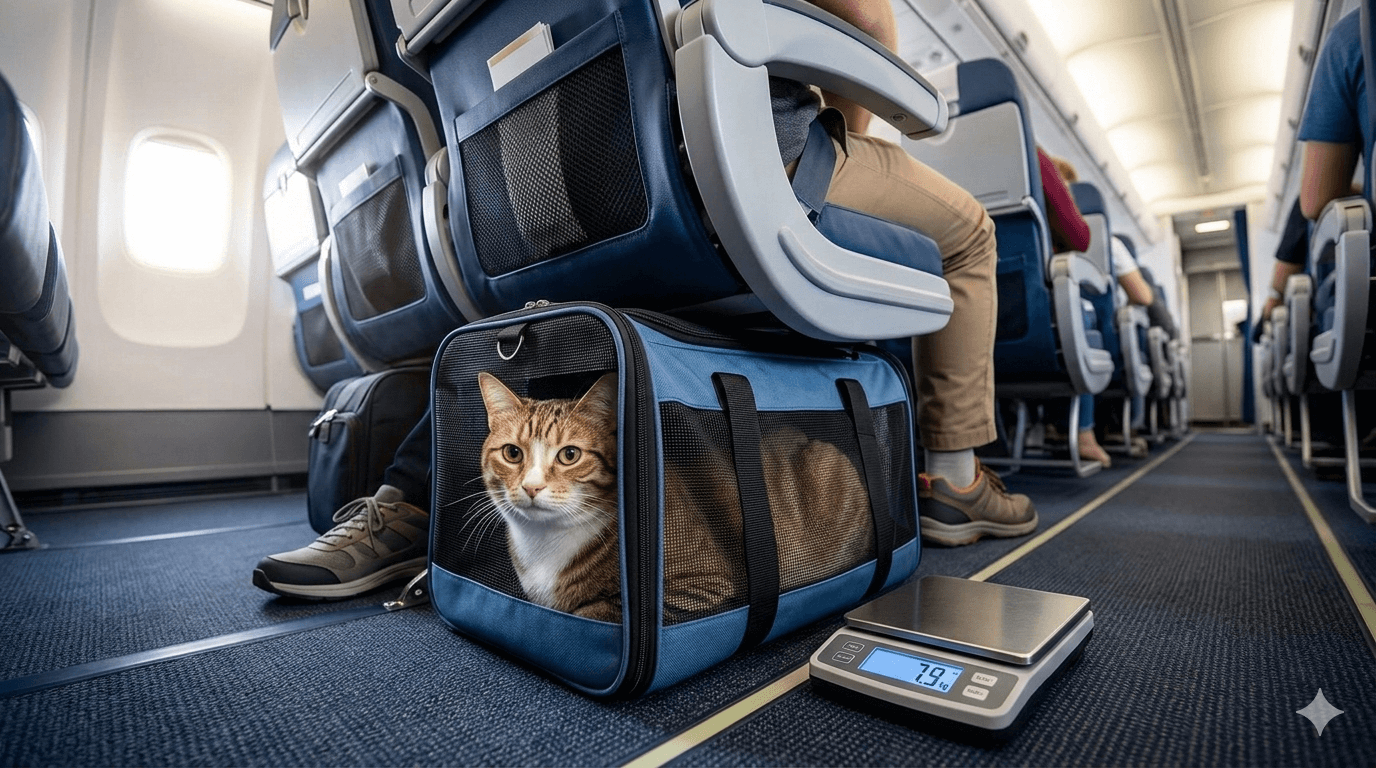
Maximum Weight for Cats on Planes: Best 7 Expert Tips! – Learn airline policies, tips to stay compliant, and ensure safe travels for your feline friend.
Max Weight for Dogs on Planes: Best 7 Expert Tips!

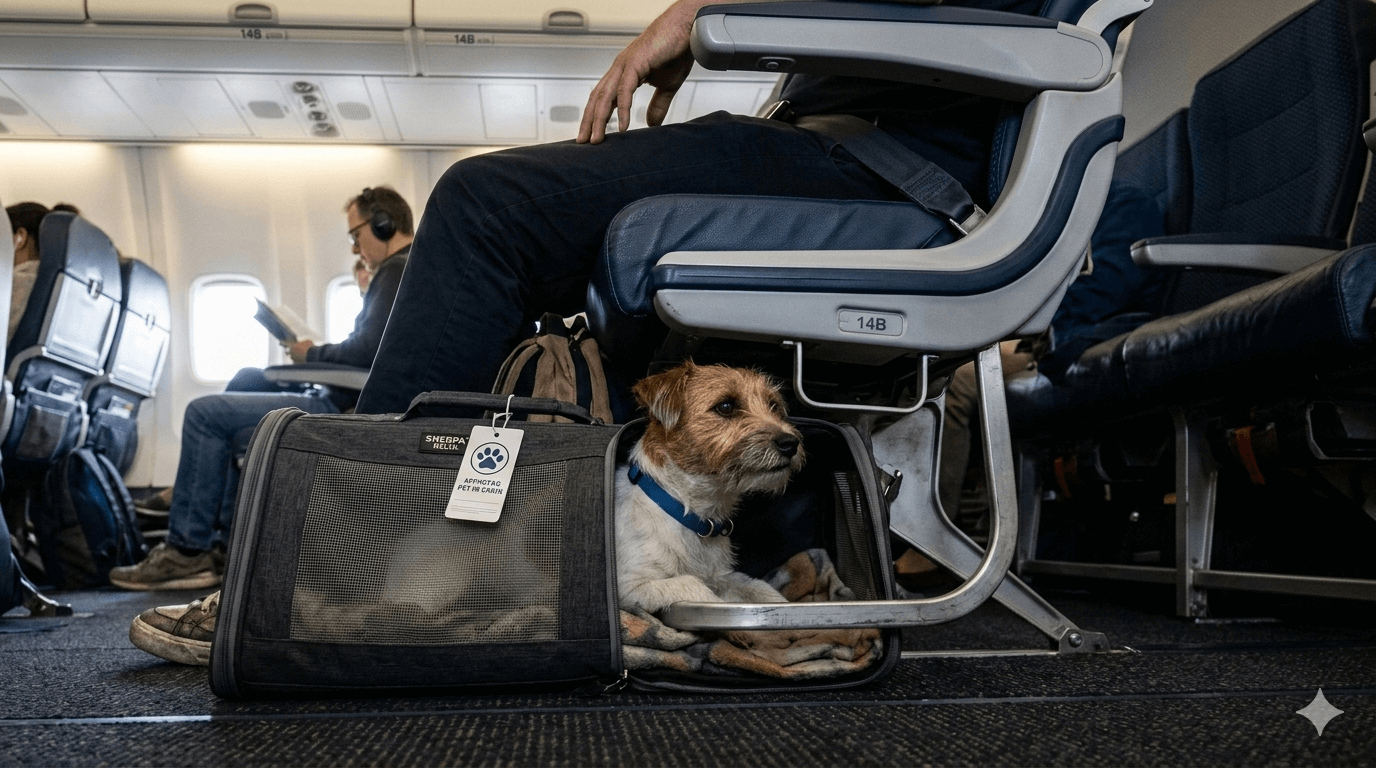
Max Weight for Dogs on Planes: Best 7 Expert Tips! – Discover airline weight limits, safe travel tips, and solutions for flying with your dog stress-free.

Leave a Reply

Your email address will not be published. Required fields are marked *