
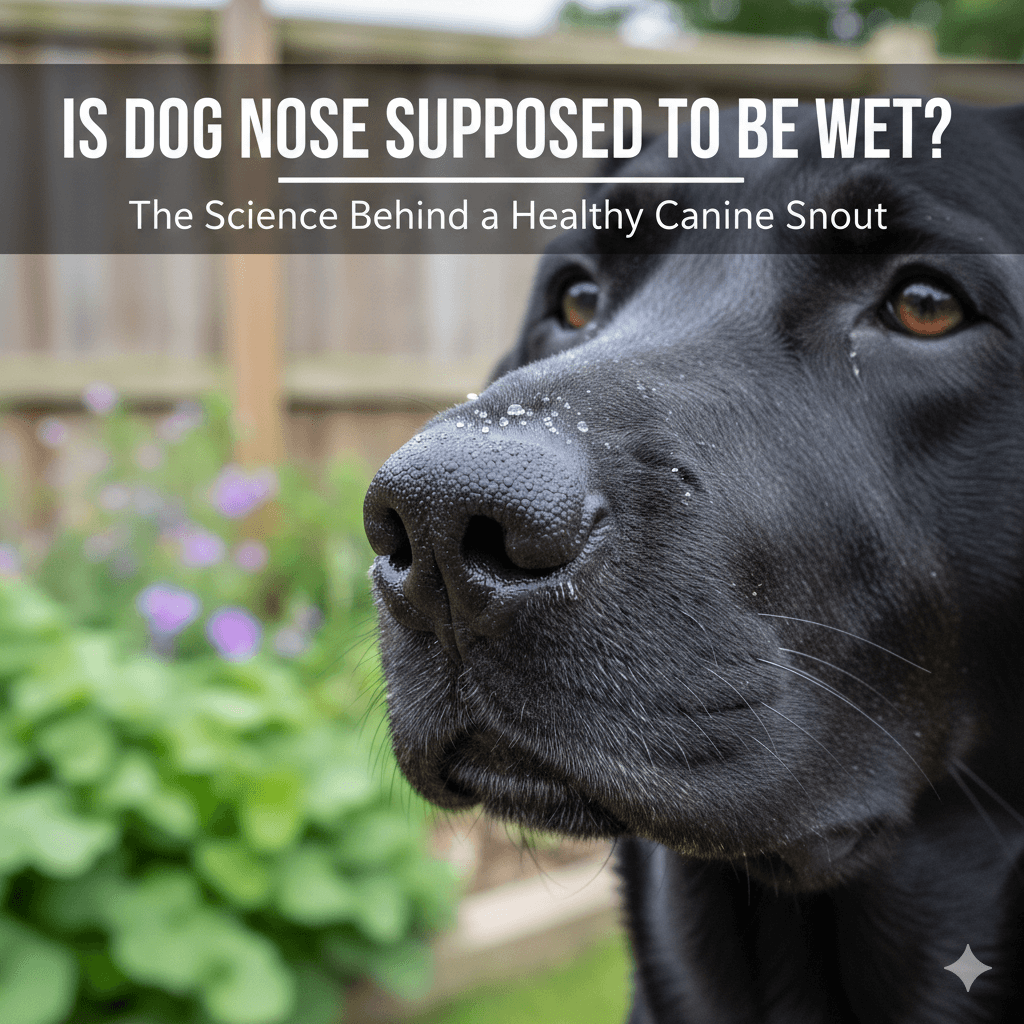

Is Dog Nose Supposed to Be Wet: Best 7 Expert Tips!

Is Dog Nose Supposed to Be Wet: Best 7 Expert Tips!

Is Dog Nose Supposed to Be Wet

A wet nose is often seen as a hallmark of a healthy dog—but is it really that simple? While moisture on your dog’s nose can signal normal function, a dry nose doesn’t automatically mean something’s wrong. Canine nasal health varies throughout the day and depends on environment, activity, and individual traits. Understanding what’s typical for your dog helps separate myth from medical concern. Let’s explore the truth behind this common question with clarity and care.

Why a Dog’s Nose Is Often Wet

A moist nose isn’t just charming—it serves important sensory and physiological purposes. The thin layer of mucus on a dog’s nose helps capture scent particles, enhancing their already extraordinary sense of smell. Additionally, evaporation from the nose aids in temperature regulation. Here’s how nature keeps that signature dampness in place:

 
  • Natural Mucus Production:
    Dogs produce a clear, odorless mucus that coats the nose and boosts scent detection—critical for their interaction with the world.
     
  • Licking Behavior:
    Many dogs instinctively lick their noses, which adds saliva and maintains moisture while also cleaning the surface.
     
  • Tear Duct Drainage:
    The nasolacrimal duct drains a small amount of tears from the eyes to the nose, contributing to consistent dampness.
     
  • Environmental Humidity:
    Cooler, more humid environments naturally help keep a dog’s nose moist compared to dry or heated indoor air.
     
  • Normal Gland Activity:
    Specialized glands in the nasal planum secrete fluids that support both moisture and skin health on the nose surface.
 

This natural wetness is usually nothing to worry about—it’s simply part of how your dog’s body is designed to function optimally.

Is Dog Nose Supposed to Be Wet: Best 7 Expert Tips!

When a Dry Nose Might Be Normal

Contrary to popular belief, a dry nose isn’t always a red flag. In fact, many harmless situations can temporarily reduce nasal moisture without indicating illness. Context matters more than the dryness itself. Consider these everyday scenarios:

 
  • After Waking Up:
    Dogs often have dry noses upon waking, especially after a long nap in a warm or sunny spot.
     
  • Exposure to Sun or Wind:
    Outdoor time on hot, dry, or windy days can naturally dry out the nose—much like chapped lips in humans.
     
  • Low Indoor Humidity:
    Heating systems in winter or air conditioning in summer can create dry air that affects your dog’s nasal skin.
     
  • Age-Related Changes:
    Older dogs may produce less mucus or lick less frequently, leading to a chronically drier—but still healthy—nose.
     
  • Breed-Specific Traits:
    Some breeds, like Bulldogs or Pugs, naturally have drier noses due to facial structure or reduced licking ability.
 

In these cases, dryness alone isn’t a reason for concern—especially if your dog is otherwise bright, eating well, and behaving normally.

Healthy Nose Indicators
Warning Signs to Monitor
Moist or slightly dry texture
Cracked, flaky, or peeling skin
Pink or black pigmentation (based on breed)
Loss of pigment or unusual discoloration
Cool to room temperature
Warm, hot, or swollen nose
No discharge or only clear fluid
Yellow, green, or bloody nasal discharge
Normal breathing and energy
Sneezing, wheezing, or lethargy

Medical Conditions That Affect Nose Moisture

While temporary dryness is usually benign, certain health issues can alter nose condition in noticeable ways. These conditions often come with additional symptoms beyond just dryness, so always look at the full picture:

 
  • Canine Distemper:
    This serious viral illness can cause a dry, cracked nose along with fever, eye discharge, and neurological signs—especially in unvaccinated dogs.
     
  • Autoimmune Disorders:
    Conditions like pemphigus or lupus may lead to crusting, ulceration, or pigment loss on the nose, often requiring lifelong management.
     
  • Allergies or Contact Dermatitis:
    Plastic bowls, cleaning products, or pollen can irritate the nose, causing dryness, redness, or sores.
     
  • Sunburn (Solar Dermatitis):
    Light-colored or thin-coated dogs can develop sunburn on the nose, leading to dryness, redness, or even precancerous changes.
     
  • Upper Respiratory Infections:
    Viral or bacterial infections may start with a runny nose that later becomes dry as inflammation changes, often accompanied by sneezing or coughing.
 

If nose changes persist or worsen over several days, a veterinary exam helps rule out underlying disease.

How to Care for Your Dog’s Nose

Supporting your dog’s nasal health doesn’t require complex routines—just awareness and a few gentle habits. Regular observation and simple care can keep their nose comfortable year-round:

 
  • Use a Pet-Safe Balm:
    If the nose is dry or cracked, apply a vet-approved moisturizer (like Snout Soother or coconut oil in small amounts) to soothe skin.
     
  • Switch to Stainless Steel or Ceramic Bowls:
    These reduce the risk of contact allergies that might irritate the nose during meals.
     
  • Limit Midday Sun Exposure:
    For light-nosed dogs, avoid peak sun hours or use dog-safe sunscreen on the nose when outdoors.
     
  • Stay Up to Date on Vaccinations:
    Core vaccines, especially for distemper, prevent serious illnesses that can affect nasal health.
     
  • Hydrate Well:
    Ensure constant access to fresh water—good overall hydration supports skin and mucous membrane health, including the nose.
 

Consistent, low-effort care goes a long way in maintaining your dog’s natural comfort and resilience.

Myths vs. Facts About Dog Nose Moisture

Misinformation about the “wet nose = healthy” rule persists, leading to unnecessary worry. Separating fact from folklore helps you make informed decisions without falling for outdated beliefs:

 
  • Myth: A dry nose always means fever.
    Fact: Body temperature must be measured with a thermometer—nose dryness correlates poorly with actual fever.
     
  • Myth: Only sick dogs have dry noses.
    Fact: Healthy dogs can have dry noses after sleeping, exercising, or being in dry environments.
     
  • Myth: A wet nose means your dog is fine.
    Fact: Dogs with serious illnesses like heart failure or kidney disease can still have wet noses—never rely on it alone.
     
  • Myth: You should apply human lotion to a dry nose.
    Fact: Many human products contain toxic ingredients like zinc or fragrances—never use them on pets.
     
  • Myth: Nose texture doesn’t change with age.
    Fact: Older dogs often develop naturally drier, rougher noses as part of normal aging—similar to human skin.
 

Understanding these truths empowers you to assess your dog’s health more accurately and respond appropriately.

Breed-Specific Nose Considerations

Not all dogs have the same nasal needs—facial structure and coat color influence both moisture levels and vulnerability to certain conditions. Tailoring care to your dog’s breed enhances their well-being:

 
  • Brachycephalic Breeds (e.g., French Bulldogs, Pugs):
    Their flat faces make nose-licking difficult, often resulting in chronically drier noses that need extra moisturizing.
     
  • Dogs with Pink or Light Noses (e.g., Siberian Huskies, Collies):
    These are more prone to sunburn and solar dermatitis, requiring sun protection in bright conditions.
     
  • Working or Outdoor Breeds (e.g., German Shepherds, Pointers):
    Frequent exposure to weather elements can lead to seasonal dryness or chapping, especially in winter.
     
  • Hairless or Thin-Coated Breeds (e.g., Chinese Crested):
    Less overall skin protection means the nose may dry out faster and need regular conditioning.
     
  • Senior Dogs of Any Breed:
    Reduced oil production and less frequent grooming behavior often lead to a naturally drier nose in older age.
 

Recognizing your dog’s unique traits helps you provide personalized, effective care.

When to Call the Veterinarian

While most nose changes are harmless, certain signs warrant professional evaluation. Trust your instincts—if something feels “off,” it’s worth a check-up. Seek veterinary advice if you notice:

 
  • Cracking or Bleeding:
    Deep fissures or open sores on the nose that don’t improve with basic care.
     
  • Persistent Discharge:
    Thick, colored, or bloody mucus from one or both nostrils lasting more than a day or two.
     
  • Behavioral Changes:
    Lethargy, loss of appetite, or pawing at the face alongside nose changes.
     
  • Pigment Loss:
    Sudden or progressive fading of nose color, especially if accompanied by crusts or ulcers.
     
  • Difficulty Breathing:
    Noisy breathing, snorting, or visible effort to inhale could indicate nasal obstruction or inflammation.
 

Early intervention often prevents minor issues from becoming serious—and gives you peace of mind.

“This historic belief is not true across the board. There are many factors that can cause a wet or dry nose in dogs,” explains Dr. Erin Ray

Frequently Asked Questions About Dog Nose Moisture

Is it bad if my dog’s nose is dry in the morning?

No—this is completely normal, especially after sleep in a warm room. Moisture usually returns once they’re active and hydrated.

Yes, in small amounts. Virgin, unrefined coconut oil is generally safe, but avoid overuse and never use if your dog licks excessively.

Not necessarily. Dehydrated dogs can still have wet noses. Check gums, skin elasticity, and energy levels for true hydration status.

Some dogs experience “snow nose” or “winter nose”—a harmless, temporary lightening of pigment during colder months that reverses in spring.

If it’s just dryness, probably not. But if there’s discharge, swelling, or sores on one side, it could signal infection or a foreign body.

Embracing Your Dog’s Unique Nose—Wet or Dry

Your dog’s nose—whether glistening or dry—is a window into their individuality, not just their health. While moisture plays a role in their incredible scenting ability, it’s only one small piece of their overall well-being. What matters most is knowing your dog’s baseline: how their nose normally looks, feels, and functions. By observing with love and responding with knowledge, you honor their unique biology without falling for myths. Whether damp or dry, that nose has led them to you through countless scents and seasons—and that’s something worth protecting with both wisdom and warmth.

Is Rawhide Bad for Cats? Best 7 Expert Tips!

Is Rawhide Bad for Cats? Best 7 Expert Tips! – Discover the risks, safe alternatives, and expert advice to keep your feline friend healthy and happy.

Is Rawhide Bad for Dogs? Best 7 Expert Tips!

Is Rawhide Bad for Dogs? Best 7 Expert Tips! – Discover the risks, benefits, and safer alternatives to rawhides for your dog’s chewing needs.

Understanding Anorexia in Cats: Best 7 Expert Tips!

Understanding Anorexia in Cats: Best 7 Expert Tips! – Learn why cats stop eating, spot warning signs, and discover how to help your feline regain appetite safely.

Understanding Anorexia in Dogs: Best 7 Expert Tips!

Understanding Anorexia in Dogs: Best 7 Expert Tips! – Learn causes, symptoms, and solutions to help your dog regain appetite and stay healthy.

Leave a Reply

Your email address will not be published. Required fields are marked *