
Is Breeding Dogs Bad?
Arguments Against Dog Breeding
- Overpopulation in Shelters:
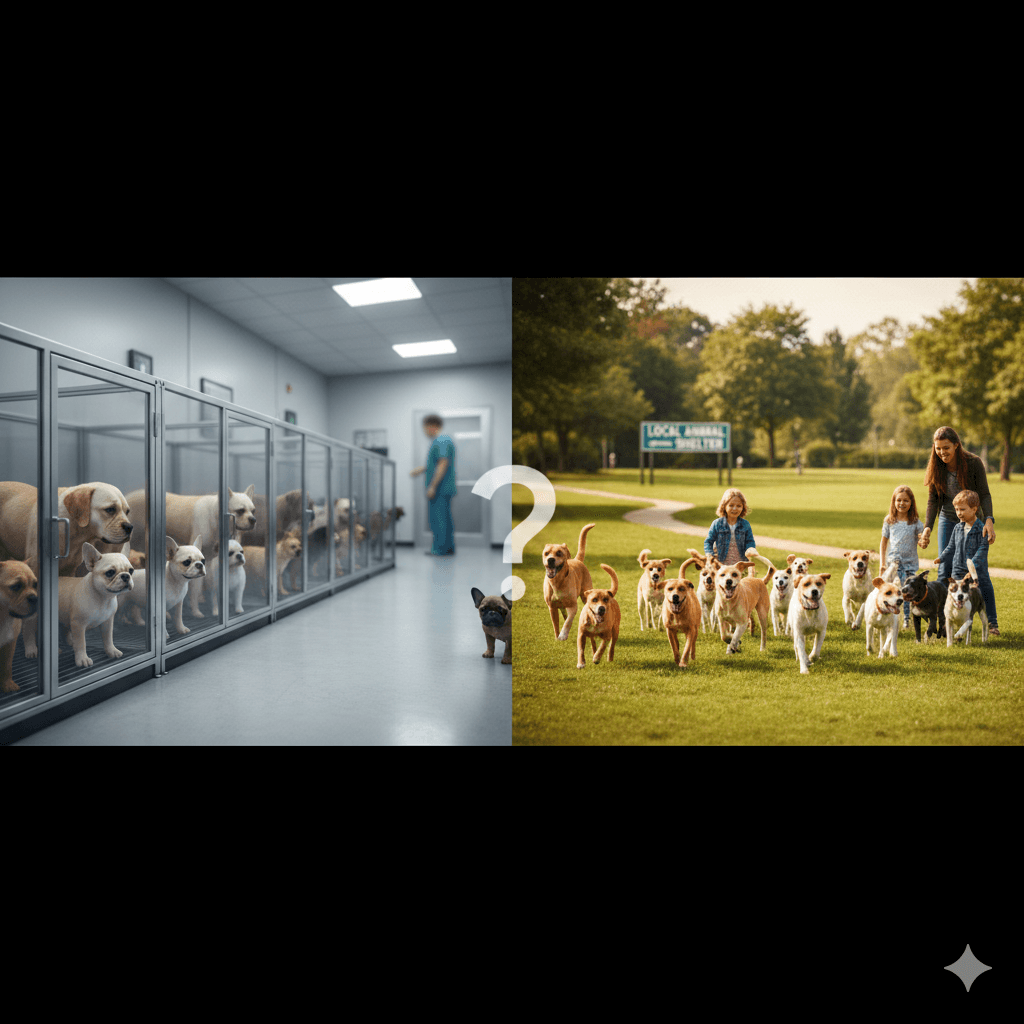
Millions of dogs enter shelters each year, many of which are euthanized due to lack of space or resources. Breeding adds to this crisis by producing puppies while countless dogs await adoption. - Health Risks from Inbreeding:
Irresponsible breeders often prioritize appearance over health, leading to genetic disorders like hip dysplasia, heart conditions, or breathing problems in certain breeds. - Focus on Profit Over Welfare:
Puppy mills and backyard breeders prioritize financial gain, neglecting proper care, socialization, and health testing, resulting in suffering for both parent dogs and puppies. - Ethical Concerns About Exploitation:
Some activists argue that breeding animals for human purposes commodifies them, reducing their intrinsic value as living beings rather than companions. - Environmental Impact:
The resources required to care for bred dogs, including food, medical care, and waste management, contribute to environmental degradation compared to adopting existing pets.
Benefits of Responsible Dog Breeding
- Preservation of Rare Breeds:
Responsible breeders help maintain genetic diversity and prevent extinction of rare or working breeds with unique skills or characteristics. - Health Testing and Genetic Improvement:
Ethical breeders conduct rigorous health screenings to minimize hereditary diseases, ensuring healthier generations of dogs. - Socialization and Training:
Puppies from reputable breeders are raised in nurturing environments, receiving early socialization and training that prepares them for family life. - Meeting Specific Needs:
Certain breeds excel in roles like service work, herding, or therapy; responsible breeding ensures these dogs remain available for specialized tasks. - Support for Breed Clubs and Standards:
Breeders often collaborate with kennel clubs to uphold ethical standards, educate others, and promote responsible ownership practices.
Check this guide 👉Africanis Dog Breed: Best 7 Expert Tips!
Check this guide 👉Shepherd Dog Breeds: Best 7 Expert Tips!
Check this guide 👉Swedish Dog Breeds: Best 7 Expert Tips!
Adoption | Buying from Ethical Breeders |
|---|---|
Saves lives by giving shelter dogs homes | Ensures predictability in size, temperament, and traits |
Typically more affordable upfront costs | Includes health guarantees and breeder support |
Dogs often come spayed/neutered and vaccinated | Allows selection based on breed-specific roles (e.g., service or herding) |
May involve unknown medical or behavioral history | Requires thorough research to avoid unethical breeders |
Reduces strain on overcrowded shelters | Preserves rare breeds and promotes genetic diversity |
The Role of Puppy Mills in the Debate
- Poor Living Conditions:
Dogs in puppy mills are often kept in cramped, unsanitary cages without access to proper veterinary care or exercise. - Lack of Socialization:
Puppies raised in mills rarely receive human interaction, leading to behavioral issues and difficulty adapting to family life. - Health Problems in Puppies:
Mills frequently skip health testing, resulting in puppies prone to congenital diseases, parasites, or infections. - Exploitation of Parent Dogs:
Breeding dogs endure continuous cycles of pregnancy and neglect until they’re no longer profitable, then abandoned or euthanized. - Fueling Overpopulation:
Puppy mills flood the market with poorly bred dogs, increasing shelter intake rates and straining already limited resources.
Adoption vs. Buying from Breeders
- Adoption Saves Lives:
Choosing a shelter dog reduces overcrowding and gives a second chance to animals in need, many of whom are loving and trainable. - Predictability with Breeders:
Buying from ethical breeders allows buyers to select a dog based on temperament, size, and activity level suited to their lifestyle. - Cost Considerations:
Adopting is typically cheaper than buying from a breeder, though initial costs don’t always reflect long-term expenses like training or vet bills. - Health Guarantees:
Reputable breeders offer health guarantees and support, whereas shelter dogs may come with unknown medical histories. - Emotional Satisfaction:
Some feel fulfillment in rescuing a dog, while others appreciate knowing their puppy’s lineage and background.
Ethical Guidelines for Responsible Dog Breeding
- Health Testing for Parents:
Both sire and dam should undergo comprehensive health screenings to rule out hereditary diseases before mating. - Limited Litter Frequency:
Responsible breeders allow ample recovery time between litters, avoiding overbreeding and protecting the mother’s health. - Proper Housing and Care:
Parent dogs live in clean, spacious environments with regular veterinary check-ups and opportunities for exercise. - Commitment to Puppies’ Futures:
Ethical breeders screen potential owners, provide lifelong support, and take back dogs if rehoming becomes necessary. - Collaboration with Kennel Clubs:
Membership in recognized organizations ensures adherence to high standards and fosters transparency within the breeding community.
Public Perception and Misconceptions About Dog Breeding
- Assumption That All Breeders Are Bad:
Many lump all breeders together, failing to distinguish between ethical professionals and exploitative operations like puppy mills. - Belief That Adoption Is Always Better:
While adoption saves lives, not everyone finds their ideal match in shelters, particularly those seeking specific breeds or temperaments. - Misunderstanding Breed-Specific Traits:
Critics sometimes dismiss purebred dogs without acknowledging how selective breeding preserves valuable traits for working or companion roles. - Underestimating Responsible Practices:
Few realize the effort ethical breeders invest in health testing, socialization, and ongoing support for puppy owners. - Bias Toward Mixed-Breed Dogs:
Some assume mixed-breed dogs are inherently healthier, ignoring the importance of genetics and responsible breeding in any dog’s longevity.
Finding Common Ground in the Debate
- Promoting Education and Awareness:
Educating prospective owners about responsible breeding and adoption fosters informed decisions and reduces impulse purchases. - Encouraging Transparency in Breeding:
Breeders who openly share health records and adhere to ethical standards build trust and dispel negative stereotypes. - Supporting Legislation Against Abuse:
Advocacy for stricter laws targeting puppy mills and irresponsible breeders protects vulnerable animals and strengthens public trust. - Funding Rescue Efforts:
Ethical breeders can partner with shelters to sponsor spay/neuter programs, fund adoptions, or assist abandoned dogs of their breed. - Celebrating Shared Values:
Both sides ultimately want happy, healthy dogs; focusing on this shared goal encourages cooperation rather than division.
“Breeding dogs solely for their physical appearance in order to increase profits is itself a real form of animal abuse.” – David J. Menor-Campos
Frequently Asked Questions About Dog Breeding
Is all dog breeding unethical?
No, ethical breeding prioritizes health, temperament, and welfare, but irresponsible practices like puppy mills harm animals and tarnish the industry’s reputation.
What makes a breeder “responsible”?
Responsible breeders conduct health tests, limit litter frequency, provide proper care, and offer lifelong support to puppy owners.
How can I find an ethical breeder?
Does adopting eliminate the need for breeding?
While adoption saves lives, ethical breeding preserves rare breeds and meets specific needs that shelter dogs may not fulfill.
Are purebred dogs less healthy than mixed breeds?
Not necessarily; responsible breeding minimizes genetic disorders, whereas poor breeding practices (in any dog) increase health risks.
A Balanced Perspective on Dog Breeding

Is Rawhide Bad for Cats? Best 7 Expert Tips! – Discover the risks, safe alternatives, and expert advice to keep your feline friend healthy and happy.

Is Rawhide Bad for Dogs? Best 7 Expert Tips! – Discover the risks, benefits, and safer alternatives to rawhides for your dog’s chewing needs.

Understanding Anorexia in Cats: Best 7 Expert Tips! – Learn why cats stop eating, spot warning signs, and discover how to help your feline regain appetite safely.

Understanding Anorexia in Dogs: Best 7 Expert Tips! – Learn causes, symptoms, and solutions to help your dog regain appetite and stay healthy.