
Is Breeding Cats Bad?
The Ethical Debate Surrounding Cat Breeding
- Overpopulation Concerns:
Millions of cats end up in shelters each year due to overpopulation, with many facing euthanasia due to lack of homes. Irresponsible breeding exacerbates this problem by adding to the surplus of cats without ensuring proper care or placement. - Irresponsible Breeding Practices:
Backyard breeders and kitten mills prioritize profit over animal welfare, often neglecting health screenings, vaccinations, and proper living conditions. This leads to genetic disorders, behavioral issues, and shortened lifespans for the cats involved. - Responsible Breeding as a Solution:
Ethical breeders focus on preserving rare breeds, improving genetic diversity, and ensuring the health of their cats. They follow strict guidelines, including health testing, spaying/neutering non-breeding cats, and finding suitable homes for kittens. - Adoption vs. Breeding:
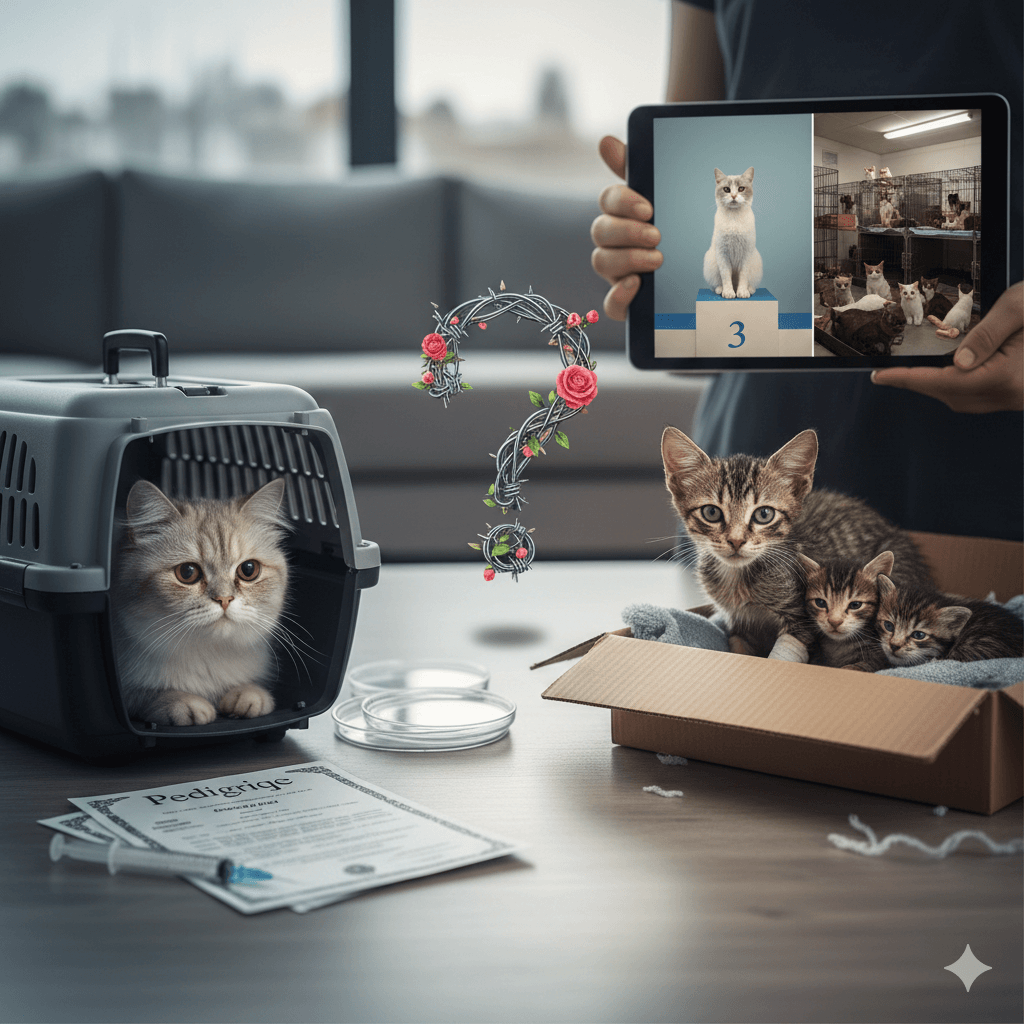
Critics argue that breeding detracts from adoption efforts, as millions of cats in shelters are already waiting for homes. Encouraging adoption over breeding could reduce the number of homeless cats and promote sustainable pet ownership. - Cultural and Historical Context:
Breeding has historically been a way to develop specific traits, such as hypoallergenic coats or unique appearances. However, modern perspectives emphasize the moral responsibility of prioritizing animal welfare over aesthetic preferences.
Environmental Impact of Cat Breeding
- Resource Consumption:
Breeding operations require food, water, litter, and medical supplies, all of which strain natural resources. Producing and transporting these materials contributes to carbon emissions and environmental degradation. - Waste Management Challenges:
Cats produce fecal waste that must be disposed of properly. Large-scale breeding facilities may struggle to manage this waste responsibly, leading to pollution and contamination risks. - Impact on Wildlife:
Domestic cats, especially those allowed outdoors, prey on birds, small mammals, and insects, disrupting local ecosystems. Increased cat populations through breeding intensify this ecological imbalance. - Energy Use in Facilities:
Heating, cooling, and maintaining breeding facilities consume significant energy, contributing to greenhouse gas emissions and climate change. Sustainable practices are rarely prioritized in commercial breeding. - Sustainable Alternatives:
Encouraging spaying/neutering programs and promoting adoption reduces the need for breeding, thereby minimizing resource use and environmental harm. Supporting eco-friendly pet products further mitigates negative impacts.
Check this guide 👉Portuguese Cat Breeds: Best 7 Expert Tips!
Check this guide 👉Most Popular Cat Breeds: Best 7 Expert Tips!
Check this guide 👉Energetic Cat Breeds: Best 7 Expert Tips!
Lorem ipsum dolor sit amet, consectetur adipiscing elit. Ut elit tellus, luctus nec ullamcorper mattis, pulvinar dapibus leo.
Health Risks Associated with Breeding Cats
- Genetic Disorders:
Inbreeding within certain breeds increases the likelihood of inherited diseases, such as polycystic kidney disease (PKD) in Persians or hypertrophic cardiomyopathy (HCM) in Maine Coons. - Complications During Pregnancy:
Pregnancy and birth pose physical challenges for female cats, including dystocia (difficult labor), infections, and nutritional deficiencies if not properly cared for. - Shortened Lifespans:
Frequent breeding strains a cat’s body, reducing its lifespan and overall quality of life. Female cats subjected to repeated pregnancies may suffer long-term health consequences. - Behavioral Issues in Kittens:
Kittens born into stressful environments or separated from their mothers too early may develop anxiety, aggression, or other behavioral problems later in life. - Lack of Veterinary Oversight:
Irresponsible breeders often skip essential veterinary care, such as vaccinations, deworming, or spaying/neutering, leaving cats vulnerable to preventable illnesses.
Economic Implications of Cat Breeding
- High Costs for Buyers:
Purebred kittens often come with hefty price tags, ranging from hundreds to thousands of dollars, depending on breed rarity and demand. This excludes ongoing costs like food, vet care, and grooming. - Profit Motives vs. Welfare:
Commercial breeders may prioritize profit over animal well-being, cutting corners on care and housing to maximize earnings. This undermines trust in the breeding industry. - Shelter Strain and Taxpayer Burden:
Overpopulation caused by irresponsible breeding increases shelter intake, burdening taxpayers who fund municipal animal control services. - Supporting Ethical Breeders:
Investing in reputable breeders who prioritize ethics ensures healthier cats and better outcomes for buyers willing to pay premium prices. - Economic Benefits of Adoption:
Adopting cats from shelters is more cost-effective than purchasing purebreds, as adoption fees typically cover initial vet care and vaccinations.
Psychological Effects on Breeding Cats
- Stress and Anxiety:
Frequent pregnancies, confinement, and separation from kittens cause chronic stress, manifesting in behaviors like pacing, excessive grooming, or aggression. - Maternal Bond Disruption:
Removing kittens too early disrupts the maternal bond, causing emotional distress for mother cats and developmental delays for kittens. - Depression in Retired Breeders:
Once deemed “unproductive,” breeding cats may be abandoned or neglected, leading to depression and feelings of abandonment. - Impact on Kitten Socialization:
Kittens raised in suboptimal environments miss critical socialization periods, affecting their ability to adapt to human households and form bonds. - Emotional Toll on Owners:
Witnessing the suffering of breeding cats or dealing with behavioral issues in poorly bred kittens can emotionally drain owners, fostering regret and guilt.
Legal and Regulatory Challenges in Cat Breeding
- Licensing Requirements:
Many regions mandate licenses for breeders, requiring adherence to specific standards regarding housing, healthcare, and record-keeping. Non-compliance results in fines or shutdowns. - Breed-Specific Legislation:
Some areas restrict or ban breeding of certain breeds deemed dangerous or prone to genetic disorders, aiming to reduce associated risks. - Enforcement Difficulties:
Understaffed animal control agencies struggle to monitor unlicensed backyard breeders and enforce existing laws effectively. - Public Pressure for Reform:
Animal rights organizations advocate for stricter breeding regulations, pushing lawmakers to address overpopulation, cruelty, and unethical practices. - Global Variations in Laws:
Regulations vary widely across countries, with some imposing strict bans on commercial breeding and others offering minimal oversight.
Alternatives to Traditional Cat Breeding
- Spaying and Neutering Programs:
Low-cost spay/neuter initiatives reduce unwanted litters and alleviate shelter overcrowding, promoting sustainable pet ownership. - Fostering and Rescue Networks:
Volunteer-driven rescue organizations provide temporary homes for abandoned or surrendered cats, preparing them for adoption into loving families. - Promoting Mixed-Breed Cats:
Mixed-breed cats, often healthier and more adaptable than purebreds, deserve recognition and appreciation as excellent companions. - Education Campaigns:
Raising awareness about the realities of breeding fosters informed decisions, encouraging people to adopt rather than shop for pets. - Supporting Ethical Breeders:
For those seeking purebreds, supporting ethical breeders who prioritize animal welfare ensures responsible practices and healthier cats.
“Because there are homeless animals awaiting adoption in almost every community in the nation, the ASPCA firmly believes that when people decide to bring a pet into their homes, they should first consider adoption from a shelter or rescue group.”www.aspca.org
Frequently Asked Questions About Cat Breeding
Is it ethical to breed cats?
Ethical breeding depends on the breeder’s practices. Responsible breeders prioritize animal welfare, health testing, and finding suitable homes, while irresponsible breeding contributes to overpopulation and suffering.
What are the alternatives to breeding cats?
Adopting from shelters, fostering abandoned cats, and supporting spay/neuter programs are sustainable alternatives that reduce overpopulation and promote ethical pet ownership.
How does cat breeding affect the environment?
Breeding increases resource consumption, waste production, and ecological footprints. Encouraging adoption and reducing breeding can help mitigate these environmental impacts.
Are purebred cats healthier than mixed-breed cats?
What should I look for in an ethical breeder?
A Balanced Perspective on Cat Breeding

Is Rawhide Bad for Cats? Best 7 Expert Tips! – Discover the risks, safe alternatives, and expert advice to keep your feline friend healthy and happy.

Is Rawhide Bad for Dogs? Best 7 Expert Tips! – Discover the risks, benefits, and safer alternatives to rawhides for your dog’s chewing needs.

Understanding Anorexia in Cats: Best 7 Expert Tips! – Learn why cats stop eating, spot warning signs, and discover how to help your feline regain appetite safely.

Understanding Anorexia in Dogs: Best 7 Expert Tips! – Learn causes, symptoms, and solutions to help your dog regain appetite and stay healthy.