Is Aspirin Toxic to Cats: Best 7 Expert Tips!

Is Aspirin Toxic to Cats: Best 7 Expert Tips!

Is Aspirin Toxic to Cats: Best 7 Expert Tips!

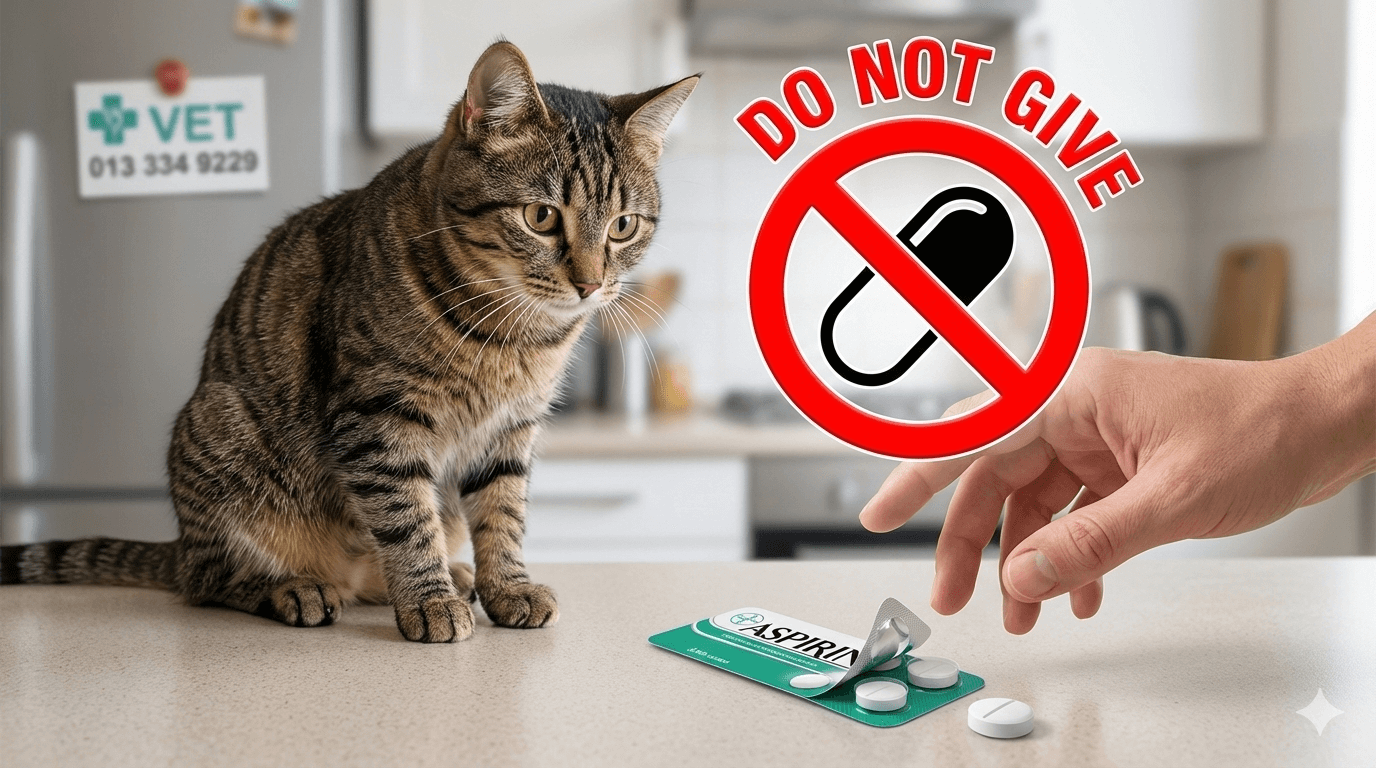
Aspirin may be a common household remedy for humans, but for cats, it can be dangerously toxic—even in tiny doses. Feline physiology processes medications very differently than humans or even dogs, making many over-the-counter drugs potentially life-threatening. Understanding why aspirin poses such a serious risk to cats, recognizing early signs of poisoning, and knowing safer alternatives can save your cat’s life. While veterinary guidance is essential before giving any medication, awareness is your first line of defense.

Why Aspirin Is Especially Dangerous for Cats

Cats lack certain liver enzymes needed to metabolize aspirin efficiently, causing the drug to linger in their system far longer than in other species. This slow clearance dramatically increases the risk of overdose, even with a single “human-safe” dose. The consequences can range from stomach ulcers to kidney failure or death. Consider these critical facts before ever considering aspirin for your feline friend:

 
  • Inefficient Drug Metabolism:
    Cats process aspirin up to 10 times slower than humans due to a deficiency in glucuronyl transferase—an enzyme essential for drug detoxification.
     
  • High Risk of Gastrointestinal Ulcers:
    Aspirin inhibits protective prostaglandins in the stomach lining, which can lead to vomiting, black tarry stools, or internal bleeding within hours.
     
  • Kidney and Liver Stress:
    Prolonged exposure—even at low doses—can overwhelm the kidneys and liver, especially in older cats or those with preexisting conditions.
     
  • Respiratory and Neurological Effects:
    High blood levels of aspirin may cause rapid breathing, lethargy, seizures, or coma as toxicity progresses.
     
  • No Safe “Home Dose” Exists:
    Unlike dogs, where veterinarians sometimes prescribe buffered aspirin under strict protocols, cats rarely receive aspirin due to its narrow safety margin.
 

Because of these risks, aspirin should never be given to a cat without explicit, direct instruction from a veterinarian—and even then, only under close monitoring.

Is Aspirin Toxic to Cats: Best 7 Expert Tips!

Signs of Aspirin Toxicity in Cats

Early detection of aspirin poisoning is crucial for successful treatment. Symptoms can appear within 4 to 12 hours and worsen rapidly. If your cat has had any access to aspirin—even a chewed-up bottle or dropped pill—watch for these warning signs:

 
  • Vomiting (Sometimes with Blood):
    One of the earliest and most common signs, often accompanied by drooling or retching.
     
  • Loss of Appetite and Weakness:
    Your cat may hide, refuse food, or seem unusually listless or unresponsive.
     
  • Pale or Yellow Gums:
    Pale gums suggest anemia or poor circulation; yellowing (jaundice) indicates liver damage.
     
  • Difficulty Breathing or Rapid Breathing:
    Aspirin toxicity can cause metabolic acidosis, leading to labored or fast respiration.
     
  • Neurological Changes:
    Wobbliness, tremors, disorientation, or seizures signal advanced toxicity affecting the brain.
 

If you observe any of these symptoms—and suspect aspirin exposure—contact your veterinarian or an animal poison control center immediately. Time is critical.

Safe Pain Management Options
Dangerous Human Medications to Avoid
Prescription NSAIDs formulated for cats (e.g., meloxicam at vet dose)
Aspirin (acetylsalicylic acid)
Gabapentin (for nerve or chronic pain, vet-prescribed)
Ibuprofen (Advil, Motrin)
Buprenorphine (opioid alternative, used under supervision)
Acetaminophen (Tylenol)—extremely lethal
Physical therapy or acupuncture (for arthritis support)
Naproxen (Aleve)
Omega-3 supplements (anti-inflammatory support with vet approval)
Any “leftover” human painkiller without vet guidance

What to Do If Your Cat Ingests Aspirin

Accidental ingestion—whether from a dropped pill or curiosity—requires immediate action. Do not wait for symptoms to appear. Your swift response can mean the difference between recovery and tragedy:

 
  • Remove Any Remaining Pills:
    Secure the area and check your cat’s mouth for pill fragments (do not force fingers deep into the throat).
     
  • Call Your Veterinarian or Poison Control:
    Contact the ASPCA Animal Poison Control Center (888-426-4435) or Pet Poison Helpline (855-764-7661) right away—even if your cat seems fine.
     
  • Do Not Induce Vomiting at Home:
    Unlike in humans, inducing vomiting in cats can be dangerous and should only be done under professional guidance.
     
  • Bring the Medication Bottle:
    If you go to the vet, bring the aspirin packaging to confirm the dose, formulation, and active ingredients.
     
  • Expect Supportive Care:
    Treatment may include activated charcoal, IV fluids, blood tests, gastroprotectants, and hospitalization to stabilize your cat.
 

Early veterinary intervention significantly improves survival rates—never assume “a little won’t hurt.”


Safe Alternatives for Pain and Inflammation in Cats

If your cat is in pain—whether from arthritis, injury, or post-surgery—never substitute human medications. Instead, rely on feline-specific solutions approved by your veterinarian:

 
  • Veterinary-Approved NSAIDs:
    Meloxicam may be used at extremely low, controlled doses for short-term use under strict supervision.
     
  • Opioid-Based Medications:
    Drugs like buprenorphine offer effective pain relief with minimal GI side effects when dosed correctly.
     
  • Non-Drug Therapies:
    Laser therapy, gentle massage, heated beds, or orthopedic bedding can ease discomfort without medication.
     
  • Joint Supplements:
    Glucosamine, chondroitin, and green-lipped mussel extract may support joint health over time (always choose cat-formulated products).
     
  • Weight Management:
    Keeping your cat at a healthy weight reduces stress on joints and lowers inflammation naturally.
 

Always consult your vet before starting any new supplement or therapy—even “natural” ones can interact with conditions or medications.

Preventing Accidental Aspirin Exposure

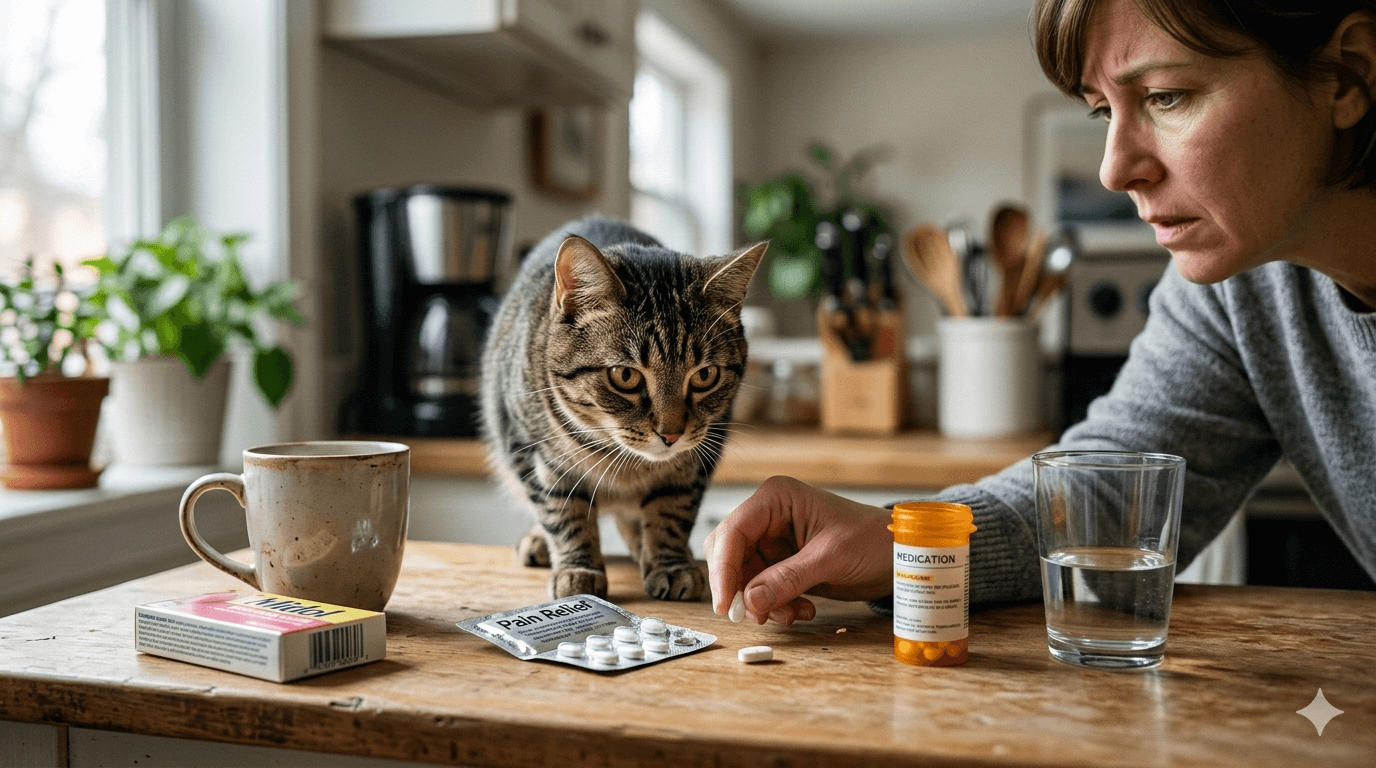
Prevention is the safest strategy. Most cases of aspirin toxicity happen because cats access medicine left on countertops, in purses, or in open bottles. Simple habits can keep your cat safe:

 
  • Store All Medications Securely:
    Use child-proof (and pet-proof) cabinets well out of reach—cats can jump surprisingly high.
     
  • Never Leave Pills Unattended:
    Even a single pill on a nightstand can be fatal if ingested.
     
  • Dispose of Unused Medications Safely:
    Use pharmacy take-back programs instead of tossing pills in the trash where curious paws can reach them.
     
  • Educate Family and Visitors:
    Ensure everyone in your home knows never to give human meds to pets—even “just this once.”
     
  • Use Pill Organizers with Locks:
    If you take daily medications, choose secure containers that resist curious noses and paws.
 

A moment of forgetfulness can lead to an emergency—vigilance protects your cat every day.


Special Risks for Kittens, Seniors, and Cats with Chronic Illness

Certain cats face even higher dangers from aspirin exposure. Their bodies are less resilient to toxins, making even microscopic doses potentially catastrophic:

 
  • Kittens Under One Year:
    Immature liver and kidney function means they process toxins even more slowly than adult cats.
     
  • Senior Cats:
    Age-related decline in organ function increases susceptibility to aspirin-induced damage, especially to kidneys.
     
  • Cats with Kidney or Liver Disease:
    These conditions drastically reduce the ability to clear drugs, turning a small dose into a severe overdose.
     
  • Cats on Other Medications:
    Aspirin can dangerously interact with steroids, other NSAIDs, or certain antibiotics—always disclose all meds to your vet.
     
  • Dehydrated or Frail Cats:
    Poor hydration concentrates toxins in the bloodstream, accelerating organ damage.
 

For these vulnerable groups, zero exposure is the only safe policy.

Key Takeaways for Cat Owners: Aspirin Safety at a Glance

Understanding the dangers of aspirin is essential for every cat guardian. While it’s tempting to reach for familiar human remedies, feline biology makes even tiny exposures risky. Keep these critical reminders top of mind to protect your cat’s health and well-being:

 
  • Never Administer Aspirin Without Veterinary Approval:
    Even a fraction of a human dose can lead to severe toxicity—always consult your vet before giving any medication.
     
  • Store All Medications Out of Reach:
    Cats are curious climbers; secure pill bottles in locked cabinets, not just on high shelves.
     
  • Know the Early Signs of Poisoning:
    Vomiting, lethargy, loss of appetite, or dark stools warrant immediate veterinary attention.
     
  • Avoid “Natural” or “Herbal” Pain Remedies Without Guidance:
    Some plant-based products still contain salicylates or other compounds harmful to cats.
     
  • Have Emergency Contacts Ready:
    Save your vet’s number and the Pet Poison Helpline (855-764-7661) in your phone for rapid response.
 

When it comes to your cat’s health, caution isn’t just wise—it’s lifesaving.

Frequently Asked Questions About Aspirin and Cats

Can a tiny piece of aspirin hurt my cat?

Yes—even one-quarter of a regular-strength aspirin can cause toxicity in a cat. There is no truly safe dose without veterinary supervision.

Saliva contact alone is unlikely to cause harm, but if there’s any chance of ingestion (even residue), call your vet immediately.


No. “Baby” aspirin still contains 81 mg of acetylsalicylic acid—far too much for a cat’s system.

Signs can appear within 4–12 hours, but some effects (like kidney damage) may take 24–72 hours to become evident.

Only those prescribed by your veterinarian. Never keep human painkillers accessible in a home with cats.

Protecting Your Cat from Hidden Dangers

Your cat trusts you to keep their world safe—even from things that seem harmless to you. Aspirin, like many human medications, is a silent threat that can turn a loving home into a danger zone in seconds. By understanding the risks, acting fast in emergencies, and choosing vet-approved alternatives, you honor that trust with knowledge and care. Remember: what soothes you may sicken them. When it comes to your cat’s health, when in doubt, leave it out—and always call your vet first. In the quiet bond between you and your feline companion, prevention isn’t just smart—it’s love in action.

 
Understanding Dog Rehabilitation: Best 7 Expert Tips!

Understanding Dog Rehabilitation: Best 7 Expert Tips! – Discover how targeted therapies and exercises restore mobility, relieve pain, and improve your dog’s quality of life safely.

Can THC Help with Cat Anxiety? Best 7 Expert Tips!

Can THC Help with Cat Anxiety? Best 7 Expert Tips! – Discover the facts, risks, and safe usage of THC for calming your anxious cat. Always consult a vet first!

What Is Toxic to Cats: Best 7 Expert Tips!

What Is Toxic to Cats: Best 7 Expert Tips! – Discover common toxins, recognize symptoms, and learn how to keep your cat safe from harmful substances.

Can THC Help with Dog Anxiety? Best 7 Expert Tips!

Can THC Help with Dog Anxiety? Best 7 Expert Tips! – Discover the effects, risks, and safe use of THC for calming your anxious dog. Consult a vet first!

Leave a Reply

Your email address will not be published. Required fields are marked *

Post Category