
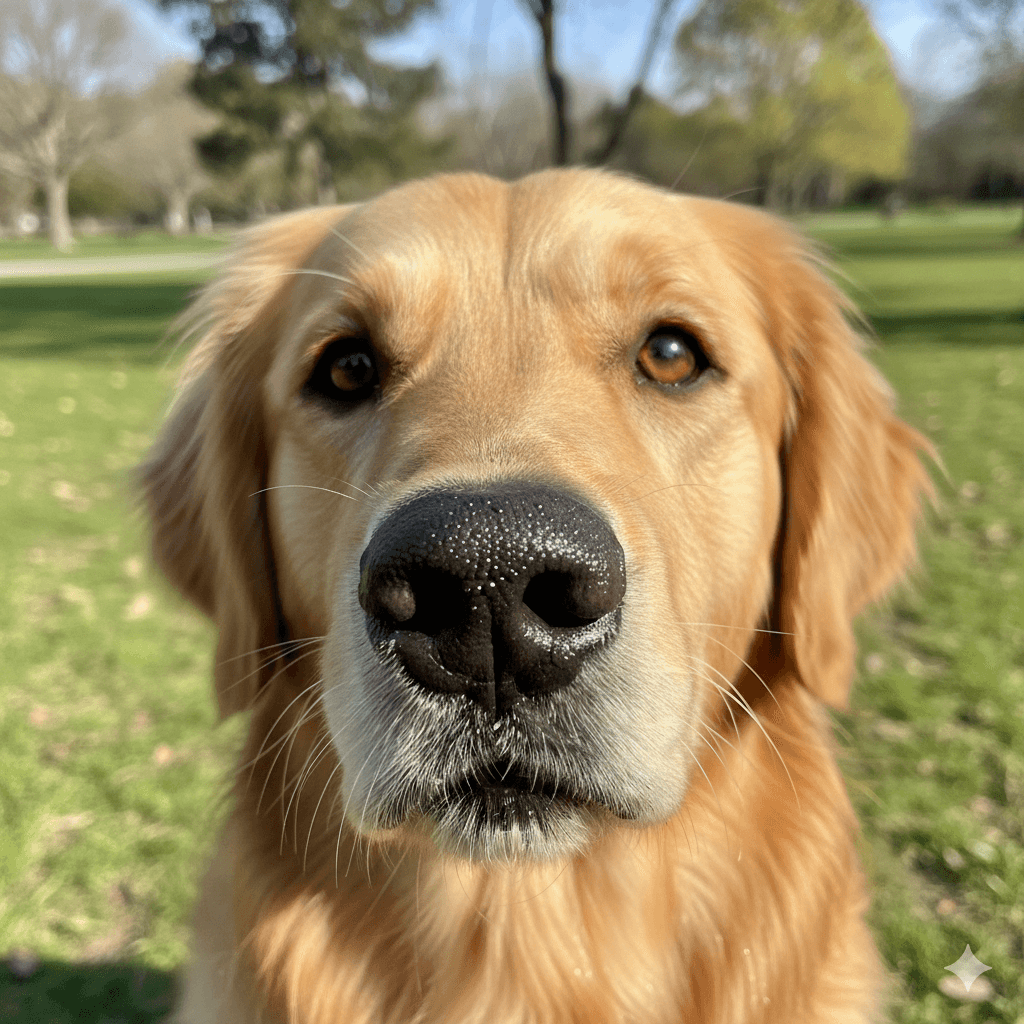

Is a Wet Nose a Sign of a Healthy Dog: Best 7 Expert Tips!
A wet nose is often associated with a happy, healthy pup—but is it really a reliable health indicator? Many pet owners assume a dry nose means illness, while a moist one signals wellness. In truth, a dog’s nose condition varies throughout the day due to environment, activity, and breed. Understanding the nuances helps you avoid unnecessary worry and focus on true signs of health or illness. Let’s explore what really matters when it comes to your dog’s nose.
What Causes a Dog’s Nose to Be Wet or Dry
A dog’s nose moisture level isn’t fixed—it naturally shifts based on behavior, temperature, and hydration. While a cool, damp nose can feel reassuring, it’s not a medical diagnostic tool. These everyday factors play a larger role than most realize:
- Natural Nasal Secretions:
Dogs secrete a thin layer of mucus that helps capture scent particles, enhancing their extraordinary sense of smell. - Licking Behavior:
Many dogs lick their noses regularly, which keeps them moist and also transfers scents to the roof of their mouth for better analysis. - Environmental Humidity:
In dry climates or heated indoor spaces, even perfectly healthy dogs may develop temporarily dry noses. - Sleep Cycles:
A dog’s nose often dries out during sleep simply because they’re not licking it or moving around—this is entirely normal. - Breed-Specific Traits:
Brachycephalic breeds like Pugs or Bulldogs may have drier noses due to their anatomy and reduced ability to reach their snout with their tongue.
Nose wetness alone tells you little about overall health—context and accompanying symptoms matter far more.
When a Dry Nose Might Signal a Problem
While dryness is usually harmless, certain changes warrant closer attention—especially if paired with other unusual signs. A dry nose becomes concerning only in specific scenarios:
- Cracking or Crusting:
Persistent flaking, scabs, or sores on the nose could indicate dermatitis, sunburn, or an autoimmune condition like pemphigus. - Loss of Pigmentation:
Sudden lightening of nose color, especially with texture changes, may point to vitiligo or lupus-related issues. - Nasal Discharge:
Thick, yellow, green, or bloody discharge—especially from one nostril—suggests infection, foreign bodies, or even tumors. - Excessive Sneezing or Pawing:
If your dog repeatedly rubs their face or sneezes violently, it could signal irritation, allergies, or an object stuck in the nasal passage. - Lethargy or Fever Alongside Dryness:
A warm, dry nose paired with low energy, poor appetite, or elevated temperature may reflect systemic illness.
In isolation, a dry nose is rarely alarming—but combined with these red flags, it’s time to consult your vet.
Check this guide 👉Dog Nose Sunburn Treatment: Best 7 Expert Tips!
Check this guide 👉Dog Nose Fungus: Best 7 Expert Tips!
Check this guide 👉Dog Nose Dripping Clear: Best 7 Expert Tips!
Normal Nose Variations | Warning Signs to Watch For |
|---|---|
Moist in the morning, dry by evening | Cracked, bleeding, or ulcerated nose |
Dry after napping or sun exposure | Persistent discharge from one nostril |
Slight texture changes with age | Sudden loss of nose pigment |
Cool and damp during active hours | Frequent pawing at the face |
Temporary dryness in winter months | Dry nose with fever or depression |
Myths vs. Facts About Canine Nose Health
Over the years, several misconceptions have taken root in pet care folklore. Separating myth from science helps you make informed decisions:
- Myth: A Dry Nose Always Means Fever:
In reality, a dog’s temperature must be measured with a thermometer—nose dryness correlates poorly with actual body heat. - Fact: Hydration Affects Nose Moisture—But Indirectly:
While severe dehydration may lead to dry mucous membranes, mild thirst won’t necessarily dry the nose. - Myth: Only Sick Dogs Have Warm Noses:
A dog’s nose temperature fluctuates with ambient heat; it’s not a fever indicator. - Fact: Sun Exposure Can Harm Light-Colored Noses:
Dogs with pink or pale noses are prone to solar dermatitis and even skin cancer without protection. - Myth: You Should Apply Human Moisturizers:
Lotions, balms, or petroleum jelly can be toxic if licked—use only vet-approved nose balms if needed.
Understanding these truths prevents overreaction and promotes better care based on evidence, not old wives’ tales.
How to Support Your Dog’s Overall Health Beyond Nose Checks
Instead of fixating on nose moisture, focus on holistic wellness indicators that truly reflect your dog’s condition:
- Monitor Energy and Behavior:
A healthy dog is alert, responsive, and engaged—lethargy is a far better illness signal than nose dryness. - Check Gum Color and Capillary Refill:
Pink, moist gums that return to color within 2 seconds after pressing indicate good circulation and hydration. - Observe Eating and Drinking Habits:
Sudden changes in appetite or water intake often precede visible physical symptoms. - Maintain Regular Vet Visits:
Preventive care catches issues early, long before external signs like nose changes appear. - Protect Against Sun and Irritants:
Use pet-safe sunscreen on light noses in summer and avoid harsh cleaning chemicals near your dog’s face.
True health shines through consistent habits—not momentary nose conditions.
Breed and Age Considerations for Nose Appearance
Some dogs naturally defy the “wet nose = healthy” stereotype due to genetics or life stage. Knowing your dog’s baseline helps avoid false alarms:
- Northern Breeds Like Huskies:
Often have drier, leathery noses year-round, especially in cold weather—a normal adaptation. - Senior Dogs:
As dogs age, their noses may become gradually drier and less pigmented, which is usually benign. - Hairless or Thin-Skinned Breeds:
Chinese Cresteds or Xoloitzcuintlis may show more visible skin changes, including on the nose. - Dogs with Allergies:
Chronic nasal irritation from environmental allergens can cause intermittent dryness or redness. - Puppies:
Their noses may vary widely in texture as their skin matures—consistency matters more than perfection.
Celebrate your dog’s individuality; their “normal” may look different from other dogs’.
Practical Tips for Nose Care at Home
If you notice persistent dryness or mild irritation, gentle home support can help—without overreacting:
- Use a Vet-Approved Nose Balm:
Products with shea butter, coconut oil, or beeswax (formulated for dogs) can soothe dryness safely. - Limit Midday Sun Exposure:
Walk during cooler hours and provide shade to protect sensitive noses from UV damage. - Keep Bowls Clean:
Plastic food bowls can harbor bacteria that irritate the nose; switch to stainless steel or ceramic. - Avoid Scented Wipes or Sprays:
Fragranced products near the face may cause allergic reactions or discomfort. - Document Changes with Photos:
A monthly nose photo helps you track subtle shifts and share evidence with your vet if needed.
Small, consistent actions support long-term comfort without unnecessary intervention.
Expert Care Tips to Keep Your Dog’s Nose Healthy
While nose moisture isn’t a definitive health meter, proactive care can support your dog’s overall comfort and prevent avoidable issues. These expert-backed habits promote nasal health—especially for sensitive or at-risk breeds:
- Inspect Daily During Petting:
Gently check your dog’s nose while cuddling; look for cracks, scabs, unusual dryness, or discharge as part of routine bonding. - Use Pet-Safe Sun Protection:
Apply a vet-approved, non-toxic sunscreen to light or pink noses before sun exposure to prevent solar dermatitis or skin cancer. - Avoid Plastic Food Bowls:
Switch to stainless steel or ceramic bowls to reduce contact dermatitis and bacterial buildup that can irritate the nose. - Hydrate with Fresh Water Always Available:
Proper hydration supports mucous membrane health—ensure clean water is accessible throughout the day, especially in dry climates. - Never Force Moisturizers Without Guidance:
Human lotions or essential oils can be toxic if ingested; only use nose balms specifically formulated and approved for dogs.
Consistent, gentle attention—not obsession over wetness—is the true key to keeping your dog’s nose in its natural, healthy state.
Frequently Asked Questions About Dog Nose Moisture
Does a wet nose mean my dog is happy?
Not necessarily—while active, curious dogs often have moist noses, happiness is better judged by tail wags, relaxed eyes, and playful behavior.
Can allergies cause a dry nose?
Yes—environmental or food allergies may lead to nasal irritation, itching, and secondary dryness from excessive rubbing.
Should I worry if my dog’s nose is dry in winter?
Usually not—cold, dry air naturally reduces moisture. As long as there’s no cracking or behavioral change, it’s normal.
Is it safe to put coconut oil on my dog’s nose?
Only if it’s 100% pure and your dog won’t lick it excessively; otherwise, use a balm specifically designed to be non-toxic when ingested.
Why is my dog’s nose wet but cold to the touch?
A cool, wet nose is often just a sign of normal nasal secretions and evaporation—nothing to worry about if your dog is otherwise well.
Embracing Your Dog’s Unique Health Story
Your dog’s nose—whether glistening or dry—is just one small piece of their vibrant health puzzle. What truly matters is the whole picture: their energy, appetite, behavior, and overall comfort. By letting go of outdated myths and tuning into your dog’s individual rhythm, you become a more confident, compassionate caregiver. Remember, the best sign of a healthy dog isn’t a wet nose—it’s a wagging tail, bright eyes, and the joyful trust they place in you every single day. Cherish that bond more than any surface-level symptom, and you’ll always know when your pup is truly thriving.
Is Rawhide Bad for Cats? Best 7 Expert Tips! – Discover the risks, safe alternatives, and expert advice to keep your feline friend healthy and happy.

Is Rawhide Bad for Dogs? Best 7 Expert Tips! – Discover the risks, benefits, and safer alternatives to rawhides for your dog’s chewing needs.

Understanding Anorexia in Cats: Best 7 Expert Tips! – Learn why cats stop eating, spot warning signs, and discover how to help your feline regain appetite safely.

Understanding Anorexia in Dogs: Best 7 Expert Tips! – Learn causes, symptoms, and solutions to help your dog regain appetite and stay healthy.