

Is a Giant Schnauzer a Good Guard Dog? Unleashing the Truth
When it comes to choosing a guard dog, many people look for breeds that are not only loyal but also intelligent, alert, and physically capable. The Giant Schnauzer, with its impressive size and commanding presence, often comes up as a top contender. But is a Giant Schnauzer truly a good guard dog? In this blog post, we’ll explore the characteristics that make this breed stand out as a protector, delve into their temperament, and provide insights into what it takes to harness their guarding instincts. Whether you’re considering adding a Giant Schnauzer to your family or simply curious about their protective nature, this guide will answer all your questions.
Key Traits That Make Giant Schnauzers Excellent Guard Dogs
Giant Schnauzers possess several innate qualities that make them naturally suited for guarding duties. Their combination of physical strength, intelligence, and loyalty creates the perfect foundation for a reliable guard dog. Here’s a closer look at what sets them apart.
Alertness:
Giant Schnauzers are highly vigilant and always aware of their surroundings. They notice even the slightest changes in their environment, making them excellent watchdogs.Loyalty:
These dogs form strong bonds with their families and are deeply protective of their loved ones. Their loyalty ensures they’ll go above and beyond to keep their family safe.Intelligence:
Ranked among the smartest dog breeds, Giant Schnauzers can quickly learn commands and assess potential threats. Their problem-solving skills make them effective guardians.Confidence:
With their bold and self-assured demeanor, Giant Schnauzers aren’t easily intimidated. This confidence helps them handle threatening situations with composure.Trainability:
Due to their eagerness to please and quick learning abilities, Giant Schnauzers can be trained to perform specific guarding tasks effectively.
These traits collectively make Giant Schnauzers exceptional candidates for guard dog roles. However, proper training and socialization are essential to channel their instincts in the right direction.
Challenges of Owning a Giant Schnauzer as a Guard Dog
While Giant Schnauzers excel as guard dogs, there are certain challenges that come with owning one for this purpose. Understanding these potential hurdles can help you decide if this breed is the right fit for your needs.
High Energy Levels:
Giant Schnauzers are active dogs that require plenty of exercise. Without sufficient physical and mental stimulation, they may become restless or destructive.Strong-Willed Nature:
Their independent streak can sometimes make training challenging. Consistent and firm guidance is necessary to establish boundaries.Protective Instincts Need Management:
If not properly socialized, their guarding instincts can lead to overprotectiveness or aggression toward strangers.Grooming Requirements:
Their wiry coat requires regular grooming to keep it looking neat and healthy. Neglecting this aspect can detract from their appearance and comfort.Space Needs:
As a large breed, Giant Schnauzers need ample space to move around. Apartments or small homes may not be ideal unless their exercise needs are met.
Despite these challenges, Giant Schnauzers can thrive as guard dogs with the right care and training. Their strengths far outweigh their potential drawbacks when managed correctly.
Check this guide 👉The Giant Schnauzer Police Dog: Best 7 Expert Tips!
Check this guide 👉Finding the Perfect Name for Your Gentle Giant: Best 7 Tips!
Check this guide 👉Gentle Giant Dog Breeds: Best 7 Expert Tips!
Strengths of Giant Schnauzers as Guard Dogs | Challenges of Giant Schnauzers as Guard Dogs |
|---|---|
Highly alert and observant | Requires extensive exercise and mental stimulation |
Deeply loyal and protective | Strong-willed and may challenge authority |
Intelligent and trainable | Overprotectiveness if not socialized properly |
Confident and fearless | Grooming needs for their wiry coat |
Versatile in various roles | Needs ample living space |
Training Tips for Turning Your Giant Schnauzer Into a Reliable Guard Dog
Proper training is crucial to ensure your Giant Schnauzer develops into an effective and well-behaved guard dog. Here are some tips to guide you through the process.
Start Early:
Begin training and socialization during puppyhood to shape their behavior and build trust.Use Positive Reinforcement:
Reward good behavior with treats, praise, or playtime to encourage obedience and focus.Teach Basic Commands First:
Master foundational commands like “sit,” “stay,” and “come” before moving on to advanced guarding tasks.Expose Them to Different Scenarios:
Gradually introduce your dog to various environments, people, and sounds to reduce fear or overreaction.Practice Controlled Aggression:
Train them to bark or alert you only when necessary, avoiding unnecessary hostility toward harmless visitors.
With consistent training and patience, your Giant Schnauzer can become a dependable guardian while remaining a well-mannered companion.
How Giant Schnauzers Compare to Other Guard Dog Breeds
If you’re considering other breeds for guarding duties, it’s helpful to compare Giant Schnauzers to their counterparts. Here’s how they stack up against popular guard dog breeds.
German Shepherd:
While both breeds are intelligent and loyal, German Shepherds tend to be more versatile in police and military roles due to their higher energy levels.Rottweiler:
Rottweilers are known for their calm yet assertive nature, making them slightly less reactive than Giant Schnauzers.Doberman Pinscher:
Dobermans are faster and sleeker, excelling in agility-based guarding tasks compared to the sturdy and robust Giant Schnauzer.Bullmastiff:
Bullmastiffs rely on their imposing size and quiet strength, whereas Giant Schnauzers use their vocal alertness and agility.Boxer:
Boxers share a playful and energetic nature with Giant Schnauzers but may lack the same level of seriousness in guarding roles.
Each breed has its unique strengths, but Giant Schnauzers strike a balance between protectiveness and companionship, making them a standout choice.
Benefits of Having a Giant Schnauzer Beyond Guarding
Beyond their guarding abilities, Giant Schnauzers offer numerous benefits that make them wonderful pets. Here’s why they’re cherished by families worldwide.
Companionship:
Their affectionate nature makes them excellent companions for individuals and families alike.Versatility:
Giant Schnauzers excel in various roles, including therapy work, search and rescue, and competitive sports.Low-Shedding Coat:
Their wiry coat sheds minimally, making them a great option for allergy sufferers.Long Lifespan:
With proper care, Giant Schnauzers can live up to 12-15 years, providing years of love and loyalty.Adaptability:
While energetic, they adapt well to different lifestyles as long as their needs are met.
These qualities highlight why Giant Schnauzers are beloved pets beyond their guarding capabilities.
Signs Your Giant Schnauzer Is a Natural Guardian
Certain behaviors indicate that your Giant Schnauzer has a natural inclination toward guarding. Recognizing these signs can help you nurture their instincts responsibly.
Constant Vigilance:
They frequently scan their surroundings and react to unusual sounds or movements.Positioning Themselves Strategically:
They often place themselves between their family and perceived threats.Deep, Warning Barks:
Their barks are loud and authoritative, designed to deter intruders.Body Language Changes:
They adopt a stiff posture and focused gaze when sensing danger.Protective Behavior Toward Family Members:
They shadow their loved ones closely and show concern for their safety.
Understanding these signs allows you to support their natural guarding tendencies while ensuring they remain balanced and well-behaved.
Fun Facts About Giant Schnauzers
Here are some interesting facts about Giant Schnauzers that showcase their unique personality and history.
Farm Origins:
Originally bred in Germany to herd cattle and guard farms, they have a rich working heritage.Distinctive Beard:
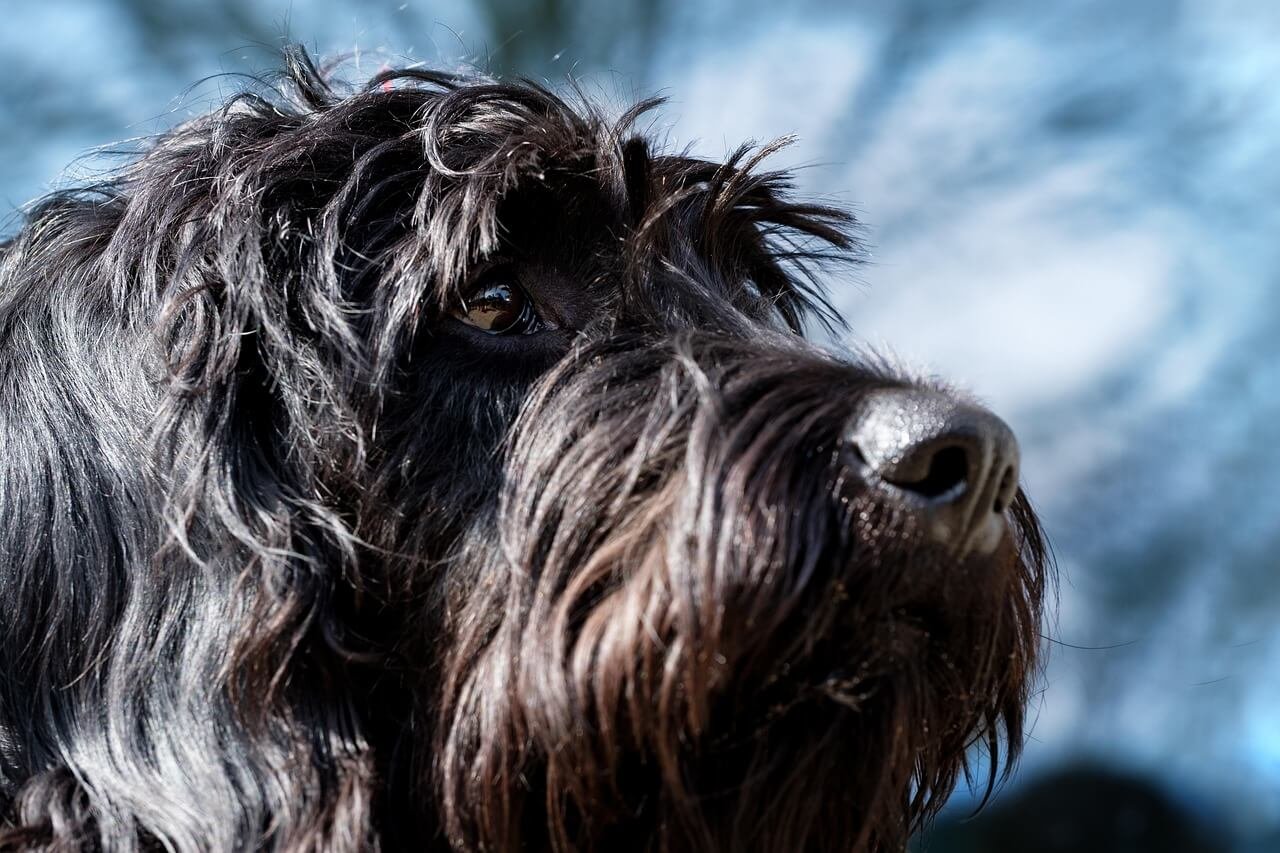
Their iconic beard and eyebrows give them a distinguished and expressive appearance.Rare Breed Status:
Despite their talents, Giant Schnauzers remain relatively rare outside of Europe.Military Service:
During World War I and II, they served as messenger dogs and guards due to their intelligence and reliability.Multi-Talented Workers:
Today, they excel in roles ranging from service dogs to competitive obedience champions.
These fun facts celebrate the versatility and charm of Giant Schnauzers, making them even more endearing to dog lovers everywhere.
Frequently Asked Questions About Giant Schnauzers as Guard Dogs
Are Giant Schnauzers aggressive by nature?
No, they are not inherently aggressive but can become protective if they sense a threat to their family.
Do Giant Schnauzers bark a lot?
They are vocal and will bark to alert you of potential dangers, but excessive barking can be managed with training.
Can first-time owners handle a Giant Schnauzer as a guard dog?
Yes, but they require experienced handling and consistent training to manage their strong-willed nature.
How much exercise does a Giant Schnauzer need daily?
At least 1-2 hours of exercise per day is recommended to keep them physically and mentally stimulated.
Are Giant Schnauzers good with children?
Yes, they are generally gentle and protective with kids, especially when raised together and properly socialized.
The Verdict: Is a Giant Schnauzer a Good Guard Dog?
In conclusion, the Giant Schnauzer is an outstanding choice for those seeking a loyal, intelligent, and confident guard dog. Their natural instincts, combined with proper training and care, make them formidable protectors of their families. However, they are not without their challenges, and prospective owners must be prepared to meet their needs. If you’re ready to invest time and effort into raising a well-rounded Giant Schnauzer, you’ll gain not just a guard dog but also a devoted companion who will enrich your life in countless ways.
Is Rawhide Bad for Cats? Best 7 Expert Tips! – Discover the risks, safe alternatives, and expert advice to keep your feline friend healthy and happy.

Is Rawhide Bad for Dogs? Best 7 Expert Tips! – Discover the risks, benefits, and safer alternatives to rawhides for your dog’s chewing needs.

Understanding Anorexia in Cats: Best 7 Expert Tips! – Learn why cats stop eating, spot warning signs, and discover how to help your feline regain appetite safely.

Understanding Anorexia in Dogs: Best 7 Expert Tips! – Learn causes, symptoms, and solutions to help your dog regain appetite and stay healthy.