
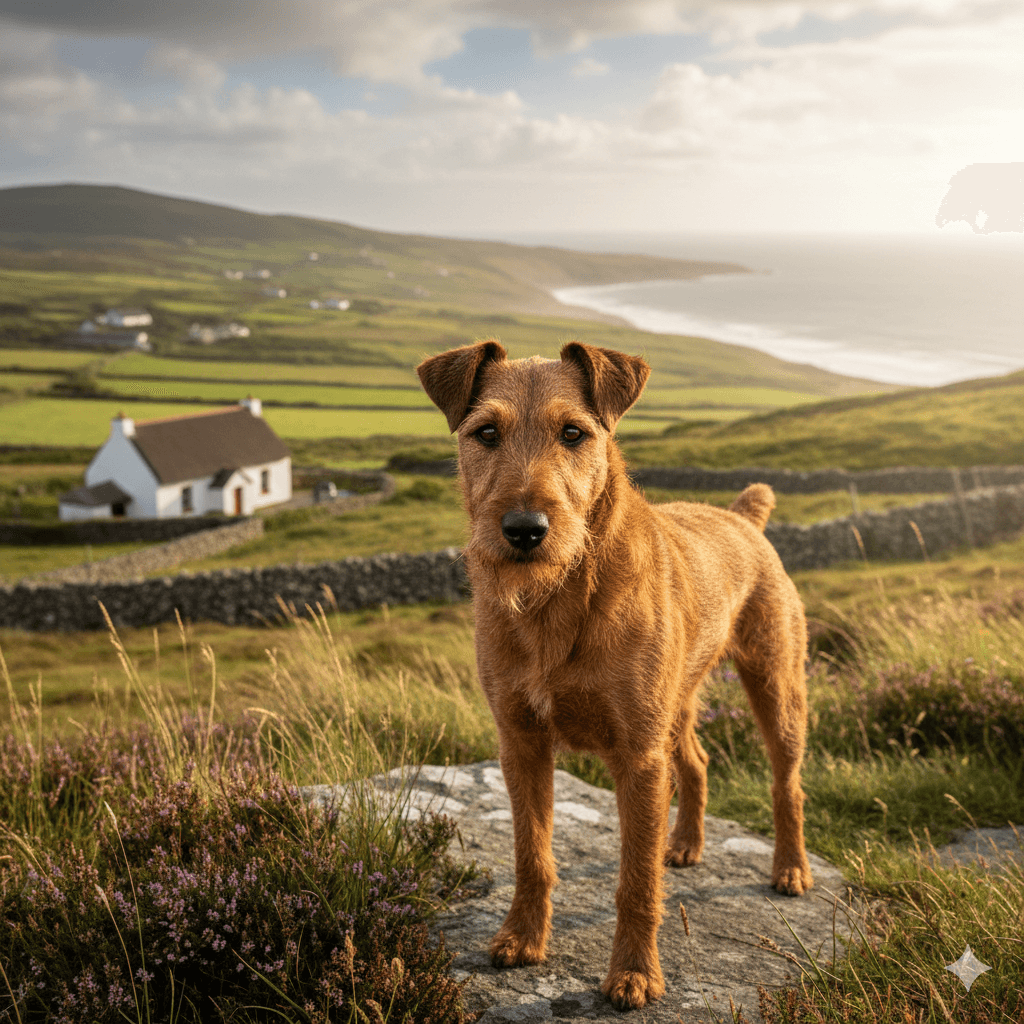

Irish Terrier Dog: Best 7 Expert Tips!

Irish Terrier Dog: Best 7 Expert Tips!

Understanding Irish Terrier Dog: Best 7 Expert Tips!


If you’re drawn to a bold, spirited companion with a fiery red coat and unwavering loyalty, the Irish Terrier might be your perfect match. Known as the “Daredevil of Dublin,” this historic breed blends courage, intelligence, and affection in a medium-sized, low-shedding package. Originally bred for farm work and vermin control, today’s Irish Terrier thrives as a devoted family guardian—but only with the right guidance. Whether you’re considering adoption or already share your home with one, understanding their unique needs is key to a harmonious life together.

Origins and History


The Irish Terrier isn’t just another pretty face—it’s a living piece of Irish heritage with roots stretching back centuries. While not the oldest terrier, it’s among the most iconic, celebrated for resilience and versatility in rugged rural life. These dogs were trusted farmhands, messengers in wartime, and loyal household protectors. Their story reflects Ireland’s own toughness and charm, making them more than pets—they’re cultural ambassadors with wagging tails:

 
  • Ancient Irish Roots:
    Evidence suggests terrier-like dogs existed in Ireland over 2,000 years ago, though the modern Irish Terrier was refined in the 19th century.
     
  • Farm and Vermin Control Role:
    Bred to hunt rats, foxes, and badgers, they protected grain stores and livestock with fearless determination.
     
  • First Recognized Irish Breed:
    The Irish Terrier was the first native Irish breed officially recognized by the Kennel Club (UK) in 1875.
     
  • War Heroes:
    During World War I, they served as messengers and sentries due to their intelligence, speed, and bravery under fire.
     
  • Near Extinction and Revival:
    Population declined mid-20th century, but dedicated breeders preserved the line, maintaining its original working traits.
 

This rich legacy explains why the Irish Terrier remains alert, independent, and deeply bonded to their people—never just a decorative pet.

Irish Terrier Dog: Best 7 Expert Tips!

Distinctive Physical Traits


Compact yet muscular, the Irish Terrier carries itself with proud confidence. Every feature—from wiry coat to alert eyes—serves a purpose rooted in function, not fashion. Their striking appearance turns heads, but it’s their practicality that earned them a place on farms and in foxholes alike:

 
  • Wiry, Weather-Resistant Coat:
    A dense, broken outer coat and soft undercoat protect against rain, cold, and brush—ideal for outdoor work.
     
  • Vivid Red Coloration:
    Ranging from golden red to deep wheaten, the coat is always solid—no white or black markings allowed in purebreds.
     
  • Lean, Athletic Build:
    Standing 18 inches tall and weighing 25–27 pounds, they’re agile enough to chase prey but sturdy enough for rough terrain.
     
  • Keen, Expressive Eyes:
    Small, dark, and full of intelligence, their eyes convey alertness and emotional depth.
     
  • Docked Tail (Historically):
    Traditionally docked for working safety, though many countries now ban the practice—natural tails are strong and carried high.
 

This combination of form and function makes the Irish Terrier instantly recognizable and remarkably suited to active lifestyles.

Temperament Highlights
Care Considerations
Loyal and affectionate with family
Needs early, consistent socialization
Bold and alert—excellent watchdog
Prone to dog-aggression if not trained
Intelligent but independent-minded
Requires mental stimulation daily
Gentle with respectful children
Not ideal for first-time owners
Energetic and playful well into adulthood
Moderate grooming: hand-stripping recommended

Training and Socialization Needs


The Irish Terrier’s intelligence is matched only by their stubborn streak. They learn quickly but decide for themselves whether to obey—making positive, confident training essential. Early socialization isn’t optional; it’s the foundation of a well-adjusted adult dog. Without it, their natural suspicion can turn into reactivity or aggression:

 
  • Start Socialization Early:
    Expose puppies to diverse people, dogs, sounds, and environments before 16 weeks to build confidence.
     
  • Use Positive Reinforcement:
    Harsh methods backfire; reward-based training with treats, praise, and play builds trust and cooperation.
     
  • Consistency is Key:
    Set clear rules and enforce them gently but firmly—Irish Terriers test boundaries constantly.
     
  • Focus on Recall and Leash Manners:
    Their strong prey drive means off-leash freedom is risky without rock-solid obedience.
     
  • Avoid Dog Parks Without Supervision:
    Many Irish Terriers are same-sex aggressive; structured meetups are safer than chaotic free play.
 

A well-trained Irish Terrier is a joy—responsive, proud, and deeply connected to their handler’s cues.

Exercise and Mental Stimulation


Don’t mistake this terrier’s elegance for fragility—they need vigorous daily activity to stay balanced. A bored Irish Terrier becomes destructive, vocal, or hyperactive. Their energy is enduring, not explosive, so they thrive on sustained engagement rather than short bursts:

 
  • Daily Walks Plus Play:
    Aim for 60–90 minutes of combined walking, fetch, or agility-style games.
     
  • Terrier-Specific Activities:
    Earthdog trials, barn hunt, or flirt pole sessions satisfy their innate hunting instincts safely.
     
  • Puzzle Toys and Training Games:
    Rotate interactive toys to keep their clever minds engaged and prevent nuisance barking.
     
  • Off-Leash Time in Secure Areas:
    Only in fully fenced spaces—never assume recall will override chase instinct.
     
  • Avoid Overexertion in Puppies:
    Their joints are still developing; focus on short, frequent play sessions before 12 months.
 

Physical and mental exercise go hand-in-hand for this breed—neglect one, and behavior suffers.

Grooming and Health Maintenance


That stunning red coat needs regular care to stay healthy and true to type. Unlike many terriers, the Irish Terrier doesn’t shed much, but dead hair must be removed manually to prevent matting and preserve texture. Health-wise, they’re generally robust but not immune to inherited conditions:

 
  • Hand-Stripping Preferred:
    Clipping ruins coat texture and color; stripping 2–4 times yearly maintains the natural wiry feel.
     
  • Weekly Brushing:
    Use a slicker brush and comb to remove loose undercoat and prevent tangles, especially around legs and beard.
     
  • Ear and Dental Care:
    Check ears weekly for wax or infection; brush teeth 3–4 times weekly to prevent periodontal disease.
     
  • Common Health Concerns:
    Includes hyperkeratosis (thickened footpads), cystinuria (kidney stones), and rare allergies—responsible breeders test for these.
     
  • Long Lifespan with Proper Care:
    With good nutrition, exercise, and vet visits, many live 13–15 years or more.
 

Proactive grooming and health screening ensure your Irish Terrier stays as vibrant on the inside as they are on the outside.

Living with an Irish Terrier: Family and Home Life


This breed forms intense bonds with their household and thrives in an active, structured home. They’re not “aloof aristocrats”—they’re in-the-mix companions who follow you room to room. However, their bold nature demands understanding: they’re protective, vocal, and intolerant of rough handling:

 
  • Excellent with Respectful Kids:
    Gentle children who learn dog boundaries will adore their playful, loyal companion.
     
  • Not Naturally Dog-Friendly:
    Many prefer being the only pet; same-sex aggression is common without careful introduction.
     
  • Adaptable to Urban or Rural Life:
    As long as exercise needs are met, they do well in apartments—but a fenced yard is ideal.
     
  • Vocal Watchdogs:
    They’ll alert you to strangers or odd noises, but excessive barking must be managed early.
     
  • Deeply Loyal, Not Clingy:
    They want to be near you but retain a terrier’s dignified independence—never needy.
 

In the right home, the Irish Terrier isn’t just a pet—they become the heart of the family.

Compatibility with Other Pets and Household Dynamics

The Irish Terrier’s strong prey drive and dominant tendencies mean their integration into multi-pet homes requires thoughtful planning and ongoing supervision. While they can coexist peacefully with other animals, early exposure and consistent boundaries are essential to prevent territorial or predatory behaviors. Their bold personality shines in the right environment—but clashing instincts can create tension if not managed proactively:

 
  • Coexistence with Cats:
    Possible only if raised together from puppyhood; adult Irish Terriers may chase or harass cats due to deep-rooted hunting instincts.
     
  • Dog-to-Dog Relationships:
    Often same-sex aggressive—many do best as the only dog or with an opposite-sex, calm-tempered companion.
     
  • Small Animal Housemates:
    Rabbits, guinea pigs, or hamsters are seen as prey; secure enclosures and strict separation are non-negotiable.
     
  • Livestock or Farm Settings:
    With proper training, they can learn to respect chickens or goats, but never assume instinct won’t override obedience.
     
  • Visiting Pets or Guests’ Dogs:
    Supervise all interactions closely; their territorial nature may flare around unfamiliar animals, even in neutral settings.
 

Success with other pets hinges on early socialization, clear leadership, and never leaving interactions to chance—respect their instincts while guiding their behavior.

Frequently Asked Questions About Irish Terrier Dogs

Are Irish Terriers good for first-time dog owners?

Generally no—their independence and strong will require experienced handling and consistent training.

No, they’re low-shedding, but their coat requires hand-stripping to maintain health and texture.

Many can be, especially with dogs of the same sex; early socialization and careful management are essential.

At least 60–90 minutes daily of combined walking, play, and mental challenges to stay balanced.

Yes, if their exercise and mental needs are fully met—though access to a secure yard is a bonus.

Embracing the Spirit of the Irish Terrier


To live with an Irish Terrier is to share your life with a dog of rare character—fearless yet tender, fiery yet devoted. They don’t suit every lifestyle, but for those who appreciate intelligence wrapped in red fur and a heart full of courage, there’s no finer companion. More than just a breed, they’re a legacy of Irish resilience, asking only for leadership, love, and a job to do—whether that’s patrolling the backyard or curling up at your feet after a long day. If you’re ready to meet their spirit with patience and respect, you’ll earn a friend for life, as loyal as the hills of County Kerry and as bright as a Dublin sunrise.

Cat Wheat Allergies: Best 7 Expert Tips!

Cat Wheat Allergies: Best 7 Expert Tips! – Discover symptoms, dietary solutions, and prevention strategies to manage your cat’s wheat allergy effectively.

Wheat Allergies in Dogs: Best 7 Expert Tips!

Wheat Allergies in Dogs: Best 7 Expert Tips! – Learn to spot symptoms, manage diets, and improve your dog’s health with expert advice on wheat allergies.

How Much Does a Mastiff Dog Weigh? Best 7 Expert Tips!

How Much Does a Mastiff Dog Weigh? Best 7 Expert Tips! – Discover the ideal weight range, growth patterns, and health tips to keep your Mastiff happy and strong.

Amino Acids for Cats: Best 7 Expert Tips!

Amino Acids for Cats: Best 7 Expert Tips! – Discover the essential amino acids your cat needs, their benefits, and how to ensure a balanced diet for optimal health.

Leave a Reply

Your email address will not be published. Required fields are marked *

Post Category


