
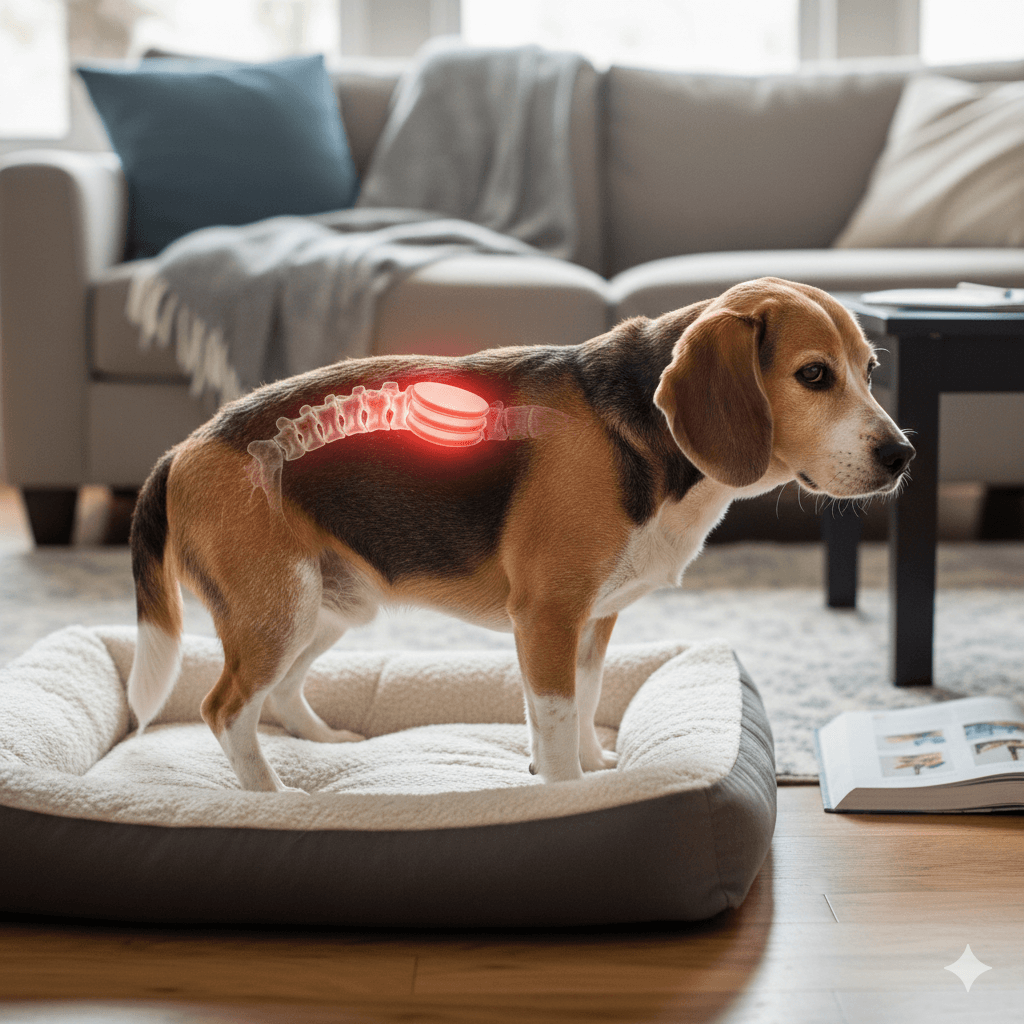

Understanding Intervertebral Disk Disease in Dogs: Best 7 Expert Tips!
If your dog suddenly yelps when jumping, drags their paws, or seems reluctant to move, they could be showing early signs of intervertebral disk disease (IVDD). This common yet serious spinal condition affects dogs of all sizes—but especially certain breeds like Dachshunds, French Bulldogs, and Corgis. Left untreated, IVDD can lead to chronic pain or even paralysis. The good news? With prompt recognition, proper care, and informed decisions, many dogs regain mobility and live full, happy lives. These expert-backed insights will help you protect your pup’s spine and act swiftly if trouble arises.
Recognizing the Early Warning Signs of IVDD
Intervertebral disk disease often develops silently before symptoms become obvious. Early detection can mean the difference between a quick recovery and permanent nerve damage. Pay close attention to subtle changes in your dog’s movement, posture, or behavior that could signal spinal stress:
- Reluctance to Jump or Climb Stairs:
Your dog may avoid furniture, stairs, or the car—activities they once handled with ease—due to back pain or discomfort. - Stiff or Hunched Posture:
A tense, arched back or lowered head can indicate spinal sensitivity, especially along the neck or mid-back region. - Unusual Vocalizations:
Whimpering, yelping when touched, or crying out during routine movements may reveal hidden pain. - Weakness in Hind Limbs:
You might notice stumbling, scuffing nails, or unsteady gait as nerve compression affects coordination. - Loss of Bladder or Bowel Control:
In advanced cases, your dog may urinate or defecate indoors unexpectedly—a sign of severe spinal cord involvement.
These signals should never be ignored, as early veterinary intervention dramatically improves long-term outcomes for dogs with IVDD.
Understanding the Two Main Types of IVDD
Not all disk disease looks the same. Veterinarians classify IVDD into two primary types, each with distinct causes, affected breeds, and progression patterns. Knowing the difference helps tailor prevention and treatment:
- Hansen Type I (Acute):
Common in small, chondrodystrophic breeds (like Dachshunds and Beagles), this type involves sudden disk rupture into the spinal canal—often triggered by jumping or twisting. - Hansen Type II (Chronic):
More typical in large breeds (like Labrador Retrievers or German Shepherds), this involves slow, gradual disk bulging that compresses the cord over weeks or months. - Different Age Onset:
Type I usually strikes dogs between 3–6 years old, while Type II tends to appear in older, larger dogs (7+ years). - Varied Symptom Speed:
Type I causes rapid, dramatic symptoms; Type II progresses slowly, with owners often missing early signs. - Distinct Diagnostic Clues:
Imaging (like MRI or CT) reveals different disk appearances, guiding surgical or medical decisions.
Recognizing which type may be at play helps your vet choose the most effective treatment path from the start.
Check this guide 👉Ehrlichia in Dogs: Best 7 Expert Tips!
Check this guide 👉Hematuria in Dogs: Best 7 Expert Tips!
Check this guide 👉Cystinuria in Dogs: Best 7 Expert Tips!
Mobility Risk Factors | Protective Lifestyle Habits |
|---|---|
Frequent jumping on/off furniture | Use of pet ramps or steps |
Rough play or high-impact activities | Controlled leash walks only |
Obesity or poor muscle tone | Maintained healthy weight |
Unsuitable harness or collar use | Use of chest-supported harnesses |
Lack of core-strengthening exercise | Regular low-impact physical therapy |
Breeds Most at Risk for Intervertebral Disk Disease
While any dog can develop IVDD, genetics play a major role in susceptibility. Certain breeds are predisposed due to their body structure—particularly those with long backs and short legs. Awareness of breed-specific risks allows proactive spine care:
- Dachshunds:
Up to 25% develop IVDD in their lifetime due to chondrodystrophy—a genetic trait causing abnormal cartilage and early disk degeneration. - French Bulldogs & Pugs:
Their compact bodies and screw tails correlate with spinal instability and higher IVDD incidence, especially in the neck. - Corgis & Pembroke Welsh Corgis:
Long spines combined with energetic personalities increase risk, particularly during play or sudden turns. - Shih Tzus & Lhasa Apsos:
Often affected in the cervical (neck) region, leading to front-leg weakness or neck pain. - Beagles & Basset Hounds:
Their low-to-ground build and hunting instincts can lead to repetitive spinal strain if not managed carefully.
If you own one of these breeds, preventive spine health should be a lifelong priority—not just a reaction to symptoms.
Non-Surgical Management Options for Mild to Moderate IVDD
Not every case requires surgery. For dogs with mild pain or early-stage nerve involvement, conservative treatment can be highly effective—if followed strictly and consistently:
- Strict Crate Rest:
2–6 weeks of minimal movement (no jumping, stairs, or off-leash activity) allows inflamed tissues to heal and prevents further injury. - Prescribed Pain Medication:
NSAIDs, gabapentin, or other vet-approved drugs reduce inflammation and discomfort during recovery. - Physical Rehabilitation:
Guided exercises, laser therapy, or underwater treadmill sessions can rebuild strength and improve nerve function. - Supportive Devices:
Back braces or harnesses with spinal support help stabilize the area during brief bathroom breaks. - Regular Rechecks:
Weekly vet assessments ensure symptoms aren’t worsening and guide safe progression of activity.
Success with conservative care hinges on owner discipline—any “cheating” on rest can undo weeks of healing.
When Surgery Becomes Necessary
In severe IVDD cases—especially those involving paralysis or loss of deep pain sensation—surgery is often the best or only option to restore function. Timing is critical for the best outcome:
- Loss of Deep Pain Perception:
If your dog doesn’t react when a toe is pinched, surgery within 24–48 hours offers the highest chance of recovery. - Rapid Neurological Decline:
Worsening weakness over hours or days signals progressive cord compression needing urgent decompression. - Failed Conservative Care:
If symptoms persist or worsen after 1–2 weeks of strict rest, surgical evaluation is recommended. - Recurrent IVDD Episodes:
Dogs with multiple flare-ups may benefit from preventive disk removal (prophylactic fenestration) during surgery. - Veterinary Neurologist Referral:
Advanced imaging and specialized surgical skills significantly improve success rates in complex cases.
Modern spinal surgery, when performed early, can return many dogs to near-normal mobility—even after temporary paralysis.
Long-Term Care and Prevention Strategies
Even after recovery, dogs with IVDD remain at risk for recurrence. Lifelong spine-friendly habits are essential to protect their nervous system and quality of life:
- Maintain Ideal Body Weight:
Every extra pound increases stress on the spine—work with your vet to set and monitor a healthy target weight. - Use Ramps, Not Stairs:
Replace high jumps with gentle inclines for beds, couches, and vehicles to minimize spinal torque. - Choose the Right Harness:
Avoid neck collars; opt for padded, Y-front harnesses that distribute pressure without tugging the spine. - Incorporate Core Strengthening:
Activities like controlled sit-stands, balance discs, or canine fitness classes build back-supporting muscles. - Schedule Regular Wellness Checks:
Early detection of subtle gait changes or stiffness allows intervention before crisis strikes.
Prevention isn’t about restriction—it’s about smart, sustainable choices that keep your dog active without risking their spine.
Supporting Your Dog’s Emotional Well-Being During Recovery
IVDD recovery can be frustrating and scary for dogs used to running and playing. Your emotional support is just as vital as medical care in helping them heal with confidence:
- Provide Calm Companionship:
Spend quiet time nearby during crate rest—your presence reduces anxiety and boredom. - Offer Mental Enrichment:
Puzzle toys, snuffle mats, or gentle nose work keep their mind engaged without physical strain. - Use Positive Reinforcement:
Reward calm behavior during walks or physiotherapy to build trust and cooperation. - Create a Comfortable Rest Zone:
Soft bedding, easy access to water, and a quiet location make confinement less stressful. - Be Patient with Setbacks:
Recovery isn’t linear—offer extra kindness on tough days to keep their spirits up.
A dog’s emotional resilience often mirrors their owner’s calm, consistent support—so your steady love is powerful medicine.
Frequently Asked Questions About Intervertebral Disk Disease in Dogs
Can IVDD heal on its own without treatment?
Mild cases may improve with strict rest and medication, but even “mild” IVDD requires veterinary supervision—untreated, it can worsen rapidly.
How long does IVDD recovery take?
Non-surgical cases may take 4–8 weeks of rest; surgical recovery often spans 6–12 weeks with rehab, though many dogs walk again within days post-op.
Is IVDD painful for dogs?
Yes—back or neck pain is often the first sign. Dogs may hide discomfort, so watch for subtle behavior changes like reluctance to move or decreased tail wagging.
Can a dog with IVDD live a normal life?
Absolutely! With proper management, most dogs return to joyful, active lives—though high-impact activities should be permanently limited.
Is IVDD hereditary?
Yes, especially in chondrodystrophic breeds. Responsible breeding and early screening can reduce—but not eliminate—genetic risk.
Empowering Your Dog’s Journey to Spinal Health
Watching your dog struggle with back pain or mobility loss is heartbreaking—but with knowledge, vigilance, and timely care, IVDD doesn’t have to mean the end of a vibrant life. From prevention through daily choices to decisive action at the first sign of trouble, you hold the power to protect your companion’s spine and spirit. Many dogs not only recover from IVDD but thrive with adapted routines and loving support. Let this be a reminder: your attention, patience, and advocacy are the greatest gifts you can give your dog on the path to healing. With the right care, wagging tails and joyful barks can return—even after the darkest diagnosis.
Cat Wheat Allergies: Best 7 Expert Tips! – Discover symptoms, dietary solutions, and prevention strategies to manage your cat’s wheat allergy effectively.
Wheat Allergies in Dogs: Best 7 Expert Tips! – Learn to spot symptoms, manage diets, and improve your dog’s health with expert advice on wheat allergies.
How Much Does a Mastiff Dog Weigh? Best 7 Expert Tips! – Discover the ideal weight range, growth patterns, and health tips to keep your Mastiff happy and strong.
Amino Acids for Cats: Best 7 Expert Tips! – Discover the essential amino acids your cat needs, their benefits, and how to ensure a balanced diet for optimal health.


